How to Use Herbal Remedies for Faster Hair Growth

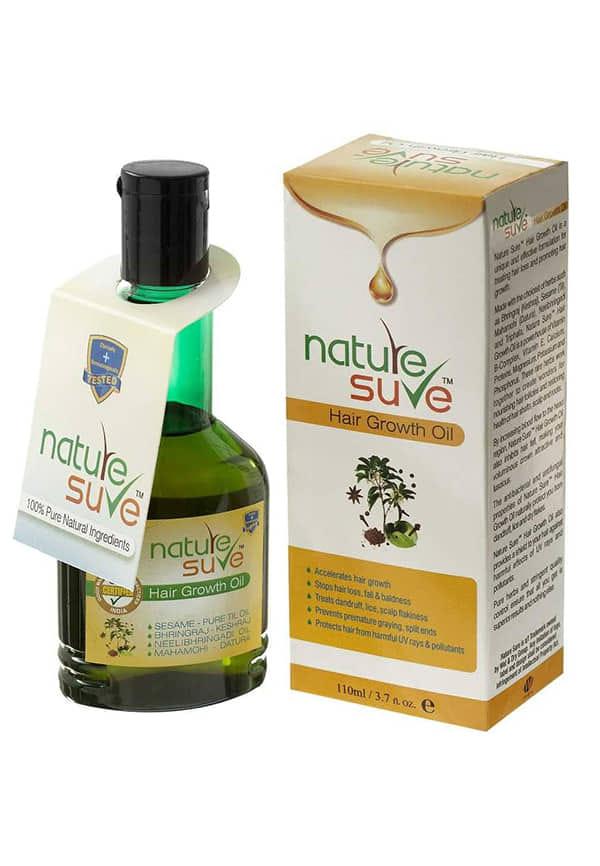
Hair Growth Oil for Darker and Stronger Hair in Men and Women
Let's be real—watching your hair fall out faster than autumn leaves isn't exactly the vibe anyone's going for. If you've been scrolling through endless haircare aisles feeling overwhelmed by chemical-heavy promises, you're not alone. The good news? Nature's been in the hair growth game way longer than any lab, and some of the top herbal remedies for hair growth have been helping people achieve thicker, healthier locks for centuries. From your nan's kitchen garden to ancient Ayurvedic texts, these natural powerhouses might just be the gentle yet effective solution your scalp's been craving.
Here's the thing about herbal hair treatments—they're not just trendy wellness nonsense. These plant-based solutions tackle hair loss at its roots (pun intended) by addressing the actual causes rather than just masking symptoms. Unlike harsh chemicals that can sometimes leave your scalp feeling like a battleground, herbs work gently with your body's natural processes.
Most hair growth remedies from nature focus on three key areas: improving blood circulation to your scalp, blocking DHT (the hormone that's often behind hair thinning), and reducing inflammation that can damage hair follicles. Think of it as giving your hair the perfect environment to thrive rather than forcing it to grow through synthetic stimulation.
The timeline for seeing results with natural hair growth methods is typically 3-6 months—which might sound like forever when you're dealing with thinning hair, but remember, your hair grows in cycles. Good things take time, and herbs work by supporting these natural cycles rather than disrupting them.
Ready to meet the MVPs of the herbal hair world? These five best herbs for hair have serious science backing them up, plus centuries of traditional use. Each one brings something unique to the table, so you can mix and match based on what your hair needs most.
Rosemary isn't just for Sunday roasts—this aromatic herb is basically a hair growth superhero. Studies show that rosemary oil can be as effective as minoxidil (that's the active ingredient in many commercial hair loss treatments) but without the side effects. It works by improving circulation and blocking DHT production.
To use rosemary as one of your go-to hair growth herbs, try infusing a handful of fresh sprigs in carrier oil like coconut or jojoba for 2-3 weeks. Massage this into your scalp 2-3 times weekly, leaving it on for at least 30 minutes before washing.
If you haven't heard of bhringraj yet, you're missing out on one of Ayurveda's most treasured haircare herbs. Known as the "king of herbs" for hair, bhringraj has been used for over 3,000 years to promote thick, lustrous hair growth.
This herb works by nourishing hair follicles and improving scalp health. You can find bhringraj oil in many Indian grocery stores, or make your own by grinding fresh leaves into a paste and mixing with coconut oil. Apply weekly as a deep treatment.
Horsetail might have an odd name, but it's packed with silica—a mineral that's essential for strong, healthy hair structure. This herb helps strengthen hair from the inside out, making it one of the most effective herbal remedies for thinning hair.
You can use horsetail as a tea rinse after shampooing or take it as a supplement. For the rinse, steep 2 tablespoons of dried horsetail in hot water for 15 minutes, strain, and pour over clean hair as a final rinse.
Don't let the name scare you—when prepared properly, stinging nettle is incredibly gentle and effective for natural hair growth. It's rich in vitamins A, C, and K, plus iron and silica, all of which support healthy hair growth.
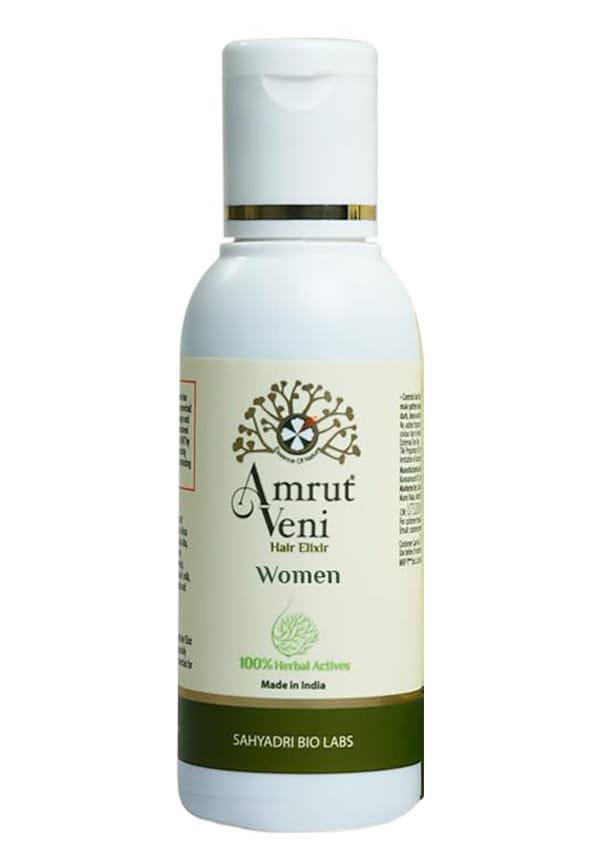
Hair Elixir Women
Nettle works by improving blood flow to the scalp and reducing inflammation. You can drink nettle tea daily or use it as a hair rinse. The anti-inflammatory properties make it particularly good for sensitive scalps.
Gotu kola is like a spa day for your hair follicles. This herb stimulates collagen production and improves circulation, creating the perfect environment for new hair growth. It's particularly effective for those dealing with hair loss due to stress or poor scalp health.
Try gotu kola as an oil infusion or look for haircare products that contain this herb. It's gentle enough for daily use and works well combined with other hair loss solutions.
Beyond the top five, there's a whole world of natural remedies for hair waiting to be discovered. These additional herbs each bring their own unique benefits to your haircare routine, and many work beautifully when combined.
Amla is basically vitamin C in plant form, packed with antioxidants that protect hair follicles from damage. You can use fresh amla juice as a scalp treatment or look for amla oil. Brahmi works on stress-related hair loss by calming the nervous system and improving circulation to the scalp. Fenugreek seeds are protein-rich and help balance hormones that can affect hair growth. Soak them overnight and grind into a paste for a weekly hair mask.
Lavender does double duty—it smells amazing and has antimicrobial properties that keep your scalp healthy. Plus, its calming effects can help with stress-related hair loss. Red clover contains natural compounds that may help block DHT, making it useful for pattern hair loss. Hibiscus is rich in amino acids and vitamin C, and it's traditionally used to prevent premature greying while promoting growth.
Ginseng has been shown to promote hair growth by extending the growth phase of hair cycles. Asian ginseng tends to be more potent than American varieties. Saw palmetto is one of the most researched herbs for blocking DHT naturally. Green tea isn't just for sipping—its antioxidants can protect hair follicles when applied topically. Aloe vera soothes and conditions the scalp while providing a healthy environment for hair growth.
Now that you know which herbs to use, let's talk about how to actually prepare them. The method you choose can make a huge difference in how effective your hair growth remedies turn out to be. Don't worry—none of these require a chemistry degree!
Oil infusions are probably the easiest way to extract the goodness from your chosen herbs. For a cold infusion, simply fill a jar with your dried herbs and cover completely with your chosen carrier oil. Let it sit in a sunny spot for 2-4 weeks, shaking occasionally.
If you're impatient (we get it), you can do a warm infusion by gently heating the oil and herbs in a double boiler for 2-3 hours. Just keep the temperature low—you want to extract the beneficial compounds without destroying them.
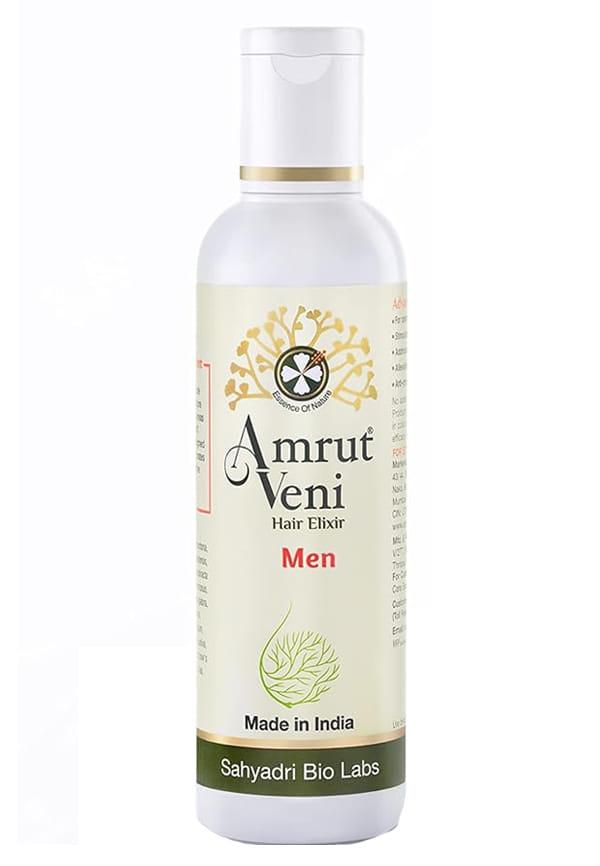
Hair Elixir Men
Fresh herbs often pack more punch than dried ones, especially for masks. Grind fresh herbs with a little water or oil to create a paste consistency. These work best when applied to damp hair and left on for 20-30 minutes before rinsing.
Pro tip: Add a tablespoon of honey or yoghurt to your herbal paste for extra conditioning benefits. Your hair will thank you for the moisture boost.
Herbal rinses are brilliant for regular use because they're gentle and easy to incorporate into your routine. Brew your herbs like you would tea—about 2 tablespoons of dried herbs per cup of hot water. Let it steep for 15-20 minutes, strain, and use as a final rinse after shampooing.
The key is to let the rinse cool to room temperature before using it. Hot water can damage your hair cuticles, which defeats the purpose of using gentle herbal treatments.
Here's where things get exciting—designing a routine that actually works for your specific hair needs. Not all hair loss is created equal, and different herbs work better for different underlying causes. Take some time to figure out what's going on with your hair before diving in.
Is your hair thinning all over, or are you noticing specific bald patches? Are you dealing with a dry, flaky scalp, or is it more oily? Have you been under a lot of stress lately, or could hormonal changes be playing a role?
Once you've identified the likely culprits, you can choose herbs that target those specific issues. For example, if stress is your main concern, focus on calming herbs like lavender and brahmi. If DHT blocking is your goal, rosemary and saw palmetto should be your go-tos.
Week 1-2: Start with one herb to see how your scalp reacts. Try a rosemary oil treatment twice weekly. Week 3-4: Add a weekly herbal rinse using nettle or horsetail. Week 5-8: Introduce a second oil treatment with a different herb, like bhringraj or gotu kola. Ongoing: Rotate your treatments to prevent your hair from getting too used to one approach.
Remember to take photos and keep notes about what you're using and how your hair responds. It's easy to forget the small improvements when you see your hair every day.
Even though these are natural treatments, they can still cause reactions in some people. Always do a patch test before applying anything new to your scalp—apply a small amount to your inner wrist and wait 24 hours to see if any irritation develops.
If you're pregnant, breastfeeding, or taking medications, chat with your healthcare provider before starting any new herbal treatments. Some herbs can interact with medications or aren't recommended during pregnancy.
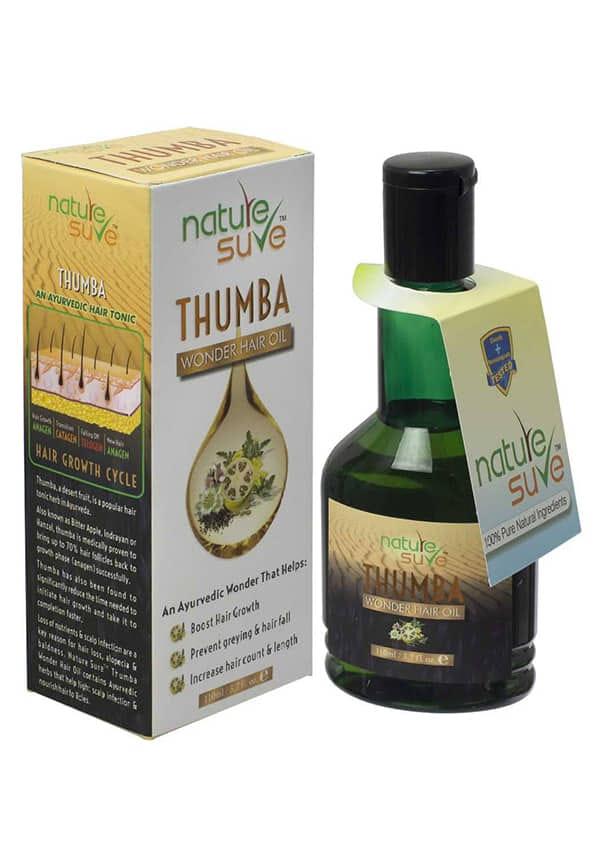
Thumba Wonder Hair Oil for Men and Women
While herbs are amazing, they work best when they're part of a holistic approach to hair health. Think of your herbal treatments as the star of the show, with these lifestyle factors as the supporting cast that helps everything work better together.
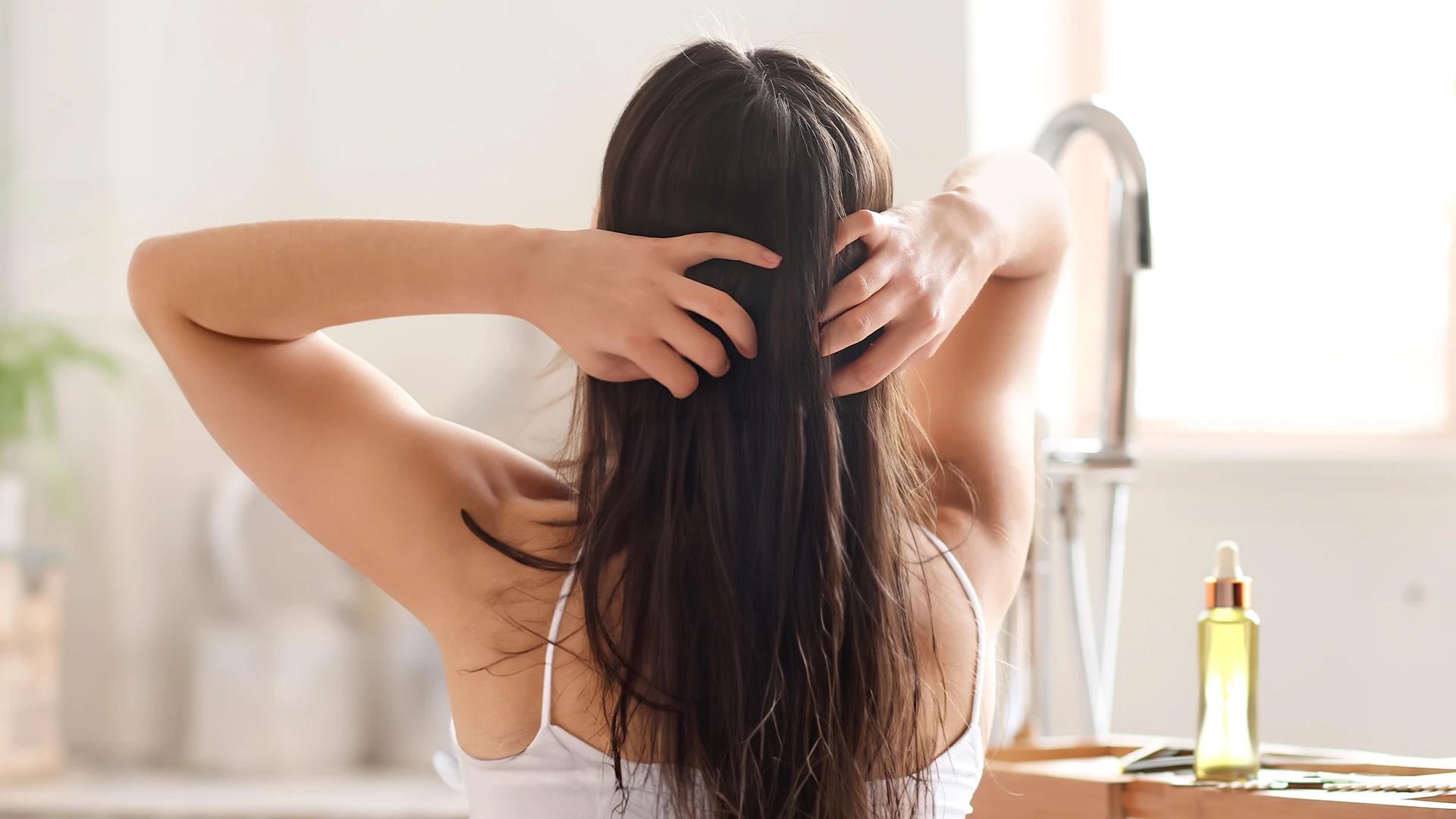
Scalp massage is your secret weapon—it improves circulation and helps your herbal treatments penetrate better. Spend 5-10 minutes massaging your scalp when you apply treatments, using gentle circular motions with your fingertips.
Your diet plays a huge role too. Make sure you're getting enough protein, iron, and vitamins B and D. These nutrients are the building blocks your hair needs to grow strong and healthy. Staying hydrated and managing stress through exercise or meditation can also make a noticeable difference in your results.
Speaking of trying new things, platforms like Smytten make it easier than ever to explore different haircare products and find what works for your unique needs. With access to trial packs from over 1,500 trusted brands, you can discover new favourites without the commitment of full-size purchases—perfect for when you want to complement your herbal routine with other effective products.
Rosemary consistently shows up in research as one of the most effective herbs for hair growth, with studies comparing it favourably to conventional treatments. However, the "best" herb really depends on your specific hair concerns—bhringraj is excellent for overall hair health, while saw palmetto is particularly good for DHT-related hair loss.
Most people start noticing improvements around the 6-8 week mark, with more significant changes becoming apparent after 3-4 months of consistent use. Remember, hair grows slowly—about half an inch per month—so patience is key with any natural approach.
Herbal treatments can be very effective at slowing hair loss and improving the health of existing hair, and they may help with some regrowth, especially if the hair loss is recent. However, they're unlikely to regrow hair in areas where follicles have been dormant for years. Realistic expectations are important for any hair growth journey.
Most herbs are very gentle when used topically, but some people may experience mild scalp irritation or allergic reactions. Essential oils should always be diluted, and it's important to patch test new treatments. If you experience persistent irritation, discontinue use and consult a healthcare provider.
Look for signs like reduced hair fall in your brush or shower drain, new baby hairs around your hairline, improved scalp health, and overall hair that feels stronger and looks shinier. Taking monthly photos can help you track progress that might be too gradual to notice day-to-day.
Your hair growth journey doesn't have to involve harsh chemicals or expensive treatments that promise overnight miracles. The world of herbal remedies offers gentle, effective solutions that work with your body's natural processes rather than against them. Whether you're drawn to the circulation-boosting power of rosemary, the traditional wisdom of Ayurvedic herbs like bhringraj, or the DHT-blocking properties of saw palmetto, there's likely an herbal solution that fits your needs.
The key is consistency, patience, and finding the right combination for your unique hair situation. Start with one or two herbs, give them time to work, and gradually build a routine that feels sustainable for your lifestyle. Remember, healthy hair growth is a marathon, not a sprint—but with the right herbal allies in your corner, you're well-equipped for the journey.
As you explore these natural options, don't forget that modern haircare has evolved too. Platforms like Smytten connect you with over 1,500 trusted brands, offering trial packs that let you discover new products without the commitment. With over 25 million users finding their perfect matches through affordable trials, you can complement your herbal routine with other effective products. After all, why settle for 'maybe' when you can #TryItAll and find what truly works for your hair?
