How to Use Hair Serum for Humidity Control


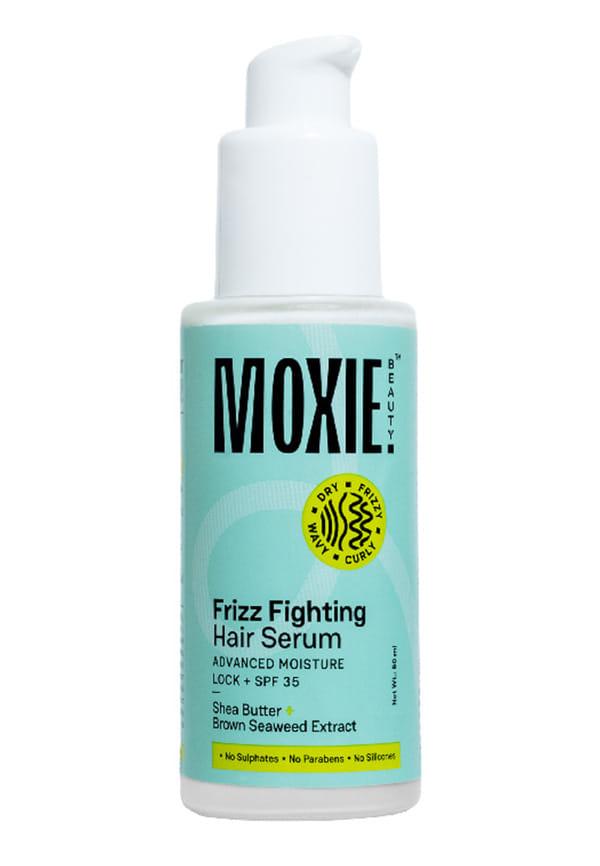
Frizz Fighting Hair Serum For Dry and Frizzy Hair
Picture this: you've just stepped out of your air-conditioned home, hair looking absolutely perfect, only to walk into what feels like a wall of humidity. Within minutes, your sleek strands have transformed into a frizzy mess that no amount of smoothing can tame. Sound familiar? You're definitely not alone in this daily battle against moisture-heavy air. The good news is that the right hair serum for humidity can be your secret weapon in winning this war against frizz.
Let's get real about what humidity actually does to your hair. When the air is packed with moisture, your hair cuticles—those tiny scales that cover each strand—lift up like opening doors, allowing water molecules to sneak in. This causes your hair to swell unevenly, creating that dreaded frizzy texture we all know too well.
An anti frizz serum works by creating an invisible shield around each hair strand. Think of it as a protective raincoat for your hair that keeps excess moisture out whilst locking in the good stuff your hair actually needs. Unlike heavy creams or oils that can weigh your hair down, a quality frizz control serum provides lightweight protection that moves with your hair naturally.
The science behind this is pretty clever. Most effective serums contain silicones that form a thin, flexible film over your hair cuticles. This barrier doesn't just block humidity—it also smooths down those lifted cuticles, giving you that glossy, polished look even when the weather isn't cooperating. Studies show that properly applied hair serum can reduce frizz by up to 80% in high-humidity conditions, making it far more effective than traditional styling products alone.
Not all hair types face humidity the same way, which means your serum strategy needs to be tailored to your specific needs. Understanding these differences can make all the difference between good hair days and great ones.
If you've got dry hair, humidity can be particularly brutal because your strands are already thirsty for moisture. A hair serum for dry hair should focus on hydration whilst providing that crucial barrier. Look for formulas that combine lightweight oils with silicones—they'll quench your hair's thirst without making it greasy.
For those dealing with damaged hair from heat styling or chemical treatments, your cuticles are already compromised, making you extra vulnerable to humidity's effects. Hair serum for damaged hair typically contains proteins and amino acids alongside the protective silicones, helping to temporarily fill in gaps in your hair structure whilst shielding against further damage.
Fine hair presents its own challenges because too much product can quickly lead to limp, lifeless strands. The trick is finding a lightweight formula that provides protection without the weight. Look for water-based serums or those specifically labelled as volumising—they'll give you the humidity protection you need without sacrificing body.
Thick, coarse hair can handle richer formulations and often needs them to achieve smooth results. These hair types benefit from serums with higher concentrations of smoothing ingredients and natural oils that can penetrate the hair shaft more effectively.
Getting your application technique right is absolutely crucial for maximising your serum's effectiveness. Even the best hair smoothing serum won't work properly if you're not applying it correctly, so let's break this down step by step.
Start with freshly washed, towel-dried hair that's still slightly damp. This is your sweet spot—not dripping wet, but not completely dry either. The residual moisture helps the serum distribute more evenly and allows it to penetrate your hair cuticles more effectively.
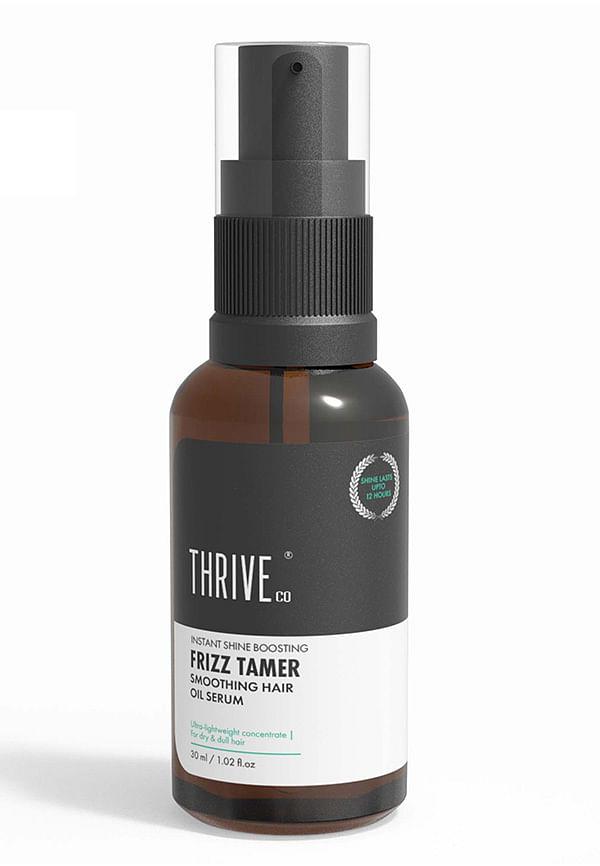
Frizz Tamer Smoothening Hair Oil
Next, determine how much product you actually need. For short hair, one pump is usually sufficient. Medium-length hair typically needs two pumps, whilst long hair might require three to four pumps. Remember, you can always add more, but removing excess product is much trickier.
Here's where technique really matters: warm the serum between your palms first, then apply it starting from your mid-lengths and working towards your ends. Avoid your roots entirely unless you have extremely thick, coarse hair that can handle the extra weight. Work the product through your hair using your fingers or a wide-tooth comb, ensuring even distribution.
For the most thorough coverage, section your hair into manageable pieces—about four to six sections depending on your hair's thickness. Apply the serum to each section individually, making sure every strand gets coated. This might seem like extra work, but it's the difference between patchy protection and all-day frizz control.
Whether you're air-drying or heat styling, apply your serum immediately after towel-drying. If you're using heat tools, make sure your serum includes thermal protection, or layer it under a separate heat protectant.
Understanding what's actually in your humidity hair products can help you make smarter choices and get better results. Let's decode the ingredient list so you know what to look for and why these components work so well together.
Silicones are the heavy hitters in most anti-humidity formulas. Dimethicone and cyclopentasiloxane are two you'll see frequently, and for good reason—they create that protective barrier we talked about earlier. Dimethicone is particularly effective because it forms a flexible film that moves with your hair, whilst cyclopentasiloxane provides a lighter feel that's perfect for fine hair types.
Natural oils bring their own benefits to the humidity-fighting party. Argan oil is packed with vitamin E and fatty acids that nourish your hair whilst providing some natural protection against moisture. Coconut oil penetrates the hair shaft better than most oils, making it excellent for damaged hair that needs internal repair alongside external protection.
Hair hydration serum often contains humectants like glycerin and hyaluronic acid. These ingredients are clever because they help your hair maintain optimal moisture levels—not too dry, not too saturated. They draw moisture from the environment when your hair needs it but won't overload your strands in high-humidity conditions.
Proteins deserve special mention because they're crucial for damaged hair. Keratin, silk proteins, and hydrolysed wheat protein can temporarily fill in gaps in your hair cuticles, creating a smoother surface that's naturally more resistant to humidity's effects.
The best serums combine multiple ingredient types for comprehensive protection. A formula might pair silicones for immediate barrier protection with natural oils for long-term hair health and proteins for structural support.
Your hair serum strategy shouldn't be one-size-fits-all when it comes to weather conditions. Different humidity levels and environmental factors call for adjusted approaches to get the best results from your best serum for frizzy hair.
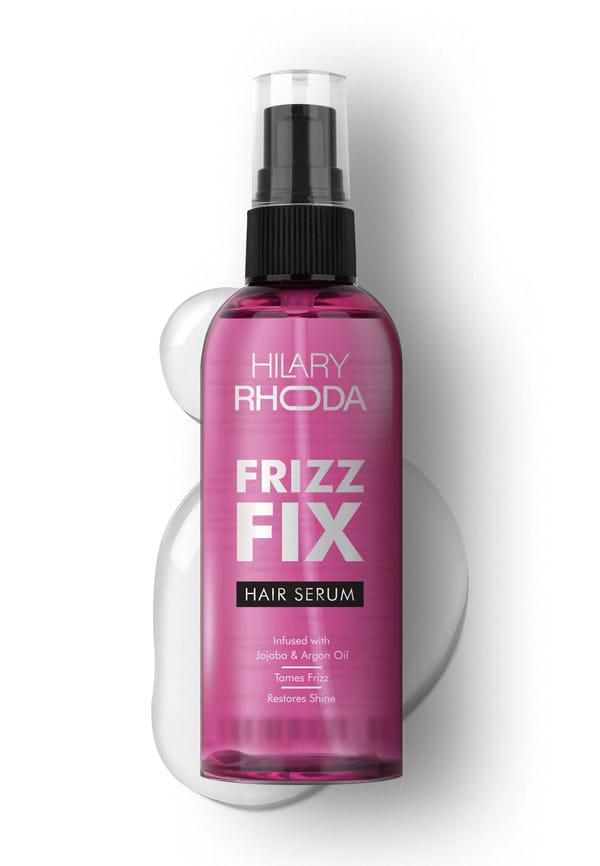
Frizz Fix Hair Serum
When humidity levels soar above 80%—those sweltering summer days when the air feels thick enough to swim through—you need to bring out the big guns. This means using slightly more product than usual and potentially layering your serum with other humidity-blocking products. Apply your serum as usual, then follow with a light mist of anti-humidity spray for extra protection.
Moderate humidity days (around 50-80%) are where most standard application techniques shine. Stick to your regular amount of product, but pay extra attention to your hair's most vulnerable areas—usually around your hairline and the ends of your hair, which tend to frizz first.
Low humidity with high heat presents a different challenge altogether. Your hair might not frizz from moisture, but it can become dry and brittle from lack of humidity. In these conditions, focus on serums with hydrating ingredients and consider applying a tiny amount to dry hair as a midday touch-up.
Rainy weather requires a waterproofing mindset. Look for serums that specifically mention water resistance, and don't be afraid to use a bit more product than usual. Consider carrying a small travel-size serum for touch-ups if you get caught in unexpected downpours.
Summer calls for lighter formulations that won't feel heavy in the heat, whilst winter might require richer serums to combat both indoor heating and outdoor cold. Adjust your routine seasonally for best results.
Ready to take your humidity-fighting game to the next level? These professional techniques can help you achieve salon-quality results at home, even when the weather is working against you.
Layering products strategically can multiply your protection without weighing your hair down. Start with a lightweight leave-in conditioner on damp hair, follow with your anti frizz serum, and finish with a humidity-blocking spray. Each product should be applied to slightly different areas—conditioner to mid-lengths and ends, serum avoiding the roots, and spray all over for final protection.
Heat styling integration is crucial for long-lasting results. If you're blow-drying, apply your hair smoothing serum first, then use a round brush to smooth your hair in the direction of the cuticle—from root to tip. This technique helps seal the cuticles flat, creating an even smoother surface for your serum to protect.
For severe humidity days, consider an overnight treatment approach. Apply a slightly heavier amount of serum to damp hair before bed, then sleep with your hair in a loose, low ponytail or braid. The extended contact time allows the serum to penetrate more deeply, giving you better protection the next day.
Touch-up techniques throughout the day can save your style when humidity strikes unexpectedly. Keep a small amount of serum on your hands (just a tiny drop) and gently smooth over any areas that start to frizz. Avoid adding too much product to dry hair, as this can create a greasy appearance.
Consistent use of quality serums can actually improve your hair's natural resistance to humidity over time. Regular application helps maintain healthier cuticles that are naturally less prone to moisture absorption.
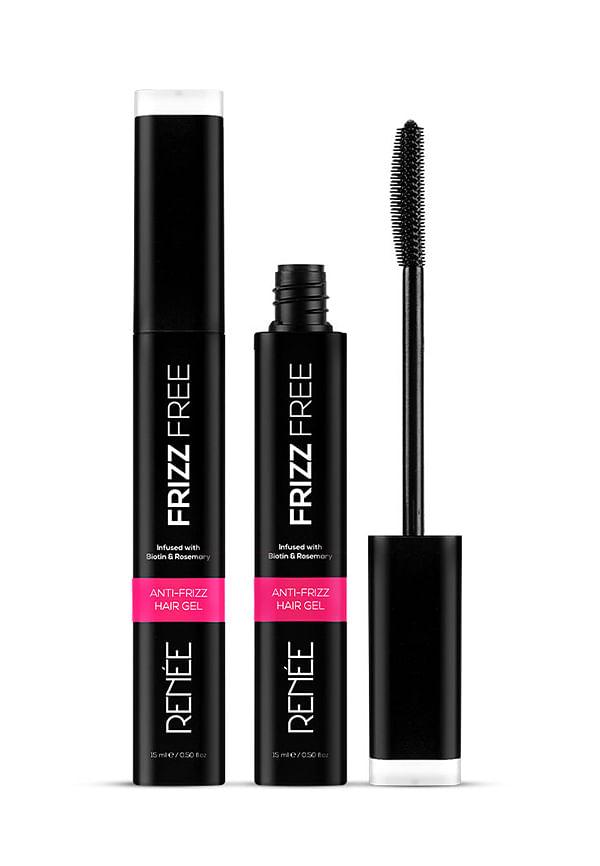
Frizz Free Anti Frizz Hair Gel
Serums containing silicones like dimethicone or cyclopentasiloxane are most effective at protecting hair from humidity. These ingredients create a protective barrier that prevents excess moisture from penetrating your hair cuticles whilst maintaining flexibility and natural movement.
Apply serum to damp hair using proper sectioning techniques, ensuring even distribution from mid-length to ends. Avoid the roots unless you have very thick hair. Use a wide-tooth comb to distribute the product evenly, and consider layering with other humidity-blocking products for extra protection.
A combination approach works best: start with a humidity-defying serum as your base protection, add an anti-frizz spray for extra coverage, and finish with lightweight oils if your hair tends to be dry. This layered approach provides comprehensive protection without weighing your hair down.
Yes, daily use is generally safe and often beneficial for maintaining consistent humidity protection. However, adjust the amount based on your hair type and daily humidity levels to prevent product buildup. Fine hair might need serum only on high-humidity days, whilst thick, coarse hair can typically handle daily application.
Start with 1-2 pumps for short hair, 2-3 pumps for medium-length hair, and 3-4 pumps for long hair. Adjust based on your hair's thickness and porosity. Remember, it's easier to add more product than to remove excess, so start conservatively and build up as needed.
Mastering humidity control with hair serum is all about understanding your hair's specific needs and applying the right techniques consistently. The key is finding that sweet spot between enough protection to keep frizz at bay and not so much product that your hair feels weighed down or greasy.
Remember that different weather conditions call for different approaches, and what works for your friend's hair might not work for yours. Pay attention to how your hair responds to different formulations and techniques, and don't be afraid to adjust your routine based on the day's humidity levels.
The investment in a quality hair serum for humidity is worth it when you consider the confidence that comes with knowing your hair will look great regardless of what the weather throws at you. With the right product and proper application technique, those humid days don't have to mean bad hair days anymore.
Smytten's curated selection includes humidity-fighting serums from trusted brands, with options for every hair type and concern. Not sure which formula works best for your hair? Smytten also offers trial-size versions of many of these products—a smart way to test different formulations before committing to a full bottle.
