Your hair deserves more than just a quick wash and dry routine. Hair oil has been a trusted natural hair treatment for centuries, nourishing scalps and transforming dull strands into silky-smooth locks. When used properly, these little miracle workers can tackle everything from frizz to split ends. Whether you're dealing with dry patches, looking for ways to boost shine, or simply want to give your scalp some TLC, mastering the art of hair oiling might just become your next fave ritual.
Understanding Hair Oil and Its Benefits
Hair oil isn't just another trend—it's a time-tested approach to healthy haircare that actually works. These little miracle workers get right into your hair and scalp, delivering all the good stuff exactly where it's needed most. Regular conditioners just coat the surface of your hair. Quality hair oils are different - they work as both a deep conditioning treatment and a protective barrier.
The magic happens when these oils mimic your scalp's natural sebum, helping to balance oil production whilst providing essential fatty acids and vitamins. Some oils work brilliantly as a leave-in treatment, whilst others are perfect for intensive overnight sessions. The key is understanding that different oils serve different purposes—some excel at moisture retention, others at enhancing shine, and many offer multiple benefits in one bottle.
Choosing the Right Hair Oil for Your Needs
Not all hair oils are created equal, and finding your kind of pick depends on your hair type and specific concerns. The good news? There's likely an oil out there that's practically made for your hair's unique needs. From lightweight options that won't weigh fine hair down to richer formulations that can tackle the driest strands, the variety is genuinely impressive.
Think of this selection process like finding the right skincare product—you wouldn't use the same moisturiser for oily and dry skin, right? The same logic applies to hair oils. Your hair's porosity, texture, and current condition all play a role in determining which oil will work best for you.
If you're unsure which oil suits your hair type, Smytten's Trial Orders let you test different options without committing to full sizes - perfect for finding your kind of pick.
Types of Hair Oils and Their Properties
Coconut oil is probably the most recognisable option, widely recognised for its nourishing properties and ability to help strengthen hair strands, making it particularly good for dry hair remedies. It works well on most hair types. Argan oil, often called 'liquid gold,' is lighter and perfect for adding shine without greasiness. Jojoba oil closely mimics your scalp's natural oils, making it ideal for balancing oil production.
Castor oil is your go-to for thickness and growth support, whilst sweet almond oil offers gentle nourishment for sensitive scalps. Each oil brings something different to the table, and many work beautifully when blended together.
Matching Hair Oil to Hair Type and Concerns
Fine hair types should lean towards lighter oils like argan or jojoba that won't weigh strands down. If you've got thick, coarse hair, richer oils like coconut or castor can provide the intensive moisture you need. For frizz control, look for oils that smooth the cuticle—argan and sweet almond are particularly good at this.
If your main concern is scalp nourishment, oils with soothing properties like tea tree or rosemary-infused blends can work wonders. Those dealing with damage should consider oils rich in vitamins and antioxidants that can help with repair and protection.
For those seeking the best hair oil for hair growth, castor oil combined with rosemary essential oil creates a powerful blend. If you're wondering which oil is best for hair growth and thickness, consider alternating between castor oil treatments and lighter argan oil for daily use.
Proper Application Techniques for Maximum Benefits
The way you apply hair oil can make or break your results. Too much and you'll spend ages trying to wash it out; too little and you won't see the benefits you're after. Getting the technique right is honestly half the battle, but once you've mastered it, the whole process becomes second nature.
Start with clean hands and work with slightly damp hair when possible—this helps the oil distribute more evenly and penetrate better. The amount you need varies based on your hair length and thickness, but it's always better to start small and add more if needed.
Preparation and Timing
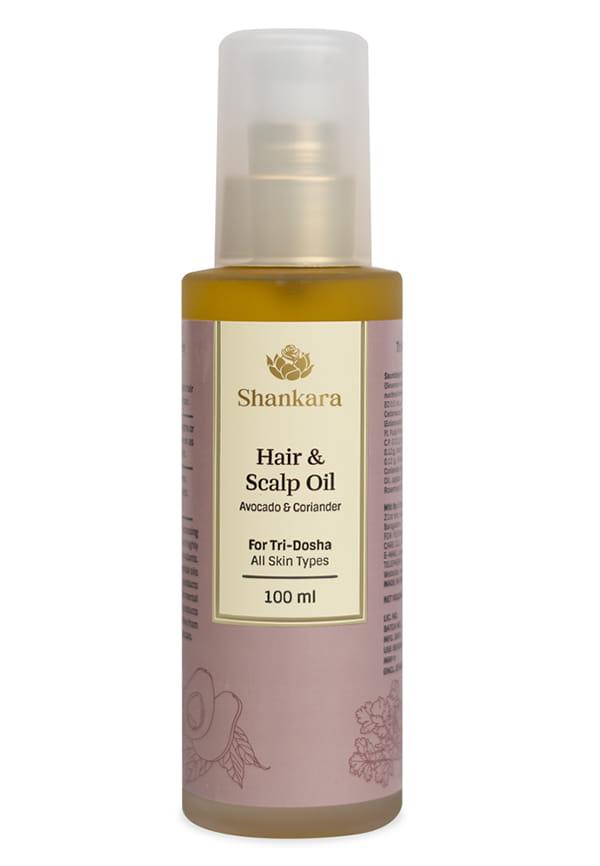
(100 ml)
Shankara
Hair & Scalp Oil
₹ 1080
Timing matters more than you might think. Pre-wash treatments work brilliantly for deep conditioning—apply oil 30 minutes to a few hours before shampooing. For overnight treatments, focus on the mid-lengths and ends rather than the roots to avoid greasy morning hair.
If you're using oil as a styling aid or leave-in treatment, apply it to damp hair before other products. This creates a protective barrier and helps lock in moisture throughout the day.
Application Methods
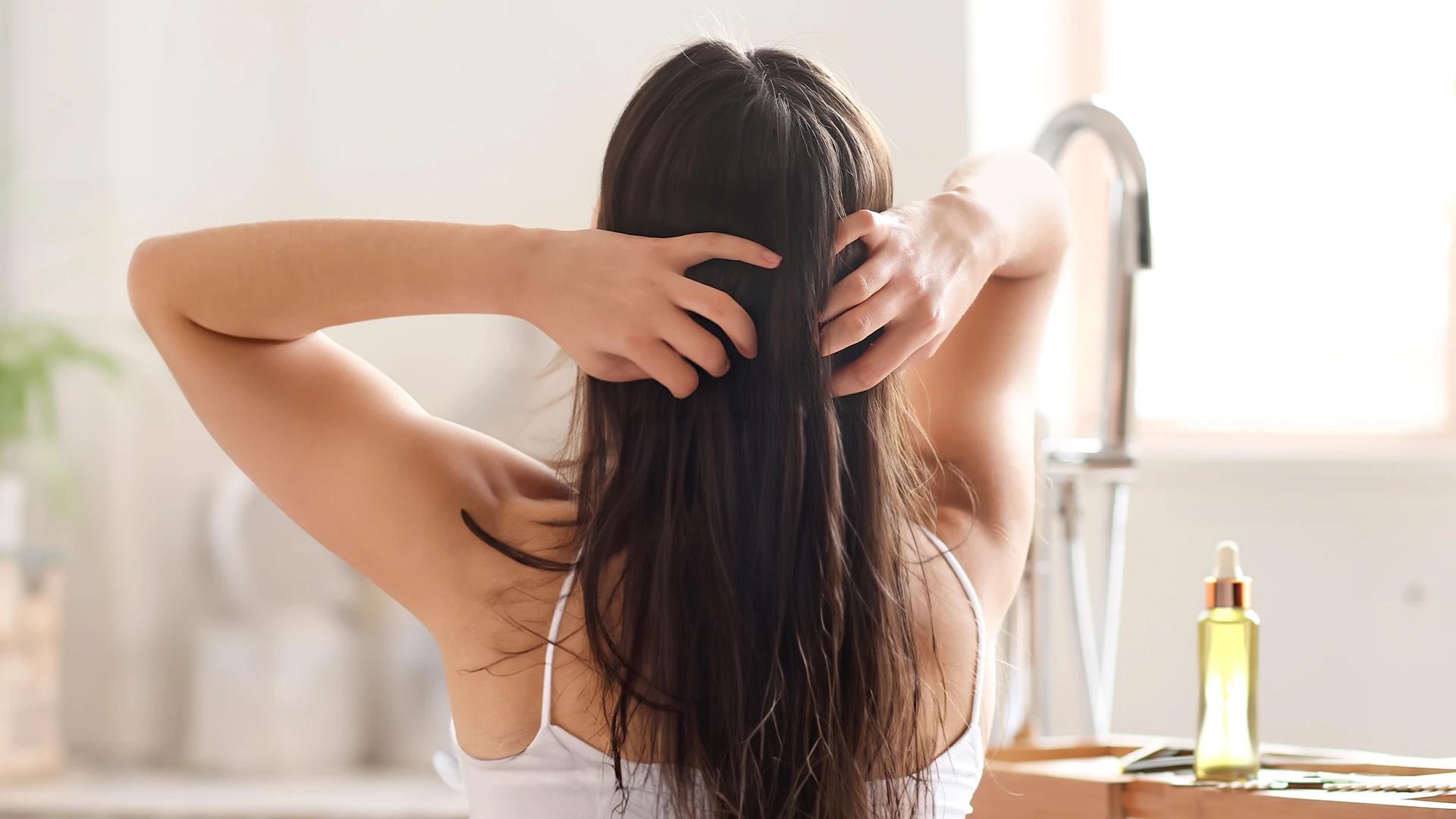
The sectioning method works best for thorough coverage. Divide your hair into manageable sections and work the oil through each one, starting from the ends and working upwards. Use your fingertips to gently massage the oil into your scalp—this feels amazing and may help with circulation.
For quick touch-ups or frizz control, warm a small amount between your palms and gently smooth over your hair. Avoid rubbing vigorously, which can cause breakage and make frizz worse.
Post-Application Care
How long you leave the oil in depends on your hair type and the oil you're using. Fine hair might only need 30 minutes, whilst thicker hair can handle several hours or overnight treatments. When it's time to wash out, use lukewarm water and a gentle shampoo—you might need to shampoo twice to remove all residue.
Don't skip the conditioner entirely, but you can use less than usual since your hair will already be well-moisturised. This helps maintain the benefits whilst ensuring your hair doesn't feel heavy or greasy.
Natural Hair Oil Recipes for Scalp Nourishment
Creating your own hair oil blends is surprisingly simple and lets you target specific concerns with precision. Plus, there's something quite satisfying about mixing up a treatment that's perfectly tailored to your hair's needs. These DIY approaches often work just as well as shop-bought options, and you know exactly what's going into them.
Start with a base oil that suits your hair type, then add complementary oils or essential oils for specific benefits. A few drops of essential oils go a long way—they're potent and can cause irritation if used in large quantities.
Basic Hair Oil Blend for General Nourishment
Mix equal parts coconut oil and argan oil for a balanced treatment that works on most hair types. Add a few drops of rosemary essential oil for scalp nourishment and circulation benefits. This blend provides moisture, shine, and gentle stimulation without being too heavy.
Warm the mixture slightly before application—this helps with absorption and makes the whole experience more relaxing. Store any leftover blend in a cool, dark place for up to three months.
Targeted Hair Oil Recipes
For growth support, try mixing castor oil with jojoba oil and a drop of peppermint essential oil. The castor oil provides thickness and nourishment, whilst peppermint stimulates the scalp. This combination works particularly well as an overnight treatment on the scalp area.
If you're dealing with dryness, blend sweet almond oil with a touch of vitamin E oil and lavender essential oil. This creates a deeply moisturising treatment that's gentle enough for regular use and smells absolutely divine.
For those interested in homemade hair oil for hair growth, try blending equal parts castor oil and coconut oil with a few drops of rosemary essential oil. This combination is known for its potential to support hair growth and thickness.
Common Mistakes to Avoid When Using Hair Oil
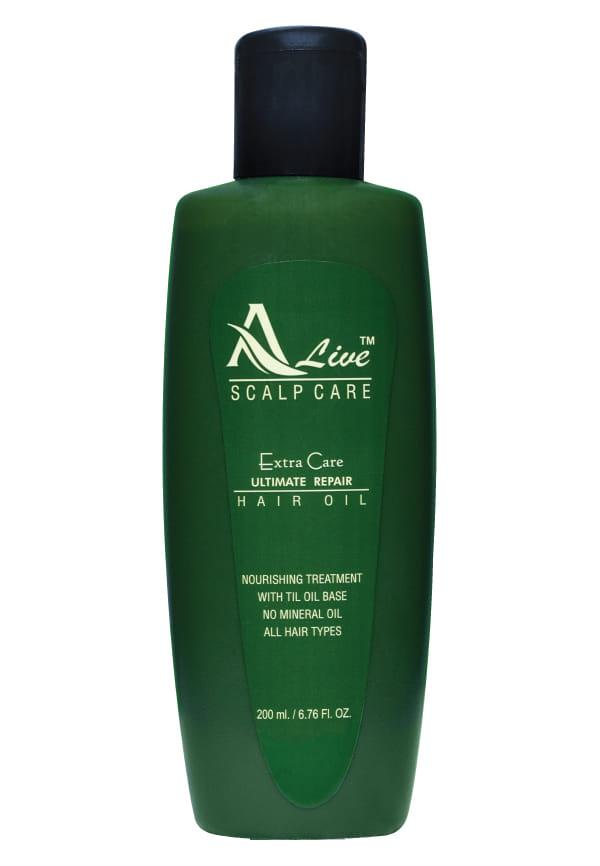
5.0|(200 ml)
Alive Health & Beauty
Scalp Care Hair Oil
₹ 325
Even with the best intentions, it's easy to go wrong with hair oiling. The most common issues usually come down to using too much product or choosing the wrong oil for your hair type. These mistakes can leave you with greasy, limp hair that takes forever to clean—definitely not the look we're going for.
The good news is that most oiling mistakes are easily fixable once you know what to look out for. It's all about finding that sweet spot where your hair gets the nourishment it needs without being overwhelmed.
Over-Application and Product Build-up
Using too much oil is probably the most common mistake, and it's one that puts many people off hair oiling altogether. Signs of over-application include hair that looks greasy even after washing, products that won't lather properly, and strands that feel heavy or limp.
If you've overdone it, don't panic. Use a clarifying shampoo to remove build-up, and next time, start with half the amount you think you need. You can always add more, but removing excess oil is much trickier.
Improper Oil Selection and Application
Choosing an oil that's too heavy for your hair type is another frequent issue. Fine hair types often struggle with coconut oil, whilst thick hair might not see much benefit from lighter options like argan oil alone.
Applying oil to dirty hair or using it on soaking wet strands can also reduce effectiveness. Clean, slightly damp hair provides the best canvas for oil absorption and distribution.
FAQs About Using Hair Oil for Scalp Nourishment
Can hair oil promote hair growth?
Whilst hair oil can't magically make your hair grow faster, it can create the optimal conditions for healthy growth. By nourishing the scalp, improving circulation, and preventing breakage, regular oiling supports your hair's natural growth cycle. Some oils like rosemary and peppermint may have additional circulation-boosting properties that could indirectly support growth.
How often should I apply hair oil to my scalp?
This depends on your hair type and concerns. Most people benefit from oiling once or twice a week, but those with very dry hair might need more frequent treatments. If you have oily hair, focus on the ends and use oil sparingly on the scalp—perhaps once a week or even less frequently.
Is it okay to leave hair oil in overnight?
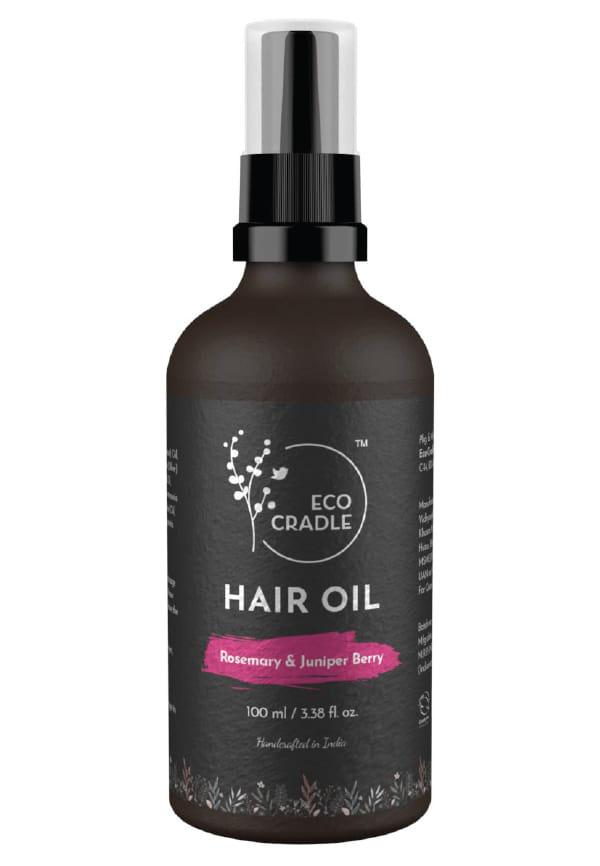
4.4|(100 ml)
Ecocradle
Hair Oil
₹ 520
Yes, overnight treatments can be incredibly beneficial, especially for dry or damaged hair. Use a silk or satin pillowcase to prevent oil transfer, and consider wrapping your hair in a silk scarf or using a hair turban. Focus the oil on mid-lengths and ends rather than the roots to avoid greasy morning hair.
Can I use hair oil before heat styling?
Some oils can provide heat protection, but it's not their primary function. If you're planning to use hot tools, apply a small amount of oil to damp hair, then use a proper heat protectant product over the top. Never apply oil to dry hair before heat styling, as this can cause damage.
Which hair oil is best for dandruff control?
Tea tree oil mixed with a carrier oil like jojoba can help with dandruff due to its anti-fungal properties. Coconut oil also has some anti-microbial benefits. However, if you have persistent dandruff, it's worth consulting a dermatologist as the underlying cause might need specific treatment.
Which hair oil works best for men's grooming routines?
For men looking to incorporate hair oil into their grooming routine, lighter oils like argan or jojoba are great options. They absorb quickly and won't leave a greasy residue, making them perfect for daily use. For those with thicker or coarser hair, a blend of coconut and castor oil can provide deep nourishment without weighing hair down.
What's the difference between hair oil for girls vs. general hair oils?
There's no inherent difference between hair oils marketed for girls and general hair oils. The best oil for anyone depends on their hair type and concerns, not their gender. However, some products marketed towards girls might have lighter fragrances or packaging designed to appeal to a younger audience.
Are Adivasi hair oils effective for growth?
Adivasi hair oils, which often include traditional ingredients like bhringraj or amla, have been used for centuries in Indian hair care routines. While scientific studies on their efficacy are limited, many people report positive results in terms of hair growth and overall hair health. As with any hair oil, results can vary depending on individual hair types and consistent use.
Final Thoughts
Mastering the art of hair oiling is honestly one of the best things you can do for your hair's long-term health. It's a simple practice that delivers real results—from improved scalp nourishment to better frizz control and everything in between. The key is finding the right oil for your hair type and using it consistently rather than expecting overnight miracles.
Start simple with one oil that matches your hair's needs, then experiment with blends and different application methods as you get more comfortable. Remember, what works for your friend might not work for you, and that's perfectly normal. Your hair is unique, and finding your perfect oiling routine might take a bit of trial and discovery—but trust us, it's worth obsessing over.
If you're ready to start your hair oiling journey, check out Smytten's curated haircare collection. With our Trial Orders, you can test different oils without the drama of committing to full-size products. It's the perfect way to find your next fave hair oil and give your locks the love they deserve.