How to Use Hair Conditioner for Smooth, Hydrated Hair


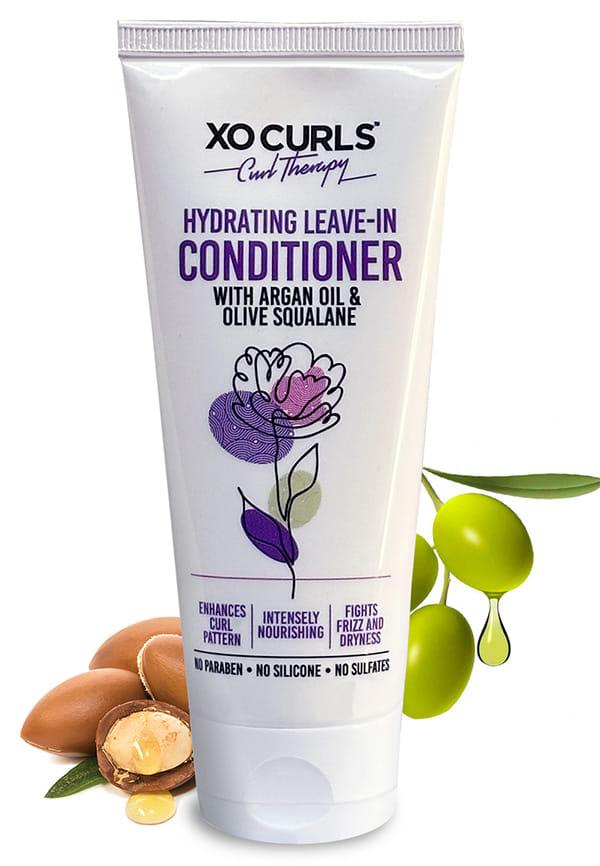
Hydrating Leave In Conditioner With Argan Oil And Olive Squalane To Tame Dryness & Frizz
You know that moment when your hair feels like straw after washing? Like no matter how much you scrub with shampoo, your strands are left feeling rough, tangled, and absolutely impossible to manage. That's your hair crying out for conditioner. Real talk — if you're skipping this step or just going through the motions without understanding what conditioner actually does, you're missing out on some serious hair transformation potential. Let's dive into why hair conditioner benefits go way beyond just making your hair smell nice.
Think of conditioner as your hair's personal bodyguard. While shampoo strips away dirt, oil, and product buildup (along with some natural oils), it also leaves your hair cuticles raised and vulnerable. That's where conditioner swoops in to save the day.
Here's the science bit made simple: conditioner contains positively charged molecules called cationic surfactants. Your hair, especially when wet, has a negative charge. Opposites attract, so these positive molecules literally stick to your hair shaft, filling in the gaps in damaged cuticles and creating a protective layer. It's like giving your hair a microscopic smoothing treatment every time you wash.
The hair conditioning effects happen almost instantly. As soon as you apply conditioner, it starts working to lower your hair's pH level back to its natural acidic state (around 4.5-5.5). Shampoo can push your hair's pH up to 8 or 9, which is why your hair feels rough and tangled post-wash. Conditioner brings it back down, sealing those cuticles flat and giving you that smooth, manageable feel.
There are three main types worth knowing about: rinse-out conditioners (your everyday go-to), leave-in conditioners (for extra protection and styling), and deep conditioning treatments (the intensive care your hair sometimes needs). Each works slightly differently, but they all share the same goal — making your hair healthier, stronger, and way more manageable.
Let's be real about what regular conditioning can actually do for your hair. The benefits of using conditioner aren't just marketing fluff — they're backed by actual science and millions of good hair days.
First up, hair hydration benefits. Conditioner doesn't just sit on top of your hair looking pretty. It penetrates the hair shaft, delivering moisture where it's needed most. This is especially crucial if you live in a dry climate, use heat tools regularly, or have chemically treated hair. Proper hydration means less breakage, fewer split ends, and hair that actually bounces back when you touch it.
Then there's the frizz control factor. When your hair cuticles are smooth and sealed (thanks to conditioner), there's less opportunity for humidity to sneak in and cause chaos. Your hair stays sleeker for longer, and you spend less time fighting with your straightener or trying to tame flyaways.
Detangling becomes so much easier too. Conditioner creates slip between hair strands, reducing friction when you brush or comb. This means less pulling, less breakage, and definitely less swearing at your reflection in the mirror. Your brush glides through instead of getting stuck every few inches.
The damage prevention aspect is huge. Environmental stressors like UV rays, pollution, and even the friction from your pillowcase can gradually wear down your hair. Conditioner creates a protective barrier that helps shield your strands from these daily assaults. Think of it as SPF for your hair, but for everything.
And let's talk about shine. Smooth, sealed cuticles reflect light better than rough, damaged ones. Regular conditioning literally makes your hair more reflective, giving you that healthy glow without needing a handful of serums and oils.
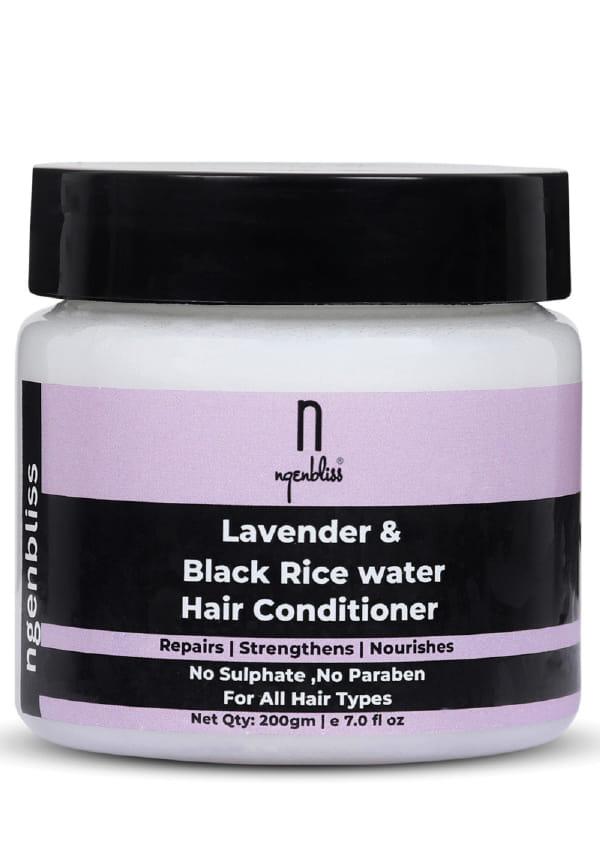
Hair Conditioner | Lavender | Black Rice Water
Not all hair is created equal, and your conditioning strategy should reflect that. Understanding hair conditioner uses for your specific hair type can make the difference between okay hair days and absolutely amazing ones.
If your hair feels perpetually thirsty, you need conditioner with serious hydrating power. Look for ingredients like hyaluronic acid, glycerin, and natural oils. These moisture magnets grab onto water and hold it in your hair shaft. Apply conditioner from mid-lengths to ends, and don't be afraid to leave it on for a few extra minutes. Your dry hair needs time to drink up all that goodness.
Here's where things get tricky. Your scalp might be oily, but your ends could still be crying out for moisture. The key is using lightweight, volumising conditioners and keeping them away from your roots. Apply only from the mid-lengths down, focusing on areas that actually need hydration. Rinse thoroughly to avoid any residue that might weigh your hair down.
Damaged hair needs the conditioning equivalent of intensive care. Look for protein-enriched formulas that can help rebuild weakened hair structure. Ingredients like keratin, amino acids, and peptides work to fill in gaps in damaged cuticles. You might need to condition every time you wash, and consider adding a weekly deep conditioning treatment to your routine.
Getting smooth hair with conditioner isn't just about slapping it on and hoping for the best. There's actually a method to the madness, and once you nail the technique, your hair will thank you.
Start with properly shampooed hair. You want your hair clean but not stripped. Use lukewarm water — hot water can actually damage your hair cuticles and make conditioning less effective. Gently squeeze out excess water before applying conditioner. Your hair should be damp, not dripping wet, so the conditioner can properly adhere.
Here's where most people go wrong: they apply conditioner to their entire head. Don't do this. Start from about ear level and work down to your ends. Your scalp produces natural oils, so it doesn't need extra conditioning. Focus on the older, more damaged parts of your hair — usually the mid-lengths and ends.
Use more than you think you need, especially if you have thick or long hair. Work it through with your fingers or a wide-tooth comb to ensure even distribution. The goal is to coat every strand without creating a heavy, greasy mess.
Timing matters too. Most conditioners need 2-3 minutes to work their magic. Use this time to wash your body or shave your legs. For damaged or very dry hair, you can leave it on for up to 5 minutes. Any longer and you risk over-conditioning, which can actually make your hair limp and greasy.
Rinse thoroughly with cool water. This helps seal the cuticles and lock in all the conditioning benefits. You should feel a noticeable difference in texture — smoother, softer, and easier to manage.
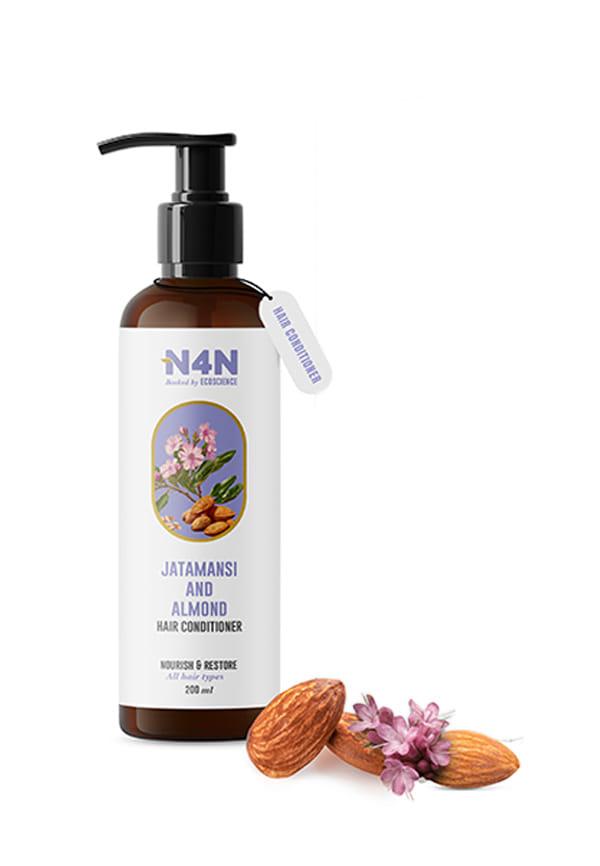
Hair Conditioner | Jatamansi And Almond | Nourish & Restore
Even with the best intentions, it's easy to mess up your conditioning routine. Let's talk about the most common mistakes that might be sabotaging your hair goals.
Over-conditioning is real, and it's not pretty. Signs include hair that feels limp, greasy, or strangely stretchy when wet. This happens when you use too much product, condition too frequently for your hair type, or use formulas that are too heavy. If this sounds familiar, scale back to conditioning every other wash and choose lighter formulas.
Applying conditioner to your roots is another classic mistake. Unless you have extremely dry or damaged hair from root to tip, your scalp doesn't need conditioning. This can lead to greasy roots, flat hair, and faster oil buildup. Stick to mid-lengths and ends for most hair types.
Using the wrong conditioner for your hair type can actually make things worse. Fine hair needs lightweight, volumising formulas. Thick, coarse hair can handle richer, more intensive treatments. Colour-treated hair needs specific formulas that won't strip your expensive highlights. Take time to really understand what your hair needs.
Temperature mistakes are surprisingly common too. Rinsing with hot water can undo all the good work your conditioner just did, leaving cuticles raised and hair feeling rough. Always finish with cool water to seal everything in place.
Ready to take your conditioning game to the next level? These advanced techniques can help you squeeze every bit of benefit from your routine.
Pre-conditioning treatments can be game-changers for severely damaged hair. Apply a small amount of conditioner or hair oil to dry hair before shampooing. This creates a protective barrier that prevents your shampoo from being too harsh while still allowing it to cleanse effectively.
Heat activation is another pro trick. After applying conditioner, wrap your hair in a warm, damp towel or use a shower cap. The gentle heat helps open up the hair cuticles slightly, allowing the conditioning ingredients to penetrate more deeply. Just 5-10 minutes can make a noticeable difference.
Cocktailing conditioners might sound fancy, but it's just about mixing products to create a custom treatment. Combine a lightweight daily conditioner with a few drops of hair oil for extra moisture, or mix in a protein treatment if your hair needs strengthening. Start with small amounts and adjust based on how your hair responds.
Seasonal adjustments are crucial too. Your hair's needs change with the weather. Winter might call for richer, more moisturising formulas, while summer humidity might require lighter, anti-frizz options. Pay attention to how your hair feels and adjust accordingly.
The difference between professional and drugstore conditioners often comes down to concentration and ingredient quality. Professional formulas typically contain higher concentrations of active ingredients and fewer fillers. However, plenty of affordable options deliver excellent results — it's about finding what works for your specific hair type and concerns.
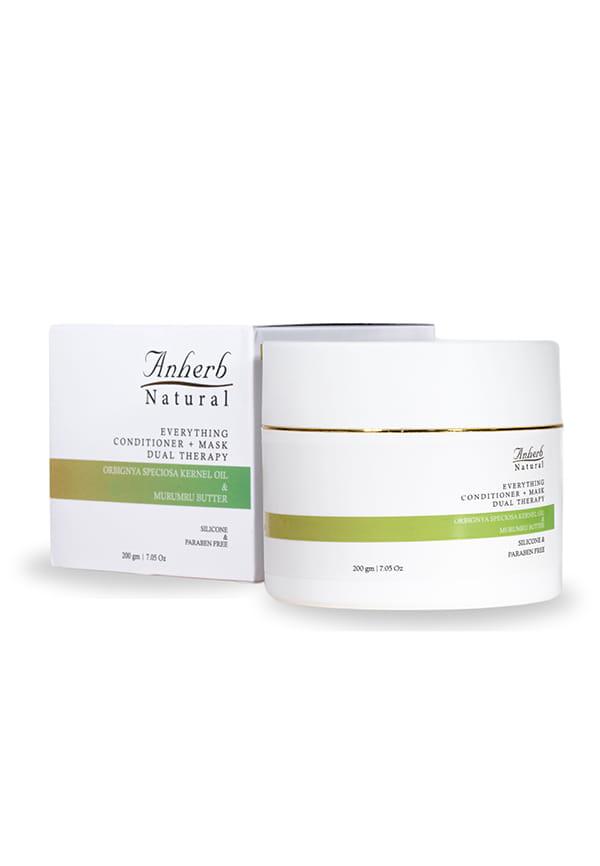
Everything Conditioner & Mask| Orbignya Speciosa Kernel Oil
Absolutely. Scientific research consistently shows that regular conditioner use improves hair manageability, reduces breakage, and protects against environmental damage. The key is using the right type for your hair and applying it correctly. The only potential downside is over-conditioning, which happens when you use too much product or condition too frequently for your hair type.
The main disadvantages come from misuse rather than the product itself. Over-conditioning can make hair limp and greasy, while using the wrong formula can weigh fine hair down or leave residue. Some people with very oily scalps might find that any conditioner makes their roots greasy faster, but this can usually be solved by adjusting application technique.
It depends on your hair type and lifestyle. Fine, oily hair might only need conditioning every other wash, while thick, dry, or chemically treated hair often benefits from daily conditioning. Pay attention to how your hair feels and looks — if it's getting limp or greasy, reduce frequency. If it's still feeling rough or tangled, you might need to condition more often.
Always after shampooing, while your hair is still damp. This is when your hair cuticles are most receptive to conditioning ingredients. You might also use leave-in conditioner on damp hair before styling, or apply a deep conditioning treatment once a week as an intensive treatment.
While conditioner doesn't directly stimulate hair growth, it creates the optimal environment for healthy growth by preventing breakage and maintaining scalp health. Look for conditioners with ingredients like biotin, caffeine, or peptides that support overall hair health. Remember, hair growth happens at the scalp level, so a healthy scalp environment is crucial.
Understanding hair conditioner benefits and how to use them properly can completely transform your hair routine. From basic hydration to advanced damage repair, the right conditioning approach makes the difference between hair that just exists and hair that actually thrives.
The key is matching your conditioner choice and technique to your specific hair needs. Whether you're dealing with dryness, damage, oiliness, or just want smoother, more manageable hair, there's a conditioning strategy that works. Start with the basics — proper application, correct timing, and the right formula for your hair type — then experiment with advanced techniques as you get more comfortable.
Remember, great hair doesn't happen overnight, but consistent, proper conditioning will get you there. Your hair is an investment worth making, and understanding why use hair conditioner as part of your routine is the first step towards the healthy, gorgeous hair you deserve. Not sure which conditioner works best for your specific hair type? Smytten offers trial-size versions of many conditioning products from trusted brands — a smart way to test different formulas before committing to full-size bottles.
