How to Use Fungal Scalp Treatment Effectively


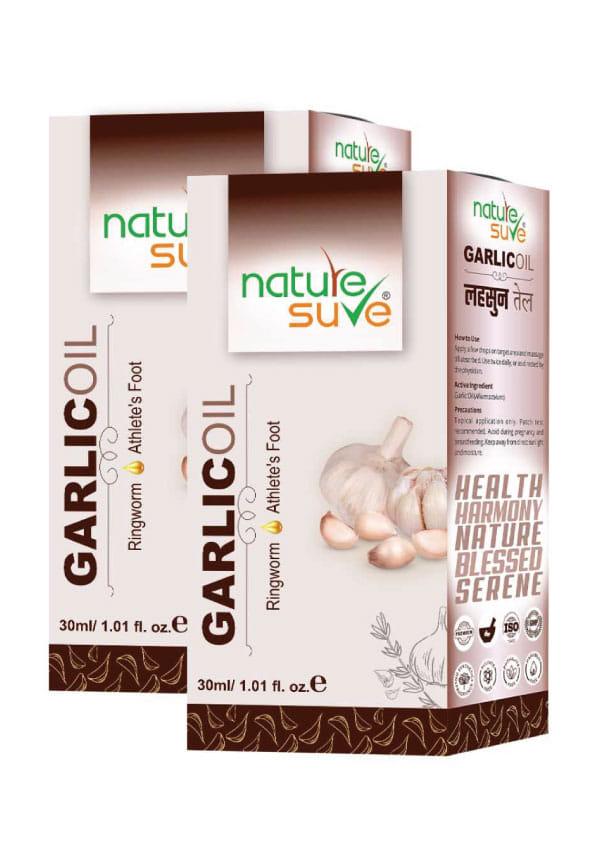
Garlic Oil For Ringworm And Athlete's Foot
Dealing with a fungal scalp infection can feel overwhelming, especially when you're not sure which treatment approach will actually work. From persistent itching and flaking to those stubborn patches that just won't clear up, scalp fungus affects millions of people but often gets misdiagnosed or improperly treated. The good news? Learning how to use fungal scalp treatment effectively can transform your scalp health completely. Whether you're battling seborrheic dermatitis, ringworm, or general scalp fungus, the right application techniques and treatment combinations make all the difference. Real talk—it's not just about buying the right products; it's about understanding your specific condition and applying treatments in a way that actually penetrates the scalp and targets the root cause. Let's dive into everything you need to know about treating scalp fungus properly, from identifying symptoms to mastering application techniques that deliver real results. With platforms like Smytten making it easier to trial different antifungal treatments before committing to full sizes, finding your perfect scalp care routine has never been more accessible.
TL;DR
Proper scalp preparation and sectioning are crucial for effective antifungal treatment application
Different fungal infections (seborrheic dermatitis, ringworm, yeast overgrowth) require specific treatment approaches
Antifungal shampoos need 3-5 minutes contact time, while topical creams require gentle massage techniques
Natural remedies like tea tree oil and apple cider vinegar can complement medical treatments when used correctly
Treatment timelines vary from 2-8 weeks depending on infection type and severity
Before diving into treatment methods, it's essential to identify what type of fungal infection you're dealing with. Different fungi require different approaches, and using the wrong treatment can actually make symptoms worse. Let's look at the common fungal infection on scalp symptoms.
Seborrheic dermatitis is probably the most common scalp fungal issue you'll encounter. It's caused by an overgrowth of Malassezia yeast that naturally lives on your scalp. You'll notice yellowish, greasy flakes, redness, and intense itching, especially around your hairline and behind your ears.
Ringworm (tinea capitis) creates circular, scaly patches with hair loss in the affected areas. Despite its name, it's not caused by worms but by dermatophyte fungi. This one's particularly contagious and often affects children more than adults.
Candida overgrowth on the scalp is less common but can occur, especially if you have a compromised immune system or have been on antibiotics recently. It typically presents as red, inflamed patches with a distinctive sweet or yeasty odour.
Persistent itching that gets worse at night, flaking that doesn't respond to regular dandruff shampoo, and any hair loss patterns are major red flags. If you notice red, inflamed patches that feel warm to the touch, scaling and crusting that bleeds when scratched, or an unusual musty or yeasty odour from your scalp, it's time to take action.
Getting the application technique right is absolutely crucial for treatment success. Most people apply antifungal products incorrectly, which is why they don't see results even after weeks of use. Understanding effective fungal scalp treatment methods starts with proper application.
Start by sectioning your hair into manageable parts using clips or hair ties. This ensures you can reach every affected area properly. Gently brush or comb through to remove any loose flakes or debris, but don't scratch or scrub aggressively as this can worsen inflammation.
Always do a patch test 24 hours before using any new antifungal product. Apply a small amount behind your ear or on your inner wrist and wait to see if any irritation develops.
Use lukewarm water—hot water can irritate an already inflamed scalp and strip away natural oils that help protect against further infection. Apply the antifungal shampoo directly to your scalp, not your hair lengths.
Here's where most people go wrong: you need to massage the shampoo into your scalp using your fingertips (never your nails) for at least 30 seconds, then leave it on for 3-5 minutes. This contact time is essential for the active ingredients to penetrate and work effectively.
Rinse thoroughly with lukewarm water, making sure no product residue remains as this can cause further irritation.
For topical creams and foams, less is definitely more. Use about a pea-sized amount for each section of your scalp. Apply the cream directly to the affected areas, then gently massage in circular motions until it's fully absorbed.
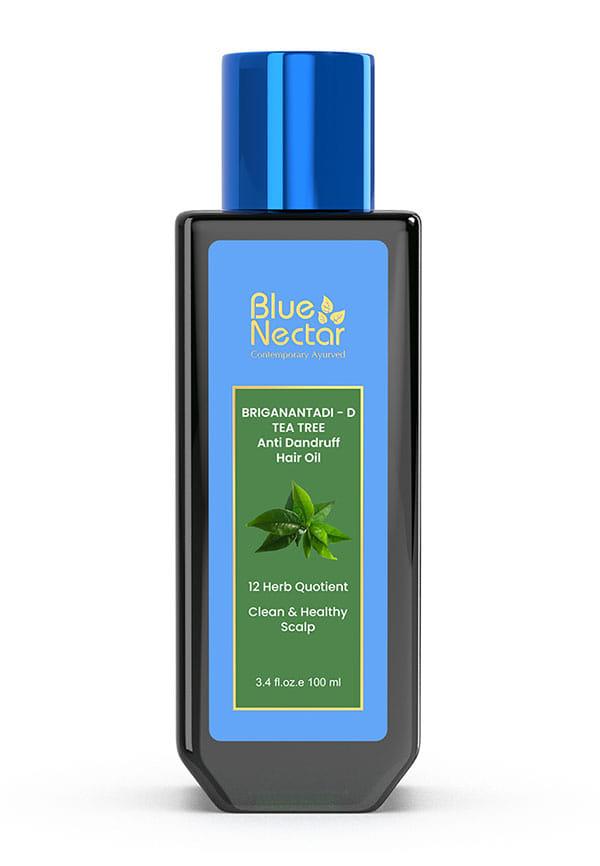
Tea Tree Anti Dandruff and Healthy Scalp Oil 12 Herbs
Don't rub vigorously—the goal is to help the cream penetrate without causing additional irritation. You'll know it's properly absorbed when there's no visible residue and your scalp doesn't feel greasy or sticky.
The most effective approach often combines different types of treatments. Here's what actually works, based on the type and severity of your infection.
For severe or persistent infections, prescription treatments are often necessary. Ketoconazole shampoo (2%) is considered the gold standard for seborrheic dermatitis scalp treatment. Use it twice weekly, leaving it on for 5 minutes before rinsing.
Griseofulvin is an oral antifungal that's particularly effective for ringworm on scalp treatment. The typical course lasts 4-8 weeks, and you'll usually see improvement within 2-3 weeks.
Terbinafine works faster than griseofulvin for many people, with treatment courses typically lasting 2-4 weeks. It's especially effective against dermatophyte infections.
Selenium sulfide shampoos are excellent for controlling Malassezia overgrowth. Look for 1% selenium sulfide formulations and use them 2-3 times per week initially.
Zinc pyrithione is gentler than selenium sulfide and works well for mild to moderate cases. It's often found in popular dandruff shampoos and can be used daily if needed.
Coal tar treatments help slow down skin cell turnover and have antifungal properties. They're particularly useful for seborrheic dermatitis but can be drying, so use a good conditioner on your hair lengths.
The most effective dandruff treatment for fungal infection often involves combining oral and topical treatments. For example, using an antifungal shampoo 3 times per week while applying a topical cream to specific problem areas daily.
Rotating between different active ingredients can prevent resistance. Try using a ketoconazole shampoo for 2 weeks, then switching to selenium sulfide for 2 weeks, then back to ketoconazole.
While natural remedies shouldn't replace medical treatment for severe infections, they can be incredibly effective as complementary treatments or for mild cases. Always remember to dilute essential oils properly and patch test before full application.
Apple cider vinegar has natural antifungal properties and helps restore your scalp's pH balance. Mix equal parts ACV and water, apply to your scalp, leave for 15 minutes, then rinse thoroughly. Use this 2-3 times per week.
Tea tree oil is a powerful antifungal, but it must be diluted properly. Mix 5-10 drops with a tablespoon of carrier oil (coconut or jojoba work well) and massage into your scalp. Leave for 20 minutes before shampooing out.
Coconut oil contains caprylic acid, which has antifungal properties. Apply virgin coconut oil to your scalp, leave overnight, and shampoo out in the morning. This works particularly well for dry, flaky conditions.
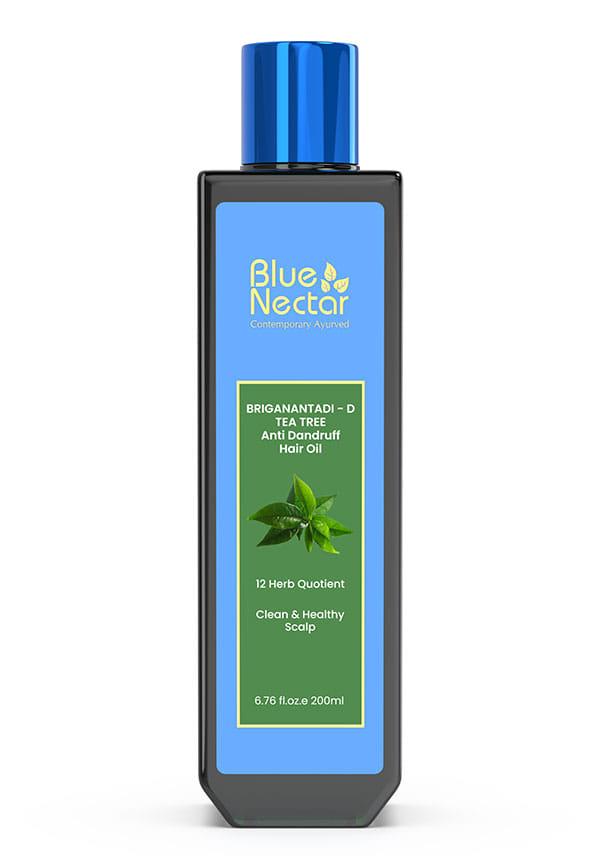
Tea Tree Anti Dandruff and Healthy Scalp Oil 12 Herbs
For a powerful antifungal mask, mix 2 tablespoons of coconut oil, 5 drops of tea tree oil, and 1 tablespoon of apple cider vinegar. Apply to your scalp, cover with a shower cap, and leave for 30 minutes before washing out with a gentle shampoo.
Always patch test natural remedies first, and never use essential oils undiluted on your scalp as they can cause chemical burns.
Seborrheic dermatitis requires a slightly different approach than other fungal infections because it's often triggered by stress, hormonal changes, and immune system fluctuations.
For seborrheic dermatitis scalp treatment, focus on reducing inflammation while controlling the Malassezia yeast overgrowth. Use an antifungal shampoo containing ketoconazole or selenium sulfide 2-3 times per week, alternating with a gentle, sulfate-free shampoo on other days.
Apply a light layer of antifungal cream to the most affected areas (usually around the hairline, behind the ears, and at the crown) once daily. Look for creams containing ketoconazole, clotrimazole, or miconazole.
Once your symptoms are under control, you'll need a maintenance routine to prevent flare-ups. Use an antifungal shampoo once weekly, and keep a gentle daily shampoo for regular use.
Identify your triggers—common ones include stress, lack of sleep, certain foods (particularly those high in sugar), and hormonal changes. Keeping a symptom diary can help you spot patterns.
Understanding realistic timelines helps you stick with treatment and know when to seek additional help.
For seborrheic dermatitis, you should see improvement within 2-4 weeks of consistent treatment. Complete clearing often takes 6-8 weeks.
Ringworm treatment typically takes 4-8 weeks with oral antifungals, though you might see improvement within 2-3 weeks. The affected hair will need to regrow, which can take several months.
General scalp yeast infections usually respond within 2-6 weeks, depending on severity and treatment compliance.
If you don't see any improvement after 4 weeks of consistent treatment, or if symptoms worsen, it's time to see a dermatologist. You should also seek immediate help if you develop fever, spreading red streaks, or if the infection appears to be getting deeper into the skin.
Preventing reinfection is just as important as treating the initial problem. Here's how to keep your scalp healthy long-term.
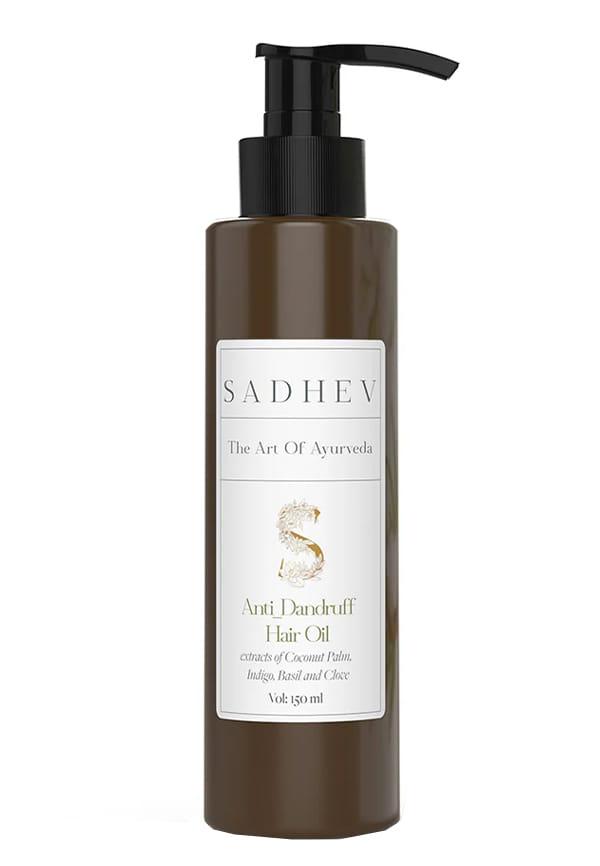
Ayurvedic Anti - Dandruff Oil - Coconut, Holy Basil & Clove 150ml
Use a gentle, pH-balanced shampoo for daily washing if you have oily hair, or every other day if your hair is dry. Avoid harsh scrubbing—let the shampoo do the work.
Keep your scalp dry after washing. Fungi thrive in warm, moist environments, so make sure to dry your hair thoroughly, especially around the hairline and behind the ears.
Manage stress through regular exercise, adequate sleep, and stress-reduction techniques. Chronic stress weakens your immune system and can trigger fungal overgrowth.
Maintain good hygiene with hair tools—clean brushes and combs regularly with antifungal shampoo, and don't share them with others.
Wash pillowcases and hats in hot water weekly during treatment and for several weeks after symptoms clear. Replace or thoroughly clean any hair accessories that came into contact with your scalp during the infection.
If you have pets, have them checked by a vet as they can carry and transmit certain scalp fungi, particularly ringworm.
The most effective approach combines proper diagnosis, consistent application of antifungal treatments, and lifestyle modifications. Start with an antifungal shampoo containing ketoconazole or selenium sulfide, used 2-3 times weekly with proper contact time. For severe cases, oral antifungals prescribed by a dermatologist may be necessary. Always complete the full treatment course even after symptoms improve.
While scalp fungus isn't typically life-threatening, it can lead to permanent hair loss, secondary bacterial infections, and significant quality of life impacts. Ringworm, in particular, can spread to other parts of your body and to other people. Early treatment prevents complications and reduces the risk of scarring or permanent bald patches.
Mild cases often respond well to over-the-counter antifungal shampoos and natural remedies like diluted tea tree oil or apple cider vinegar. However, persistent or severe infections, especially ringworm, typically require prescription treatments. Home remedies work best as complementary treatments alongside medical therapy. With Smytten's trial packs, you can test different antifungal products safely before committing to full sizes.
Regular dandruff typically involves white, dry flakes that brush off easily and responds to standard dandruff shampoos. Fungal infections often present with yellowish, greasy flakes (seborrheic dermatitis), circular patches with hair loss (ringworm), or red, inflamed areas with intense itching. Fungal infections don't improve with regular dandruff treatments and may worsen over time.
Avoid scratching or picking at affected areas, sharing hair tools or hats, using harsh chemical treatments or heat styling tools, and skipping treatment days. Also avoid oily hair products that can feed the fungus, and don't stop treatment early even if symptoms improve—complete the full course to prevent recurrence.
Effective fungal scalp treatment requires proper identification of the specific infection type, consistent application techniques, and realistic timeline expectations. The key to success lies in thorough scalp preparation, adequate contact time for treatments, and combining different approaches when necessary. Whether you're dealing with seborrheic dermatitis, ringworm, or general scalp fungus, remember that natural remedies can complement but shouldn't replace medical treatments for severe cases. Prevention through good scalp hygiene, stress management, and proper tool sanitation is crucial for long-term success. Most importantly, don't give up if you don't see immediate results—fungal infections take time to clear, but with the right approach and patience, you can achieve a healthy, comfortable scalp.
Finding the right scalp fungal treatment often involves some trial and error, which is where Smytten becomes incredibly valuable for your haircare journey. As India's largest product discovery and trial platform, Smytten connects you with over 2,400 trusted brands including specialized scalp care products from WishCare and other leading haircare brands. Instead of investing in full-size antifungal treatments that might not work for your specific condition, you can explore curated trial packs to test different formulations safely. With up to 10 Trial Points for just ₹279 and 100% cashback on trial purchases redeemable for future orders, you can experiment with various antifungal shampoos, scalp serums, and natural remedies without the financial risk. The platform's extensive coverage across 90% of pin codes means you can access authentic, brand-verified scalp treatments wherever you are in India. When you find a product that effectively treats your scalp fungus, purchasing the full-size version is just a click away in Smytten's shop. With over 28 million users trusting the platform for smarter product choices, why settle for guessing when you can #TryItAll and discover what truly works for your scalp health?
