How to Use Frizzy Hair Remedies for Smooth Hair

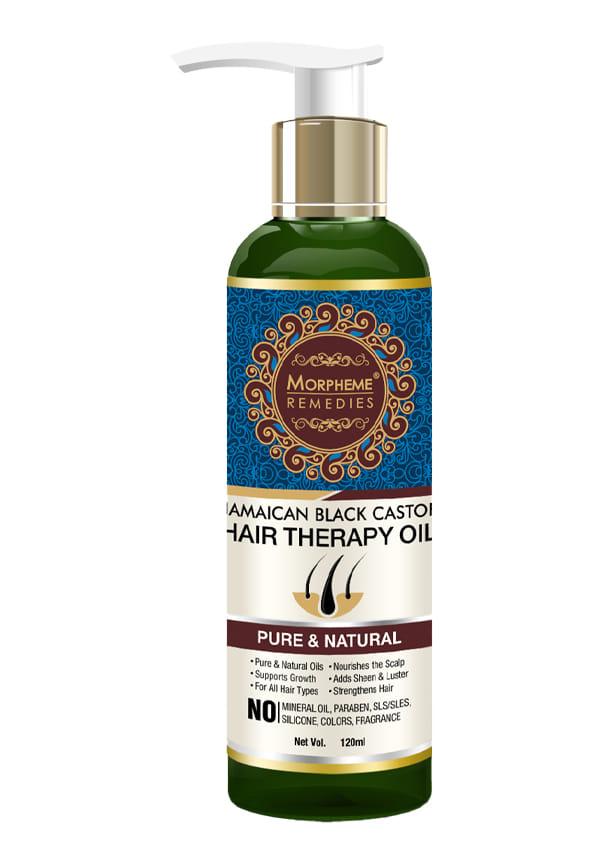
Morpheme Remedies Jamaican Black Castor Hair Therapy Oil - No Mineral Oil & Silicones
Frizzy hair can feel like your worst enemy, especially when you're rushing out the door and your hair decides to have its own rebellion. Whether it's humidity wreaking havoc on your carefully styled locks or damage from years of heat styling catching up with you, learning how to use frizzy hair remedies effectively can transform your haircare game completely. The good news? You don't need to spend a fortune on salon treatments to achieve smooth, manageable hair. From natural kitchen ingredients to professional-grade products, there are countless frizzy hair solutions that actually work when applied correctly. The key lies in understanding your hair type, choosing the right remedies, and applying them with proper technique. Smytten's extensive collection of haircare minis lets you experiment with different anti-frizz treatments without committing to full-size products, making it easier than ever to find your perfect frizz-fighting routine.
Frizz happens when hair cuticles lift due to humidity, damage, or genetics—the right remedies seal these cuticles for smoother results
Natural remedies like coconut oil, honey masks, and apple cider vinegar rinses can effectively control frizzy hair when applied correctly
Professional anti-frizz treatments offer longer-lasting results but require proper maintenance and investment
Daily haircare routines focusing on gentle washing, proper conditioning, and heat protection are crucial for frizz prevention
Quick fixes using serums, oils, and proper application techniques can tame frizzy hair in minutes for emergency situations
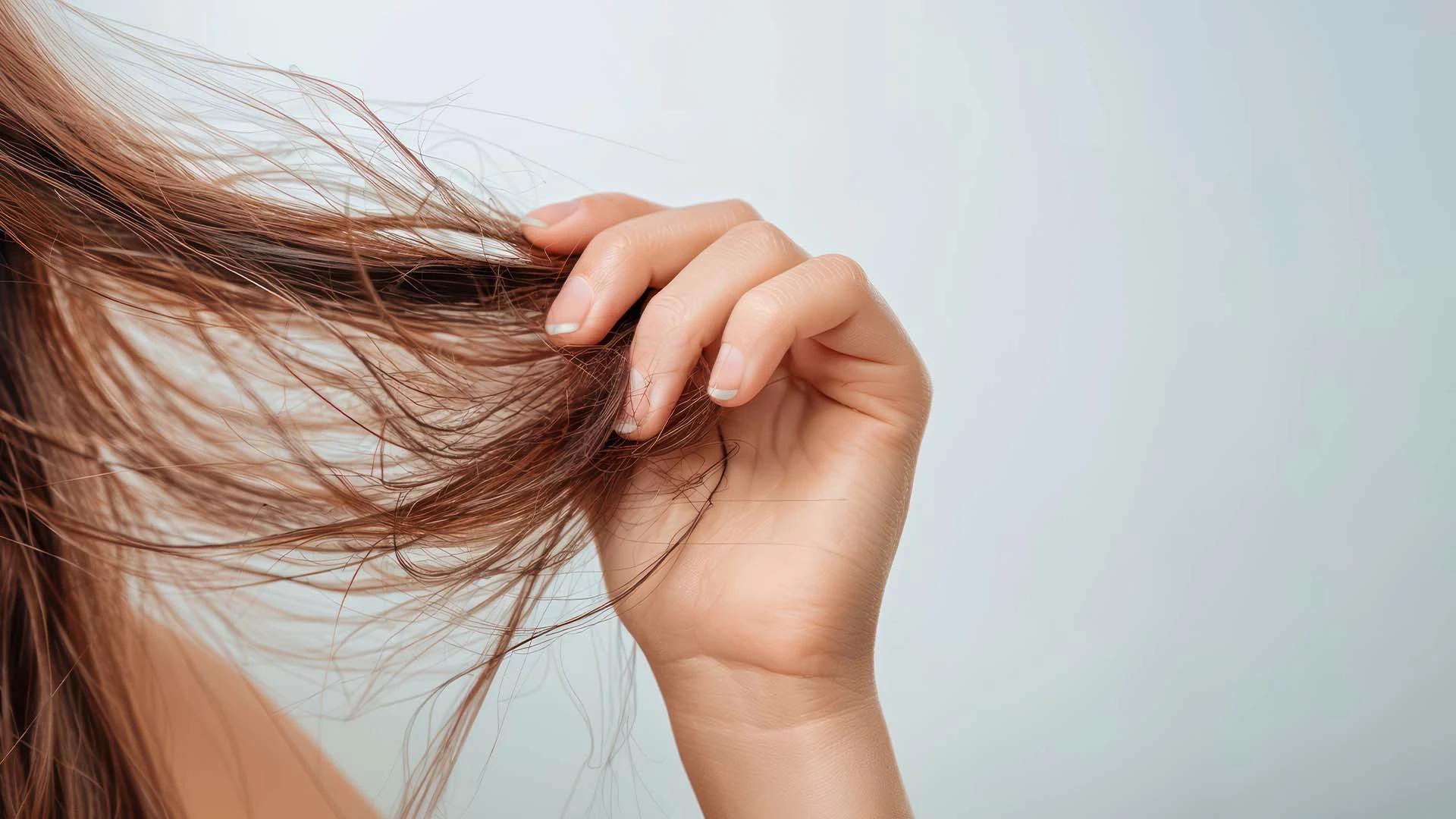
Before diving into how to use frizzy hair remedies, it's worth understanding what's actually happening to your hair. Frizz occurs when the hair cuticle—the outermost layer of your hair shaft—lifts and allows moisture from the environment to penetrate the hair strand. This causes the hair to swell and create that familiar fuzzy, unmanageable texture we all know too well.
Several factors contribute to frizzy hair, including humidity (the biggest culprit), heat damage from styling tools, chemical processing, genetics, and high hair porosity. Your hair's porosity level determines how easily moisture can enter and leave your hair shaft. High porosity hair, often caused by damage, tends to absorb moisture quickly but also loses it just as fast, leading to persistent frizz issues.
Effective frizzy hair solutions work by either sealing the hair cuticle to prevent moisture from entering, adding protective barriers to the hair shaft, or providing deep conditioning to repair damage. Understanding your specific frizz type—whether it's humidity-induced, damage-related, or genetic—helps you choose the most effective remedies for your unique situation.
Natural remedies for frizzy hair have gained popularity because they're gentle, affordable, and often surprisingly effective. The key to success with DIY treatments lies in proper application and realistic expectations about results.
Coconut oil remains one of the most effective natural remedies for frizzy hair due to its molecular structure, which allows it to penetrate the hair shaft rather than just sitting on top. To use coconut oil properly, warm a small amount between your palms and apply it to damp hair, focusing on mid-lengths and ends. Leave it on for 30 minutes to overnight before washing with a gentle shampoo.
Argan oil works differently—it's lighter and perfect for immediate frizz control without the need for washing out. Apply 2-3 drops to damp hair after washing for instant smoothing. Olive oil provides deep conditioning benefits but requires careful application to avoid greasy results. Use it sparingly on very dry hair, focusing on damaged areas.
Honey and yogurt create a powerful moisturising mask that helps smooth frizzy hair naturally. Mix two tablespoons of honey with half a cup of plain yogurt, apply to damp hair, and leave for 20 minutes before rinsing thoroughly. The proteins in yogurt help repair damage while honey provides intense moisture.
Apple cider vinegar rinses help seal the hair cuticle and reduce frizz when used correctly. Dilute one part vinegar with three parts water and use as a final rinse after shampooing. The acidic pH helps flatten the cuticle, resulting in smoother, shinier hair. Avocado oil treatments work brilliantly for extremely dry, damaged hair—mash half an avocado with a tablespoon of olive oil and apply as a deep conditioning mask.
Professional anti-frizz treatments offer longer-lasting results than DIY remedies, but they require significant investment and proper maintenance. Understanding what each treatment offers helps you make informed decisions about which option suits your lifestyle and budget.
Keratin treatments work by coating the hair shaft with protein, filling in gaps in damaged cuticles and creating a smooth surface. The process typically takes 2-4 hours and results can last 3-6 months with proper care. However, these treatments require specific aftercare, including avoiding water for 72 hours post-treatment and using sulphate-free shampoos to maintain results.
Brazilian blowouts offer similar smoothing benefits but with less processing time and immediate wash-friendly results. These treatments focus more on reducing frizz and improving manageability rather than completely straightening hair. Professional deep conditioning services provide intensive repair for severely damaged hair, often combining multiple treatments like protein masks, moisture treatments, and cuticle sealers for comprehensive frizz control.
Creating an effective daily routine is crucial for long-term frizz control. The right haircare for frizzy hair starts with gentle cleansing and continues through to styling and protection.
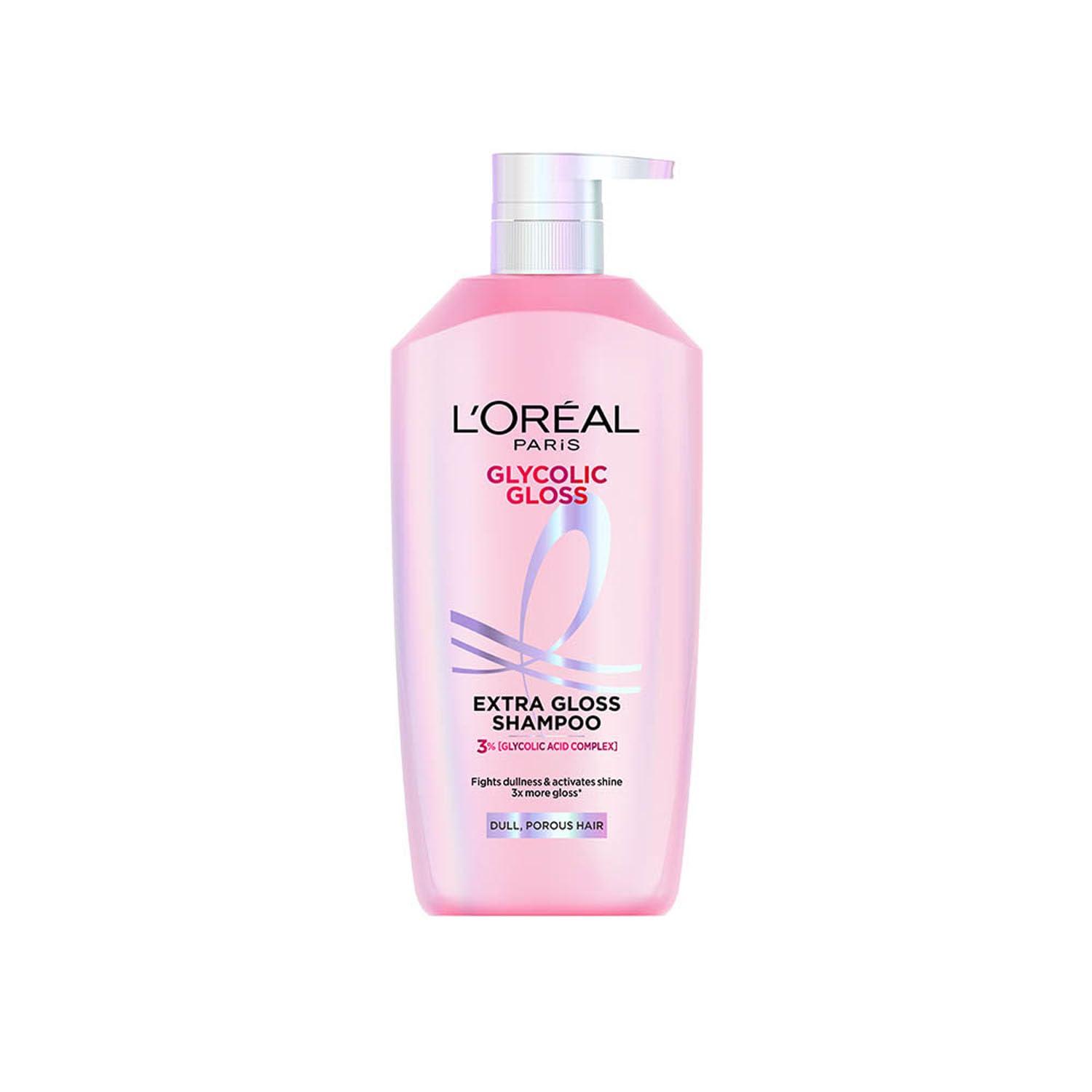
Water temperature plays a crucial role in frizz control—hot water strips natural oils and causes cuticles to lift, while lukewarm water cleanses effectively without causing damage. When selecting frizz-fighting shampoos, look for sulphate-free formulas that clean without over-stripping. The L'Oréal Paris Glycolic Gloss Shine Boosting Shampoo (800ml) offers excellent value for those seeking professional-quality cleansing that helps smooth the hair cuticle while removing buildup that can contribute to frizz and dullness.
Apply shampoo primarily to the scalp and roots, allowing the suds to gently cleanse the lengths as you rinse. Follow with a moisturising conditioner applied from mid-lengths to ends, leaving it on for 2-3 minutes before rinsing with cool water to seal the cuticle.
How you dry your hair significantly impacts frizz levels. Replace regular towels with microfiber cloths or cotton t-shirts to reduce friction and cuticle damage. The "plopping" method—wrapping wet hair in a cotton shirt for 10-15 minutes—helps absorb excess moisture without disturbing the hair's natural pattern.
Air-drying produces the least frizz but isn't always practical. When blow-drying, use a heat protectant and keep the dryer moving to prevent overheating any section. Use the cool shot button to seal the cuticle once hair is dry. For overnight frizz prevention, try loose braids or silk pillowcases to reduce friction while sleeping.
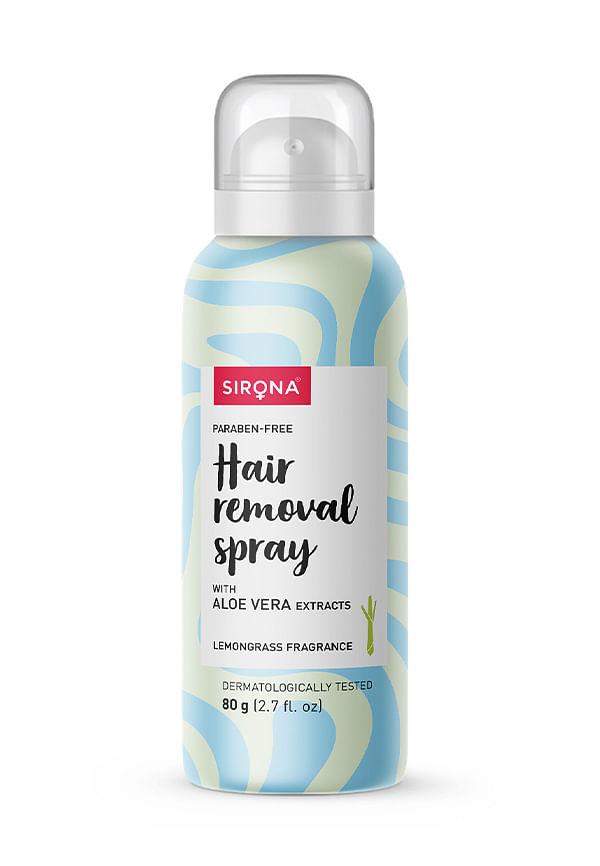
Hair Removal Spray Foam with Aloe Vera Extracts and Lemongrass Fragrance
Good Product and Delivery
 5
5“good product and delivery service”
Easy Hair Removal and Application
5“removes hair easly. loved its application and process.”
Best Product, Recommended for Girls
5“best product Hai girl Le sakte hain sab”
Sometimes you need immediate frizz reduction tips for those unexpected humid days or when your hair decides to misbehave. These quick fixes can tame frizzy hair in minutes using products you likely already have.
The spoolie brush method works wonders for targeted flyaway control. Apply a tiny amount of hair serum or oil to a clean spoolie brush and gently smooth over problem areas. This technique allows precise application without weighing down your entire head of hair. For emergency smoothing, even a small amount of hand cream can work—rub it between your palms until it's barely visible, then gently smooth over frizzy sections.
Preventive measures include carrying a small bottle of diluted leave-in conditioner for touch-ups throughout the day. Mix one part conditioner with three parts water in a spray bottle for instant moisture when humidity strikes. Keep hair ties handy for quick updos when frizz becomes unmanageable, and consider protective styles like loose buns or braids during particularly humid weather.
Selecting the best products for frizzy hair requires understanding your hair's specific needs and how different ingredients work to control frizz.
The silicone versus silicone-free debate continues in haircare, but both have their place in frizz control. Silicone-based products create an immediate smoothing effect and provide excellent humidity protection, making them ideal for special occasions or extremely humid conditions. However, they require regular clarifying to prevent buildup.
Silicone-free formulas focus on nourishing ingredients like natural oils, proteins, and humectants that provide long-term hair health benefits. When applying leave-in treatments, start with a small amount—you can always add more. Focus on mid-lengths and ends, avoiding the roots to prevent greasiness.
Hair masks should be chosen based on your hair's primary concern. Protein masks work best for damaged hair with visible breakage, while moisture masks suit dry, brittle hair. Combination masks that provide both protein and moisture offer balanced care for most frizzy hair types.
Treatment frequency depends on your hair's damage level and porosity. Highly damaged hair may benefit from weekly treatments, while healthier hair might only need bi-weekly care. Pay attention to how your hair responds and adjust accordingly—over-treating can lead to protein overload or excessive moisture, both of which can worsen frizz.
The most effective frizzy hair remedies combine multiple approaches: regular deep conditioning treatments, proper washing techniques with lukewarm water, leave-in treatments containing smoothing ingredients like argan oil or keratin, and protective styling methods. The "best" remedy varies by individual hair type, but consistent moisture and cuticle-sealing treatments typically provide the most dramatic improvements.
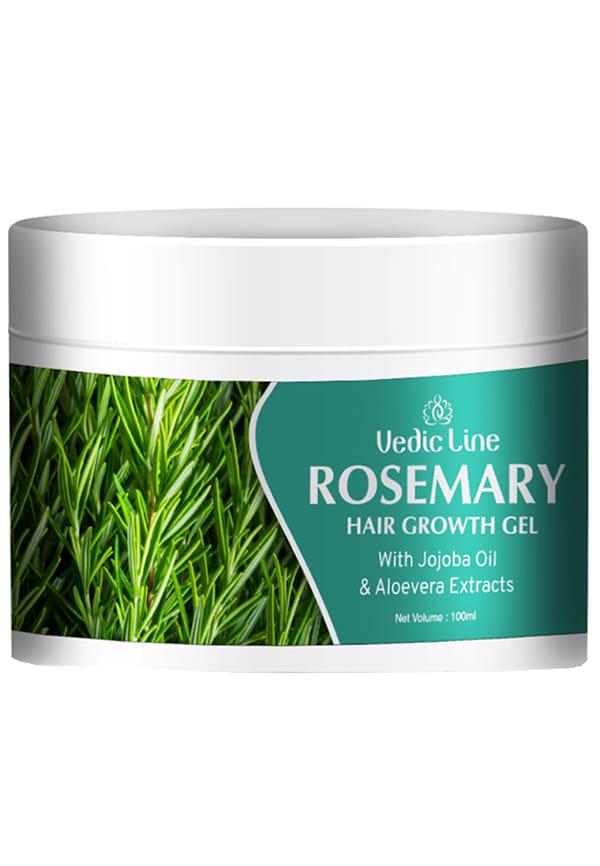
Rosemary Hair Growth Gel with Aloe Vera, Argan Oil & Jojoba Oil
For immediate frizz control, apply a small amount of hair serum or oil to damp hair, focusing on problem areas. Use a wide-tooth comb to distribute the product evenly, then either air-dry with scrunching motions or blow-dry with a diffuser attachment. Cool water rinses after washing also help seal the cuticle for instant smoothness.
Natural frizz removal relies on moisturising and cuticle-sealing ingredients. Coconut oil applied to damp hair and left for 30 minutes provides deep conditioning. Apple cider vinegar rinses (diluted 1:3 with water) help flatten the cuticle naturally. Honey and yogurt masks offer protein and moisture balance for comprehensive frizz control.
While you can't permanently change your hair's natural texture, consistent care with proper products and techniques can dramatically reduce frizz long-term. Professional treatments like keratin services provide semi-permanent smoothing for 3-6 months. With Smytten's trial packs, you can experiment with different anti-frizz treatments to find your perfect long-term solution without the commitment of full-size purchases.
Daily remedies like leave-in conditioners and light oils can be used every time you wash your hair. Deep conditioning treatments work best when used 1-2 times per week, depending on your hair's damage level. Natural oil treatments can be applied weekly for maintenance or more frequently for severely damaged hair.
Effective anti-frizz ingredients include natural oils (argan, coconut, jojoba), silicones for immediate smoothing, keratin proteins for cuticle repair, and humectants like glycerin that help maintain optimal moisture levels. Avoid harsh sulphates and alcohols that can strip natural oils and worsen frizz.
Successfully managing frizzy hair requires a multi-faceted approach that combines understanding your hair type, choosing appropriate remedies, and applying them correctly. Natural solutions like oil treatments and DIY masks can be incredibly effective when used consistently, while professional treatments offer longer-lasting results for those willing to invest in salon services.
The most important factor in any frizz-fighting routine is consistency. Whether you choose natural remedies, professional treatments, or a combination of both, regular application and proper technique make the difference between temporary fixes and lasting results. Remember that what works for one person may not work for another, so patience and experimentation are key to finding your perfect routine.
Finding the right frizzy hair remedies doesn't have to involve expensive trial and error with full-size products. Smytten is India's largest product discovery and trial platform, connecting consumers with top lifestyle, beauty, wellness, and grooming brands through curated trial packs from over 2,400 trusted brands. This approach lets you explore and experience different anti-frizz treatments before committing to full-size purchases, making it easier to discover what truly works for your unique hair needs. With 100% cashback on trial purchases redeemable in the shop section, you can experiment with various frizz-fighting solutions affordably and confidently. After all, why settle for 'maybe' when you can #TryItAll and find your perfect smooth hair routine!
