How to Use Best Frizz Control for Smooth, Frizz-Free Hair


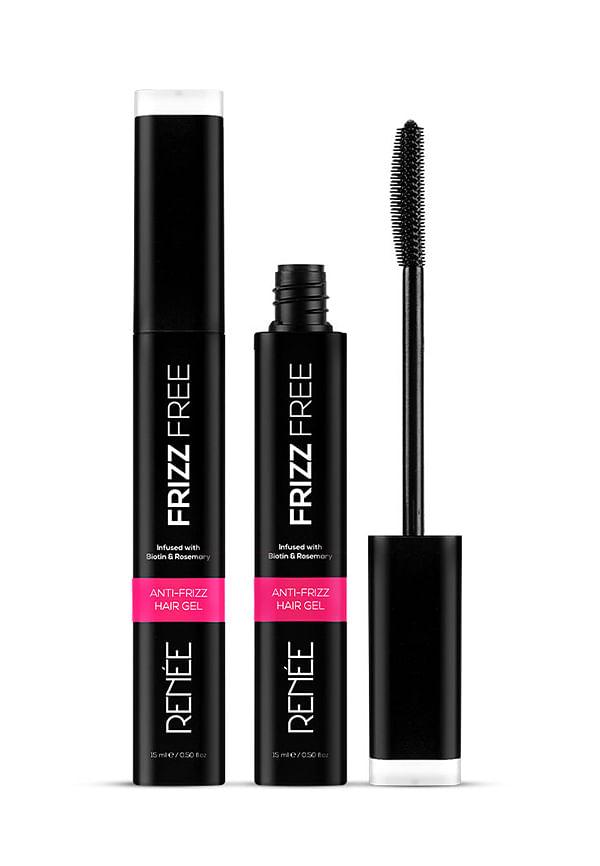
Frizz Free Anti Frizz Hair Gel
Good Quality and Service
 5
5“Quality is very good sarvise is very good 👍 e”
Makes hair silky and shiny
4“too good this makes my hair too slik and shine”
Useful for baby hairs
4“very very useful product for baby hairs”
Let's be real—frizzy hair can feel like your worst enemy, especially when humidity hits or you're rushing out the door. Whether you're dealing with stubborn flyaways, unruly curls, or that dreaded post-wash puff, learning how to use best frizz control techniques can be a total game-changer for your hair routine. The good news? You don't need to spend a fortune at the salon to achieve smooth, manageable locks. With the right approach and products, you can master frizz control at home and finally get that sleek, polished look you've been after. From understanding what causes frizz in the first place to building a foolproof routine that actually works, this guide covers everything you need to know. Plus, with platforms like Smytten offering trial-sized versions of top haircare brands, you can experiment with different anti-frizz hair products without the commitment of full-size purchases. Ready to say goodbye to bad hair days for good?
TL;DR
Frizz happens when your hair cuticles lift due to moisture imbalance, humidity, or damage—understanding your frizz type helps you choose the right treatment approach.
A proper frizz-free hair routine involves sulfate-free shampoos, deep conditioning treatments, and strategic application of serums and leave-in products.
Different hair textures need different frizz control methods—what works for straight hair might not work for curly or wavy hair.
Quick fixes like hair wax sticks, damp-hand smoothing, and strategic styling can tame frizz in minutes when you're short on time.
Consistency is key—frizz control is a marathon, not a sprint, and finding your perfect product combination takes some trial and error.
Before diving into how to use best frizz control products, it's worth understanding what's actually happening to your hair. Frizz occurs when the outer layer of your hair (the cuticle) lifts and allows moisture from the air to penetrate the hair shaft, causing it to swell and create that dreaded fuzzy texture.
Your hair cuticle is like overlapping roof tiles—when it's smooth and flat, your hair looks shiny and sleek. But when these "tiles" lift due to damage, dryness, or humidity, moisture sneaks in and disrupts your hair's natural structure. Common culprits include over-washing with harsh shampoos, excessive heat styling, chemical treatments, and even genetics. Understanding this helps you target the root cause rather than just treating the symptoms.
Not all frizz is created equal, and knowing your specific type helps you choose the right approach. Surface frizz appears as flyaways and can often be tamed with lightweight serums, whilst internal damage requires deeper conditioning treatments. Curly hair frizz control focuses on defining natural texture, whereas straight hair typically needs smoothing and humidity protection. Seasonal changes also play a role—your summer frizz routine might look completely different from your winter one.
Building an effective frizz-fighting arsenal starts with understanding which products actually work and how to use them properly. The key is finding the right balance of moisture, protein, and protection for your specific hair type.
Your shampoo sets the foundation for everything that follows, so choosing wisely is crucial. Look for sulfate-free formulas that cleanse without stripping your hair's natural oils—harsh detergents are often the biggest frizz culprits. Moisturising shampoos work well for most frizzy hair types, but if you have product buildup, occasional clarifying is necessary. Most people with frizzy hair benefit from washing 2-3 times per week rather than daily.
Serums and leave-in treatments are your daily frizz-fighting heroes. Silicone-based serums create a protective barrier against humidity, whilst natural oil-based options provide deep nourishment. The trick is applying them to damp hair for even distribution and using just enough to coat your strands without weighing them down. Layering different products can work, but start with less and build up gradually.
Weekly deep conditioning treatments are non-negotiable for frizz control. Your hair needs regular moisture infusions to keep cuticles smooth and manageable. Protein treatments help repair damage, but too much protein can make hair brittle, so balance is key. Whether you choose DIY masks or professional treatments, consistency matters more than expensive ingredients.
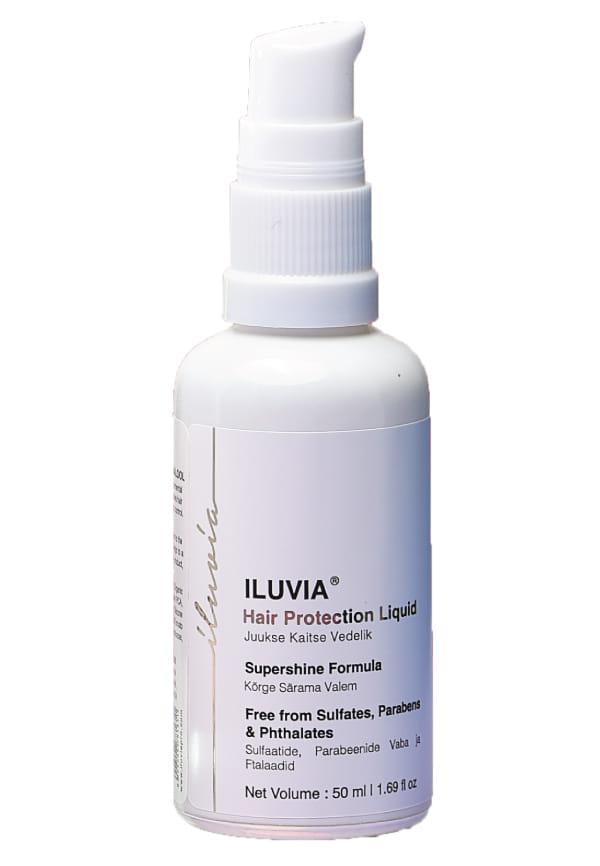
Hair Protections Liquid | Frizz control with super shiny hair + Heat Protection
Creating a systematic approach to frizz control makes all the difference. This routine works for most hair types but can be adjusted based on your specific needs and texture.
Start your routine before you even step into the shower. Gently detangle dry hair with a wide-tooth comb or detangling brush, working from ends to roots. If your hair is particularly dry or damaged, apply a protective oil treatment 30 minutes before washing—coconut, argan, or jojoba oils work brilliantly for this.
Use lukewarm water rather than hot—excessive heat opens cuticles and encourages frizz. Apply shampoo mainly to your scalp and roots, letting the suds cleanse your lengths as you rinse. Follow with conditioner from mid-length to ends, leaving it on for 3-5 minutes before rinsing with cool water to seal the cuticles.
This is where the magic happens. Gently squeeze excess water from your hair with a microfiber towel or cotton t-shirt—never rub vigorously. Apply your leave-in treatment and frizz control serum to damp hair, using a praying hands motion or gentle scrunching for curly hair. The key is working quickly whilst your hair is still damp for maximum product absorption.
Once you've mastered the basics, these advanced techniques can take your frizz control game to the next level. Different hair textures have unique needs, so tailor your approach accordingly.
Natural ingredients can be surprisingly effective for frizz control. Apple cider vinegar rinses help balance your hair's pH and smooth cuticles—mix one part vinegar with three parts water and use as a final rinse. Aloe vera gel provides lightweight moisture without heaviness, making it perfect for fine, frizzy hair. These natural humidity hair solutions work especially well when combined with your regular routine.
High humidity days require strategic planning. Anti-humidity styling products create a barrier against moisture, but they work best when applied to completely dry hair. Protective hairstyles like braids, buns, or sleek ponytails can shield your hair from environmental factors. Keep travel-sized touch-up products handy for unexpected weather changes.
When done correctly, heat styling can actually help control frizz. Always use a heat protectant and start with the lowest effective temperature. For blow-drying, use a diffuser for curly hair or a round brush for straight styles, always directing airflow down the hair shaft. Finish with a cool shot to seal cuticles and lock in your style.

Hair Finishing Stick - Flyaway Natural Styling Frizz Control
Long lasting product
5“Omg , this product suprised me. Its stays for hours ”
Good and easy to apply
5“....it's good and easy to apply..”
Positive platform experience
5“Good work thank you smytteen I loved it..”
Life happens, and sometimes you need emergency frizz control. These quick fixes can save the day when you're running late or dealing with unexpected weather changes.
Hair wax sticks are brilliant for taming flyaways and surface frizz—just smooth them over problem areas. The damp hands technique works surprisingly well: lightly wet your hands and gently smooth over frizzy sections. Strategic hair accessories like headbands, scarves, or clips can disguise frizz whilst looking intentionally stylish.
Keep travel-sized frizz control serum in your bag for quick touch-ups. Multi-purpose styling creams can refresh your style without making hair greasy. For curly hair, a spray bottle with diluted leave-in conditioner can reactivate products and revive your curls throughout the day.
Understanding when to invest in professional treatments versus DIY options helps you make smart decisions about your haircare budget and time.
Keratin treatments and similar smoothing services can provide months of frizz control, but they're a significant investment. Professional deep conditioning treatments use high-quality ingredients and techniques that are hard to replicate at home. Consider seeing a stylist if your frizz is severe, you're dealing with significant damage, or you want a major change to your hair's texture.
Kitchen ingredient hair masks can be surprisingly effective and budget-friendly. Avocado, honey, and egg masks provide deep conditioning, whilst mayonnaise (yes, really) can smooth cuticles. Create a weekly treatment schedule that alternates between moisture and protein, and be patient—natural treatments take time to show results.
Even with the best intentions, certain habits can sabotage your frizz control efforts. Avoiding these common mistakes can dramatically improve your results.
More isn't always better when it comes to frizz control products. Over-applying serums and oils can weigh hair down and create greasiness. Mixing incompatible products (like oil-based and water-based formulas) can cause them to separate and become ineffective. Always read product instructions and start with less than you think you need.
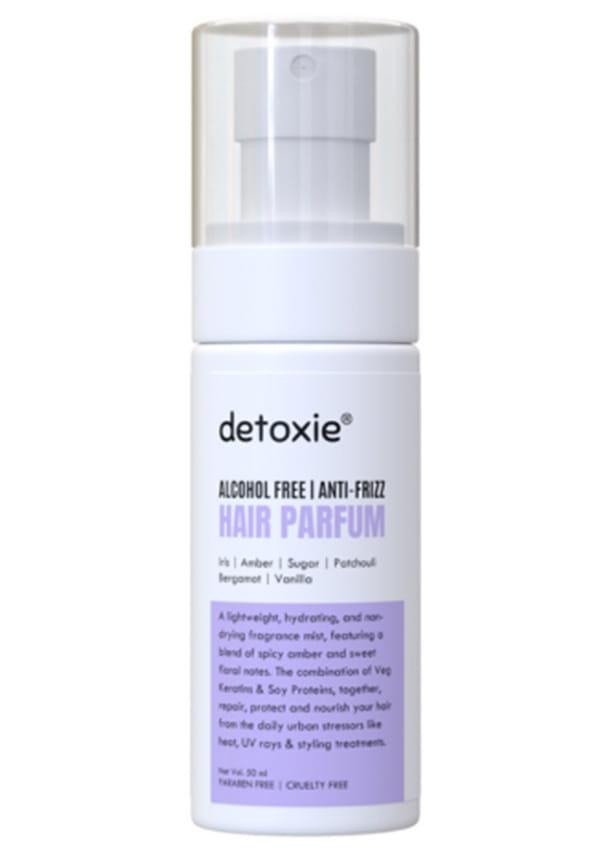
Alcohol Free Anti-Frizz Hair Parfum
Nice product with good fragrance
4“Its nice product with good fragrance”
Positive Product Review
5“good for use. smells nice. can order again.”
Rough towel drying is one of the biggest frizz culprits—the friction lifts cuticles and creates texture. Over-brushing wet hair when it's most vulnerable can cause breakage and frizz. Using heat tools without proper protection or at temperatures that are too high can permanently damage your hair's structure.
The best approach combines proper cleansing with sulfate-free shampoo, regular deep conditioning, strategic product application to damp hair, and protective styling techniques. Consistency is more important than expensive products—stick to a routine that works for your hair type and texture.
Apply frizz control serum to damp (not soaking) hair, starting from mid-length to ends and avoiding the roots. Use a praying hands motion for even distribution, then gently scrunch or smooth depending on your hair texture. Less is more—you can always add more product, but it's harder to remove excess.
Yes, natural oils like argan, coconut, and jojoba can help smooth cuticles and provide moisture that reduces frizz. However, they work best as pre-wash treatments or mixed with other products rather than applied alone to dry hair, which can look greasy.
Most hair types benefit from weekly deep conditioning treatments. If your hair is severely damaged or chemically treated, you might need twice-weekly treatments initially. Fine hair may only need bi-weekly treatments to avoid weighing hair down.
While you can't permanently change your hair's natural texture, consistent care and the right products can dramatically reduce frizz and make it much more manageable. Professional treatments like keratin can provide long-lasting smoothness, but they're temporary and require maintenance.
Curly hair frizz control focuses on defining natural texture and providing moisture, often using heavier creams and avoiding brushing when dry. Straight hair typically needs lightweight smoothing products and techniques that don't weigh hair down or create greasiness. Both benefit from humidity protection, but the application methods differ.
Mastering frizz control is all about understanding your hair's unique needs and building a consistent routine around them. The most effective approach combines proper cleansing, regular conditioning, strategic product application, and protective styling techniques. Remember that different hair textures require different methods—what works for your friend's straight hair might not work for your curly locks. Quick fixes can save the day in emergencies, but long-term frizz control comes from consistent care and the right product combination. Don't be afraid to experiment with different techniques and products until you find your perfect routine. Most importantly, be patient with the process—healthy, frizz-free hair is a journey, not a destination.
Finding the perfect frizz control routine often involves trying different products and techniques until you discover what works best for your unique hair type. This is where Smytten becomes your perfect haircare companion, offering trial-sized versions of top anti-frizz products from trusted brands like Love, Beauty & Planet, WishCare, and many others. With over 2,400 brands available and the ability to try before you buy, you can experiment with different frizz control serums, shampoos, and treatments without the commitment of full-size purchases. The platform's 100% cashback on trial minis makes it incredibly affordable to test multiple products and build your ideal frizz-fighting arsenal. Whether you're looking for the best shampoo for frizzy hair or hunting for that perfect humidity-defying serum, Smytten's extensive collection ensures you'll find products that actually work for your hair. After all, why settle for maybe when you can #TryItAll and discover your perfect frizz-free routine?
