How to Use Argan Oil for Hair Growth and Shine

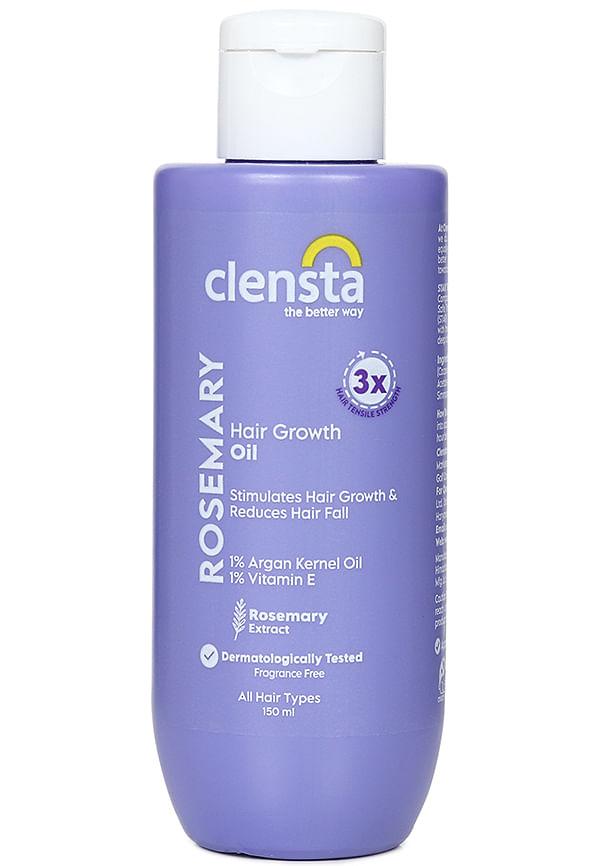
Rosemary Hair Growth Oil With Argan Oil & Vitamin E For Reducing Hair Fall, Strengthens Hair & Breakage
Picture this: you're scrolling through your feed, seeing all those gorgeous hair transformations, and wondering how everyone seems to have figured out the secret to glossy, healthy-looking hair. Well, here's the thing—argan oil might just be that missing piece you've been searching for. This golden liquid from Morocco has been making waves in the beauty world, and honestly, it's not just hype. From taming frizz to potentially supporting hair growth, argan oil has become the multitasking hero that works for hair, face, and body. Let's dive into how to use argan oil properly so you can get the most out of this versatile beauty staple.
Real talk—not all oils are created equal, and argan oil has some pretty impressive credentials. This Moroccan oil is packed with vitamin E, essential fatty acids, and antioxidants that your hair and skin actually crave. What makes it stand out from other hair oils is its lightweight texture and non-comedogenic properties, meaning it won't clog your pores when you use it on your face.
The magic happens because argan oil closely mimics your skin's natural sebum, which is why it absorbs so well without leaving that greasy residue. Unlike heavier oils like coconut or castor oil, argan oil benefits include being suitable for pretty much every hair type—from fine, straight hair to thick, curly textures. It's also cold-pressed, which means all those good-for-you nutrients stay intact.
When you're comparing argan oil to other popular hair oils, it's like comparing a Swiss Army knife to a regular knife—both do the job, but one's way more versatile. Coconut oil can be too heavy for fine hair, and jojoba oil, while lovely, doesn't have the same level of vitamins and antioxidants. Argan oil strikes that perfect balance of being nourishing without being overwhelming.
Here's where things get interesting—there are actually several ways to incorporate argan oil into your haircare routine, and the method you choose depends on what you're trying to achieve. Whether you're looking to support hair growth, add shine, or just tame those pesky flyaways, the application technique matters.
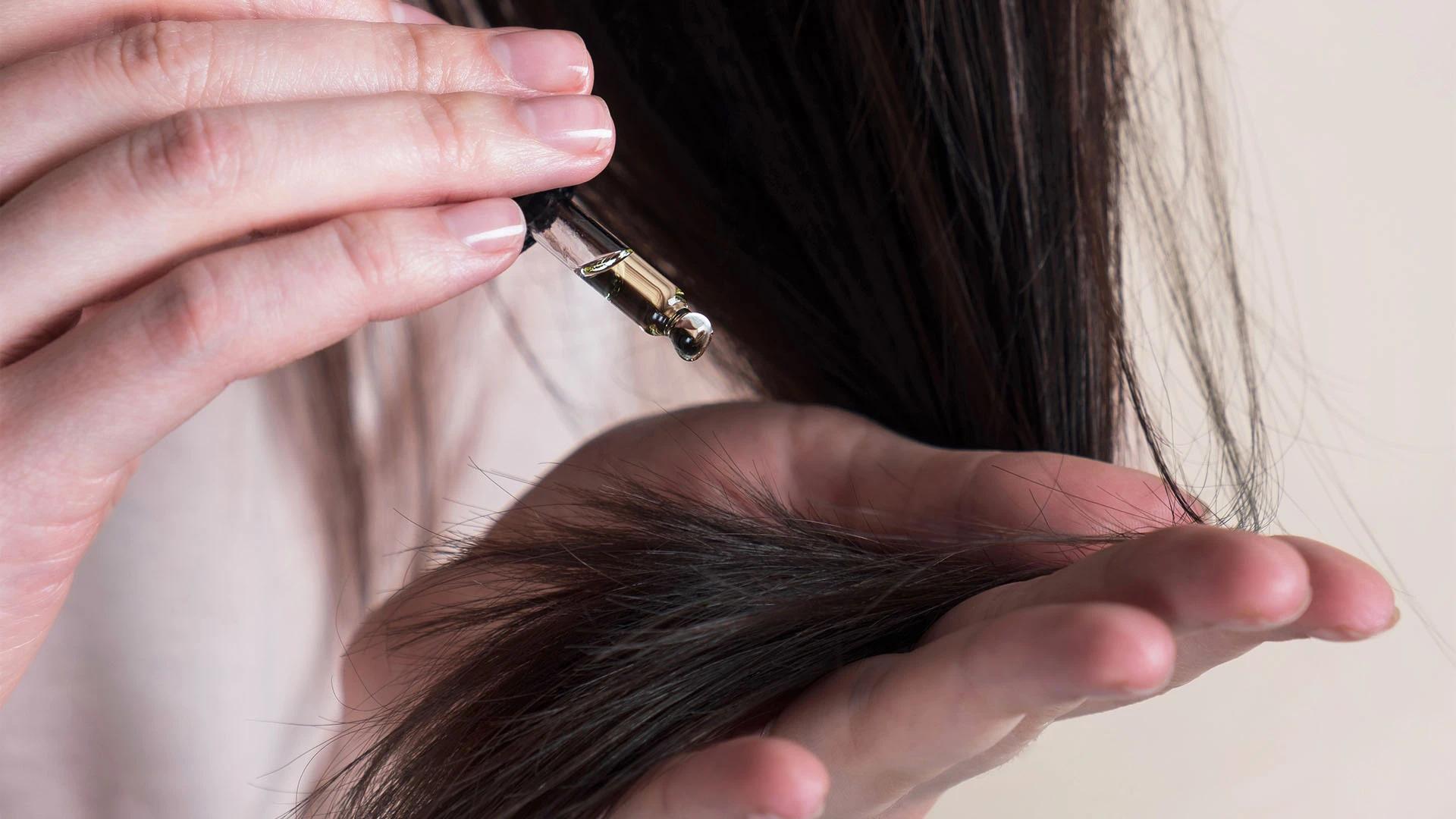
This is your go-to method when your hair needs some serious TLC. Start with dry hair and apply a generous amount of argan oil from roots to tips—don't be shy here. Massage it into your scalp using circular motions to boost circulation, then work it through the lengths of your hair. Pop on a shower cap and leave it for at least 30 minutes, though overnight works even better if you're feeling ambitious. Shampoo as usual afterwards, and you might need to wash twice to remove all the oil.
This is perfect for daily use and where most people see the best results for shine and manageability. After washing your hair, gently towel-dry until it's damp but not dripping. Take 3-5 drops of argan oil (seriously, start small—you can always add more) and rub it between your palms. Apply it to the mid-lengths and ends of your hair, avoiding the roots unless you have very dry hair. Style as usual.
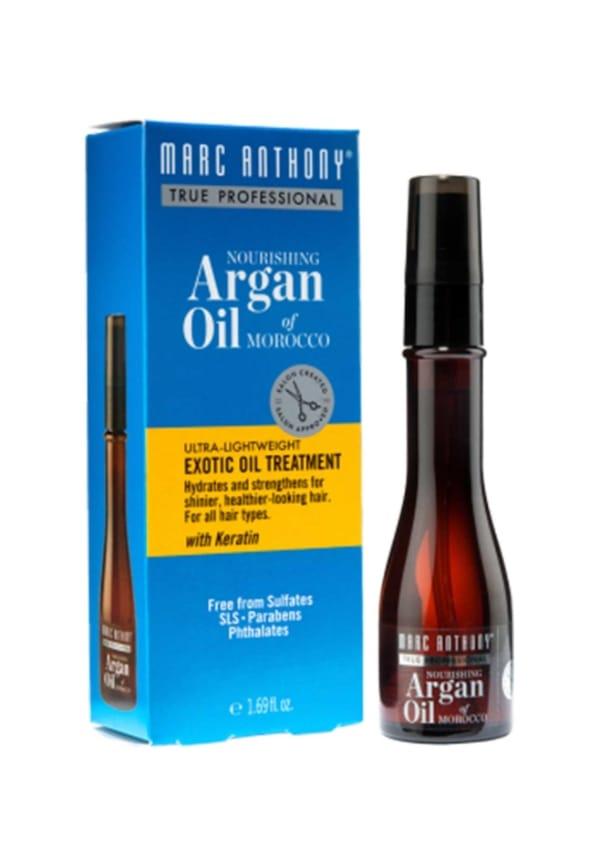
Nourishing Argan Oil Exotic Oil Treatment
Got frizz? Flyaways making you look like you've been rubbing a balloon on your head? One or two drops of argan oil can sort that right out. Warm it between your palms and lightly smooth over your hair. This technique also works brilliantly as heat protection before using styling tools, though it's not a replacement for dedicated heat protectants.
Here's something that might surprise you—argan oil for face care is just as game-changing as it is for hair. Because it's non-comedogenic, it won't break you out, making it suitable for most skin types, including acne-prone skin. The key is knowing how much to use and when to apply it.
For your morning routine, cleanse and tone first, then apply 2-3 drops of argan oil to your face and neck. Gently massage it in using upward circular motions—this isn't just about the oil, it's about boosting circulation too. You can follow with your usual moisturiser if needed, though many people find argan oil provides enough hydration on its own.
This is where argan oil really shines for skin care. At night, your skin goes into repair mode, and argan oil's antioxidants can support this natural process. Apply it as the last step in your evening routine, using slightly more than you would in the morning—about 4-5 drops should do it. The vitamin E and essential fatty acids work overnight to help maintain skin elasticity and hydration.
Don't limit yourself to just face and hair—argan oil uses extend to your entire body. It's brilliant for dry elbows, cuticles, and even stretch marks. The lightweight formula means it absorbs quickly without leaving you feeling sticky, making it perfect for daily use.
The biggest mistake people make with argan oil? Using too much. This isn't a case where more equals better results. In fact, overusing argan oil can leave your hair looking greasy and your skin feeling heavy. Start with less than you think you need—you can always add more.
For hair, your starting point should be based on length and thickness. Fine, shoulder-length hair needs maybe 2-3 drops, while thick, long hair might need 6-8 drops. Always warm the oil between your palms before applying—this helps it distribute more evenly and absorb better.
When you apply argan oil matters almost as much as how much you use. For hair growth support, evening applications work best because that's when your body does most of its repair work. For styling and frizz control, apply to damp hair rather than bone-dry hair—the moisture helps the oil distribute more evenly.
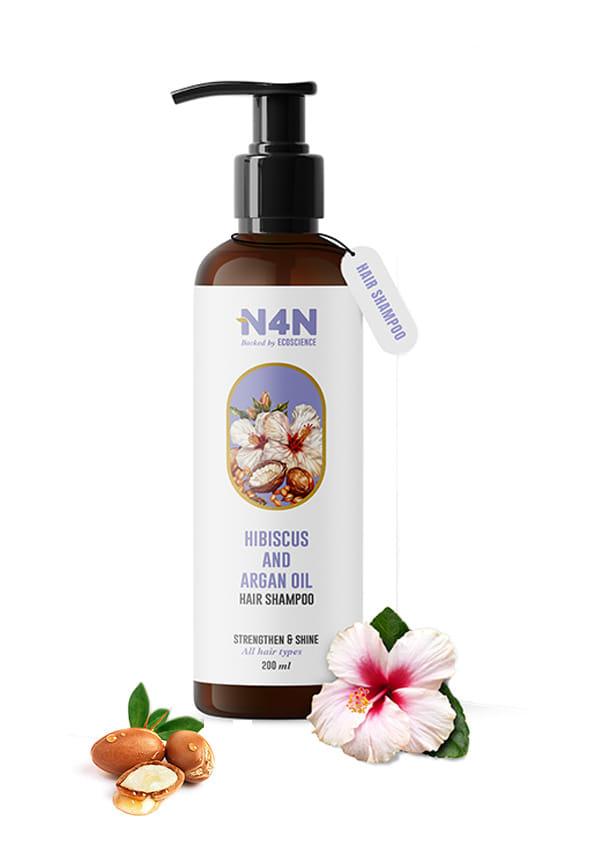
Hair Shampoo | Hibiscus And Argan Oil | Strengthen & Shine
Not all argan oils are created equal, and this is where you really need to pay attention. The best argan oil should be golden in colour (not clear), have a subtle nutty scent, and feel lightweight, not thick or sticky. If it's completely odourless or has a strong, unpleasant smell, it's probably been heavily processed or mixed with other oils.
Let's address the elephant in the room—yes, you can definitely overdo it with argan oil. If your hair looks greasy or feels weighed down after application, you're using too much. The fix is simple: use less next time and make sure you're applying it to damp, not wet hair.
Another common mistake is applying argan oil to dirty hair or skin. While it's not going to cause any harm, you won't get the best results. Clean hair and skin absorb the oil better, meaning you get more benefits from less product.
Argan oil can last up to two years if stored properly, but heat and light are its enemies. Keep it in a cool, dark place—your bathroom cabinet is perfect. If the oil starts to smell rancid or changes colour significantly, it's time to replace it.
Your hair type determines not just how much argan oil to use, but also how to apply it for the best results. Curly and textured hair tends to be naturally drier, so it can handle more oil and benefits from root-to-tip application. The oil helps define curls and reduces frizz without weighing them down.
Fine or thin hair requires a lighter touch. Focus on the mid-lengths and ends, avoiding the roots entirely to prevent your hair from looking flat. If you have oily roots but dry ends, this targeted application is your friend.
If your hair has been through the wringer with colouring, bleaching, or heat styling, argan oil treatment can be particularly beneficial. The antioxidants and fatty acids help repair damage and protect against further harm. For severely damaged hair, consider doing intensive treatments twice a week rather than daily light applications.
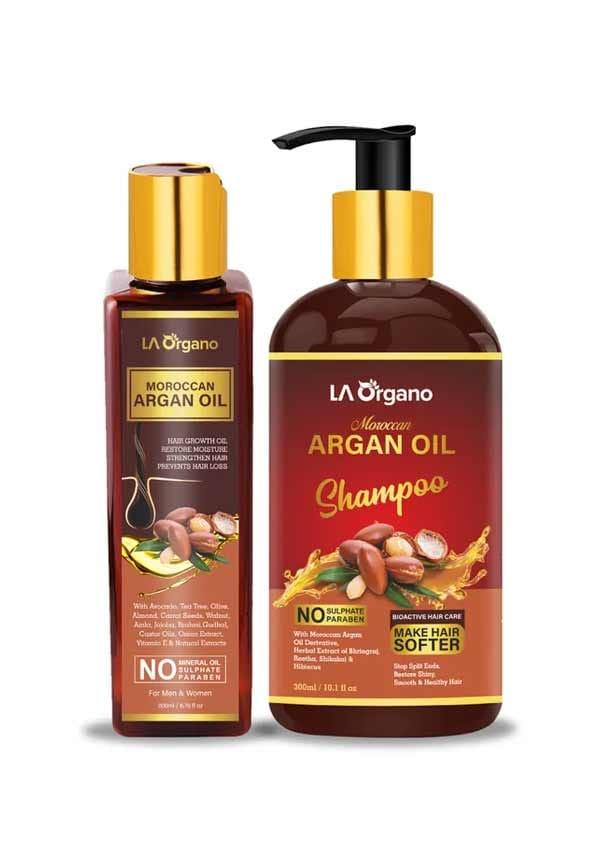
Argan Hair Oil & Shampoo For Hair Growth,Smooth & Shiny Hair
Yes, you can use argan oil daily, but start with every other day to see how your hair responds. Daily use works best as a leave-in treatment with just a few drops, rather than heavy applications. If your hair starts looking greasy or feeling weighed down, reduce the frequency or amount you're using.
For best results, apply argan oil to damp, towel-dried hair rather than soaking wet or completely dry hair. Damp hair helps the oil distribute evenly without using too much product. If you're doing a pre-shampoo treatment, dry hair is fine since you'll be washing it out anyway.
While argan oil won't magically make your hair grow faster, it can create better conditions for healthy hair growth by keeping your scalp moisturised and reducing breakage. The vitamin E and antioxidants support scalp health, which is essential for strong, healthy hair growth.
Yes, argan oil is non-comedogenic, meaning it won't clog your pores. In fact, it can help balance oil production in acne-prone skin. Start with just one drop and see how your skin responds before increasing the amount.
For immediate benefits like shine and frizz control, you'll see results right away. For longer-term benefits like improved hair texture and potential growth support, give it at least 4-6 weeks of consistent use to notice significant changes.
Argan oil really is worth the hype, but like any good thing, it's all about using it correctly. Start small, be consistent, and pay attention to how your hair and skin respond. Whether you're using it as a leave-in conditioner, a face moisturiser, or an intensive hair treatment, the key is finding the right amount and application method for your specific needs.
Remember, quality matters—invest in pure, cold-pressed argan oil for the best results. And don't expect overnight miracles; the best benefits come from consistent, proper use over time. With the right approach, argan oil can become that multitasking hero in your beauty routine that actually delivers on its promises.
Want to try argan oil without committing to a full-size bottle? Smytten offers trial-size versions of many argan oil products from trusted brands—a smart way to test what works for your hair and skin before investing in the full-size version.
