How to Use a Straightening Brush for Smooth, Sleek Hair
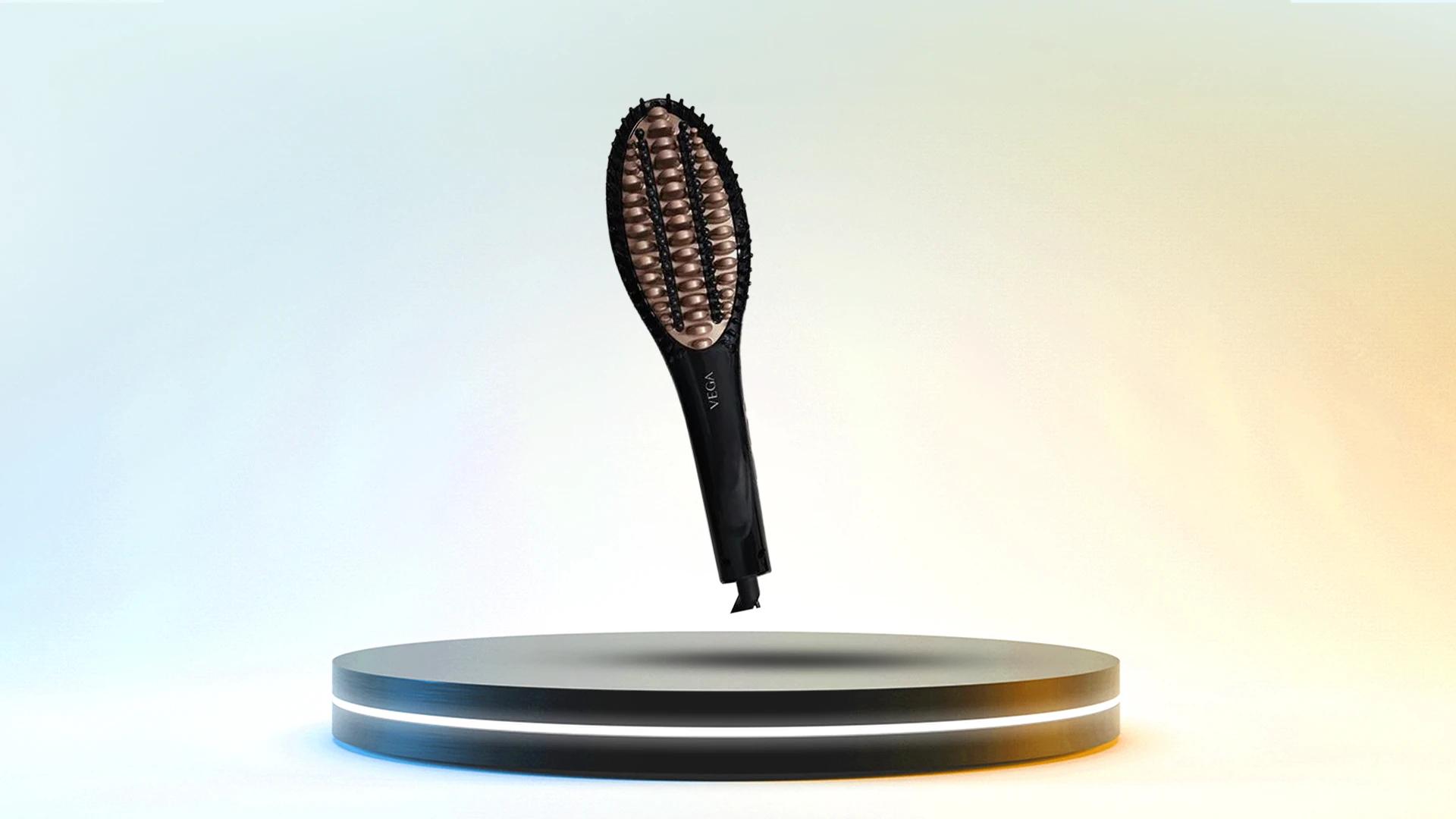

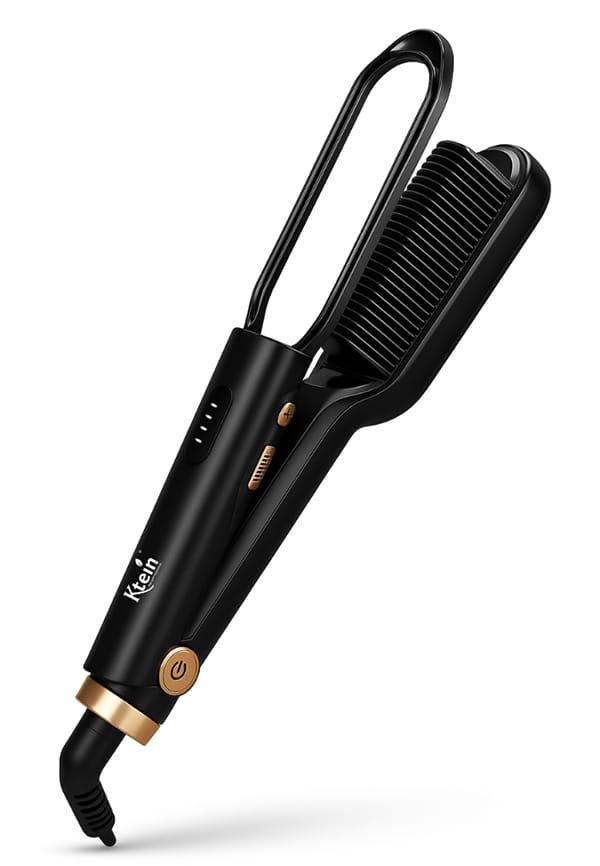
Professional Hair Straightener Comb Brush for Women
If you've been dreaming of salon-smooth hair without the hassle of multiple tools, a straightening brush might just be your next fave styling companion. Think of it as the perfect middle ground between a traditional flat iron and your regular hairbrush – it gives you sleek, straight strands with way less effort and time. Whether you're dealing with frizzy mornings or want to switch up your curly hair routine, mastering this tool could be a total game-changer. Let's dive into everything you need to know about using a straightening brush to get those gorgeous, smooth results you've been after.
Not all straightening brushes are created equal, and knowing what sets them apart can help you pick the right one for your hair type. The technology behind these tools makes all the difference in how your hair turns out.
A ceramic hair straightening brush distributes heat evenly across the bristles, which means less chance of hot spots that could damage your hair. Ceramic is brilliant for maintaining consistent temperature and reducing frizz naturally. On the flip side, an ionic hair straightening brush releases negative ions that break down water molecules in your hair, sealing the cuticle for extra shine and smoothness.
The bristles on your electric hair straightener brush come in different materials and configurations. Mixed bristles (ceramic and nylon) work well for most hair types, whilst pure ceramic bristles are gentler on fine hair. The spacing between bristles also affects how much hair you can grab and straighten in one pass.
Look for a heated hair brush straightener with adjustable temperature settings. Fine hair typically needs lower heat (around 150-180°C), whilst thick or coarse hair can handle higher temperatures (up to 200°C). Digital displays and quick heat-up times are definitely worth having.
Proper preparation is honestly half the battle when it comes to getting smooth, sleek results. Your hair needs to be in the right condition before you even switch on your straightening brush.
This one's non-negotiable – never use a straightening brush on damp or wet hair. The combination of heat and moisture can cause serious damage and won't give you the smooth finish you're after. Make sure your hair is 100% dry before you begin.
A good heat protectant is your hair's best friend when using any heated styling tool. Look for products that offer protection up to 200°C and apply them evenly throughout your hair. This creates a barrier between your strands and the heat, preventing damage and keeping your hair healthy.
Brush through your hair with a regular detangling brush to remove any knots or tangles. Starting with smooth, tangle-free hair means your straightening brush can glide through easily without pulling or snagging.
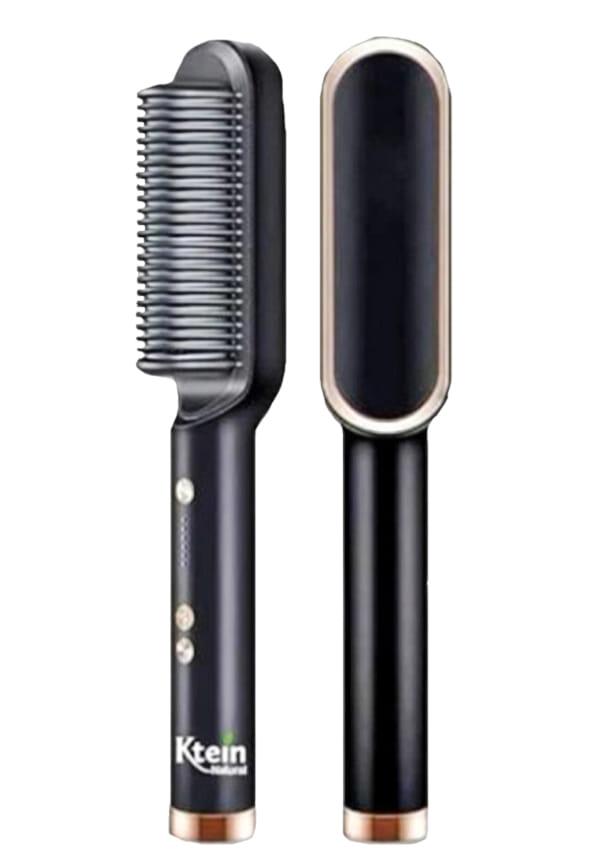
Hair Straightener Brush
Now for the fun part – actually using your straightening brush to create those smooth, sleek strands. Follow these steps and you'll be amazed at how easy it can be.
Divide your hair into manageable sections, starting from the bottom and working your way up. Smaller sections give you more control and better results, especially if you have thick or curly hair. Use clips to keep the sections you're not working on out of the way.
Start at the roots and slowly glide the brush down to the ends in one smooth motion. Don't rush this part – the slower you go, the straighter your hair will be. Keep the brush moving to avoid creating creases or heat damage in one spot.
For fine or damaged hair, stick to lower temperatures (150-170°C). Thick, coarse, or very curly hair might need higher heat (180-200°C) to get straight. When in doubt, start low and increase gradually if needed.
Always brush from the roots down to the ends in one continuous motion. This helps seal the hair cuticle and creates that smooth, shiny finish. Going against the grain or stopping midway through a section can cause frizz and uneven results.
Your hair type plays a huge role in which straightening brush will work best for you. What works brilliantly for your mate with fine hair might not be your kind of pick if you've got thick, curly locks.
A hair straightening brush for curly hair needs to be powerful enough to smooth out those natural curves without multiple passes. Look for brushes with wider tooth spacing and higher heat settings. The key is taking smaller sections and going slowly to give the heat time to work its magic.
If you've got fine hair, you'll want a brush with lower heat settings and gentler bristles. Too much heat can damage delicate strands, whilst overly aggressive bristles can cause breakage. Ceramic technology is usually the safest bet for fine hair types.
Thick hair needs a brush that can handle the volume and density. Look for brushes with higher wattage for more power, and don't be afraid to use higher heat settings. You might need to go over sections twice, but that's totally normal for thick hair.
Flat Hair Brush for Men & Women, Color May Vary (R4-FB )
Even with the right technique, there are some pitfalls that can mess up your straightening game. Avoiding these common mistakes will help you get better results every time.
Whilst heat protectant is essential, using too much can weigh your hair down and prevent the brush from working effectively. A light, even application is all you need – your hair should feel protected but not coated.
The biggest mistake people make is trying to rush through the straightening process. Moving too quickly means the heat doesn't have time to properly smooth your hair, leading to frizzy, uneven results. Take your time and let the brush do its work.
Taking sections that are too large means the brush can't reach all your hair evenly. This leads to some strands being perfectly straight whilst others remain frizzy or curly. Smaller sections take longer but give much better results.
Looking after your straightening brush properly will help it last longer and perform better. Regular maintenance is worth the effort when you consider how much these tools can cost.
Clean your brush after every few uses to remove product buildup and hair residue. Use a soft cloth to wipe down the bristles when the brush is cool, and occasionally use a brush cleaning solution designed for heated tools.
Always let your brush cool completely before storing it away. Many brushes come with heat-resistant mats or cases – use them to protect both your brush and your surfaces. Never wrap the cord tightly around the brush as this can damage the wiring.
If your brush stops heating evenly, the bristles become damaged, or the cord shows signs of wear, it's time for a replacement. A damaged brush can be dangerous and won't give you the results you're after.
Using any heated styling tool comes with some risk of damage, but there are ways to minimise this whilst still getting gorgeous results. Your hair's health should always come first.
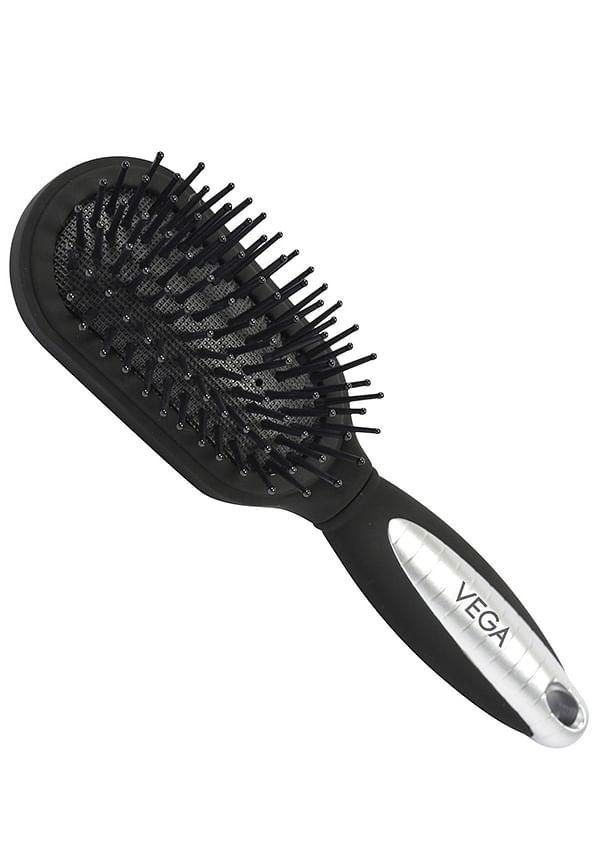
Mini Cushioned Hair Brushfor Men & Women, All Hair Types (R7-CB)
Never use the highest setting just because it's there. Most hair types can achieve great results at moderate temperatures. If you're not getting the straightness you want, try going slower rather than turning up the heat.
Daily heat styling can damage even the healthiest hair. Try to give your hair breaks between straightening sessions, and consider air-drying or heatless styling methods on some days.
Regular deep conditioning treatments can help repair and prevent heat damage. Look for masks specifically designed for heat-styled hair, and use them weekly to keep your strands healthy and strong.
Finding the right haircare products to complement your styling routine doesn't have to involve guesswork. Smytten offers curated trial packs from over 1,500 trusted brands, letting you test different heat protectants and conditioning treatments before committing to full sizes. With mini products available for just ₹249 and 100% cashback redeemable for future purchases, you can discover your perfect haircare routine without the financial commitment.
Straightening brushes work well on most hair types, but results vary. They're particularly effective for wavy to moderately curly hair and brilliant for smoothing frizz. Very tightly curled or extremely thick hair might need multiple passes or a traditional flat iron for pin-straight results.
Absolutely not! Using any heated styling tool on wet or damp hair can cause serious damage and won't give you the smooth results you want. Always make sure your hair is completely dry before using a straightening brush.
This depends on your hair type and condition, but daily use isn't recommended for most people. Try to limit heat styling to 2-3 times per week maximum, and always use heat protection. Give your hair regular breaks to maintain its health.
Straightening brushes are generally gentler and easier to use, making them perfect for beginners or daily touch-ups. Flat irons can achieve straighter results but require more skill and can be more damaging if used incorrectly.
Fine or damaged hair should stick to 150-170°C, normal hair can handle 170-185°C, and thick or coarse hair might need 185-200°C. Always start lower and increase gradually if needed.
Mastering the straightening brush is all about finding the right technique for your hair type and taking your time with the process. Remember that gorgeous, smooth hair doesn't happen overnight – it takes practice to get the hang of sectioning, temperature control, and the right brush movements. The key is starting with properly prepared hair, using the right products, and being patient with yourself as you learn.
Your hair's health should always come first, so don't sacrifice it for the sake of straight strands. With the right approach, protective products, and a quality straightening brush, you can achieve salon-worthy results at home whilst keeping your hair healthy and strong. Why settle for frizzy, unmanageable hair when you can #TryItAll and discover the perfect routine that works for you?
