How to Use a Hydrating Hair Mask for Silky, Soft Locks


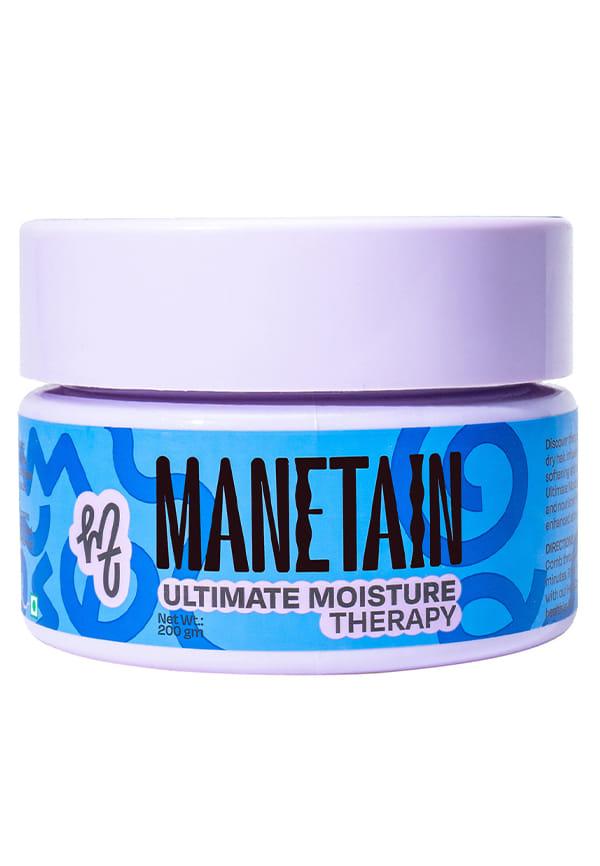
Ultimate Moisture Therapy For Deep Hydration
Let's be real—dry, frizzy hair can feel like your worst enemy some days. You wake up, look in the mirror, and wonder why your hair looks like it's been through a windstorm. The culprit? Dehydrated strands crying out for moisture. Enter the game-changer: a proper hydrating hair mask. Think of it as a tall glass of water for your thirsty hair. Whether you're dealing with heat damage, colour-treated locks, or just naturally dry hair, the right moisturising hair mask can transform your mane from dull to absolutely divine. Ready to discover how to give your hair the hydration it's been begging for?
Your hair is basically a sponge, constantly absorbing and releasing moisture from the environment. But unlike a kitchen sponge, once your hair cuticles are damaged, they struggle to hold onto that precious hydration. The outer layer of your hair shaft—the cuticle—acts like overlapping roof tiles. When these tiles lie flat, your hair looks shiny and feels smooth. When they're raised or damaged, moisture escapes faster than you can say "bad hair day." Several factors contribute to this moisture mayhem. Heat styling tools are major culprits, literally evaporating water from your hair shaft. Chemical treatments like colouring, perming, or relaxing can also compromise your hair's natural moisture barrier. Even something as simple as sleeping on a cotton pillowcase can create friction that leads to dryness and breakage.
Sun exposure acts like a hair-frying machine, breaking down proteins and stripping natural oils. Air conditioning and heating systems create dry environments that literally suck moisture from your strands. Wind, pollution, and even hard water minerals can build up on your hair, creating a barrier that prevents hydration from penetrating effectively.
Dehydrated hair has some telltale signs. It feels rough to the touch, tangles easily, and lacks that natural bounce and shine. You might notice increased breakage, split ends, or that your hair colour fades faster than expected. Curly hair types often experience increased frizz and loss of curl definition when lacking moisture.
Not all hair masks are created equal, and finding your perfect match depends on your specific hair needs. Think of it like choosing the right moisturiser for your skin—what works for oily skin won't necessarily work for dry skin. The same principle applies to your locks. A hair mask for dry hair typically contains heavy-duty moisturising ingredients like shea butter, coconut oil, or glycerin. These formulas are designed to penetrate deeply and provide long-lasting hydration. If your hair feels like straw and lacks shine, this is probably your go-to option.
A hair mask for damaged hair combines hydration with protein repair. These masks often contain ingredients like keratin, amino acids, or hydrolysed proteins that help rebuild the hair's structure whilst providing moisture. Perfect for hair that's been through the wringer with heat styling or chemical treatments.
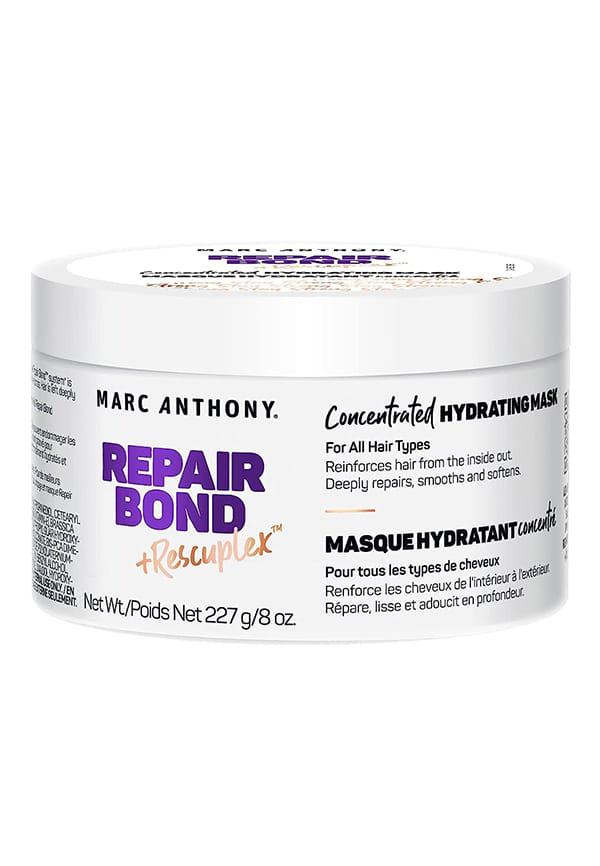
Repair Bond +Rescueplex Hydrating Mask
A hair mask for frizzy hair focuses on smoothing the cuticle and sealing in moisture. Look for ingredients like argan oil, silk proteins, or anti-humidity agents. For curly hair specifically, a hair mask for curly hair should enhance curl pattern whilst providing intense hydration without weighing down your bouncy texture.
A hair mask for colour-treated hair needs to be gentle yet effective. These formulas often include UV protection and colour-safe ingredients that hydrate without stripping your expensive salon colour. Think of it as insurance for your investment.
The secret to a truly effective nourishing hair mask lies in its ingredient list. Understanding what to look for can help you choose products that actually deliver results rather than just fancy packaging. Natural oils are absolute powerhouses for hair hydration. Coconut oil penetrates the hair shaft better than most other oils, making it ideal for deep conditioning hair treatment. Argan oil is lighter but packed with vitamin E and fatty acids that smooth and shine. Marula oil offers excellent protection against environmental damage whilst providing moisture.
Whilst moisture is crucial, your hair also needs protein to maintain its structure. Look for hydrolysed proteins that are small enough to penetrate the hair shaft. Biotin, vitamin E, and panthenol (pro-vitamin B5) are excellent additions that support overall hair health whilst providing hydration.
Aloe vera gel naturally attracts and retains moisture, making it perfect for hydrating hair care routines. Honey is a natural humectant that draws moisture from the environment into your hair. Glycerin works similarly but can be tricky—in humid conditions, it pulls moisture in, but in dry environments, it can actually pull moisture out of your hair.
Sometimes the best solutions come from your kitchen cupboard. Creating your own moisturising hair mask can be both cost-effective and surprisingly effective. Plus, you know exactly what's going on your hair—no mystery ingredients or harsh chemicals. For a simple yet effective mask, mash one ripe avocado with two tablespoons of honey and one tablespoon of olive oil. Avocado provides healthy fats and vitamins, honey acts as a humectant, and olive oil adds shine and smoothness. This combination works brilliantly as a hair mask for dry hair.
Damage Free Natural Gel Hair Colour for Women
Amazing Product
 4
4“amazing product 😁😁😁😁😁😁😁😁”
Amazing Product
4“amazing product 😁😁😁😁😁😁😁😁”
Amazing Product
4“amazing product 😁😁😁😁😁😁😁😁”
Combine two tablespoons of melted coconut oil with one beaten egg. The protein in the egg helps repair damage whilst the coconut oil provides deep hydration. This mask is particularly effective for chemically treated or heat-damaged hair.
Blend one ripe banana with half a cup of plain yoghurt and a tablespoon of honey. This mask provides gentle acids that smooth the cuticle, proteins for strength, and natural sugars for moisture. It's particularly good for fine hair that gets weighed down easily.
Applying your hydrating hair mask correctly makes all the difference between decent results and absolutely transformative ones. Start with damp, towel-dried hair—not soaking wet, not bone dry. Damp hair allows the mask to penetrate better whilst preventing it from sliding off. Section your hair into manageable parts and apply the mask from mid-length to ends, avoiding the roots unless specified otherwise. Your scalp produces natural oils, so it rarely needs the extra moisture that a mask provides. Use a wide-tooth comb to distribute the product evenly and ensure every strand gets some love.
Most masks work best when left on for 10-20 minutes, but some deep conditioning hair treatments can be left for up to an hour. Follow the product instructions, but don't assume longer is always better—over-conditioning can actually make your hair limp and greasy. Frequency depends on your hair's condition and type. Severely damaged or very dry hair might benefit from weekly treatments, whilst healthier hair might only need a mask every two weeks. Listen to your hair—if it starts feeling heavy or greasy, scale back the frequency.
Rinse thoroughly with lukewarm water, then finish with a cool rinse to seal the cuticles. Follow with a light conditioner if needed, but often a good mask eliminates the need for additional conditioning. Style as usual, but consider air-drying when possible to maintain the hydrating benefits.
Even with the best intentions, it's easy to make mistakes that can actually harm your hair rather than help it. Over-conditioning is a real thing—your hair can only absorb so much moisture before it becomes oversaturated and limp. Using the wrong type of mask for your hair is another common pitfall. A heavy, oil-based mask might be perfect for coarse, dry hair but could weigh down fine hair terribly. Similarly, applying mask to your roots when you have oily hair can lead to greasiness and potential scalp issues.
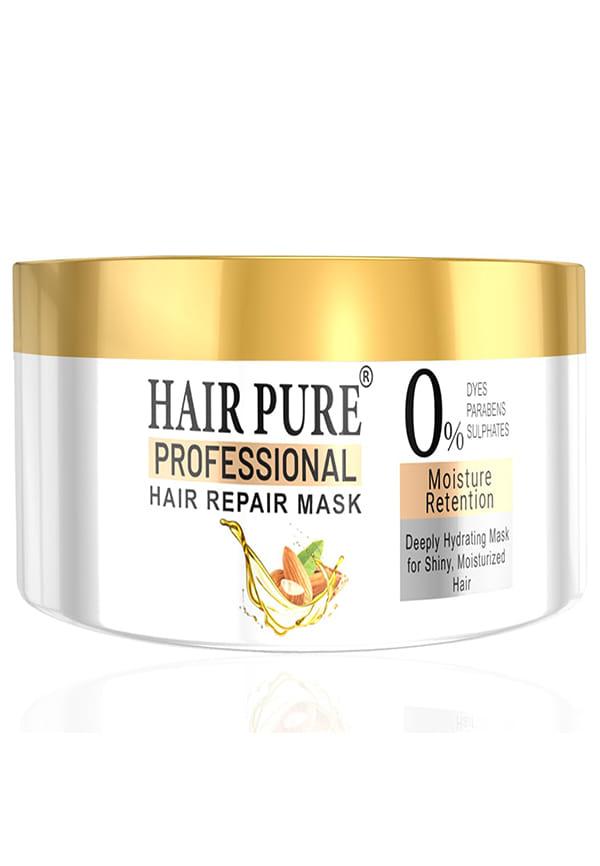
Hair Repair Mask for Dry, Frizzy Hair Mask
Using masks too frequently or not rinsing thoroughly can lead to product buildup. This creates a barrier that prevents moisture from entering your hair and can make your locks look dull and feel heavy. If you notice your hair looking flat despite regular mask use, try clarifying with a gentle shampoo. Platforms like Smytten make it easier to experiment with different nourishing hair mask options without committing to full-size products. With over 1,500 trusted brands and the ability to try up to 8 minis for just ₹249, you can discover what works for your unique hair needs. The 100% cashback offer makes product discovery both affordable and rewarding—perfect for finding your ideal hair mask for healthy hair.
The best mask depends on your specific hair type and damage level. Look for ingredients like coconut oil, shea butter, or argan oil. Deep conditioning treatments with proteins work well for damaged hair, whilst lighter formulas suit fine hair better.
Most hair types benefit from weekly treatments, but severely damaged hair might need twice-weekly applications. Healthy hair might only need a mask every two weeks. Pay attention to how your hair feels and adjust accordingly.
Absolutely! Focus on applying the mask to your mid-lengths and ends rather than your roots. Choose lighter formulas with ingredients like aloe vera or avoid heavy oils that might weigh your hair down.
Yes, hydrating hair masks can significantly reduce frizz by smoothing the hair cuticle and providing moisture. Look for masks with smoothing ingredients like argan oil or keratin for best results.
Transforming dry, damaged hair into silky, soft locks isn't magic—it's about understanding what your hair needs and giving it consistent, targeted care. A good hydrating hair mask can be the difference between hair that just exists and hair that turns heads. Whether you choose a store-bought formula or whip up something in your kitchen, the key is finding what works for your unique hair type and sticking with it. Remember, healthy hair is a journey, not a destination. What works for your friend might not work for you, and that's perfectly normal. With options to try different products before committing to full sizes, discovering your perfect hydrating hair care routine has never been easier. After all, why settle for 'maybe' when you can try it all and find exactly what makes your hair its happiest, healthiest self?
