How to Use a Hair Straightener Like a Pro

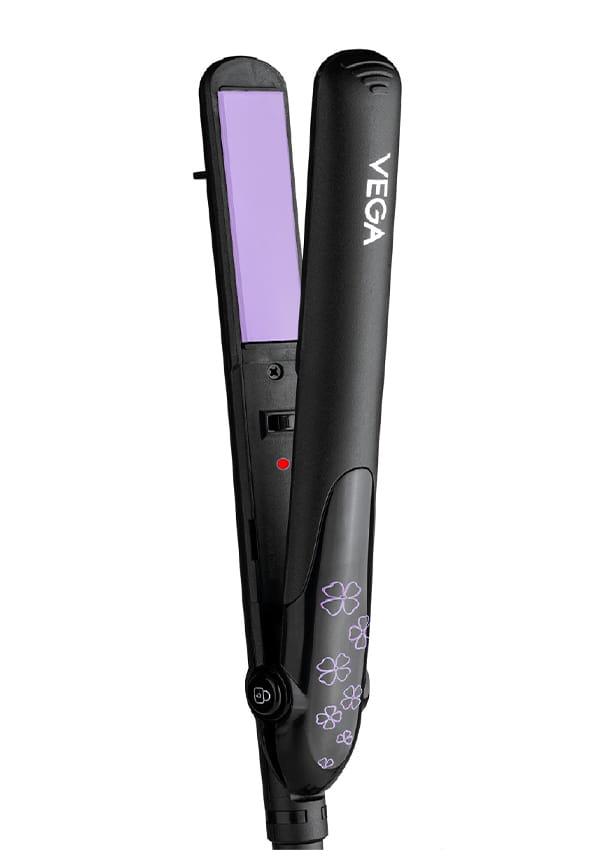
Adore Hair Straightener with Ceramic Plates & Quick Heat-Up
Getting that salon-perfect straight hair at home doesn't have to feel like rocket science. Whether you're dealing with stubborn curls or just want to switch up your look, mastering how to use a hair straightener properly can be your ticket to sleek, gorgeous locks. The thing is, most of us have been doing it wrong this whole time—rushing through the process, skipping crucial steps, or using the wrong techniques that leave our hair looking flat instead of fabulous. Let's change that, shall we?
Real talk: the magic happens way before you even plug in your straightener. Think of this prep phase as laying the foundation for your dream hair. Skip these steps, and you're basically setting yourself up for a styling disaster.
This might sound obvious, but you'd be surprised how many people try to straighten damp hair. When water meets high heat, it literally boils inside your hair shaft—and that's a one-way ticket to damage city.
Wash your hair with a smoothing shampoo and follow up with a lightweight conditioner. Skip the heavy masks or oils before straightening—save those for your haircare routine on non-heat days. Once you've towel-dried, blow-dry your hair completely. We're talking bone dry, not just "feels dry" dry.
Grab a wide-tooth comb or paddle brush and work through any knots gently. Starting from the ends and working your way up prevents unnecessary breakage.
Now for the sectioning—this is where the pros separate from the amateurs. Divide your hair into manageable 1-inch sections. Start by creating a horizontal part from ear to ear, then clip the top half away. Work with the bottom layer first, taking small vertical sections as you go.
This step is non-negotiable. A good heat protectant for hair creates a barrier between your strands and the heat, reducing damage significantly. Look for products that offer protection up to 450°F.
Spray or apply the protectant evenly through each section, focusing on the mid-lengths and ends where hair is most vulnerable. Don't go overboard—too much product can weigh your hair down or create buildup that affects your results.
Here's where things get technical, but stick with me. Using the wrong temperature is probably the biggest mistake people make when learning flat iron techniques. Your hair type should dictate your heat setting, not the other way around.
Fine or chemically treated hair needs gentle handling—stick to 250-300°F. This hair type straightens easily, so you don't need extreme heat. Medium-textured hair can handle 300-350°F, while thick, coarse, or naturally curly hair might need 350-400°F to see results.
If you're unsure about your hair type, start low and work your way up. You can always increase the temperature, but you can't undo heat damage.
Too low? Your hair won't straighten properly, and you'll find yourself going over the same section multiple times. Too high? You'll hear sizzling sounds, smell something burning, or notice your hair feels crispy afterward.
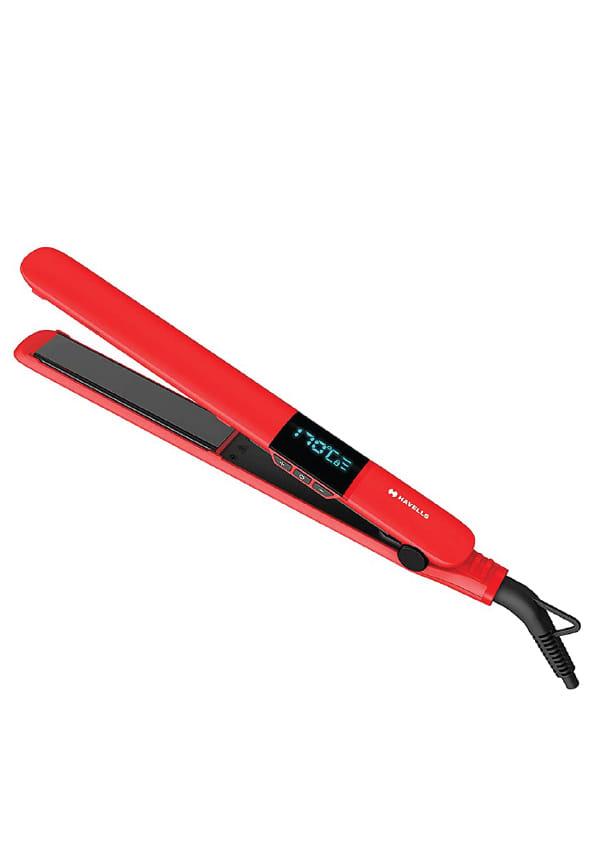
HS4150 Ceramic Plates Hair Straightener
The sweet spot is when your hair straightens smoothly in one pass without any concerning sounds or smells.
Now we're getting to the good stuff. This is your straight hair tutorial that'll have you looking like you just stepped out of a salon. The key is patience and technique—rushing will only lead to uneven results and potential damage.
Hold your straightener like you would a pair of scissors—thumb on one side, fingers on the other. Position it as close to your roots as comfortable (about half an inch away from your scalp) without actually touching your skin.
The clamping pressure should be firm but not aggressive. You want to grip the hair securely without crushing it. Think of it as a confident handshake—not too weak, not too strong.
Here's where the magic happens. Close the straightener around your hair section and glide down in one smooth, continuous motion. Don't stop, don't pause, don't go back—just one fluid movement from root to tip.
The speed matters too. Move too fast, and you won't get the straightening effect. Too slow, and you risk heat damage. Aim for about 2-3 seconds per section, depending on your hair length.
As you reach the ends, give a slight curve inward or outward—this prevents that flat, lifeless look that screams "I used a straightener." Let each section cool completely before touching it. This cooling period helps set the style and makes it last longer.
Once you've mastered the basics of straightening hair, it's time to level up your game. Your straightener isn't just a one-trick pony—it's actually one of the most versatile hair styling tools in your arsenal.
If you're wondering how to straighten curly hair, the approach is slightly different. Curly hair tends to be more porous and fragile, so extra care is essential. Work with smaller sections—about half an inch instead of a full inch.
Start with a slightly higher temperature (but still within your hair type's safe range) and move a bit more slowly. The goal is to relax the curl pattern without causing damage. Don't expect pin-straight results on the first pass—sometimes a second gentle pass is necessary.
Plot twist: your straightener can create gorgeous waves too. For loose waves, clamp your hair and twist the straightener 180 degrees as you glide down. For more defined curls, wrap sections around the straightener barrel (carefully!) and hold for a few seconds.
This technique is perfect when you want to switch between straight and wavy looks without investing in multiple tools.
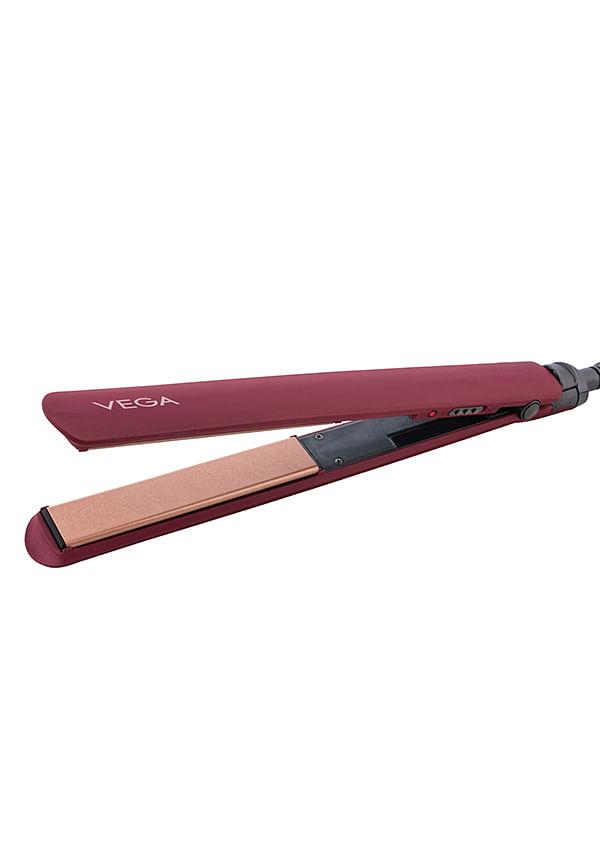
Sleek On Hair Straightener for Women with 230⁰C Heating Temperature
Using a fine-tooth comb as a guide while straightening can give you extra-smooth results. Place the comb about an inch above your straightener and glide both down together. This technique helps catch any missed spots and creates an ultra-sleek finish.
Let's be honest—we've all made these mistakes at some point. The good news is that once you know what to avoid, you're already halfway to achieving sleek hair like a pro.
The biggest rookie mistake? Going in with dirty or product-heavy hair. Buildup from styling products can actually cook onto your hair when heated, creating a sticky mess that's impossible to style properly.
Another common error is cranking up the heat to maximum thinking it'll work faster. High heat doesn't equal better results—it just equals more damage. Start low and increase gradually if needed.
Going over the same section repeatedly is a surefire way to fry your hair. If a section isn't straightening properly, check your technique rather than adding more heat. Maybe your sections are too thick, or you're moving too fast.
Another mistake is not maintaining consistent tension. If you loosen your grip halfway through a section, you'll get uneven results with some parts straighter than others.
Touching your hair immediately after straightening disrupts the setting process and can cause frizz. Let each section cool completely before moving on to the next.
Using the wrong finishing products can also undo all your hard work. Heavy oils or creams can weigh down your freshly straightened hair and make it look greasy.
Getting great results is one thing, but making them last while keeping your hair healthy is the real challenge. This is where your overall haircare routine becomes crucial for long-term success.
Once you've finished straightening, resist the urge to run your fingers through your hair immediately. Let it cool and set for at least 10-15 minutes. This cooling period is when your hair "remembers" its new shape.
A light finishing serum can add shine and help seal the cuticles, but use it sparingly. Too much product will weigh your hair down and make it look greasy rather than sleek.
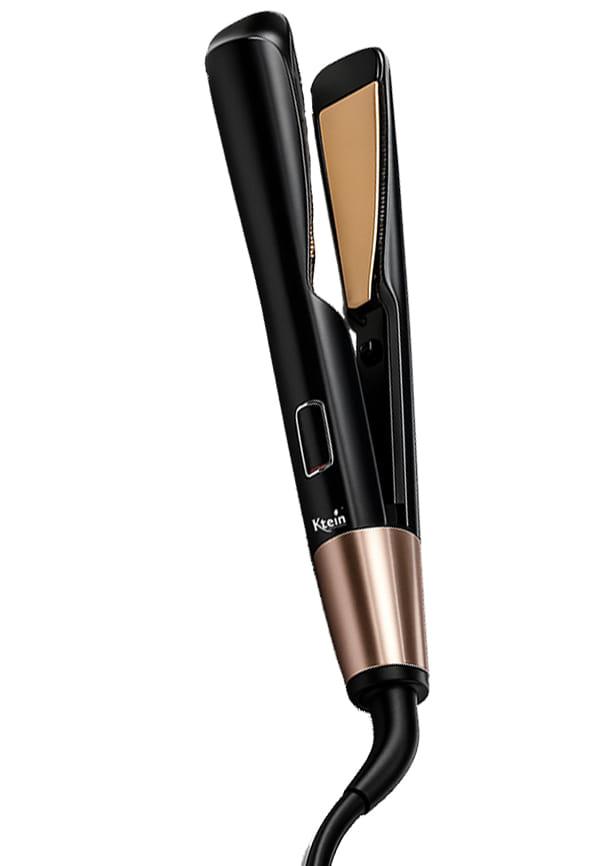
2-in-1 Hair Styler – Curl, Wave & Straighten with Twisted Ceramic Plate
Here's the thing about heat styling—moderation is key. Even with the best techniques and products, daily straightening will eventually take its toll on your hair. Aim for 2-3 times per week maximum, and give your hair heat-free days to recover.
Incorporate deep conditioning treatments into your weekly routine, especially if you straighten regularly. Look for protein treatments if your hair feels weak, or moisture treatments if it feels dry and brittle.
A clean straightener works better and lasts longer. Wipe down the plates with a damp cloth after each use (once they've cooled completely). For stubborn buildup, use a mixture of baking soda and water to gently scrub the plates.
Store your straightener properly—hanging it up or keeping it in a heat-resistant pouch prevents damage to both the tool and your surfaces.
When exploring different hair straightener tips and techniques, remember that finding the right products and tools for your specific hair type makes all the difference. Smytten's curated trial packs let you experiment with various heat protectants, styling products, and hair styling tools from trusted brands without committing to full-size purchases. With over 1,500 brands available, you can discover what works best for your hair through affordable mini-sized products, making your journey to perfect straight hair both budget-friendly and risk-free.
For healthy hair, limit straightening to 2-3 times per week maximum. Daily heat styling can lead to dryness, breakage, and long-term damage, even with proper protection.
Fine hair should never exceed 300°F. Start at 250°F and only increase if absolutely necessary. Fine hair straightens easily and is more susceptible to heat damage.
Never straighten damp hair. The water will literally boil inside your hair shaft, causing severe damage. Always ensure your hair is completely dry before applying any heat.
Signs include sizzling sounds, burning smells, or hair that feels crispy after styling. If you notice any of these, lower the temperature immediately.
This usually indicates insufficient heat protection, wrong temperature settings, or high humidity. Try using a stronger heat protectant and finish with an anti-humidity serum.
Always straighten clean hair. Product buildup and natural oils can interfere with the straightening process and may even burn onto your hair when heated.
Mastering how to use a hair straightener properly is all about patience, preparation, and practice. The difference between amateur and professional results lies in the details—proper sectioning, correct temperature settings, and smooth technique. Remember, great hair doesn't happen overnight, but with these techniques, you're well on your way to achieving that salon-quality finish at home.
The key is finding the right balance between effective styling and hair health. Don't sacrifice the long-term condition of your hair for short-term results. With proper technique, quality tools, and the right products, you can enjoy beautifully straight hair while keeping your strands healthy and strong. After all, the best hairstyle is one that makes you feel confident and keeps your hair looking gorgeous for years to come.
