How to Use a Hair Mask for Hair Growth: Expert Tips

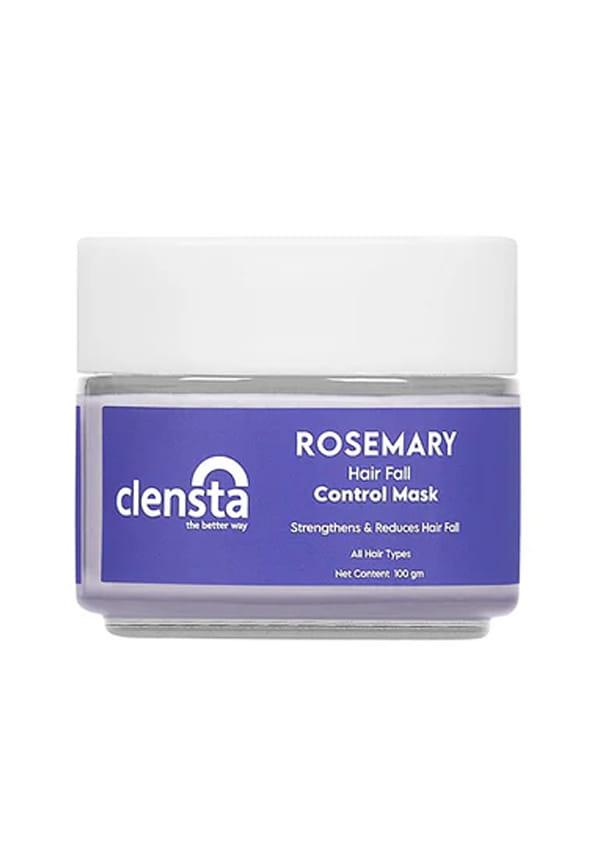
Rosemary Hair Growth Mask
Let's be real—we've all stared at our hair in the mirror, wondering how to get those thick, luscious locks we see on everyone's Instagram feed. The secret might be simpler than you think: a good hair mask for hair growth. These power-packed treatments don't just pamper your strands; they actually work to strengthen roots, nourish follicles, and create the perfect environment for healthy hair growth. Whether you're dealing with thinning hair, breakage, or just want to boost your hair's natural volume, the right mask can be a total game-changer. Ready to discover how to turn your hair routine into a growth-boosting ritual?
Hair masks aren't just fancy conditioners—they're concentrated hair growth treatments that penetrate deeper into your hair shaft and scalp. Unlike regular conditioners that work on the surface, masks deliver nutrients directly to hair follicles where the real magic happens. Your hair follicles need proper nourishment to produce strong, healthy strands. When they're deprived of essential nutrients like proteins, vitamins, and moisture, hair becomes weak, brittle, and grows slower. A hair nourishing mask works by flooding these follicles with everything they need to function at their best.
Hair grows in cycles, and masks help optimise each phase. During the anagen (growth) phase, which lasts 2-7 years, your follicles are actively producing new hair cells. A well-formulated mask provides the building blocks needed for this process, whilst also protecting existing hair from damage that could interrupt the cycle.
The key difference between masks and regular products lies in molecular size and contact time. Masks contain smaller molecules that can penetrate the hair cuticle, plus they stay on long enough to actually work. This makes them incredibly effective as both a hair repair mask and preventive treatment.
Not all hair mask ingredients are created equal. The most effective hair strengthening masks combine specific nutrients that target different aspects of hair health. Here's what to look for:
Your hair is primarily made of keratin, a protein that gives strands their structure and strength. Ingredients like hydrolysed wheat protein, silk protein, and even egg whites can temporarily fill in gaps in damaged hair cuticles. These work brilliantly in a hair conditioning mask to improve elasticity and reduce breakage.
Dry hair breaks easily, which stunts growth. Hyaluronic acid, glycerin, and natural humectants like honey draw moisture from the environment into your hair. Coconut oil and shea butter seal this moisture in, creating the perfect environment for a hair moisturising mask.
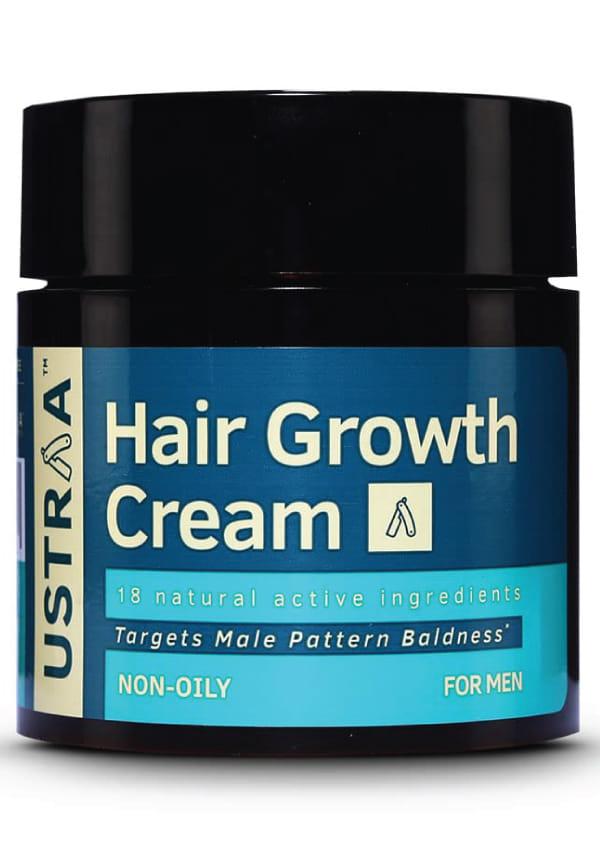
Hair Growth Cream
Ustraa helped with hair fall
 5
5“I have great experience with ustraa i have lot of hait fall i got lost my hair on my head ustraa bring back my haair thank you so much....”
Healthy hair starts with a healthy scalp. Ingredients like peppermint oil, rosemary extract, and caffeine boost blood circulation to hair follicles. Better circulation means more nutrients reach the root, making these ingredients essential in any hair revitalising mask.
Vitamins C and E, along with plant extracts like green tea, protect hair from environmental damage. They also support the cellular processes needed for healthy growth, making them valuable additions to a hair rejuvenating mask.
The eternal question: should you whip up something in your kitchen or invest in a professionally formulated product? Both have their place in a comprehensive hair growth strategy.
DIY masks using ingredients like avocado, banana, and yogurt can be surprisingly effective. They're fresh, customisable, and often work well as a hair thickening mask when combined with protein-rich ingredients. Plus, you know exactly what's going onto your hair. The downside? Consistency can be tricky, and some homemade masks don't penetrate as deeply as professionally formulated ones. They're also more time-consuming to prepare and can be messy to apply.
Store-bought masks often contain concentrated active ingredients that are difficult to replicate at home. They're formulated for optimal pH levels and ingredient stability, making them reliable options for a hair volumising mask. Many also include preservatives that allow for longer shelf life. The key is finding products with clean, effective ingredients. This is where Smytten becomes invaluable—you can try multiple professional masks through their curated trial packs before committing to full-size products.
Even the best mask won't work if you're not applying it correctly. Here's how to maximise your results:
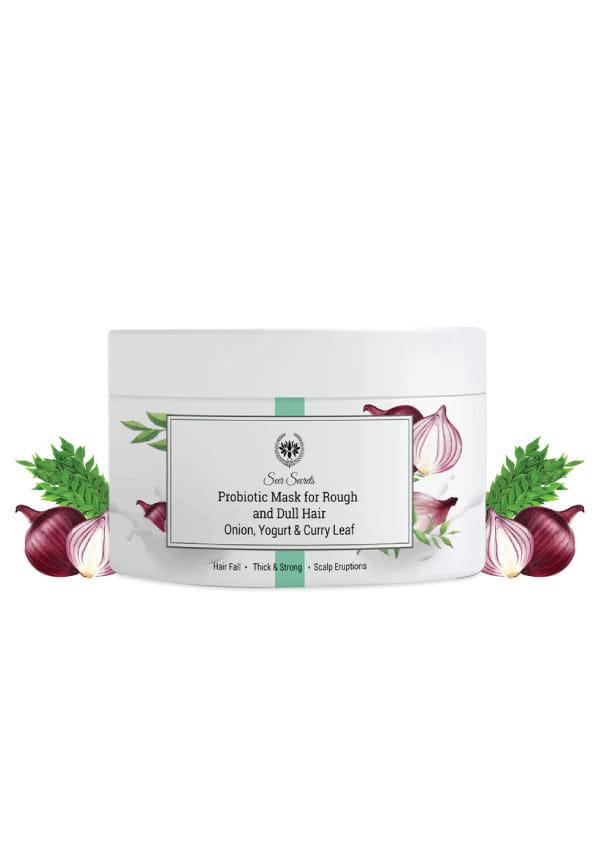
onion hair mask
Start with damp, not soaking wet hair. Excess water dilutes the mask and prevents proper absorption. Gently towel-dry your hair after shampooing, leaving it about 70% dry for optimal penetration.
Apply your mask from mid-length to ends first, then work towards the roots. Your scalp produces natural oils, so the ends typically need more attention. Use a wide-tooth comb to distribute the product evenly, ensuring every strand gets coated.
Most masks work best when left on for 15-30 minutes. Some intensive treatments can be left on longer, but always follow product instructions. Use this time to relax—stress reduction actually supports hair growth too.
Rinse thoroughly with cool water to seal the hair cuticle and lock in the treatment benefits. Follow with a lightweight conditioner if needed, focusing only on the ends to avoid weighing down your hair.
Your hair type determines which masks will work best and how often you should use them.
Choose lightweight, protein-rich formulas that add strength without weight. Use masks once a week maximum to avoid protein overload, which can make fine hair brittle. Focus application on mid-lengths and ends rather than roots.
Your hair can handle richer, more intensive treatments. Look for deeply moisturising formulas with heavier oils like argan or macadamia. You can use masks 2-3 times per week if your hair is particularly dry or damaged.
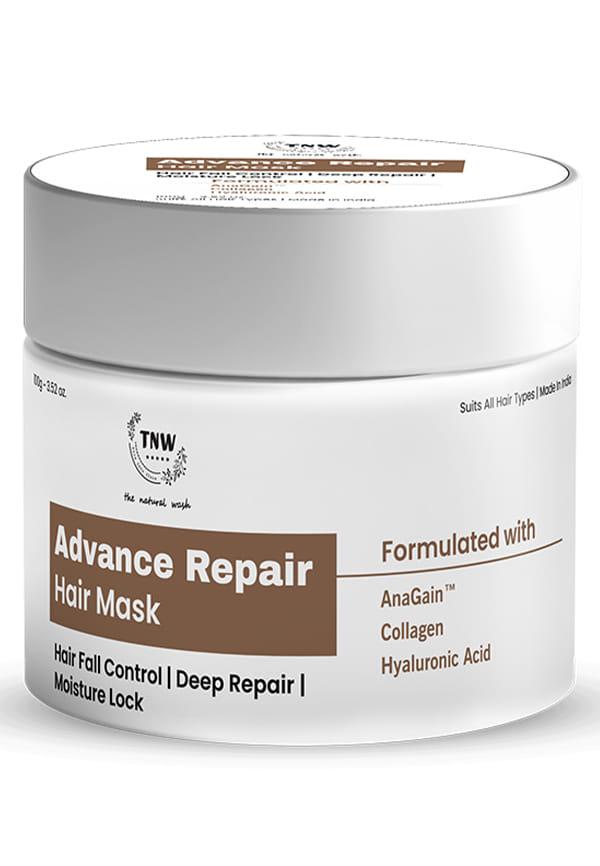
Advance Repair Hair Mask
Colour-treated or chemically processed hair needs extra TLC. Alternate between protein and moisture treatments to maintain the right balance. Always check that your chosen mask is safe for your specific treatment. With Smytten's extensive range of trial-sized masks from over 1,500 trusted brands, you can experiment with different formulations to find what works best for your unique hair needs. The platform's 100% cashback system makes this exploration both affordable and risk-free.
For most hair types, once or twice a week is ideal. Fine hair may only need weekly treatments, whilst very dry or damaged hair can benefit from 2-3 applications per week. Listen to your hair—if it feels heavy or greasy, reduce frequency.
Most masks aren't designed for overnight use and can cause protein overload or clogged follicles. Stick to the recommended 15-30 minutes unless the product specifically mentions overnight application.
Whilst masks can't treat genetic hair loss, they can significantly reduce breakage and create optimal conditions for healthy growth. Stronger, well-nourished hair appears fuller and grows to its maximum potential length.
Most masks work best on freshly shampooed, damp hair. The clean base allows better penetration of active ingredients. However, some pre-shampoo treatments are designed to be used on dry hair before washing.
Transforming your hair growth journey starts with understanding that consistency beats perfection every time. Whether you choose DIY creations or professional formulations, the key is finding products that work for your specific hair type and sticking with a routine. Remember that hair growth is a marathon, not a sprint. Most people see noticeable improvements after 6-8 weeks of consistent mask use, with significant changes becoming apparent after 3-4 months. The combination of proper nutrition, gentle handling, and targeted treatments creates the perfect storm for healthy hair growth. Smytten makes this journey easier by letting you discover what works without the commitment. With access to trial packs from trusted haircare brands and the ability to purchase full-size versions of your favourites, you can build a personalised routine that actually delivers results. After all, why settle for 'maybe' when you can try it all and find your perfect hair growth solution?
