How to Use a Hair Mask for Hair Fall: Expert Tips
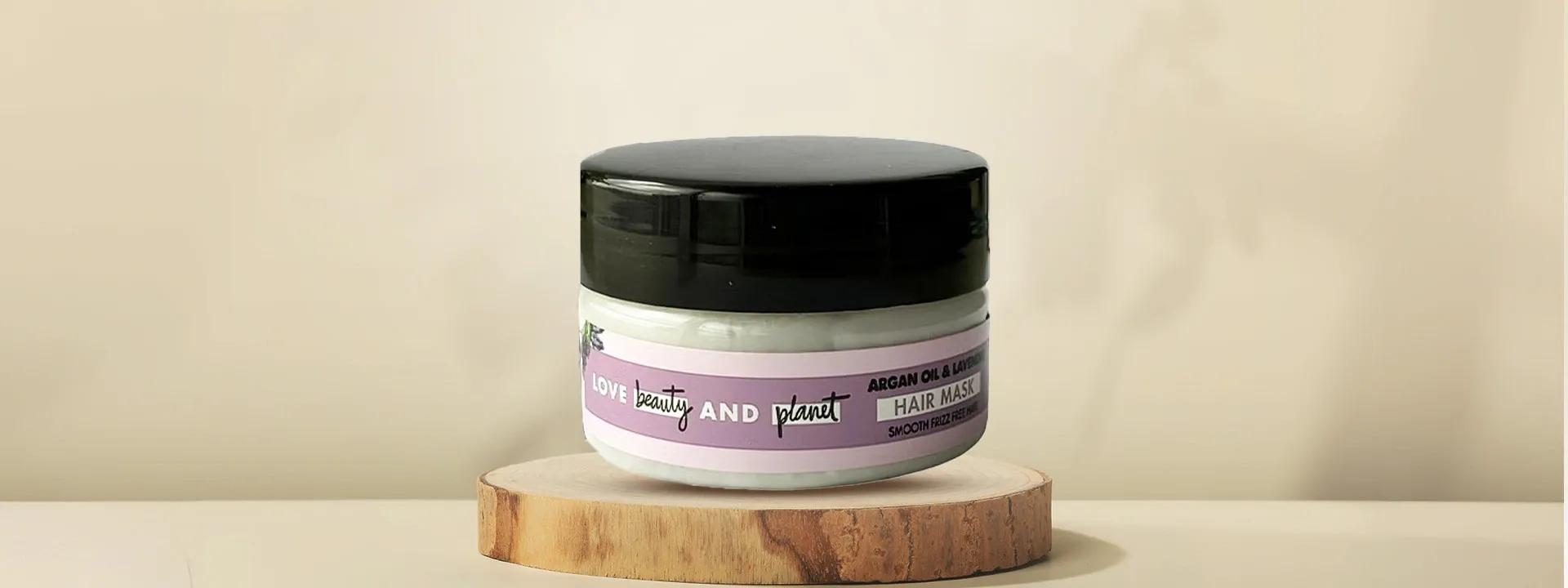

Hair fall can feel like a never-ending battle, especially when you're trying product after product with zero results. But here's the thing—sometimes the simplest solutions work best. A hair mask for hair fall might just be the game-changer your haircare routine desperately needs. Think of it as a weekly reset button for your strands, packed with nutrients that tackle hair fall from the roots up. Whether you're dealing with stress-induced shedding or just want stronger, healthier hair, the right mask can make all the difference. Let's dive into everything you need to know about using hair masks effectively, from DIY recipes to choosing the perfect ready-made options.
Before we jump into mask magic, let's talk about what's actually causing your hair to fall out. Hair fall isn't just one thing—it's usually a cocktail of factors working against you.
Your hair follicles are basically tiny factories, and when they're not getting proper nutrition or when they're under stress, production slows down. This could be due to hormonal changes, nutritional gaps, or even that constant ponytail you've been rocking. Environmental factors like pollution and heat styling don't help either—they weaken the hair shaft and make strands more likely to break.
Here's where a hair strengthening mask comes into play. Unlike regular conditioners that just coat the surface, masks penetrate deeper into the hair cuticle. They deliver concentrated nutrients directly to your hair shaft and scalp, which is exactly what stressed-out follicles need.
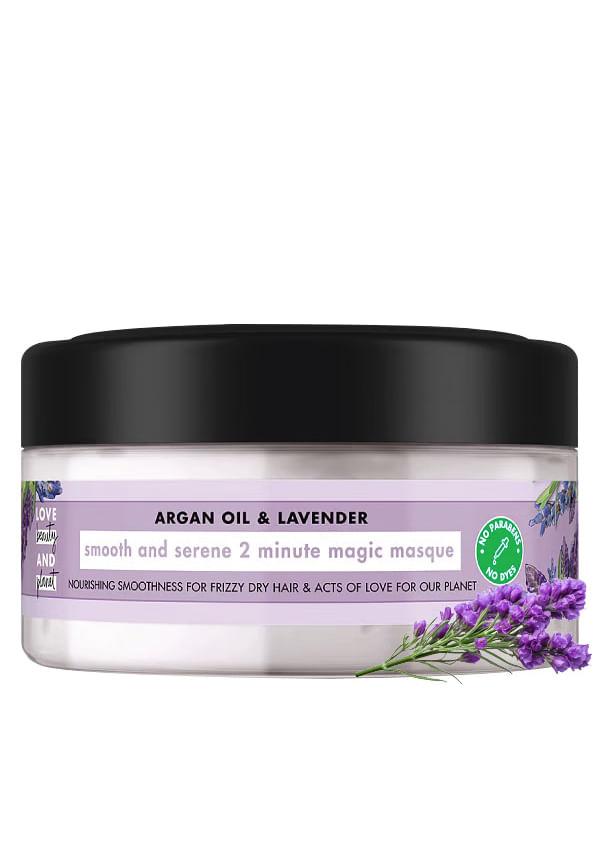
Argan Oil & Lavender Hair Mask
Strong positive reaction
 5
5“love ittttttttttttyyyyyyyyyyyttt”
Great for Frizzy Hair
5“great for freezy hair recommend to buy”
Great for Frizzy Hair
5“great for freezy hair recommend to buy”
Your hair is basically a reflection of what's happening inside your body. Low iron, protein deficiency, or lack of vitamins can all trigger excessive shedding. A good nourishing hair mask can supplement what your diet might be missing, at least topically.
Real talk—you don't need to spend a fortune on fancy treatments. Some of the most effective hair fall treatment options are sitting right in your kitchen. These homemade masks have been tried and tested for generations, and there's actual science backing up why they work.
Fenugreek seeds are packed with proteins and nicotinic acid, which strengthen hair roots and promote growth. Soak two tablespoons of fenugreek seeds overnight, then grind them into a paste. Mix with half a cup of coconut milk for a creamy, protein-rich mask. Apply from roots to tips, leave for 30 minutes, then rinse with cool water.
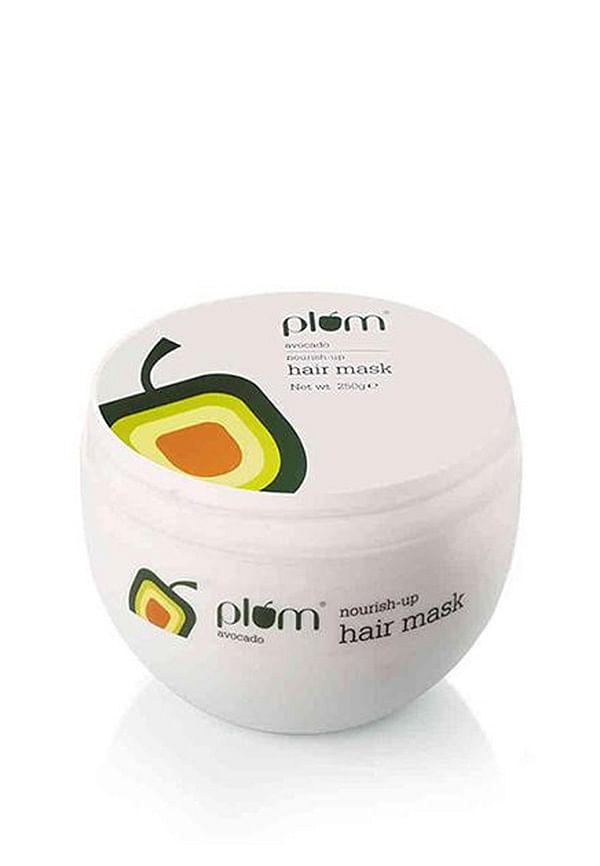
Avocado Nourish-Up Hair Mask
Perfect Hair Mask
5“This hair mask is perfect for hair ”
Perfect Hair Mask
5“This hair mask is perfect for hair ”
Perfect Hair Mask
5“This hair mask is perfect for hair ”
This combo is perfect if your hair fall is linked to a dry, irritated scalp. Aloe vera soothes inflammation whilst honey locks in moisture. Mix two tablespoons of fresh aloe gel with one tablespoon of honey. This moisturising hair mask works best when left on for 20-25 minutes.
Avocados are rich in vitamins E and B, plus healthy fats that nourish hair follicles. Mash half a ripe avocado with one egg yolk for a protein-packed treatment. This deep conditioning hair mask is especially good for chemically treated or heat-damaged hair.
Yes, it smells, but onion juice is one of the most effective hair growth stimulating mask ingredients out there. The sulphur compounds improve blood circulation to hair follicles. Blend one medium onion, strain the juice, and mix with two tablespoons of coconut oil. Apply to scalp, massage gently, and leave for 15 minutes before washing out thoroughly.
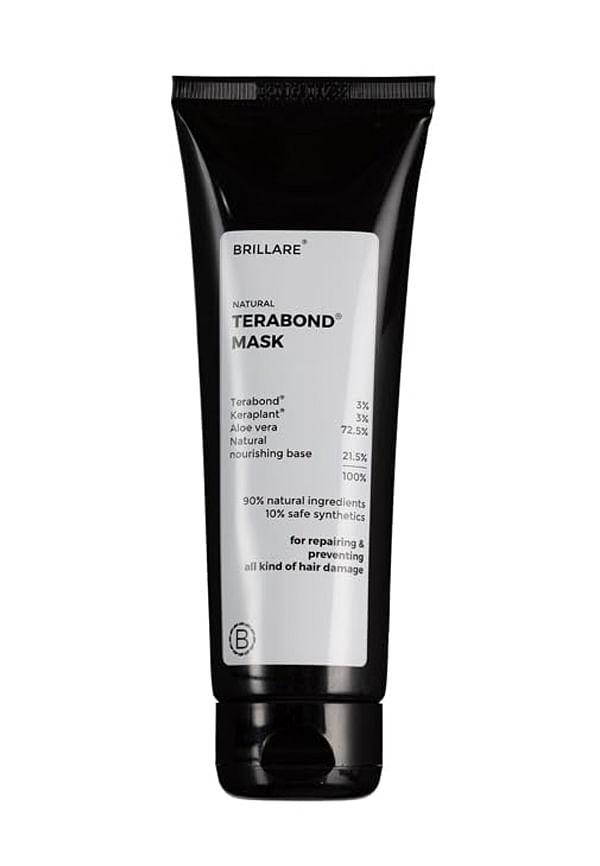
Terabond Mask
Nice Product, Thanks Smytten
4“nice product.....thank you smytten”
Repaired Damaged Hair
5“This helped me repair my heart damaged hair”
Decent Product, Highly Recommended
5“it's a very decent product highly recommend it”
Sometimes you just don't have time for DIY mixing, and that's totally fine. The key is knowing what to look for in a commercial hair repair mask. With so many options available, finding your perfect match can feel overwhelming.
Look for masks containing keratin, biotin, or natural oils like argan and jojoba. These ingredients have proven track records for strengthening hair and reducing breakage. Avoid anything with harsh sulfates or excessive alcohol content—these can actually make hair fall worse by drying out your scalp.
Keratin helps rebuild damaged hair structure, whilst biotin supports healthy hair growth from within. Natural oils penetrate the hair shaft to provide deep nourishment. Peptides can also be game-changers—they signal hair follicles to produce stronger, thicker strands.
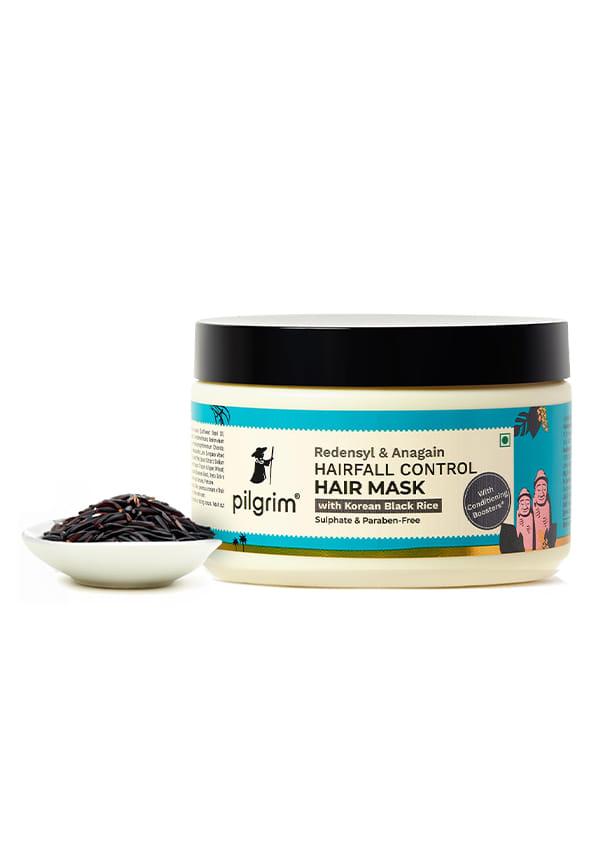
Redensyl & Anagain Hair Mask|Strengthens Hair |Prevents Hair Breakage|Smoothens Hair
Hair made smooth
5“this mask made my hair very smooth”
Great Product
4“wow this is greeeaaatttt produccttttttt..”
Good Result in 2 Weeks
5“gives result in 2 week good result”
Skip products with too many synthetic fragrances or colours. These additives can irritate sensitive scalps and potentially worsen hair fall. Also, be wary of masks that promise overnight miracles—real hair improvement takes time and consistency.
Having the right mask is only half the battle—how you apply it matters just as much. Poor technique can waste even the best products and leave you wondering why nothing's working.
Start with damp, not soaking wet hair. Excess water dilutes the mask and prevents proper penetration. Section your hair into manageable parts and apply the mask from mid-length to ends first, then work backwards towards the roots.
Gently detangle your hair before applying any mask. This prevents unnecessary pulling and breakage during the application process. If you're using an anti-hair fall hair mask, focus extra attention on the scalp area where hair loss typically begins.
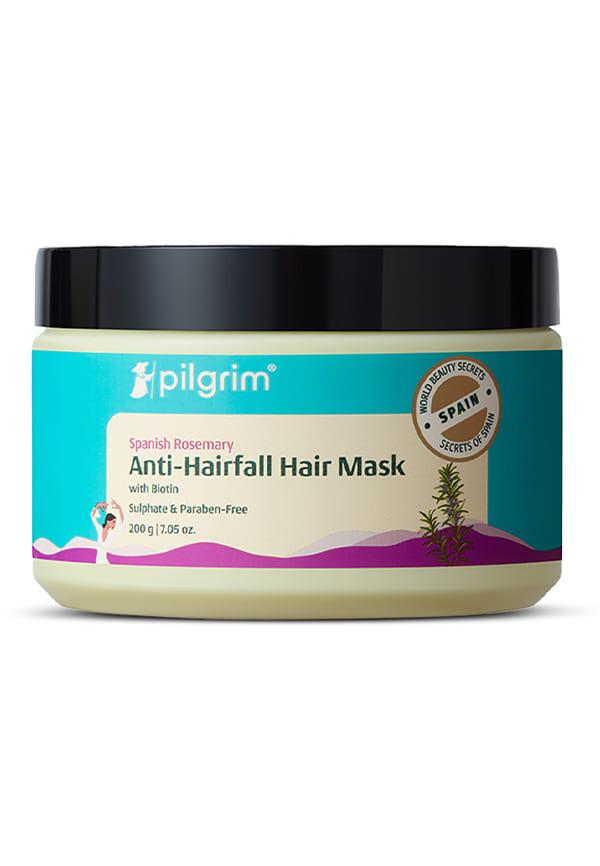
Spanish Rosemary ANTI-HAIRFALL HAIR MASK
Good Product for Healthy Hair
5“good product, healthy hair , 😁”
Good Product for Healthy Hair
5“good product, healthy hair , 😁”
Good Product
5“Gud ❤️ Gud”
Don't rush the process. Most masks need at least 15-20 minutes to work their magic, but some intensive treatments can be left on for up to an hour. Set a timer and use this time to relax—stress reduction actually helps with hair health too.
Use lukewarm water to rinse out your mask, not hot water which can strip away the beneficial ingredients you just applied. Follow up with a gentle shampoo if needed, but often a thorough rinse is enough.
Consistency beats intensity when it comes to hair loss prevention. Rather than doing intensive treatments sporadically, establish a regular routine that your hair can adapt to and benefit from over time.
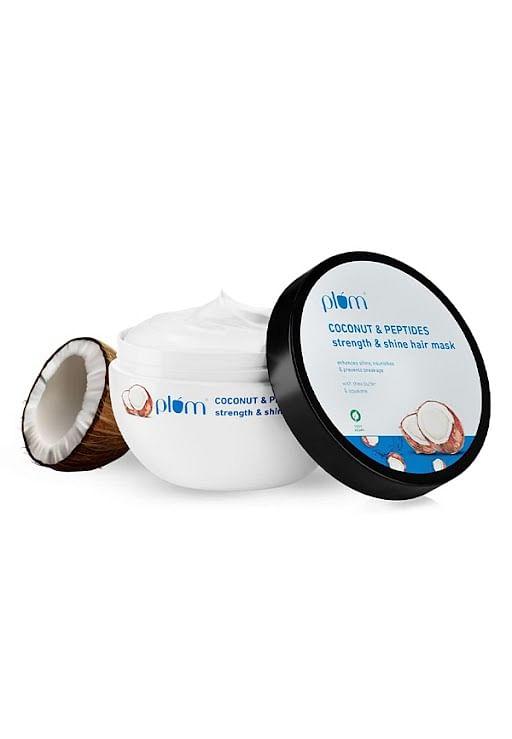
Coconut & Peptides Strength & Shine Hair Mask
Good, Smooth Light Texture
5“good and smooth light texture Tq plum”
Good, Smooth Light Texture
5“good and smooth light texture Tq plum”
Good, Smooth Light Texture
5“good and smooth light texture Tq plum”
For most people, once or twice weekly is the sweet spot for hair masks. If your hair is severely damaged or you're experiencing significant hair fall, you might benefit from three sessions per week initially, then tapering down as your hair improves.
Your hair's needs change with the seasons. During monsoon, focus on revitalising hair mask treatments that combat humidity damage. In winter, switch to more moisturising formulas to combat dryness.
Take photos of your hair from different angles when you start your mask routine. It's easier to see improvements when you can compare week by week. Also, pay attention to how much hair you're losing during washing—this should gradually decrease with consistent mask use.
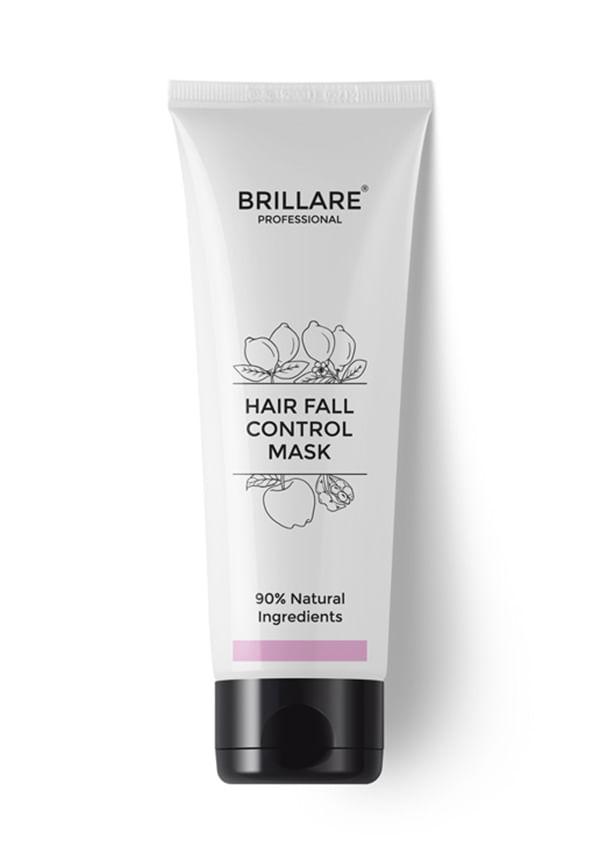
Hair Fall Control Mask To Reduce Seasonal Hair Fall
Great Hair Mask and Shampoo
5“Must buy and a very food and effective hair mask Shampoo is good too”
Hair masks work best as part of a holistic approach to hair health. Think of them as one piece of a larger puzzle that includes diet, lifestyle, and overall haircare habits.
Your scalp health is crucial for preventing hair fall. Regular gentle massage increases blood circulation, which helps deliver nutrients to hair follicles. Use your fingertips, not nails, and work in circular motions for about five minutes before applying your mask.
What you eat directly impacts hair strength. Protein-rich foods, iron-rich vegetables, and omega-3 fatty acids all support healthy hair growth. Consider these as internal support for your external mask treatments.
Chronic stress is one of the biggest culprits behind sudden hair fall. While you're treating your hair externally with masks, don't forget to address stress through meditation, exercise, or whatever relaxation method works for you.
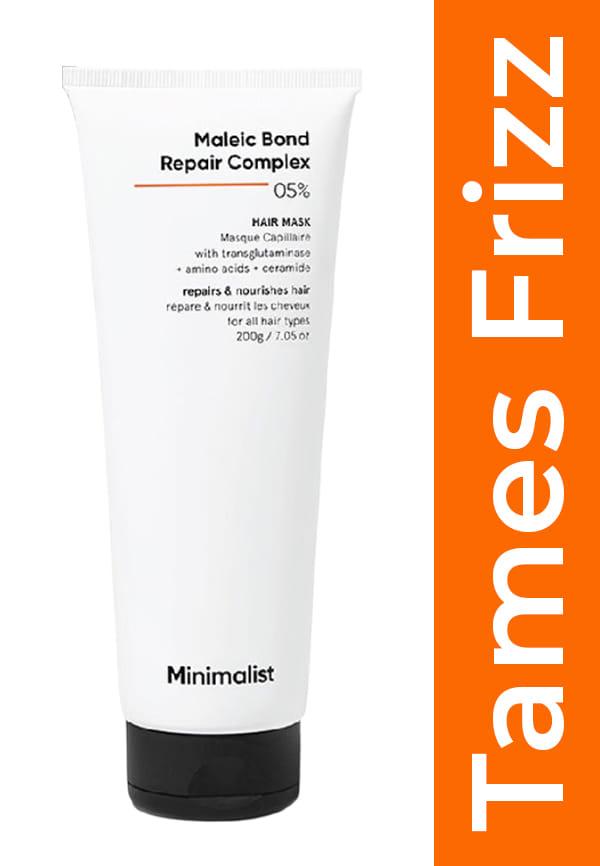
Maleic Bond Repair Complex 5% Hair Mask
Soft, Smooth, Glossy Hair
5“Soft, smooth, glossy hairs. Love it.”
Best hair mask
4“it's one of the best hair mask ever it's makes my hair soft and shiny”
Used Serum Variant
4“have used the serum variant, waiting to use it often”
Sometimes hair fall goes beyond what topical treatments can fix. If you're losing more than 100 strands per day consistently, or if you notice bald patches or significant thinning, it's worth consulting a dermatologist or trichologist.
Hormonal imbalances, autoimmune conditions, or certain medications can cause hair loss that requires medical intervention. Hair masks can still be part of your treatment plan, but they shouldn't be your only approach in severe cases.
Sudden, dramatic hair loss, scalp irritation that doesn't improve, or hair that breaks off at the roots rather than falling out naturally are all signs you should see a professional. Don't wait too long—early intervention often leads to better outcomes.
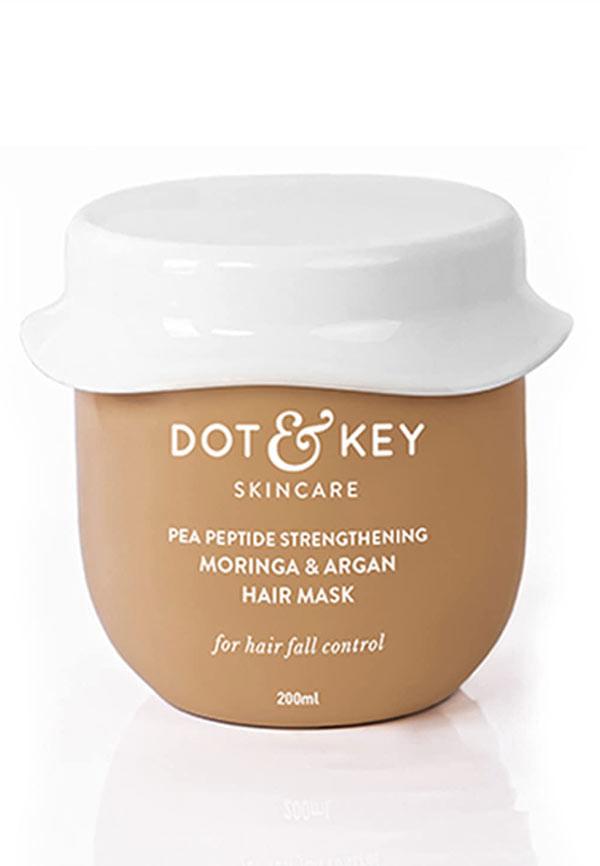
Pea Peptide Strengthening Moringa & Argan Hair Mask
Detailed Product Benefits & Usage
5“Best for: dry, brittle, frizzy or damaged hair Gives deeper conditioning than the conditioner Good before shampoo or after shampoo once weekly Users often mention softer and shinier hair after use �”
Smooth, Shiny Hair; Worth It
5“smooth and shine hair worth it”
Loves product, requests restock
4“Been using this hair mask since a pretty long time, restock it”
When you're ready to explore commercial hair masks, there's no need to commit to full-size products right away. Smytten is India's largest product discovery and trial platform, connecting consumers with top lifestyle, beauty, wellness, and grooming brands. At its core, Smytten offers curated trial packs - mini-sized products from over 1,500 trusted brands. This lets users explore and experience products before committing to full-size purchases, covering haircare and more categories. Each mini is linked with Trial Points, and users can get up to 8 minis for just ₹249. Plus, Smytten offers 100% cashback on the purchase of these minis, redeemable in the shop section for future orders, making product discovery both affordable and rewarding.
For most people, using a hair mask 1-2 times per week is ideal. If you have severe hair fall, you can start with 3 times weekly and reduce frequency as your hair improves. Listen to your hair—if it feels heavy or greasy, you might be overdoing it.
Most hair masks aren't designed for overnight use and can actually cause buildup or irritation. Stick to the recommended time on the product label, usually 15-30 minutes. Oil-based treatments can sometimes be left longer, but always do a patch test first.
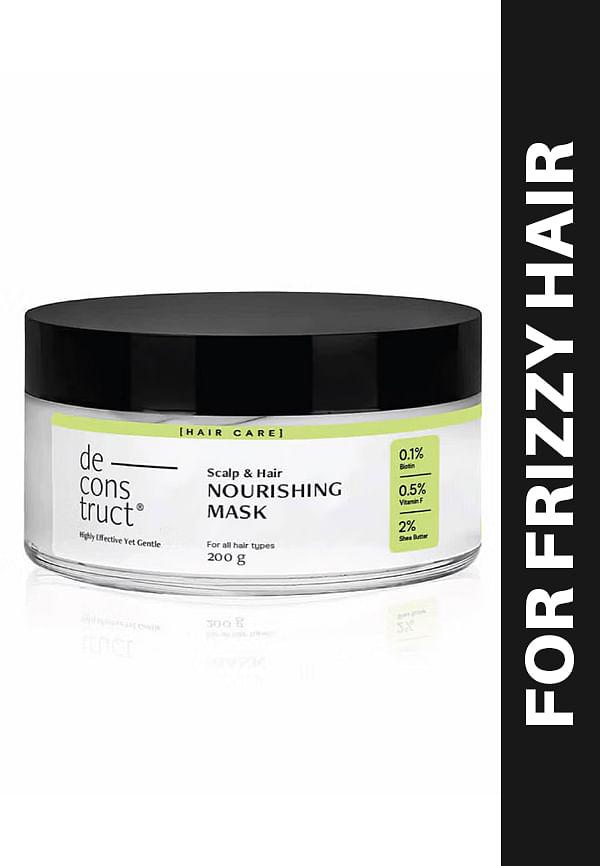
Scalp & Hair Nourishing Mask 0.1% Biotin + 0.5% Vitamin F + 2% Shea Butter
Loved and Recommended
5“loved it. I would recommend it..”
Excellent Hair Mask
5“Really good and nourishing hair mask”
Moisturizes Frizzy Hair
4“moisturizing for frizzy hair!!!”
Avoid masks with strong essential oils, menthol, or high concentrations of acids if you have sensitive skin. Also skip anything with sulfates or artificial fragrances. Always patch test new products on a small area before full application.
You might notice softer, more manageable hair after just one use, but significant reduction in hair fall typically takes 4-6 weeks of consistent use. Hair growth is slow, so patience is key when treating hair loss.
Hair masks are more intensive treatments and shouldn't completely replace daily conditioner. Use masks 1-2 times weekly and continue with your regular conditioner on other wash days. Think of masks as a weekly boost, not a daily necessity.
Finding the right hair mask for hair fall is often about trial and patience. What works brilliantly for your friend might not suit your hair type, and that's completely normal. The key is understanding your hair's specific needs and being consistent with whatever approach you choose.
Remember, hair health is a marathon, not a sprint. Whether you're whipping up kitchen concoctions or trying professional treatments, give your chosen method at least a month before deciding if it's working. And don't forget—healthy hair starts from within, so support your mask treatments with good nutrition and stress management.
With over 25 million users trusting platforms like Smytten to help them discover the perfect haircare products, you're not alone in this journey. The platform's goal is to offer endless choices, ensuring that settling for less is never an option. After all, why settle for 'maybe' when you can try different solutions until you find what truly works for your unique hair needs?
