How to Unlock Amazing Hair Health with Oiling


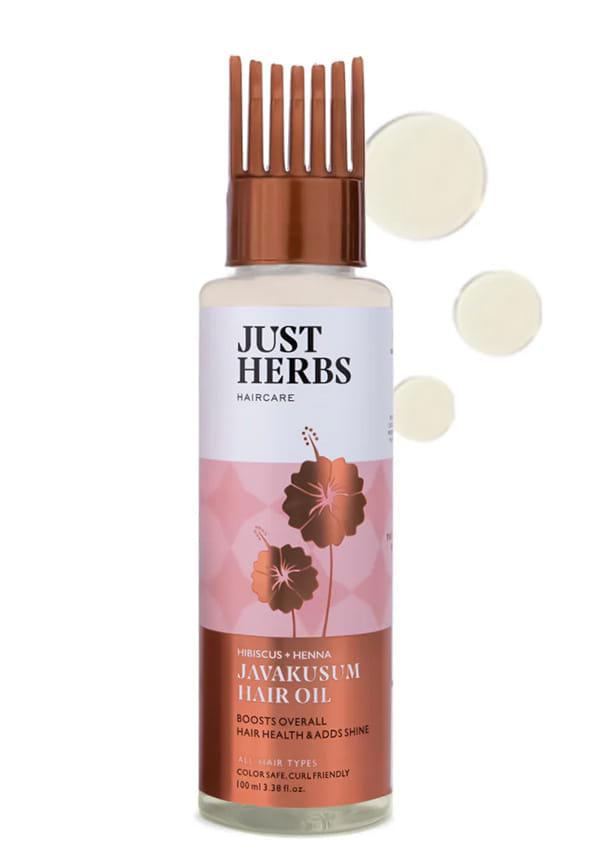
Javakusum Hair Oil
Let's be real—your hair has probably been through it. Heat styling, pollution, stress, and just life in general can leave your locks looking less than their best. But here's the thing: one of the oldest beauty secrets might just be the game-changer your hair needs. Hair oiling isn't just something your nan swore by—it's backed by science and could be your ticket to healthier, stronger hair. The benefits of oiling hair go way beyond what you might expect, from deep conditioning to protecting against damage. Ready to discover why this ancient practice is having such a major moment?
Turns out, there's proper science behind why hair oiling works so well. When you massage oil into your hair and scalp, you're not just following tradition—you're giving your hair some serious TLC that it can actually use. Hair oil benefits start at the molecular level. Oils like coconut and olive oil have small molecules that can actually penetrate the hair shaft, unlike some conditioners that just sit on the surface. This means they can strengthen your hair from the inside out, improving its elasticity and making it less likely to snap when you're brushing or styling. The deep conditioning power of oils is pretty impressive too. They create a protective layer around each strand, sealing the cuticles and locking in moisture. This is especially brilliant if you've got dry or damaged hair that's crying out for some hydration. But here's where it gets really interesting—regular oiling can actually protect your hair from future damage. Whether it's heat from your straighteners, UV rays from the sun, or just everyday environmental nasties, a good hair oil treatment creates a barrier that helps shield your strands. Your scalp gets some love too. The massage action boosts blood circulation, which means more nutrients reach your hair follicles. Plus, many natural hair oils have antimicrobial properties that can help keep your scalp healthy and balanced.
Not all oils are created equal, and what works for your mate might not be your hair's cup of tea. Let's break down which oils work best for different hair types and concerns.
If your hair feels like straw and breaks at the slightest touch, these oils are your new best friends. Coconut oil is the MVP here—its unique structure allows it to penetrate deeply and prevent protein loss. Argan oil brings vitamin E and essential fatty acids to the party, whilst jojoba oil mimics your scalp's natural sebum, making it perfect for balancing moisture levels.
Looking to boost growth? Hair growth oil options like rosemary oil have compounds that can improve circulation to your scalp. Castor oil contains ricinoleic acid, which has anti-inflammatory properties that might help create a healthier environment for hair growth. Pumpkin seed oil is another interesting one—some studies suggest it might help block DHT, a hormone linked to hair loss.
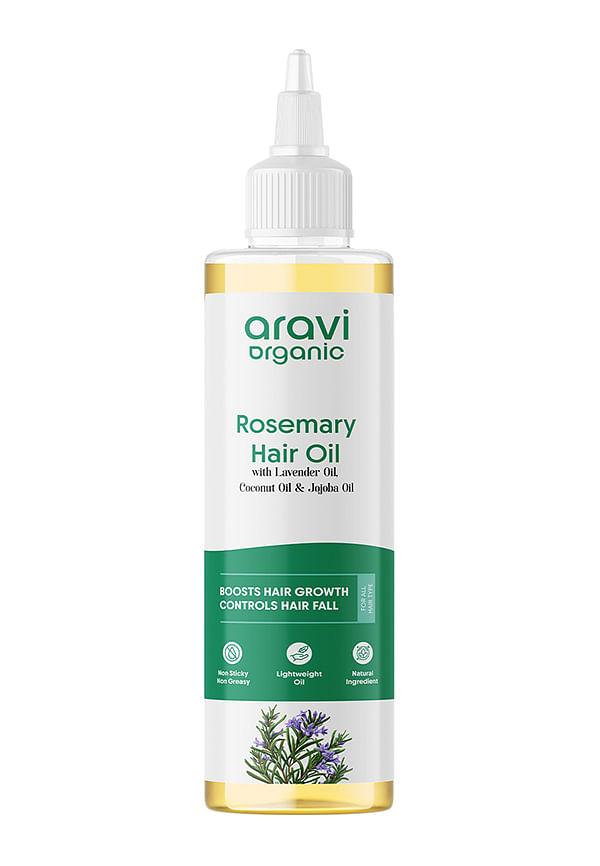
Rosemary Lavender Hair Growth Hair Oil
If you've been a bit heavy-handed with the bleach or heat styling, your hair needs some serious repair work. Olive oil is packed with antioxidants that can help protect against further damage. Avocado oil strikes a brilliant balance between protein and moisture, whilst sweet almond oil is lightweight enough for fine hair but still delivers proper nourishment.
Getting your oiling hair routine right is key to seeing proper results. It's not just about slapping some oil on and hoping for the best—there's a method to the madness. Start by assessing your hair type and current condition. Is it dry, oily, damaged, or relatively healthy? This will help you choose the right oil and determine how often you should be oiling. Fine hair might only need a light treatment once a week, whilst thick, dry hair could handle more frequent sessions.
Before you start, make sure your hair is detangled and your scalp is clean-ish (it doesn't need to be freshly washed, but avoid doing this on day-three hair). Warm your oil slightly—not hot, just pleasantly warm—as this helps with absorption.
Section your hair into manageable parts. Start with your scalp, using your fingertips to massage the oil in circular motions. Work your way down to the lengths and ends, paying extra attention to any particularly dry or damaged areas. Don't forget the back sections—they're easy to miss but need love too.
For most people, leaving oil on for 30 minutes to 2 hours before washing gives brilliant results. If you want to try overnight treatments, start slowly to see how your hair responds. As for frequency, once or twice a week is usually spot on, but you might need to adjust based on your hair's needs and the season.
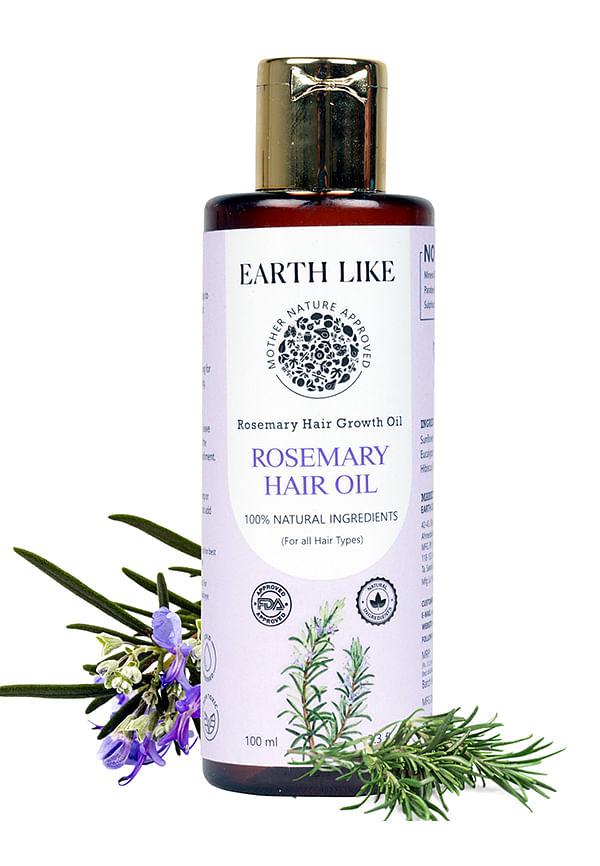
Rosemary Hair Growth Oil – Reduces Hair Fall & Strengthens Roots
Best Product from Smytten
 5
5“cost is the best and best product from smytten application”
Strong Scent with Dropper
4“The smell is very powerful and also comes with a dropper”
Heavy Smell, Cooling Effect
4“heavy smell,but cooling effect”
The massage part of oiling isn't just relaxing (though it definitely is that)—it's actually crucial for getting the most out of your treatment. Scalp massage benefits go beyond just working the oil in properly. When you massage your scalp, you're boosting blood circulation, which means more oxygen and nutrients reach your hair follicles. This improved circulation might help promote healthier hair growth and could even help wake up dormant follicles. The stress-busting effects are real too. High cortisol levels can mess with your hair growth cycle, so anything that helps you chill out is doing your hair a favour. Plus, the physical action of massage helps the oil penetrate more deeply into both your scalp and hair shaft. Use firm but gentle pressure, and don't rush it. Spend at least 5-10 minutes massaging your scalp—your hair (and your stress levels) will thank you for it.
Even though hair oiling seems straightforward, there are some pitfalls that can turn this beneficial practice into a bit of a disaster. Let's talk about what not to do. First up—using too much oil. More isn't always better, and drowning your hair in oil will just make it greasy and difficult to wash out. Start with less than you think you need; you can always add more. Another biggie is choosing the wrong oil for your hair type. Hair oil for dry hair needs might be completely different from what works for oily or fine hair. Coconut oil, whilst brilliant for many people, can actually make some hair types feel dry and brittle. Skipping the scalp is a missed opportunity. Your scalp produces the natural oils that keep your hair healthy, so giving it some attention during your oiling routine makes sense. Just be gentle—aggressive scrubbing can cause irritation. Finally, not washing the oil out properly can leave you with limp, greasy hair that looks worse than when you started. Use a gentle shampoo and don't be afraid to wash twice if needed.
Overnight oiling has become quite the trend, but is it actually worth the faff? The answer depends on your hair type and how you go about it. The main advantage is time—leaving oil on for 8+ hours gives it plenty of opportunity to penetrate deeply and work its magic. This can be especially beneficial for very dry or damaged hair that needs intensive treatment. However, there are some downsides to consider. Sleeping with oily hair can be messy (invest in some old pillowcases), and some people find that leaving oil on too long can actually make their hair feel drier or more brittle. If you want to try overnight treatments, start with just the ends of your hair rather than your whole head. Use a lighter oil like jojoba or sweet almond, and protect your pillows with a silk or satin pillowcase that won't absorb all the oil.
Whilst traditional oiling practices have been around for centuries, modern haircare has found new ways to incorporate these benefits. Today's hair oil for damaged hair formulations often combine traditional oils with newer ingredients for enhanced results. Many people are discovering that oils can work brilliantly alongside their regular haircare routine. You might use a pre-shampoo treatment once a week, a leave-in oil for styling, or a scalp treatment for specific concerns. The beauty of exploring different hair oils is that you can find what works specifically for your hair's needs. With platforms like Smytten, you can try mini versions of different hair oil treatments before committing to full-size products. This takes the guesswork out of finding your perfect match and means you're not stuck with a bottle of oil that doesn't work for your hair type.
For most hair types, once or twice a week is perfect. If you have very dry or damaged hair, you might benefit from more frequent treatments, whilst those with fine or oily hair should stick to once a week or less.
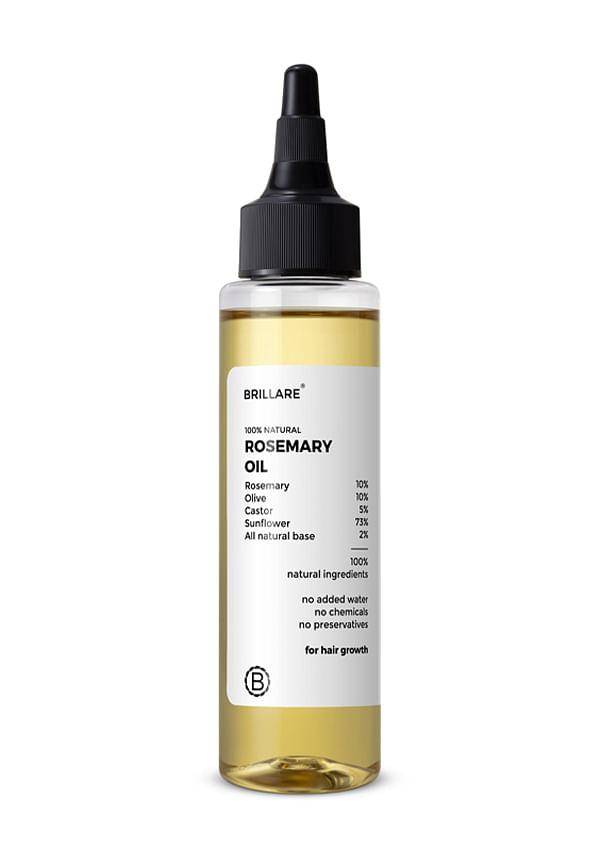
Rosemary oil
Very nice product
5“very nice and good product....”
Works for hair fall, strong smell
5“works for hair fall, has a very strong smell but ok”
Works for hair fall, strong smell
5“works for hair fall, has a very strong smell but ok”
Daily oiling isn't necessary for most people and can actually lead to product buildup or greasy hair. However, if you have very dry hair or live in a harsh climate, a tiny amount of lightweight oil on the ends daily might help.
Rosemary oil has the most research backing its hair growth benefits, but castor oil and pumpkin seed oil also show promise. Remember, no oil is a miracle cure—healthy hair growth depends on many factors including diet, stress levels, and overall health.
Anywhere from 30 minutes to 2 hours before washing gives great results. Overnight treatments can work for some people, but they're not necessary and might not suit everyone.
Pre-wash oiling is generally more beneficial as it protects your hair during the washing process and allows for deeper penetration. Post-wash oils are better for styling and adding shine.
The benefits of oiling hair are pretty compelling when you look at the science behind this ancient practice. From strengthening your hair structure to protecting against damage and promoting scalp health, regular oiling can be a game-changer for your haircare routine. The key is finding the right approach for your specific hair type and needs. Whether you're dealing with dryness, damage, or just want to maintain healthy hair, there's likely an oil and routine that will work for you. Smytten makes it easy to explore different hair oil options without the commitment of buying full-size products. With curated trial packs from trusted brands, you can discover which natural hair oils work best for your hair before making a larger investment. After all, why settle for guesswork when you can try it all and find your perfect hair oil match?
