How to Understand Oily Hair Causes Explained


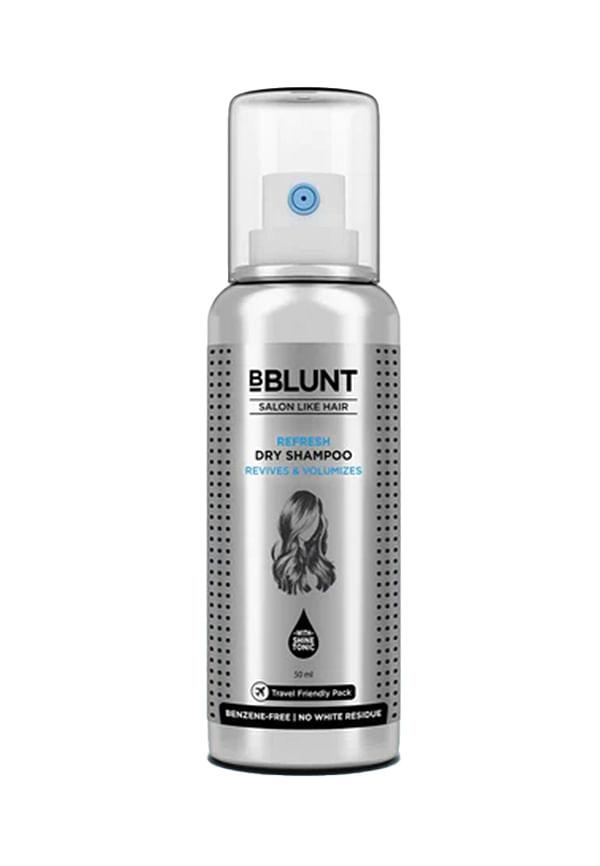
Refresh Dry Shampoo
Great Fragrance
 4
4“love the fragrance of this dry shampoo”
Effective Moisturizing & Frizz Control
5“effectively moisturizing dry hair, combating frizz, and providing a pleasant fragrance”
Good for Oilyness, Lacks Volume
4“good for oilyness, not much volume tho”
Let's be real—dealing with oily hair can feel like a never-ending battle. One day your hair looks fresh, and the next it's giving off serious grease vibes that no amount of dry shampoo can fix. If you've been wondering why your scalp seems to produce enough oil to fuel a small engine, you're not alone. Understanding oily hair causes explained is the first step to getting your locks back under control. From hormonal chaos to product mistakes you might not even realise you're making, there's usually a clear reason behind that unwanted shine. The good news? Once you know what's causing the issue, you can actually do something about it.
Your scalp naturally produces an oily substance called sebum through tiny glands called sebaceous glands. Think of these glands as your hair's built-in conditioning system—they're meant to keep your scalp moisturised and protect your hair from damage. The problem starts when these glands go into overdrive mode.
Normal sebum production is actually brilliant for your hair health. It creates a protective barrier, adds natural shine, and keeps your scalp from getting too dry. But when excessive sebum kicks in, that's when things get messy. The oil doesn't just stay put on your scalp—it travels down each hair strand, coating everything in its path.
Here's how it works: each hair follicle has its own sebaceous gland attached. When these glands produce too much oil, it seeps out through the follicle opening and spreads along the hair shaft. This is why your roots always look greasier first—they're closest to the source.
Signs that your scalp is producing too much oil include:
Hair looking greasy within 24 hours of washing
Scalp feeling slick to the touch
Hair appearing flat and lifeless
Difficulty holding hairstyles
Visible oil buildup at the roots
Understanding what triggers your scalp to produce excess oil is crucial for finding the right solution. These seven factors are the most common culprits behind greasy hair, and chances are, at least one of them is affecting you.
Hormones are probably the biggest troublemaker when it comes to oily hair. Your sebaceous glands have hormone receptors, which means they respond directly to changes in your hormone levels. During puberty, pregnancy, or menopause, these fluctuations can send your oil production into chaos.
Teenagers often struggle with oily hair because their bodies are producing higher levels of androgens—hormones that stimulate sebum production. PCOS can also cause similar issues due to elevated androgen levels. Even your monthly cycle can affect how oily your hair gets.
Sometimes oily hair is simply in your DNA. If your parents dealt with greasy hair, there's a good chance you will too. Your genes determine how active your sebaceous glands are and how much oil they naturally produce.
Different ethnic backgrounds also tend to have varying levels of natural oil production. This isn't something you can change, but understanding your genetic predisposition helps you choose the right haircare approach.
Your environment plays a bigger role than you might think. High humidity can make your hair look greasier because moisture in the air affects how oil sits on your hair. Hot weather also stimulates your sebaceous glands to produce more oil.
Stress is another major trigger. When you're stressed, your body produces more cortisol, which can increase sebum production. Poor sleep patterns and intense exercise sessions can also contribute to oily hair issues.
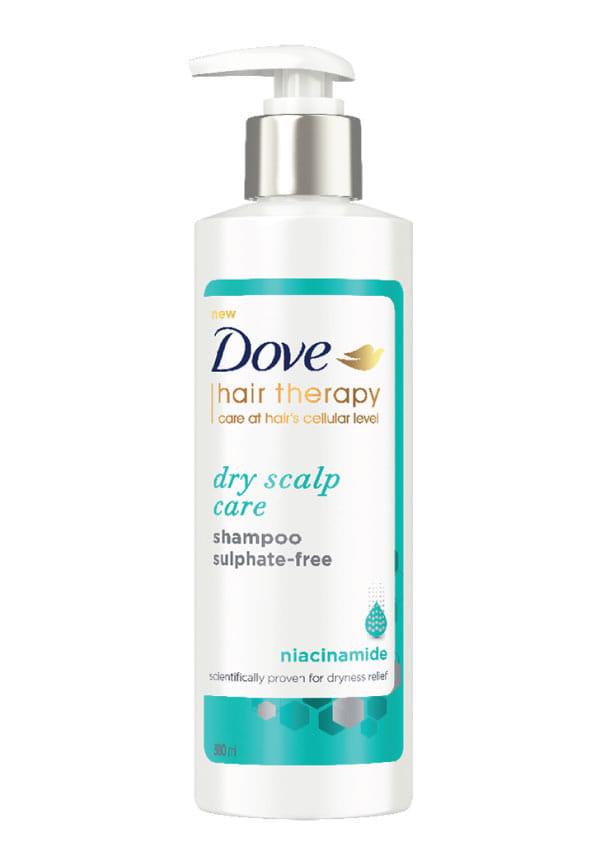
Hair Therapy Dry Scalp Care Sulphate-Free Shampoo
Sometimes the very things we do to combat oily hair actually make the problem worse. These common mistakes might be sabotaging your efforts without you realising it.
This might sound counterintuitive, but washing your hair too frequently can actually increase oil production. When you strip away all the natural oils with harsh shampoos, your scalp panics and produces even more oil to compensate.
This creates a vicious cycle—the more you wash, the oilier your hair gets, so you wash even more. Finding the right washing frequency is key to breaking this pattern.
Heavy conditioners, oils, and products with silicones can weigh down oily hair and make it look greasier. Many people with oily hair skip conditioner entirely, but this can actually make things worse by causing your scalp to overcompensate.
Products with ingredients like coconut oil, shea butter, or heavy silicones can build up on oily hair and create that unwanted greasy appearance.
Brushing your hair too aggressively can stimulate your sebaceous glands and spread oil from your scalp down to your hair ends. Using hot water when washing can also trigger more oil production.
Constantly touching your hair throughout the day transfers oils from your hands to your hair, making it look greasier faster than it naturally would.
What you eat can significantly affect how much oil your scalp produces. High-glycemic foods like white bread, sugary snacks, and processed foods can spike your insulin levels, which may increase sebum production.
Dairy products have also been linked to increased oil production in some people. The hormones naturally present in dairy can potentially trigger your sebaceous glands to work overtime.
On the flip side, foods rich in omega-3 fatty acids can help balance oil production. Think salmon, walnuts, and flaxseeds. Staying properly hydrated is also crucial—when your body is dehydrated, it might produce more oil to compensate.
Key nutrients for healthy scalp oil control include:
Zinc for regulating sebum production
Vitamin B6 for hormone balance
Vitamin E for scalp health
Biotin for overall hair health
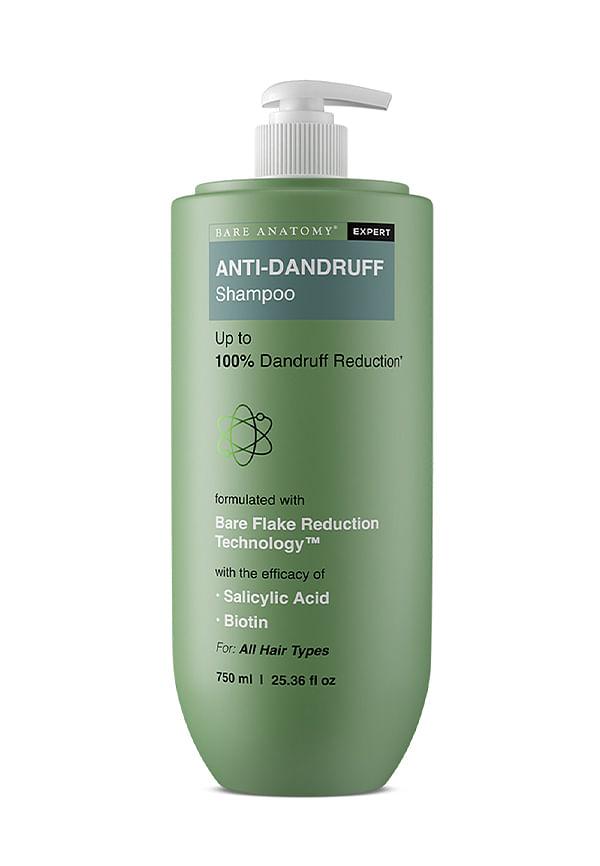
Anti Dandruff Shampoo Salicylic Acid Shampoo for Dry and Frizzy Hair
Amazing Shampoo: Silky & Dandruff-Free Hair
5“amazing shampoo and makes your hair silky and dandruff free”
Effective for Hair Improvement
5“Good product to use, hair are getting better due to this product ”
Great Shampoo, Dandruff Control
5“great shampoo with dandruff control”
Now that you understand what's causing your oily hair, let's talk about what actually works to manage it. The key is finding the right balance—you want to control excess oil without completely stripping your scalp.
For most people with oily hair, washing every other day or every two days works best. Daily washing can be too much, but going longer than three days usually leads to obvious greasiness.
Use lukewarm water instead of hot—it's less likely to stimulate oil production. Focus your shampoo on the scalp and roots, not the ends of your hair. Let the suds rinse through the lengths naturally.
Clarifying shampoos are brilliant for removing buildup, but use them sparingly—once or twice a week maximum. Look for lightweight, volumising shampoos for regular use.
Dry shampoo can be a lifesaver between washes, but don't rely on it too heavily. It should extend your style, not replace proper washing. When choosing styling products, go for lightweight mousses or texturising sprays instead of heavy creams or oils.
Apple cider vinegar rinses can help balance your scalp's pH and remove buildup. Mix one part vinegar with three parts water and use it as a final rinse once a week.
Clay masks aren't just for your face—bentonite or kaolin clay can absorb excess oil from your scalp. Tea tree oil has antimicrobial properties that can help keep your scalp healthy, but always dilute it before use.
Managing oily hair is about creating sustainable habits that work with your lifestyle. Start by tracking what affects your hair—does it get oilier during stressful periods? After certain foods? During specific times of the month?
Your routine might need seasonal adjustments. Summer humidity often requires more frequent washing, while winter heating can actually dry out your scalp and trigger more oil production.
Consider professional treatments if home remedies aren't cutting it. Scalp treatments at salons can deep-clean and rebalance your scalp. Some people benefit from prescription treatments for severe cases.
The beauty of platforms like Smytten is that you can try different oily hair solutions without committing to full-size products. With over 1,500 trusted brands offering trial packs, you can experiment with various clarifying shampoos, lightweight conditioners, and scalp treatments to find what works for your specific hair type. Getting up to 8 minis for just ₹249 means you can test multiple products and approaches without breaking the bank.
Oily hair happens when your sebaceous glands produce too much sebum. This can be due to hormones, genetics, overwashing, using the wrong products, or environmental factors like humidity and stress.
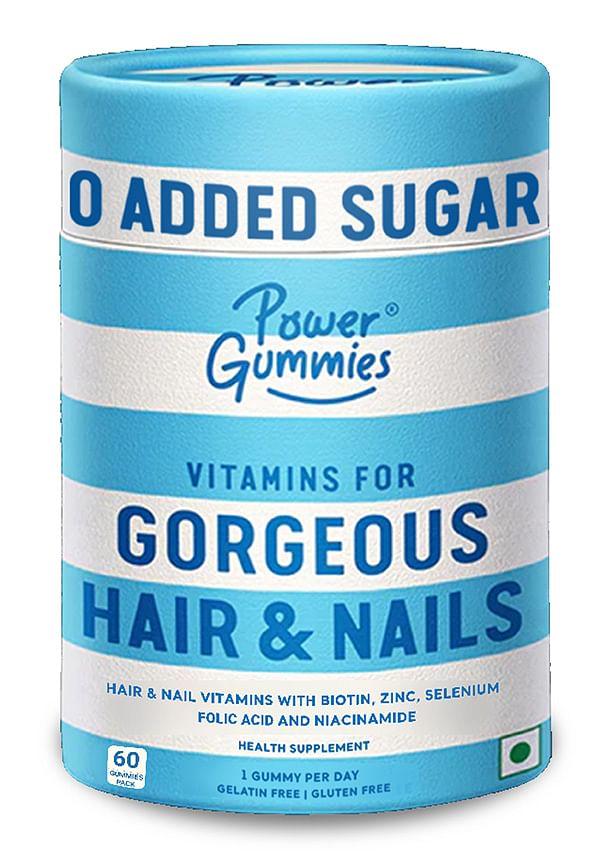
Gorgeous Hair and Nails Gummies, 0 Added Sugar & New Heart Shape
Sudden greasiness often results from hormonal changes, new medications, stress, dietary changes, or switching to products that don't suit your hair type. Sometimes it's just your scalp reacting to environmental changes.
Focus on proper washing frequency (every 1-2 days), use clarifying shampoos weekly, choose lightweight products, avoid overwashing, and consider your diet and stress levels. Finding the right routine takes time.
Excessive oil buildup can clog hair follicles and potentially contribute to hair loss, but oily hair itself doesn't directly cause it. Proper cleansing and scalp care can prevent buildup-related issues.
Curly hair can become oily due to product buildup, using too many heavy oils or creams, hormonal changes, or overwashing which triggers rebound oil production. Curly hair needs different care than straight hair.
An oily scalp can contribute to hair thinning if the excess oil clogs follicles or creates an unhealthy scalp environment. However, it's not the primary cause of pattern baldness or genetic hair loss.
Look for clarifying or volumising shampoos with ingredients like salicylic acid, tea tree oil, or zinc. Avoid heavy, moisturising formulas. Sulfate-free options can work well if they're specifically designed for oily hair.
It typically takes 2-4 weeks to see improvement when you change your routine. Your scalp needs time to adjust to new products and washing frequency. Be patient and consistent with your approach.
Understanding oily hair causes explained is your first step towards healthier, more manageable hair. Whether it's hormones, genetics, or simple product mistakes, there's usually a clear reason behind excessive oil production. The key is finding the right balance for your specific situation.
Remember, managing oily hair isn't about completely eliminating oil—it's about controlling excess production while keeping your scalp healthy. With the right approach, products, and patience, you can definitely get your greasy hair under control.
Smytten makes it easier to find your perfect haircare routine by letting you try products before committing to full sizes. With trial packs from trusted brands and 100% cashback on your trial purchases, you can experiment with different solutions until you find what works. After all, why settle for maybe when you can try it all?
