How to Treat Scalp Thinning: Effective Remedies & Tips
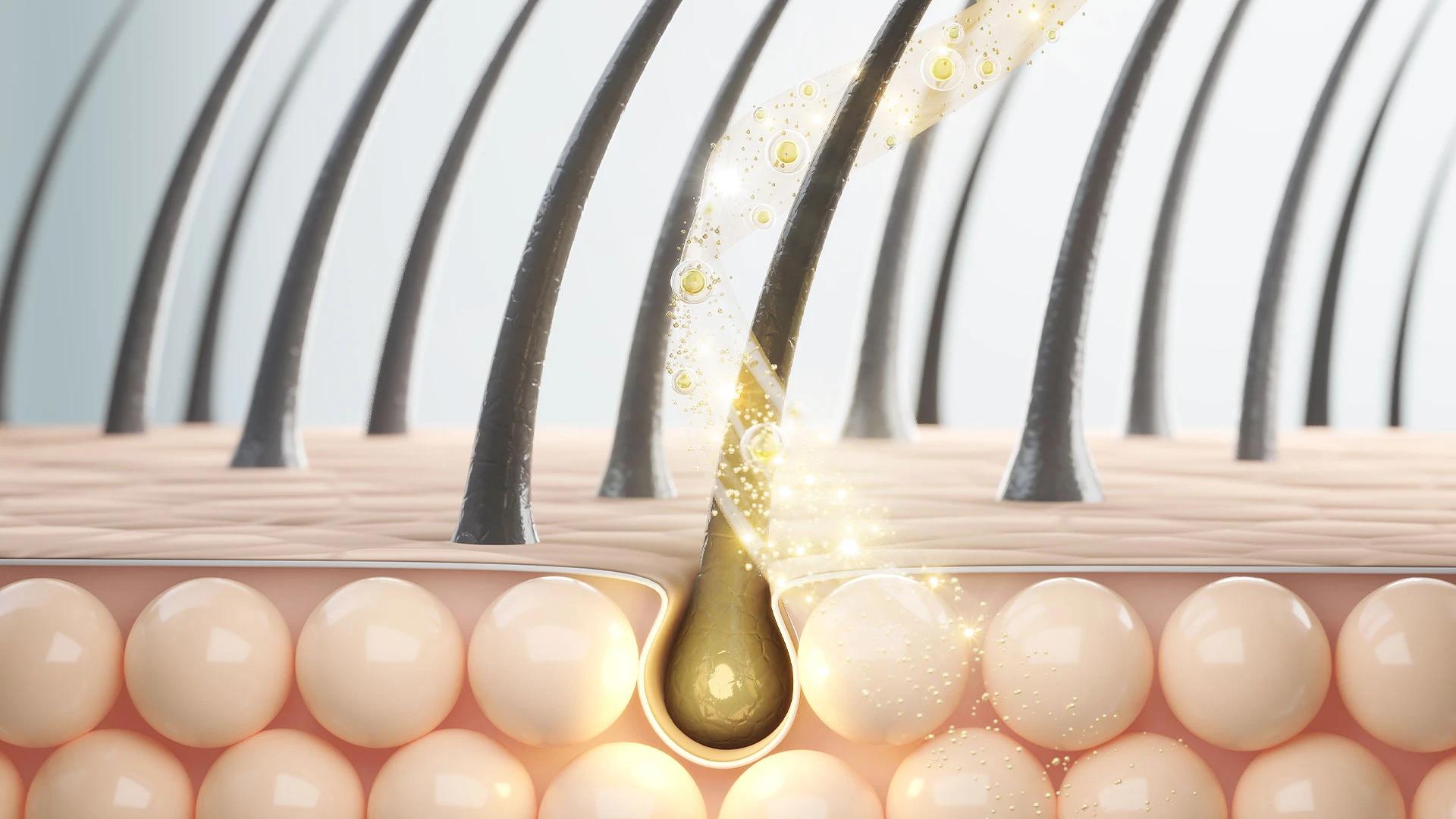

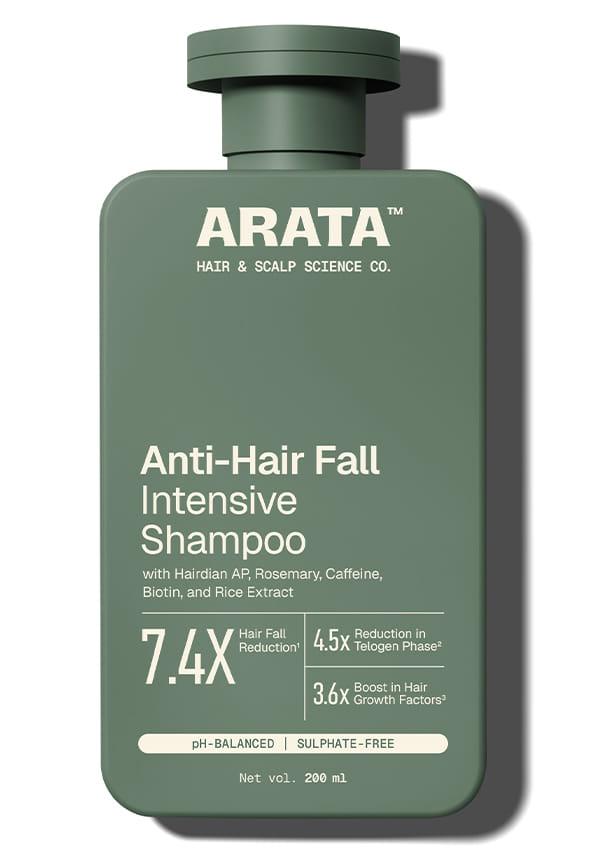
Anti-Hair Fall Intensive Shampoo | Hairdian AP, Caffeine & Rosemary | Hair Fall Reduction | Boost in Hair Growth Factors | Paraben & Sulphate-Free Sh
Needs more usage time
 4
4“ek hi bar hairwash kiya hai toh utna samjh nhi aya but 1-2week use krne ke bad hi samjh ayega”
Nice Shampoo, Reduces Hair Fall
4“Nice shampoo smells good reducing hair fall”
Needs more usage time
4“ek hi bar hairwash kiya hai toh utna samjh nhi aya but 1-2week use krne ke bad hi samjh ayega”
Noticing more hair strands on your pillow or in the shower drain? You're definitely not alone. Scalp thinning affects millions of people worldwide, and whilst it can feel overwhelming at first, the good news is that there are proven ways to address it. From understanding the root causes of scalp thinning to exploring both natural remedies and medical treatments, this guide covers everything you need to know about how to treat scalp thinning effectively. Whether you're dealing with early signs or looking for comprehensive hair regrowth solutions, we'll walk through practical approaches that actually work. Plus, with platforms like Smytten offering trial-sized haircare products, you can test different thinning hair products without committing to full sizes—making your journey to healthier hair both affordable and risk-free.
TL;DR
Scalp thinning has multiple causes including genetics, hormones, stress, and poor nutrition—identifying your specific trigger helps determine the best treatment approach
Medical treatments like minoxidil and professional procedures show proven results, whilst natural remedies like scalp massage and essential oils can support hair health
Prevention strategies including gentle hair care practices, stress management, and proper nutrition are crucial for stopping further thinning
Results from most treatments take 3-6 months to become visible, so patience and consistency are key to success
Professional help should be sought if you notice rapid hair loss, patchy areas, or scalp irritation
Before diving into how to treat scalp thinning, it's essential to understand what you're actually dealing with. Scalp thinning differs from complete hair loss—it's a gradual reduction in hair density where individual strands become finer and the overall volume decreases. Think of it as your hair slowly losing its oomph rather than disappearing entirely.
The causes of scalp thinning are surprisingly varied. Genetics plays a major role, with androgenetic alopecia (pattern hair loss) being the most common culprit. Hormonal changes, particularly fluctuations in oestrogen and testosterone, can trigger thinning episodes. Chronic stress literally puts your hair follicles into survival mode, whilst nutritional deficiencies—especially iron, protein, and B vitamins—starve your scalp of what it needs to produce healthy strands.
Early detection makes treatment more effective. Watch for a wider parting, increased hair shedding during washing, or that feeling that your ponytail isn't as thick as it used to be. Your hairline might start looking less defined, or you might notice your scalp showing through more than before.
Men typically experience receding hairlines and crown thinning, whilst women often see diffuse thinning across the entire scalp. Female pattern hair loss tends to preserve the hairline but creates overall volume reduction. Understanding these patterns helps determine which hair loss treatment for women or men will be most effective.
When it comes to proven results, medical treatments lead the pack. These aren't miracle cures, but they're backed by solid research and can genuinely help with hair regrowth solutions. The key is managing expectations—most treatments slow down thinning and encourage regrowth rather than completely reversing advanced hair loss.
Minoxidil, commonly known as Rogaine, remains the gold standard for treating scalp thinning. This topical solution works by increasing blood flow to hair follicles and extending the growth phase of hair. You'll need to apply it consistently—twice daily for most formulations—and results typically become visible after 3-4 months of regular use.
PRP (Platelet-Rich Plasma) therapy involves injecting your own concentrated platelets into the scalp to stimulate hair follicles. It's one of the best treatments for thinning hair because it uses your body's natural healing factors. Sessions are typically spaced 4-6 weeks apart, with most people seeing improvements after 3-4 treatments.
LLLT devices use specific wavelengths of light to stimulate cellular activity in hair follicles. These treatments can be done at home with FDA-cleared devices or in professional settings. The process is painless and typically requires 20-30 minute sessions several times per week.
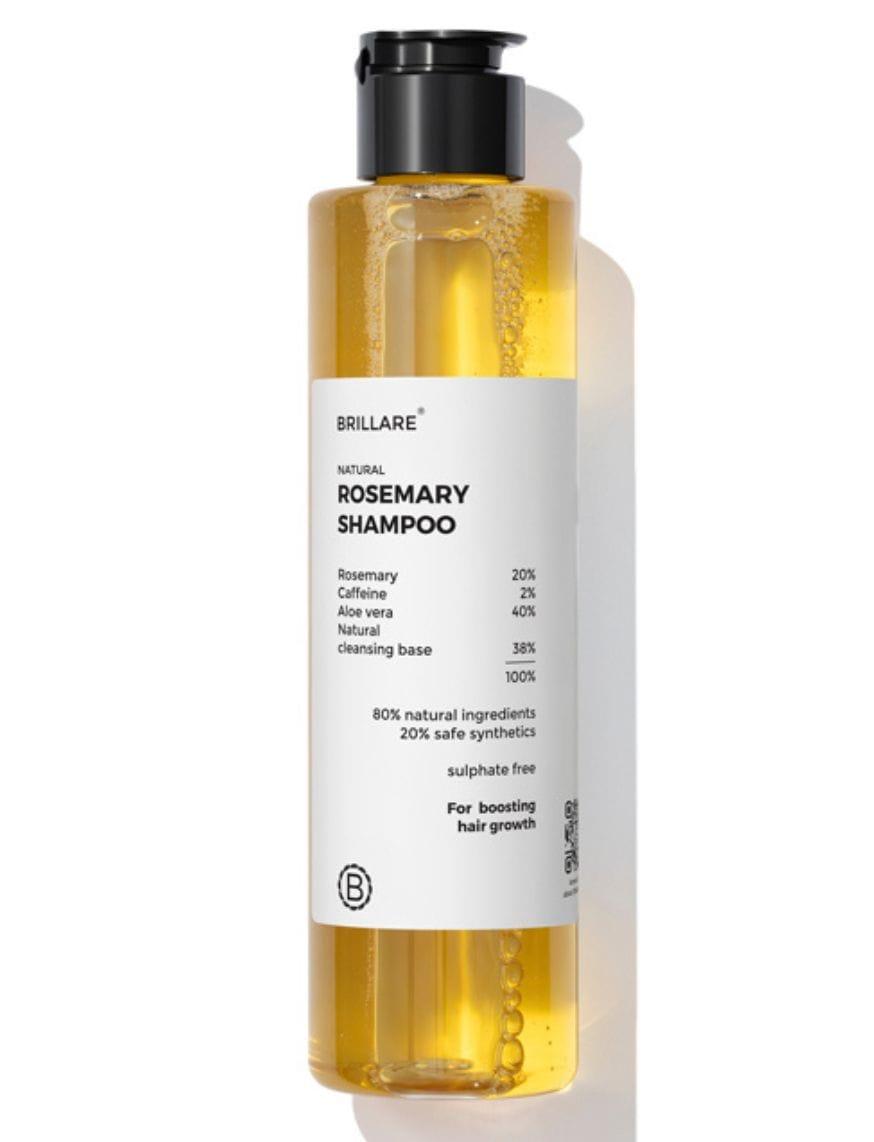
20% Rosemary Shampoo with 2% Caffeine for Hair Growth & Hair Fall Control
Good Smell
5“Smells good. ”
Good Smell
5“Smells good. ”
Good Product
5“i love this product i works good”
Natural remedies for scalp thinning won't work overnight, but they can be surprisingly effective when used consistently. The beauty of these approaches is that they're generally safe, affordable, and can complement medical treatments. Plus, they often improve overall scalp health, which benefits your hair in multiple ways.
Scalp massage deserves serious attention as a scalp thinning remedy. Just 4-5 minutes of daily massage using your fingertips can increase blood circulation to hair follicles. The mechanical stimulation may also help stretch the cells within hair follicles, potentially encouraging thicker hair growth.
Rosemary oil has shown impressive results in studies, performing as well as minoxidil in some trials. Mix a few drops with a carrier oil like jojoba or coconut oil before applying to your scalp. Peppermint oil creates a cooling sensation that may stimulate blood flow, whilst cedarwood oil has been traditionally used for hair health.
Onion juice might sound bizarre, but it's rich in sulphur compounds that may boost collagen production and improve circulation. Apply fresh onion juice to your scalp, leave for 15-20 minutes, then wash thoroughly. Green tea rinses provide antioxidants that may help block DHT, the hormone responsible for pattern hair loss.
The right thinning hair products can make a noticeable difference in both the appearance and health of your hair. However, with countless options available, knowing what actually works versus what's just clever marketing becomes crucial. Focus on products with proven ingredients rather than flashy packaging or bold claims.
Specialised shampoos containing ketoconazole, caffeine, or saw palmetto can help create a healthier scalp environment. These ingredients may reduce inflammation and DHT levels on the scalp. Look for gentle, sulphate-free formulations that won't strip your already fragile hair.
Volumising mousses and root-lifting sprays can create the illusion of thicker hair whilst you're working on actual regrowth. Hair fibres made from keratin can temporarily fill in sparse areas, giving you confidence whilst your treatment plan takes effect. Apply these products to clean, slightly damp hair for best results.
Peptide-based serums and growth factors can support the hair growth cycle. Look for products containing adenosine, copper peptides, or growth factors. These ingredients work at the cellular level to potentially extend the growth phase of hair and improve follicle health.
Prevention often proves more effective than treatment when it comes to hair thinning. The goal is to create optimal conditions for your existing hair whilst protecting what you have from further damage. Small changes in your daily routine can have surprisingly significant long-term effects on hair health.
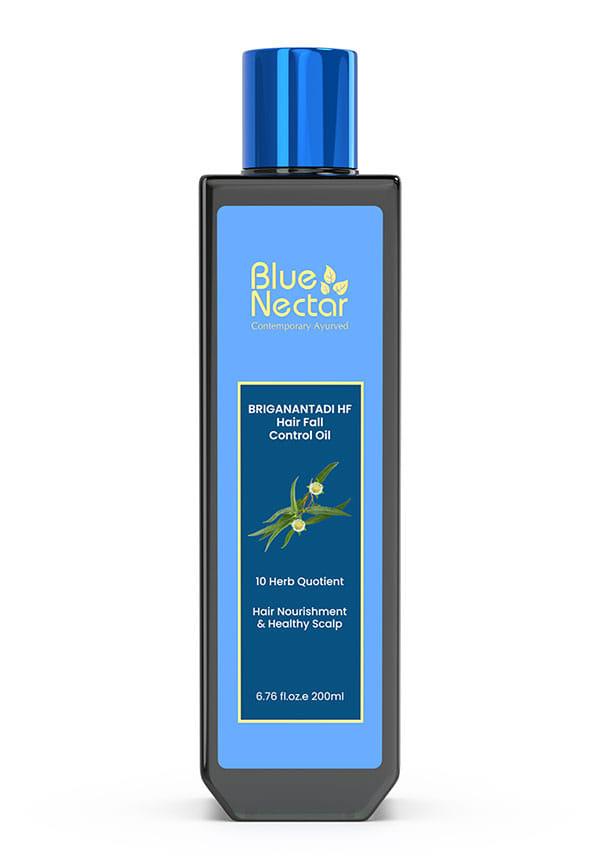
Briganantadi Hair Fall control and Healthy Scalp Hair Oil 10 Herbs
Gentle hair care practices form the foundation of hair thinning prevention. Overwashing strips natural oils, whilst underwashing allows buildup that can clog follicles. Most people with thinning hair benefit from washing every other day with lukewarm water and gentle, circular motions rather than aggressive scrubbing.
Excessive heat styling weakens hair shafts and can damage follicles over time. When you do use heat tools, always apply a thermal protectant and keep temperatures below 180°C. Air-drying whenever possible gives your hair a break from potential damage.
Chronic stress triggers cortisol release, which can push hair follicles into a resting phase prematurely. Regular exercise, meditation, or even simple breathing exercises can help manage stress levels. Quality sleep is equally important—your body repairs and regenerates hair follicles primarily during deep sleep phases.
Creating a consistent routine specifically designed for thinning hair helps maximise the effectiveness of any treatments you're using. The key is being gentle yet thorough, ensuring your scalp stays clean and healthy without causing additional stress to fragile hair follicles.
Your morning routine should start with gentle detangling using a wide-tooth comb on damp hair. If you're using topical treatments like minoxidil, apply them to a clean, dry scalp before styling. Choose lightweight styling products that won't weigh down fine hair or clog follicles.
Evening is the perfect time for scalp treatments and massage. Your body's natural repair processes are most active during sleep, so this is when growth-promoting treatments can be most effective. Gentle brushing with a boar bristle brush can distribute natural oils and stimulate circulation.
Once or twice weekly, treat your scalp to deeper care. This might include a clarifying shampoo to remove buildup, followed by a nourishing hair mask. Scalp exfoliation using gentle scrubs or chemical exfoliants can help remove dead skin cells that might clog follicles.
While many cases of scalp thinning can be managed with over-the-counter treatments and lifestyle changes, certain situations require professional intervention. Recognising these red flags early can prevent further hair loss and help you access the most effective treatments available.
Rapid hair loss—losing large amounts of hair suddenly rather than gradually—often indicates an underlying condition that needs medical attention. Patchy hair loss, scalp irritation, burning sensations, or unusual hair textures can signal autoimmune conditions, infections, or other health issues that require proper diagnosis.
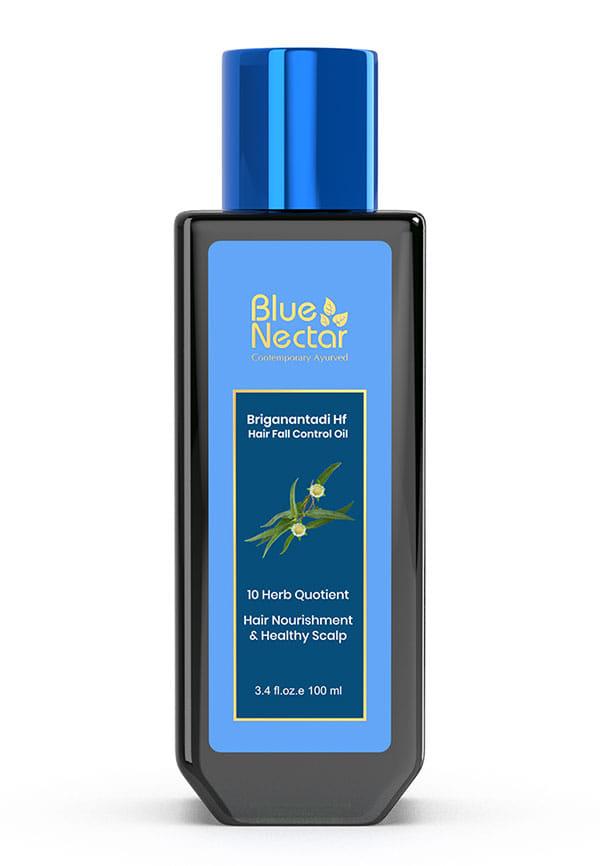
Briganantadi Hair Fall control and Healthy Scalp Hair Oil 10 Herbs
Dermatologists specialise in scalp and hair conditions and can prescribe medications like finasteride or stronger minoxidil formulations. Trichologists focus specifically on hair and scalp health, offering detailed analysis of your hair's condition and personalised treatment plans.
A thorough consultation typically includes a detailed medical history, scalp examination, and possibly blood tests to check for nutritional deficiencies or hormonal imbalances. Some specialists use dermoscopy or other imaging techniques to examine hair follicles closely and assess the extent of thinning.
The reversibility of scalp thinning depends largely on the underlying cause and how long the condition has been present. Early-stage thinning caused by stress, nutrition, or hormonal changes often responds well to treatment. However, advanced genetic hair loss typically can't be completely reversed, though progression can be slowed and some regrowth achieved. Most people see improvement rather than complete restoration.
Most treatments require 3-6 months of consistent use before visible results appear. This timeline reflects the natural hair growth cycle—hair follicles need time to shift from resting to active growth phases. Topical treatments like minoxidil typically show initial results around the 3-4 month mark, whilst natural remedies may take longer to demonstrate effectiveness.
Yes, treatment approaches often differ between genders due to different thinning patterns and hormonal factors. Men typically benefit from DHT-blocking treatments like finasteride, whilst women may need to address hormonal fluctuations, iron deficiency, or stress-related factors. Women also have different safety considerations for certain medications, particularly during pregnancy or breastfeeding.
Natural remedies can be effective for mild thinning and as supportive treatments, but medical treatments generally show more dramatic and faster results for moderate to severe hair loss. Natural approaches work best when combined with proven medical treatments rather than as standalone solutions. They're excellent for overall scalp health and may help maximise the effectiveness of medical treatments.
Treatment costs vary widely depending on the approach. Over-the-counter minoxidil costs around ₹500-1,500 monthly, whilst prescription treatments may range from ₹1,000-3,000 monthly. Professional procedures like PRP therapy can cost ₹8,000-15,000 per session. Natural remedies and basic hair care products are generally the most affordable option, typically under ₹1,000 monthly. When exploring different products, Smytten's trial packs let you test various treatments affordably before committing to full-size purchases.
Treating scalp thinning successfully requires a combination of patience, consistency, and the right approach for your specific situation. Medical treatments like minoxidil offer proven results but require long-term commitment, whilst natural remedies can provide valuable support and improve overall scalp health. Prevention strategies—including gentle hair care, stress management, and proper nutrition—are equally important as active treatments.
Remember that hair regrowth is a gradual process that typically takes several months to become visible. The most effective approach often combines multiple strategies: medical treatments for proven results, natural remedies for scalp health, and lifestyle changes for prevention. Don't expect overnight miracles, but do expect improvement with consistent effort.
Dealing with scalp thinning can feel overwhelming, but you're not powerless against it. With the right combination of treatments, lifestyle changes, and patience, most people can achieve meaningful improvement in their hair health. The key is starting early, staying consistent, and being realistic about timelines and expectations. Smytten is India's largest product discovery and trial platform, connecting consumers with top lifestyle, beauty, wellness, and grooming brands. At its core, Smytten offers curated trial packs - mini-sized products from over 2,400 trusted brands such as Cetaphil, Dot & Key, True Elements, Oziva, Renee, Swiss Beauty Love, Beauty & Planet, WishCare, Carlton London and Bella Vita. This lets users explore and experience products before committing to full-size purchases, making it easier to find the right thinning hair products for your specific needs. Each mini is linked with Trial Points, and users can get up to 10 Trial Points for just ₹279. Plus, Smytten offers 100% cashback on the purchase of these minis, redeemable in the shop section for future orders, making product discovery both affordable and rewarding. With over 28 million users and 100 million trial minis delivered across 90% pin code coverage, Smytten helps you make smarter, more confident choices in your hair care journey. After all, why settle for 'maybe' when you can #TryItAll!
