How to Treat Scalp Infections in Men: A Quick Guide

Tea Tree Anti Dandruff and Healthy Scalp Oil 12 Herbs
Dealing with scalp infections can be frustrating, especially when you're not sure what's causing that persistent itch, flaking, or irritation. For men, scalp issues often get overlooked until they become serious enough to affect hair health or confidence. Whether it's stubborn dandruff that won't budge, mysterious bald patches appearing overnight, or an itchy scalp that's driving you mad, understanding how to treat scalp infections properly can save you from weeks of discomfort and potential hair loss. The good news? Most scalp infections respond well to the right treatment approach when you know what you're dealing with. From antifungal shampoos to targeted home remedies, there are effective solutions available that can get your scalp back to its healthy state. With platforms like Smytten offering trial-sized treatments from trusted brands, you can test different approaches without committing to full-size products, making it easier to find what actually works for your specific scalp concerns.
Scalp infections in men range from fungal conditions like ringworm to bacterial folliculitis and inflammatory conditions like seborrheic dermatitis
Antifungal shampoos with ketoconazole, selenium sulfide, or zinc pyrithione are first-line treatments for most scalp fungus issues
Natural remedies like tea tree oil and apple cider vinegar can complement medical treatments but shouldn't replace them for severe infections
Professional treatment with oral antifungals may be necessary for persistent or widespread scalp infections
Early intervention prevents hair loss and reduces the risk of spreading infections to others
Scalp infections affect millions of men worldwide, yet many struggle to identify what they're actually dealing with. The scalp's warm, moist environment creates perfect conditions for various microorganisms to thrive, leading to different types of infections that require specific treatment approaches.
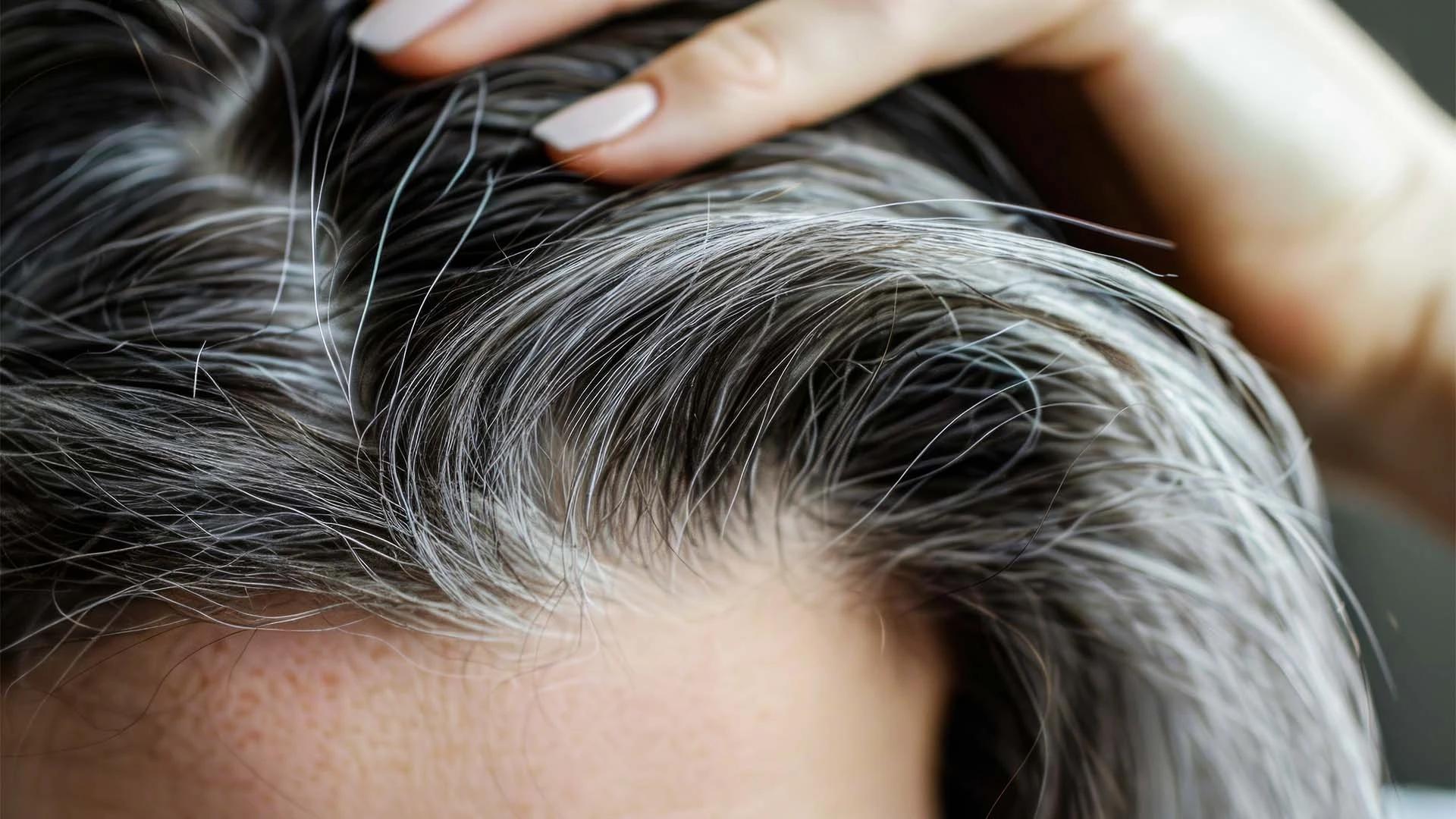
Scalp fungus treatment men often need varies depending on the specific fungal infection. Ringworm (fancy name: tinea capitis) appears as circular, scaly patches with broken hair shafts. This highly contagious condition spreads through direct contact or shared items like combs and hats.
Seborrheic dermatitis in men's scalps presents as yellowish, greasy scales accompanied by redness and itching. Unlike simple dandruff, this inflammatory condition affects oil-rich areas and can extend beyond the scalp to eyebrows and beard areas.
Folliculitis scalp treatment men require depends on whether the infection is bacterial or fungal. Bacterial folliculitis shows up as small, pus-filled bumps around hair follicles, whilst fungal folliculitis appears as uniform, itchy pustules that don't respond to antibacterial treatments.
Psoriasis on the scalp isn't technically an infection but an autoimmune condition that creates thick, silvery scales. It's often confused with other scalp conditions but requires different treatment approaches.
Recognising symptoms early can prevent complications and hair loss from scalp infection men experience. Look out for persistent itching that worsens at night, unusual flaking that doesn't improve with regular shampoo, red or inflamed patches that feel tender to touch, and any areas where hair breaks off at the scalp level.
Unusual odours from the scalp, especially musty or sour smells, often indicate fungal overgrowth. Pustules or bumps that appear suddenly and spread rapidly need immediate attention, as do any bald patches that develop without obvious cause.
When it comes to scalp fungus treatment men can rely on, medicated shampoos form the foundation of most treatment plans. These specialised formulations target the root cause whilst being gentle enough for regular use.
Ketoconazole stands as the gold standard for severe fungal infections. Available in 1% over-the-counter formulations and 2% prescription strength, it penetrates deep into hair follicles to eliminate stubborn fungi. Brands like Nizoral have proven track records for treating persistent scalp infections.
Selenium sulfide works brilliantly for maintenance therapy and mild to moderate infections. It slows down cell turnover whilst fighting fungal growth, making it ideal for long-term scalp health management.
Zinc pyrithione offers gentle yet effective antifungal action suitable for sensitive scalps. It's often found in combination formulas that address multiple scalp concerns simultaneously.
Tea Tree Anti Dandruff and Healthy Scalp Oil 12 Herbs
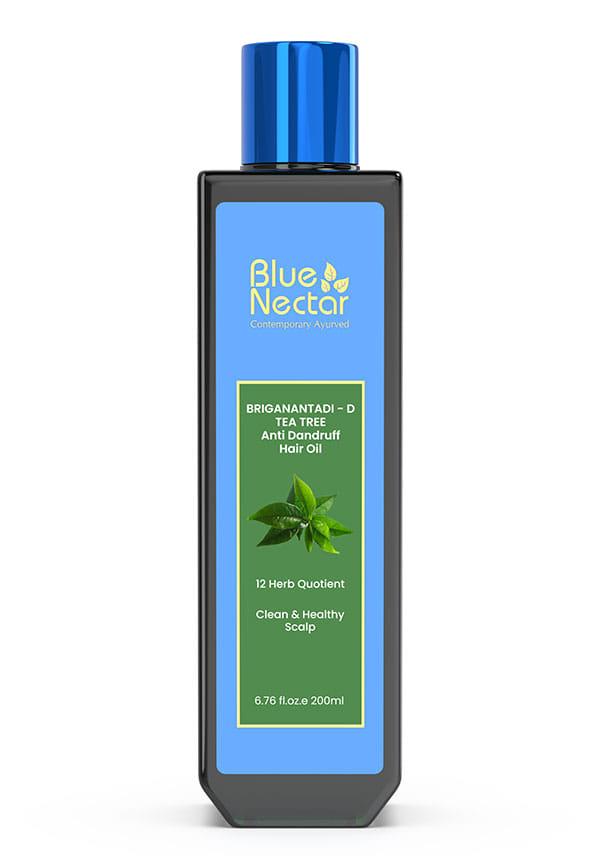
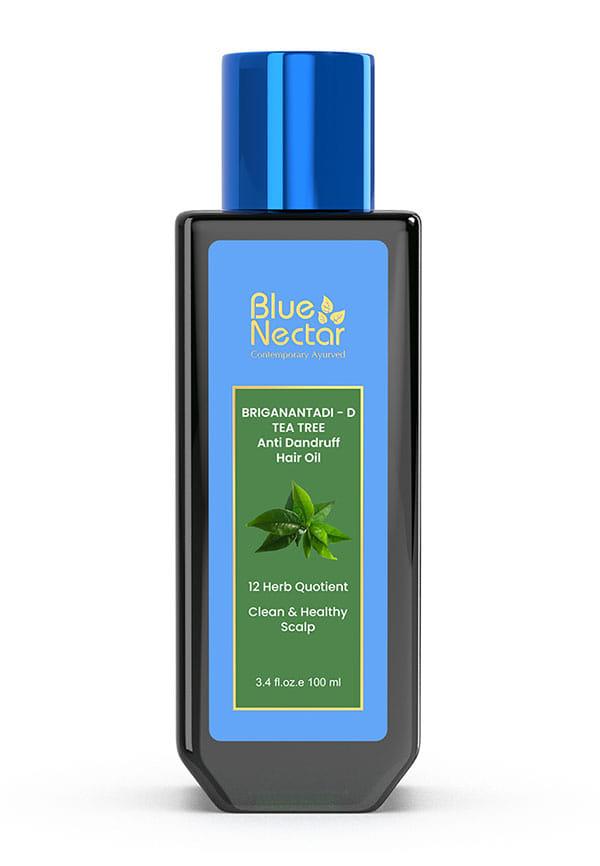
Tea tree oil formulations provide natural antifungal benefits with fewer side effects. Look for shampoos containing 5-10% tea tree oil for optimal effectiveness without irritation.
Proper application technique makes all the difference in treatment success. Wet hair thoroughly, apply shampoo directly to affected areas, and massage gently into the scalp for 30 seconds. Leave the product on for the recommended contact time—usually 3-5 minutes for antifungal shampoos—before rinsing completely.
Frequency matters more than you might think. Start with every other day for the first week, then adjust based on your scalp's response. Some men need daily use initially, whilst others find three times weekly sufficient for maintenance.
When over-the-counter solutions aren't cutting it, professional medical intervention becomes necessary. Dermatologists can diagnose the exact type of infection and prescribe targeted treatments that work faster and more effectively than general remedies.
Griseofulvin remains the traditional choice for persistent fungal scalp infections, particularly ringworm that doesn't respond to topical treatments. Treatment typically lasts 6-12 weeks, with regular monitoring for side effects.
Itraconazole and fluconazole offer newer alternatives with shorter treatment courses and fewer interactions. These medications work systemically to eliminate fungal infections from within, making them particularly effective for widespread or deep-seated infections.
Regular blood tests monitor liver function during oral antifungal therapy, as these medications can affect liver enzymes in some patients. Most men tolerate these treatments well when properly supervised.
Prescription-strength antifungal creams and ointments provide concentrated treatment for localised infections. These formulations often combine antifungal agents with anti-inflammatory ingredients to address both the infection and associated irritation.
Steroid combinations help manage severe inflammation whilst antifungal components tackle the underlying infection. However, these should only be used under medical supervision, as prolonged steroid use can thin the scalp skin.
Whilst medical treatments form the backbone of scalp infection management, natural remedies can provide valuable support and relief. These evidence-based approaches work best alongside conventional treatments rather than as replacements.
Apple cider vinegar creates an acidic environment that fungi struggle to survive in. Mix one part ACV with three parts water, apply to the scalp after shampooing, leave for 5 minutes, then rinse thoroughly. The malic acid content helps exfoliate dead skin cells whilst balancing scalp pH.
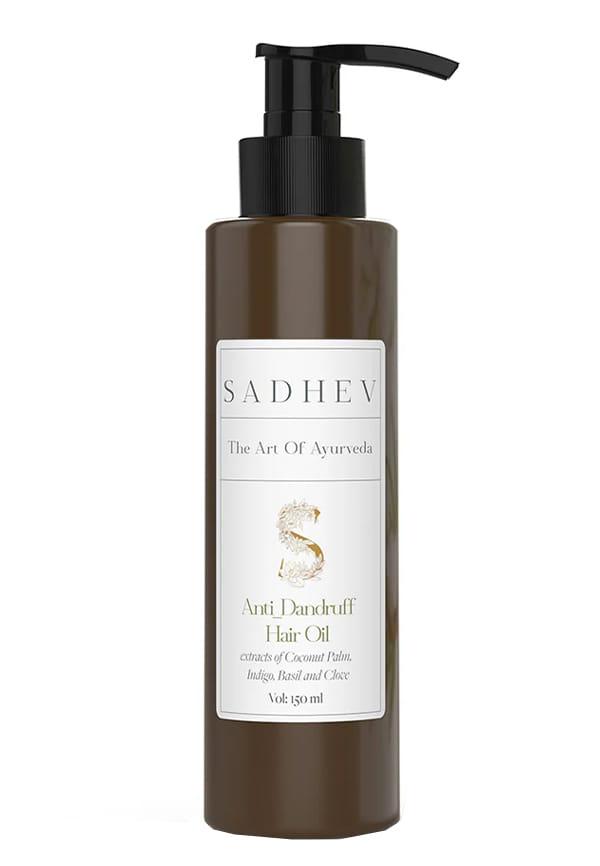
Coconut oil contains lauric acid and caprylic acid, both proven antifungal compounds. Warm the oil slightly, massage into affected areas, leave for 30 minutes, then shampoo out. This treatment works particularly well for dry, flaky conditions.
Tea tree oil requires proper dilution to avoid irritation—never use it neat on the scalp. Mix 5-10 drops with a carrier oil like jojoba or coconut oil before application. Its antimicrobial properties make it effective against various scalp pathogens.
Ayurvedic Anti - Dandruff Oil - Coconut, Holy Basil & Clove 150ml
Daily washing routines need adjustment during infection treatment. Use lukewarm water rather than hot, which can irritate inflamed skin. Avoid harsh scrubbing that might spread infection or damage already compromised scalp tissue.
Proper towel and pillow hygiene prevents reinfection and spread to family members. Wash pillowcases in hot water every few days, use separate towels, and avoid sharing hair accessories until the infection clears completely.
Many men mistake scalp infections for simple dandruff, leading to ineffective treatment approaches. Understanding the difference helps you choose the right intervention and avoid wasting time on products that won't address the underlying problem.
Regular dandruff appears as white, dry flakes that fall easily from the scalp. The flakes are uniform in size and don't stick to hair shafts. Simple men's dandruff remedies like zinc pyrithione shampoos typically provide relief within a week or two.
Scalp infections present differently—flakes may be yellowish or greasy, stick to the scalp, and accompany redness or inflammation. Hair loss, pustules, or spreading patches indicate infection rather than simple dandruff.
Progressive symptoms that worsen despite treatment suggest the need for medical evaluation. If your scalp condition spreads, develops odour, or causes significant hair loss, it's time to see a dermatologist.
Mild seborrheic dermatitis responds well to combination therapy using antifungal shampoos twice weekly alongside gentle, fragrance-free moisturisers for the scalp. This approach addresses both the fungal component and the inflammatory response.
Complex cases involving multiple symptoms may require layered treatment protocols. Start with the most pressing issue—usually the infection—then address secondary concerns like dryness or sensitivity once the primary condition improves.
One of the biggest concerns men have about scalp infections is potential hair loss. Understanding the relationship between infections and hair loss helps you take protective action and set realistic expectations for recovery.
Temporary hair loss occurs when infections disrupt the normal hair growth cycle. Follicles may enter a resting phase prematurely, leading to increased shedding 2-3 months after the initial infection. This type of hair loss usually reverses completely once the infection clears.
Scarring alopecia represents a more serious concern where infections destroy hair follicles permanently. This typically occurs with severe, untreated infections or aggressive scratching that damages follicular structures.
Recovery timelines vary significantly based on infection severity and treatment response. Most men see new hair growth within 3-6 months of successful treatment, though full density may take up to a year to return.
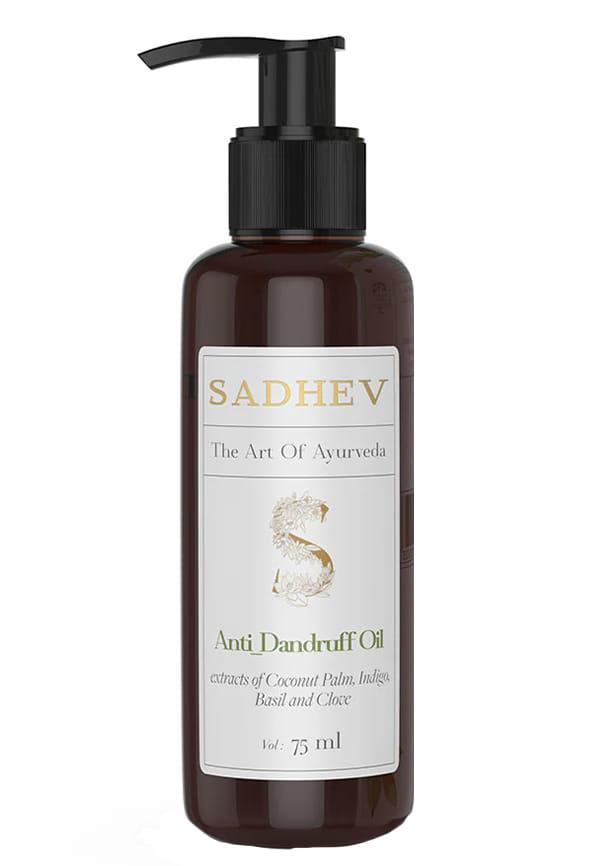
Ayurvedic Anti - Dandruff Oil - Coconut, Holy Basil & Clove 75 ml
Gentle hair handling becomes crucial during infection treatment. Avoid tight hairstyles, aggressive brushing, or chemical treatments that might further stress compromised follicles. Use wide-tooth combs on wet hair and pat rather than rub when drying.
Nutritional support aids hair regrowth once infections clear. Focus on protein-rich foods, iron, zinc, and B vitamins that support healthy hair production. Consider supplements if dietary intake seems insufficient, but consult your doctor first.
Most topical treatments show improvement within 2-4 weeks, with complete resolution taking 6-8 weeks of consistent use. Oral medications may require 6-12 weeks for full effectiveness, particularly for deep-seated infections.
Fungal infections like ringworm are highly contagious through direct contact or shared items. Bacterial infections are less likely to spread but can occur through contaminated combs, hats, or pillowcases. Always maintain strict hygiene during treatment.
Most antifungal shampoos are safe for daily use during active treatment phases. However, some formulations may cause dryness with prolonged use. Follow product instructions and reduce frequency once symptoms improve.
Seborrheic dermatitis produces yellowish, greasy scales primarily in oil-rich areas, whilst psoriasis creates thick, silvery scales that can appear anywhere on the scalp. Psoriasis plaques are typically more defined and persistent.
Stress doesn't directly cause infections but can weaken immune function and worsen existing conditions like seborrheic dermatitis. Managing stress through proper sleep, exercise, and relaxation techniques supports overall scalp health.
Consult a dermatologist if over-the-counter treatments fail after 4-6 weeks, if you develop hair loss or spreading patches, or if symptoms worsen despite treatment. Early professional intervention with Smytten's trial options can help you test different treatments before committing to full-size products.
Effective scalp infection treatment requires accurate diagnosis and targeted intervention. Start with proper identification of your specific condition—whether it's fungal, bacterial, or inflammatory—then choose appropriate treatments accordingly. Antifungal shampoos with proven ingredients like ketoconazole or selenium sulfide form the foundation of most treatment plans.
Consistency matters more than intensity when treating scalp infections. Regular use of appropriate products, combined with good hygiene practices, typically yields better results than sporadic intensive treatments. Natural remedies can provide valuable support but shouldn't replace medical treatments for serious infections.
Don't ignore persistent symptoms or assume they'll resolve on their own. Early intervention prevents complications, reduces the risk of hair loss, and stops infections from spreading to others. Professional medical advice becomes essential when over-the-counter treatments fail or symptoms worsen.
Finding the right treatment for scalp infections doesn't have to involve expensive trial and error with full-size products. Smytten is India's largest product discovery and trial platform, connecting consumers with top lifestyle, beauty, wellness, and grooming brands. At its core, Smytten offers curated trial packs - mini-sized products from over 2,400 trusted brands. This lets users explore and experience products before committing to full-size purchases. The platform covers a wide range of categories, including skincare, makeup, haircare, fragrances, and more. Each mini is linked with Trial Points, and users can get up to 10 Trial Points for just ₹279. Plus, Smytten offers 100% cashback* on the purchase of these minis, redeemable in the shop section for future orders, making product discovery both affordable and rewarding. With authentic brand-verified minis available on Smytten and PAN-India delivery, you can try before you buy the most effective scalp treatments without the financial risk. After all, why settle for 'maybe' when you can #TryItAll!
