How to Treat Scalp Fungus in Men: A Simple Guide

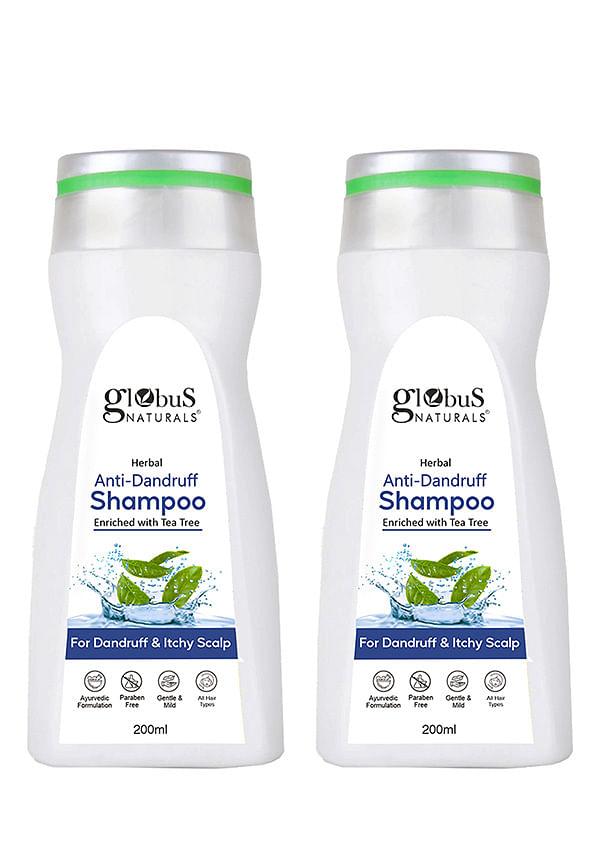
Anti Dandruff Shampoo, For Dandruff and Itchy Scalp
Effective for Itchy Scalp, Small Packing
 5
5“small packing, but a great offer in price product is nice on scalp to reduce itchy issues effectively”
Nice Shampoo
5“dis shampoo is very nice liked it”
Nice Shampoo
5“dis shampoo is very nice liked it”
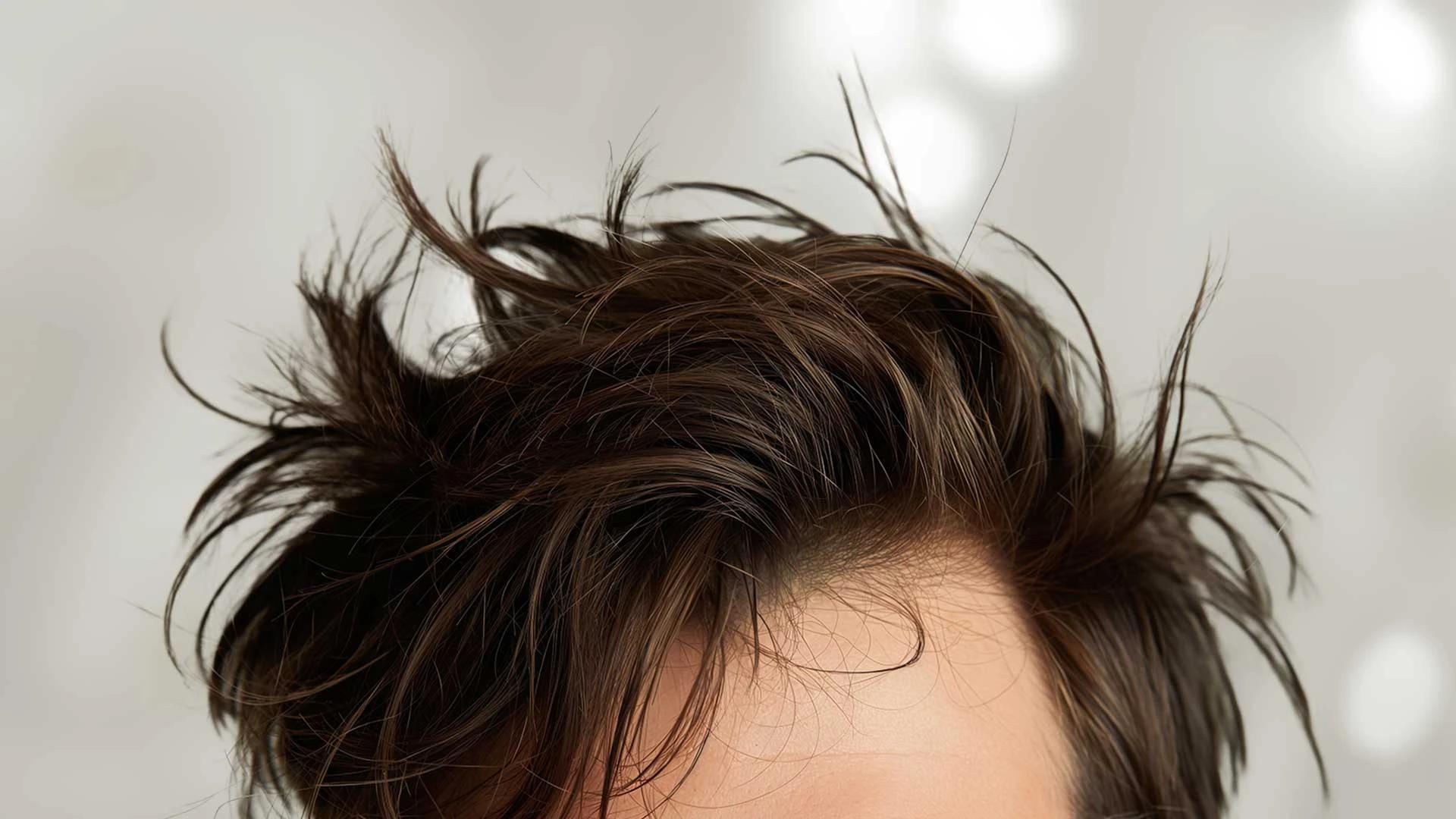
Dealing with scalp fungus can feel like a nightmare, especially when you're watching your hair fall out or dealing with embarrassing flakes. If you're wondering if that itchy patch is fungal or just dandruff, you're not alone—millions of guys face this issue, and the good news is it's totally treatable. From ringworm on scalp men to seborrheic dermatitis men scalp, fungal infections come in different forms but share one thing: they need proper treatment to clear up completely. Whether you're dealing with itchy patches, bald spots from scalp fungus men, or just can't figure out why your regular dandruff shampoo isn't working, this guide breaks down everything you need to know. We'll cover the fastest treatments, home remedies that actually work, and how to prevent these pesky infections from coming back. At Smytten, we know how frustrating it can be to find the right products for specific concerns like this—that's why trying different medicated shampoos through Smytten's trial packs helps find what works when dealing with sensitive scalp issues.
TL;DR
Scalp fungal infections in men require antifungal treatments—regular shampoo won't cut it
Prescription oral medications combined with medicated shampoos provide the fastest results
Home remedies like tea tree oil can help, but severe cases need medical intervention
Prevention through proper hygiene and using antifungal shampoos regularly stops reinfection
Treatment typically takes 4-12 weeks, so patience and consistency are key
Let's be real—scalp fungus isn't just about having a flaky scalp. It's a proper infection caused by fungi that love warm, moist environments (hello, sweaty gym sessions and tight caps). Men are actually more prone to scalp fungal infection men than women, thanks to higher oil production and lifestyle factors like wearing helmets, caps, or not washing hair frequently enough.
The most common types you'll encounter include ringworm on scalp men (despite the name, it's not a worm—it's a fungal infection that creates circular patches), and seborrheic dermatitis men scalp, which causes those stubborn yellowish flakes that regular dandruff shampoo can't shift. There's also tinea capitis, which is more common in kids but can affect adults too.
Regular dandruff is usually just dry skin or sensitivity to hair products. Fungal infections, on the other hand, are living organisms that multiply and spread. If your "dandruff" isn't responding to normal treatments, creates patches of hair loss, or comes with intense itching and redness, you're likely dealing with a fungal issue.
Spotting the signs early can save you weeks of frustration and prevent the infection from spreading. Here's what to watch out for when it comes to scalp fungal infections.
The telltale signs include persistent itching that gets worse over time, circular patches of hair loss, thick yellowish or greyish scales that stick to your scalp, and red, inflamed areas that might even ooze. Bald spots from scalp fungus men often appear suddenly and have broken hair shafts around the edges—this is different from male pattern baldness, which happens gradually.
If your itchy scalp remedies men usually rely on aren't working, and you're noticing hair coming out in clumps or patches, it's time to take action. Fungal infection hair loss men can be temporary if treated properly, but leaving it untreated can lead to permanent scarring and hair loss.
Male pattern baldness follows predictable patterns—receding hairline, crown thinning. Fungal hair loss creates random patches, often with visible scaling, redness, and broken hair shafts. The hair loss from fungal infections also happens much faster than typical male pattern baldness.
When you need to get rid of scalp fungus quickly, medical treatments are your best bet. These aren't just stronger versions of over-the-counter products—they're specifically designed to eliminate fungal infections at the source.
Prescription oral antifungals like Griseofulvin and Terbinafine are what actually works for treating scalp fungal infections. These work from the inside out, getting into your hair follicles where topical treatments can't reach effectively. Your doctor might also prescribe antifungal shampoo for men's scalp containing Ketoconazole (2-4%) or Selenium Sulfide, which are much stronger than anything you can buy over the counter.
Terbinafine is often the first choice because it's effective and has fewer side effects than older medications. You'll typically take it daily for 6-12 weeks, depending on the severity of your infection. Your doctor will discuss any side effects, but most people tolerate these medications well.
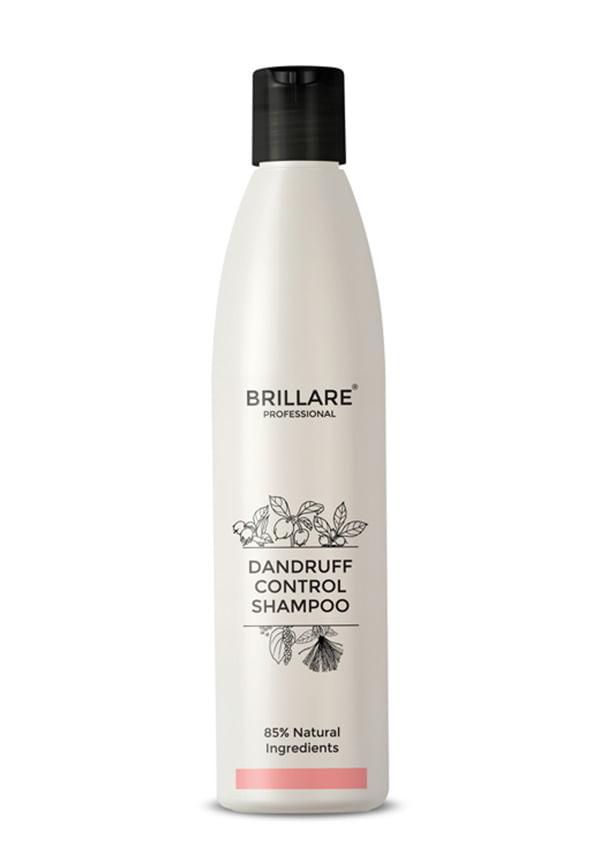
Dandruff Control Shampoo For Itchy, Flaky Scalp
Nourishing & Dandruff-Fighting Shampoo
5“This shampoo deeply nourishes the scalp and strengthens the hair from roots to tips. and removes all dandruff within 2..4 wash”
Love this product, order every time
5“love this product i ordered it every time”
Quick Results, Gentle & Amazing Quality
5“you will see results quickly rather than anything, very gentle small quantity enough , quality amazing”
These aren't your regular dandruff treatment for men shampoos. Prescription-strength Ketoconazole shampoo needs to be left on your scalp for 5-10 minutes before rinsing to be effective. Use it 2-3 times per week as directed.
Most people see improvement within 2-4 weeks, but complete clearance takes 4-12 weeks. The key is consistency—stopping treatment early because you feel better is the fastest way to get a relapse.
While medical treatment is usually necessary for complete clearance, certain home remedies can support your recovery and provide relief from symptoms. These work best as complementary treatments rather than standalone solutions.
Tea tree oil is probably the most effective natural antifungal for scalp issues. Mix 5-10 drops with a carrier oil like coconut oil and massage into affected areas. Leave it on for 30 minutes before washing out. Apple cider vinegar rinses can also help by creating an acidic environment that fungi hate—mix one part vinegar with two parts water and use as a final rinse after shampooing.
Never use tea tree oil undiluted—it can cause severe irritation. Start with a lower concentration and increase gradually if your scalp tolerates it well.
Use this 2-3 times per week maximum. The acidity helps restore your scalp's natural pH balance and creates an environment where fungi struggle to survive.
Wash your hair regularly with lukewarm water. Avoid sharing combs or hats. Change pillowcases frequently. These simple steps prevent reinfection and help treatments work more effectively.
If you've been trying home treatments for 2-3 weeks without improvement, or if the infection is spreading, it's time to see a doctor. Scalp fungal infections can be stubborn and often need prescription-strength treatments.
Regular dandruff shampoos won't cut it when you're dealing with a fungal infection, but certain medicated options can be game-changers. The key is understanding which active ingredients actually fight fungi versus just treating symptoms.
Look for shampoos containing Ketoconazole, Selenium Sulfide, or Zinc Pyrithione as active ingredients. These are the heavy hitters when it comes to how to get rid of scalp fungus. Ketoconazole is particularly effective because it disrupts the fungal cell membrane, while Selenium Sulfide helps slow down skin cell turnover and has antifungal properties.
Using the same antifungal shampoo daily can sometimes lead to resistance. Rotate between different active ingredients—use Ketoconazole shampoo twice a week and Selenium Sulfide once a week for better results.
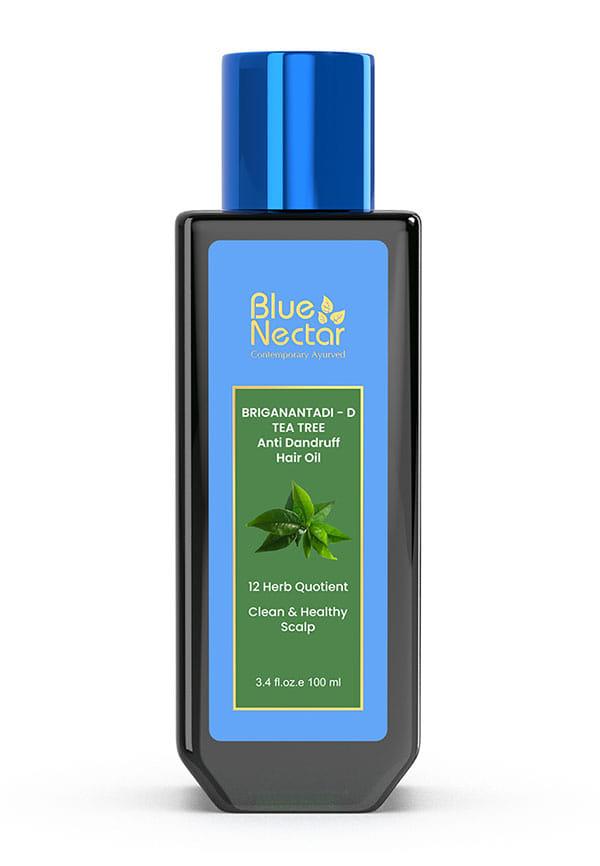
Tea Tree Anti Dandruff and Healthy Scalp Oil 12 Herbs
Don't just wash and rinse immediately. Lather the shampoo into your scalp, leave it on for 5-10 minutes (set a timer), then rinse thoroughly. This contact time is crucial for the antifungal ingredients to work.
If your doctor has prescribed oral medication, continue using medicated shampoos as directed. The combination approach typically clears infections faster than either treatment alone.
Once you've cleared the infection, keeping it gone is just as important as the initial treatment. Fungal infections love to come back, especially if you return to the same habits that caused them in the first place.
Daily prevention starts with proper hygiene—wash your hair regularly (but not obsessively). Dry your scalp thoroughly after washing. Avoid sharing personal items like combs, hats, or towels. If you're prone to sweating, especially from wearing helmets or caps for work or sports, wash your hair more frequently and consider using a preventive antifungal shampoo once or twice a week.
Fungi thrive in warm, humid conditions. If you live in a humid climate or work in hot environments, pay extra attention to scalp hygiene. Air-dry your hair when possible instead of using heat styling tools that can create moisture buildup.
Stress and poor nutrition can weaken your immune system, making you more susceptible to infections. Regular exercise, adequate sleep, and a balanced diet support your body's natural ability to fight off fungal infections.
If you're dealing with repeated infections, there might be an underlying issue like compromised immunity, hormonal changes, or environmental factors you haven't addressed. This warrants a deeper conversation with a dermatologist.
While it's tempting to try treating scalp fungus yourself, certain situations require professional medical attention. Knowing when to seek help can prevent complications and get you better results faster.
See a doctor immediately if you notice rapid hair loss, signs of secondary bacterial infection (increased redness, warmth, pus), or if over-the-counter treatments haven't improved symptoms after 2-3 weeks. Also, if the infection covers a large area of your scalp or you're experiencing fever alongside scalp symptoms, don't wait—get medical attention.
Your doctor might take a small sample of affected hair and scales for laboratory testing. This helps identify the specific type of fungus and choose the most effective treatment. Sometimes, they can diagnose based on visual examination alone.
Medical treatment usually involves a combination of oral antifungal medication and topical treatments. Your doctor will schedule follow-up appointments to monitor progress and adjust treatment if needed.
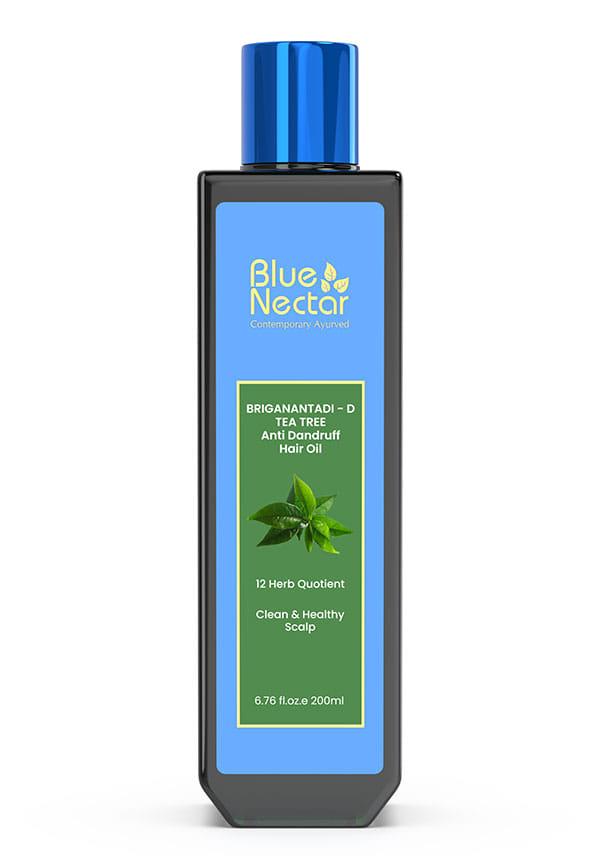
Tea Tree Anti Dandruff and Healthy Scalp Oil 12 Herbs
Untreated scalp fungal infections can lead to permanent hair loss, scarring, and secondary bacterial infections. The longer you wait, the harder it becomes to treat effectively.
Prescription oral antifungal medications like Terbinafine combined with medicated shampoos containing Ketoconazole provide the fastest results. Most people see improvement within 2-4 weeks, but complete clearance takes 4-12 weeks of consistent treatment.
Complete a full course of prescribed antifungal medication (usually 6-12 weeks), maintain proper scalp hygiene, and use preventive antifungal shampoos regularly. Stopping treatment early often leads to reinfection.
Regular dandruff shampoos aren't strong enough for fungal infections. You need medicated shampoos with antifungal ingredients like Ketoconazole or Selenium Sulfide. At Smytten, you can try different medicated shampoo minis to find what works best for your specific condition before committing to full-size bottles.
Yes, most scalp fungal infections are contagious and can spread through direct contact or sharing personal items like combs, hats, or pillowcases. Avoid sharing these items until the infection clears completely.
If treated promptly and properly, hair usually grows back completely. However, severe or untreated infections can cause scarring and permanent hair loss in affected areas.
Treatment typically takes 4-12 weeks depending on the type and severity of infection. Oral medications work faster than topical treatments alone, but consistency is crucial for complete clearance.
Treating scalp fungus in men requires a proper understanding of what you're dealing with and the right treatment approach. Medical intervention with prescription antifungals is usually necessary for complete clearance, especially for stubborn infections like ringworm or severe seborrheic dermatitis. Home remedies can provide support and symptom relief, but they're rarely enough on their own.
The most important thing to remember is consistency—whether you're using prescription medications or medicated shampoos, stick to the full treatment course even after symptoms improve. Prevention through proper hygiene and regular use of antifungal shampoos helps keep infections from returning.
Don't ignore early warning signs or try to tough it out with regular dandruff treatments. The sooner you address a scalp fungal infection with appropriate treatment, the faster you'll see results and the less likely you are to experience permanent hair loss or complications.
Dealing with scalp fungal infections can be frustrating, but with the right approach and products, you can get your scalp health back on track. Finding effective treatments often involves trial and error, which is where Smytten's approach really shines. As India's largest product discovery and trial platform, Smytten lets you explore medicated shampoos and scalp treatments through curated trial packs before committing to full-size purchases. With over 2,400 trusted brands available, including specialised haircare options, you can try different antifungal shampoos and scalp treatments to see what works best for your specific condition. Each mini is linked with Trial Points—get up to 8 minis for just ₹249, plus 100% cashback on trials redeemable for future orders. When you find a treatment that actually works, buying the full-size version is just a click away. With authentic brand-verified minis available on Smytten and PAN-India delivery, you never have to settle for 'maybe' when treating scalp concerns—you can #TryItAll!
