How to Treat Scalp Fungus for Men on a Budget Affordably

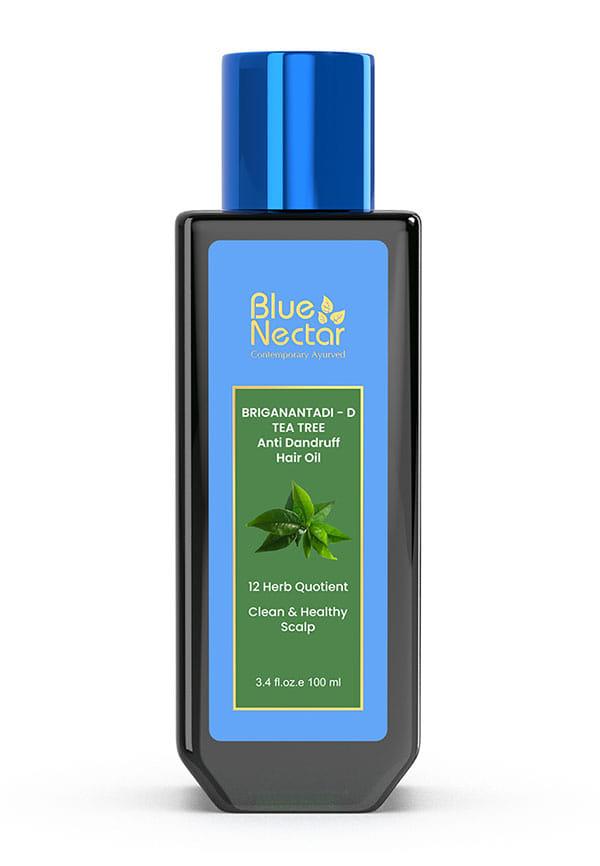
Tea Tree Anti Dandruff and Healthy Scalp Oil 12 Herbs
Dealing with scalp fungus can feel overwhelming, especially when you're trying to manage it without breaking the bank. For men, scalp fungal infections like seborrheic dermatitis, tinea capitis, and other fungal conditions can cause everything from persistent itching to embarrassing flaking and even hair loss. The good news? You don't need to spend a fortune to get your scalp back to health. With the right combination of affordable treatments, natural remedies, and smart prevention strategies, you can tackle scalp fungus for men on a budget effectively. Whether you're dealing with mild dandruff or more stubborn fungal infections, there are proven solutions that won't drain your wallet. From budget-friendly antifungal shampoos to DIY treatments using kitchen ingredients, we'll explore practical approaches that actually work. Plus, with platforms like Smytten offering trial-sized products from trusted brands, you can test different treatments without committing to full-size purchases, making your journey to scalp health even more affordable.
TL;DR
Scalp fungus in men can be treated effectively with budget-friendly options under ₹500 per month
Over-the-counter antifungal shampoos and natural remedies like tea tree oil offer affordable relief
Early intervention prevents hair loss and reduces long-term treatment costs
Combination therapy using multiple budget treatments often works better than single expensive products
Proper hygiene and lifestyle changes can prevent recurrence without ongoing costs
Men's scalps create the perfect environment for fungal growth, and understanding why helps you tackle the problem more effectively. The combination of increased oil production, frequent sweating, and sometimes less consistent haircare routines makes men particularly vulnerable to fungal infection scalp symptoms men experience regularly.
Real talk, men typically produce more sebum (natural scalp oils) due to higher testosterone levels, creating a feeding ground for fungi like Malassezia. Add in regular gym sessions, wearing caps or helmets, and the tendency to wash hair less frequently than women, and you've got a recipe for fungal overgrowth.
Seborrheic dermatitis is the most common culprit, causing yellowish, greasy flakes and redness around the hairline. Tinea capitis (ringworm of the scalp) creates circular patches of hair loss with scaling. Candida overgrowth can occur in men with compromised immune systems or those taking antibiotics.
Your lifestyle plays a huge role in scalp fungus development. Regular cap wearing, especially during workouts, traps moisture and heat. Poor hygiene, stress, hormonal changes, and certain medical conditions like diabetes can all make you more susceptible to men's scalp infections.
Catching scalp fungus early can save you both money and hair. The sooner you identify the problem, the easier and cheaper it is to treat. Most men's scalp infections start with subtle symptoms that gradually worsen if left untreated.
Visual symptoms include white or yellowish flakes that may be greasy or dry, red or inflamed patches on the scalp, and circular areas of hair loss or thinning. You might also notice small bumps or pustules around hair follicles.
Itchy scalp remedies men search for often start with persistent itching that worsens over time. You might experience burning or stinging sensations, especially after washing your hair. Tenderness in affected areas and a tight feeling across your scalp are also common indicators.
Hair loss due to scalp fungus men experience typically starts as increased shedding during washing or combing. You might notice hair becoming brittle and breaking easily, or developing a dull, lifeless appearance. In severe cases, you'll see patchy hair loss or areas where hair stops growing entirely.
The pharmacy aisle is your first stop for affordable scalp fungus treatment options. Many effective antifungal ingredients are available without prescription, and when used correctly, they can clear up fungal infections for a fraction of the cost of dermatologist visits.
Low-cost anti-fungal shampoo options containing selenium sulfide, ketoconazole, or coal tar are your best bet for immediate relief. These ingredients have decades of research backing their effectiveness against fungal infections.
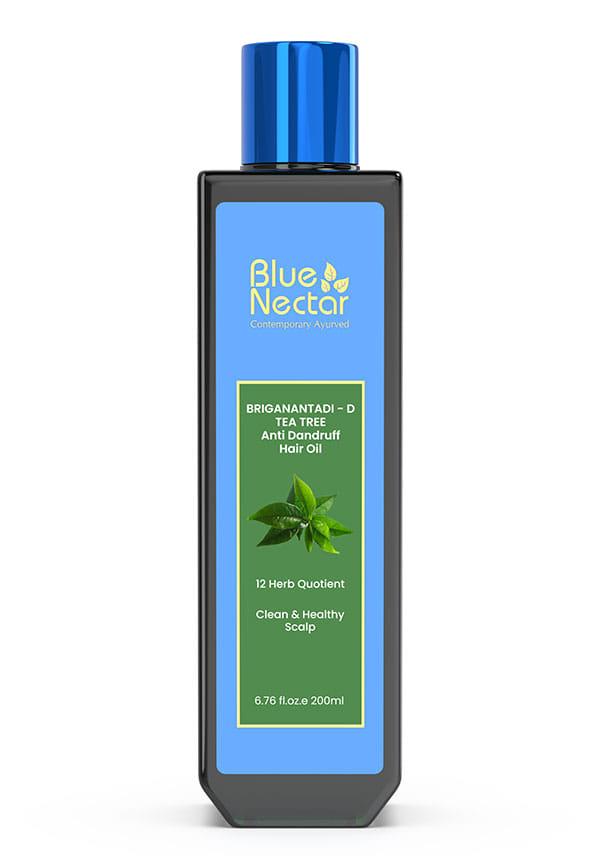
Tea Tree Anti Dandruff and Healthy Scalp Oil 12 Herbs
Selenium sulfide is particularly effective against seborrheic dermatitis men budget concerns often overlook. Brands like Selsun and Head & Shoulders Clinical Strength contain this ingredient. Use twice weekly initially, then once weekly for maintenance. The shampoo should be left on for 3-5 minutes before rinsing.
Ketoconazole is one of the most effective antifungal ingredients available over-the-counter. Nizoral A-D and generic versions work well for most fungal infections. Apply to wet hair, lather well, and leave for 3-5 minutes before rinsing. Use every other day for two weeks, then twice weekly.
For stubborn cases of seborrheic dermatitis, coal tar shampoos like T/Gel offer excellent value. They're particularly effective for thick, scaly patches. The smell isn't pleasant, but the results speak for themselves. Use 2-3 times weekly until symptoms improve.
Natural scalp fungus remedies can be incredibly effective and cost a fraction of commercial treatments. Many ingredients you already have at home possess antifungal properties that rival expensive products.
Let's be honest, the key to success with home remedies is consistency and proper preparation. Unlike commercial products, natural treatments often take longer to show results, but they're gentler on your scalp and wallet.
Apple cider vinegar creates an acidic environment that fungi hate. Mix 1 part raw, unfiltered apple cider vinegar with 2 parts water. After shampooing, pour the mixture over your scalp, massage gently, and leave for 5 minutes before rinsing. The smell dissipates once your hair dries.
Tea tree oil is a powerful antifungal that's particularly effective against Malassezia. Never use it undiluted – mix 5-10 drops with 2 tablespoons of carrier oil like coconut or jojoba. Massage into your scalp, leave for 30 minutes, then shampoo out. Use 2-3 times weekly.
Virgin coconut oil contains caprylic acid, which has natural antifungal properties. Warm slightly and massage into your scalp before bed. Cover with a shower cap and wash out in the morning. This treatment also helps with dry, flaky skin that often accompanies fungal infections.
Baking soda helps remove dead skin cells and creates an alkaline environment that inhibits fungal growth. Mix 2 tablespoons with enough water to form a paste. Gently massage into wet scalp, leave for 5 minutes, then rinse thoroughly. Use once weekly to avoid over-drying.
Managing seborrheic dermatitis on a budget requires understanding that this is often a chronic condition needing long-term maintenance rather than a one-time cure. The good news is that once you establish an effective routine, monthly costs can stay under ₹300.
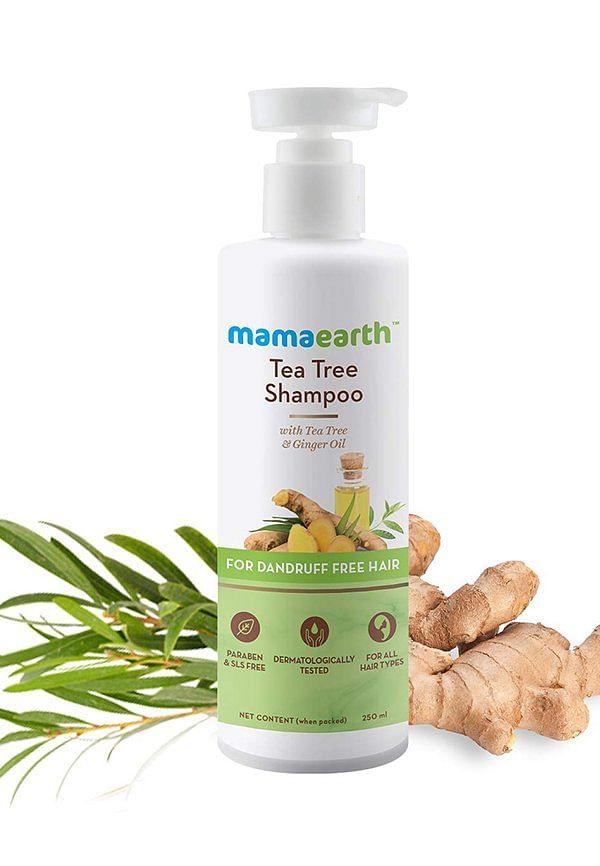
Tea Tree Anti Dandruff Shampoo With Tea Tree & Ginger Oil
Effective Anti-Dandruff Shampoo
 5
5“it's very effective and anti dandruff shampoo”
Effective Anti-Dandruff Shampoo
5“it's very effective and anti dandruff shampoo”
Effective Anti-Dandruff Shampoo
5“it's very effective and anti dandruff shampoo”
The key is finding the right combination of treatments that work for your specific case. What works for one person might not work for another, so be prepared to experiment with different approaches until you find your winning formula.
Monday & Thursday: Use ketoconazole shampoo, leaving on for 5 minutes. Tuesday & Friday: Apply tea tree oil treatment before bed. Wednesday: Use selenium sulfide shampoo. Weekend: Apply coconut oil overnight treatment once weekly.
Stress management significantly impacts seborrheic dermatitis flare-ups. Regular exercise, adequate sleep, and stress-reduction techniques can reduce symptoms without spending money. Avoiding harsh hair products and reducing cap-wearing time also helps prevent flare-ups.
Hair loss due to scalp fungus men experience is often preventable with early intervention and proper treatment. The key is addressing the fungal infection before it damages hair follicles permanently.
Scalp massage improves blood circulation and helps distribute natural oils evenly. Spend 5-10 minutes daily massaging your scalp with your fingertips (not nails) in circular motions. This costs nothing but can significantly improve scalp health and hair retention.
Start treatment at the first sign of persistent itching or flaking. Don't wait for visible hair loss to begin. Use antifungal treatments consistently for at least 4-6 weeks, even after symptoms improve, to prevent recurrence.
Keep your scalp clean and dry. Change pillowcases weekly and wash caps or hats regularly. Avoid sharing combs, brushes, or towels. If you exercise regularly, rinse your scalp with water immediately after sweating, even if you don't shampoo.
Men's hair and scalp health improvement requires a systematic approach tailored to your specific symptoms, lifestyle, and budget. Start with one treatment method and give it at least 2-3 weeks before adding or changing anything.
Track your progress using your phone's camera to document changes in your scalp condition. This helps you identify which treatments work best and when to adjust your routine.
Choose one antifungal shampoo based on your primary symptoms. For oily, greasy flakes, start with selenium sulfide. For dry, white flakes, try ketoconazole. Use every other day and monitor your scalp's response. Avoid using multiple new products simultaneously.
If you see improvement, continue your current routine but reduce frequency to 2-3 times weekly. If there's no change, switch to a different antifungal ingredient or add a natural remedy like tea tree oil. This is when you can start combining treatments safely.
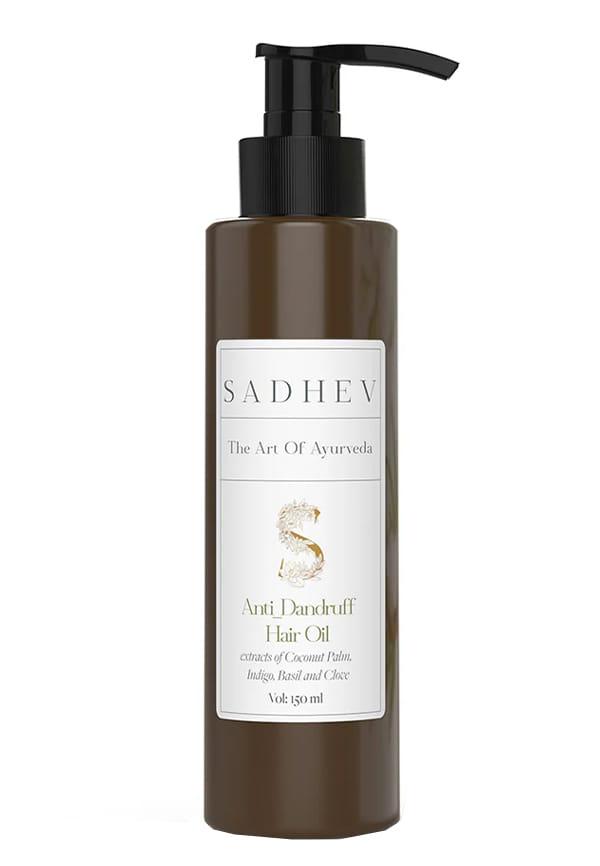
Ayurvedic Anti - Dandruff Oil - Coconut, Holy Basil & Clove 150ml
Once symptoms are controlled, focus on prevention. Use antifungal shampoo 1-2 times weekly and incorporate natural treatments as needed. Your monthly costs should drop to ₹200-300 during this phase.
Ketoconazole 1% shampoo typically shows results within 1-2 weeks and costs around ₹300-500. For faster results, combine it with tea tree oil treatments every other day. Expect noticeable improvement in 7-10 days with consistent use.
Initial treatment costs ₹500-800 for the first month, including shampoo and natural remedies. Maintenance typically costs ₹200-300 monthly. Platforms like Smytten let you try different antifungal products in mini sizes before committing to full bottles.
Mild to moderate cases often respond well to over-the-counter treatments. However, if you experience severe hair loss, spreading infections, or no improvement after 6-8 weeks of consistent treatment, professional medical advice is necessary.
Natural remedies work well for mild cases and maintenance, but severe infections usually require commercial antifungal ingredients. The most effective approach often combines both – using medicated shampoos for active treatment and natural remedies for ongoing prevention.
Most fungal infections improve within 2-4 weeks of consistent treatment, but complete clearance can take 6-12 weeks. Seborrheic dermatitis is often chronic and requires ongoing management rather than a permanent cure.
When treated promptly, most scalp fungal infections don't cause permanent hair loss. However, severe or untreated infections can damage hair follicles permanently. Early intervention with affordable treatments prevents this outcome.
Treating scalp fungus for men on a budget is entirely achievable with the right approach and consistency. Over-the-counter antifungal shampoos containing selenium sulfide or ketoconazole offer excellent value, typically costing ₹200-500 and providing months of treatment. Natural remedies like tea tree oil, apple cider vinegar, and coconut oil can effectively supplement commercial treatments while keeping costs minimal.
The most important factor in successful treatment is early intervention and consistency. Don't wait for symptoms to worsen – start treatment at the first sign of persistent itching or flaking. Combine different approaches for better results, but introduce new treatments gradually to identify what works best for your specific condition.
Remember that seborrheic dermatitis and other fungal conditions often require long-term management rather than one-time cures. However, once you establish an effective routine, monthly maintenance costs typically stay under ₹300. Prevention through proper hygiene, stress management, and lifestyle modifications costs nothing but provides significant long-term benefits.
Managing scalp fungus doesn't have to drain your wallet or compromise your confidence. With affordable treatment options and natural remedies, you can achieve healthy scalp conditions without breaking your budget. The key is finding the right combination of treatments that work for your specific needs and maintaining consistency in your routine.
Smytten makes this journey even more affordable by offering trial packs from trusted haircare brands, allowing you to test different antifungal treatments before committing to full-size purchases. With over 2,400 brands available and 100% cashback on trials, you can explore various scalp treatment options without the financial risk. Whether you're looking for medicated shampoos, natural oils, or scalp serums, Smytten's trial-before-you-buy approach ensures you find effective solutions that fit your budget. After all, why settle for guessing what might work when you can try it all and discover what actually delivers results for your scalp health?
