How to Treat Oily Scalp Fungus Effectively
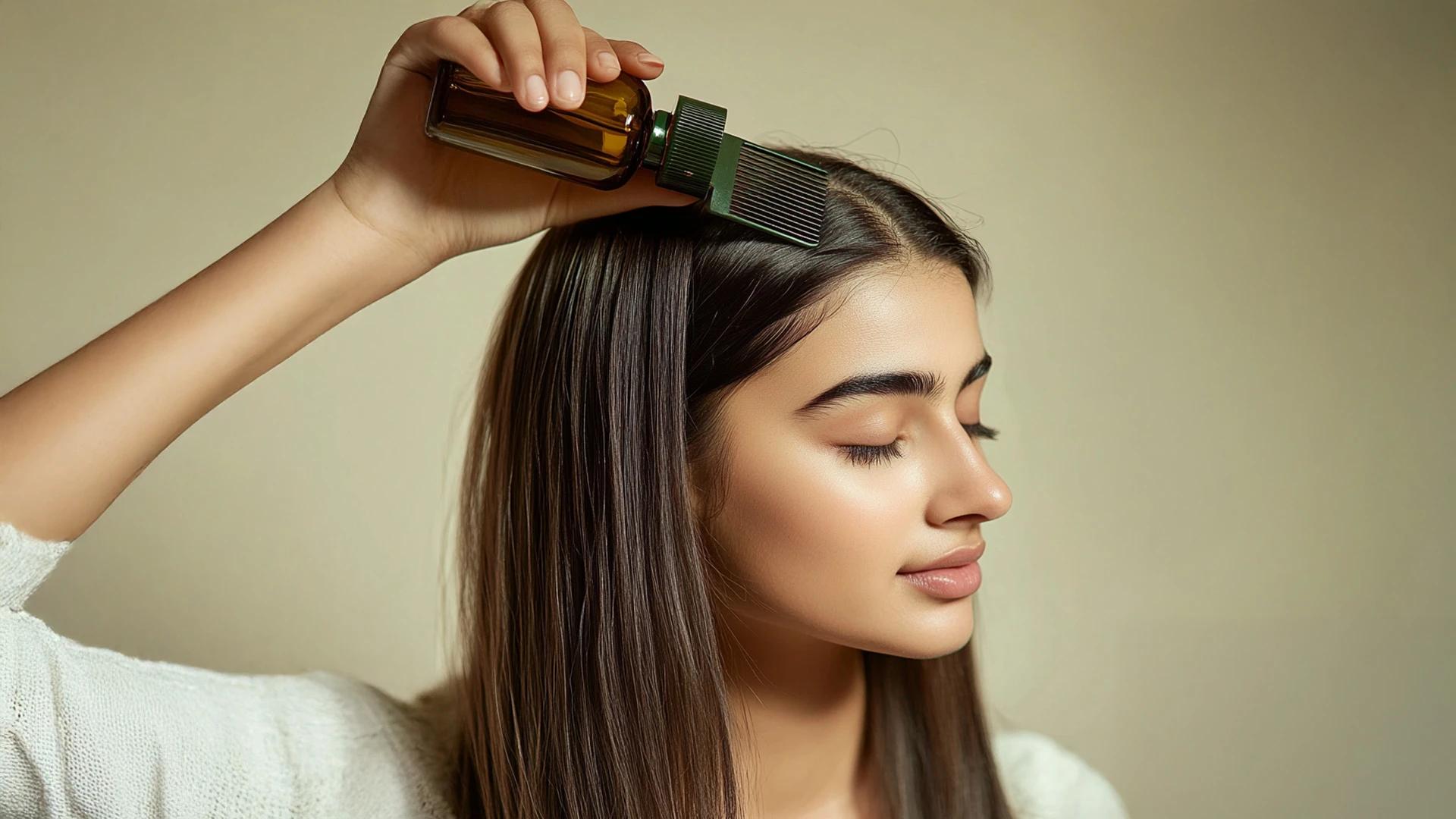

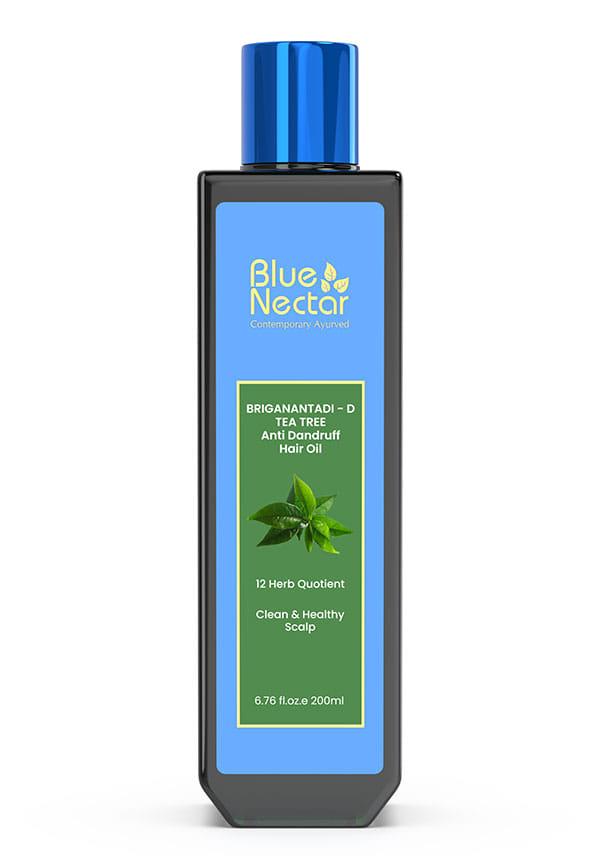
Tea Tree Anti Dandruff and Healthy Scalp Oil 12 Herbs
Dealing with an oily scalp that's also battling fungal issues? You're definitely not alone in this frustrating combo. When your scalp produces excess sebum and becomes a breeding ground for fungus, it creates this annoying cycle where the oil feeds the fungus, and the fungus makes everything worse. The result? Itchy, flaky, sometimes smelly situations that no amount of regular shampooing seems to fix. But here's the thing—understanding how to treat oily scalp fungus effectively isn't just about throwing any anti-dandruff shampoo at the problem. It's about getting to the root of what's happening on your scalp and tackling both the oil production and the fungal overgrowth with the right approach. Whether you're dealing with seborrheic dermatitis, general scalp fungus, or just can't figure out why your head feels like it's constantly under siege, we've got you covered. Here's what actually works, from quick medical fixes to natural remedies that won't break the bank. And if you're someone who loves trying new products before committing, platforms like Smytten make it super easy to test different scalp treatments without the full-size investment risk.
TL;DR
Oily scalp fungus thrives when excess sebum creates ideal breeding conditions for fungi like Malassezia.
Medical treatments like ketoconazole shampoos work fastest, while natural remedies like tea tree oil offer gentler alternatives.
Proper scalp hygiene, sebum regulation, and consistent treatment are key to preventing recurrence.
Combination approaches often work best—pairing medical treatments with natural maintenance routines.
Professional help is needed for severe cases that don't respond to over-the-counter treatments.
Let's get real about what's actually happening up there. Scalp fungus isn't some rare condition—it's incredibly common, especially if you've got an oily scalp. The main culprit is usually a fungus called Malassezia globosa, which absolutely loves munching on the oils your scalp produces. When your sebaceous glands go into overdrive (thanks, genetics and hormones), they create this perfect buffet for fungal growth.
The sebum-fungus cycle is basically a never-ending party you didn't invite. Your scalp produces oil, the fungus feeds on it and multiplies, which irritates your scalp, causing more oil production and inflammation. It's like your scalp is stuck in this annoying loop that just keeps getting worse without proper intervention.
The symptoms are pretty hard to miss once you know what to look for. You'll typically notice an itchy scalp that feels like it needs constant scratching, oily flakes that are different from regular dandruff (they're often yellowish and greasy), inflammation or redness, and sometimes an unpleasant odour that regular washing doesn't seem to tackle.
Several factors can kick off or worsen fungal infection scalp issues. Hormonal changes during puberty, pregnancy, or stress can ramp up oil production. Living in humid climates creates ideal growing conditions for fungi. Your genetics play a role too—some people are just more prone to seborrheic dermatitis oily scalp situations.
When you need results yesterday, medical treatments are your best bet. Anti-fungal shampoo for scalp issues typically contains ingredients like ketoconazole, selenium sulfide, or zinc pyrithione—these are the heavy hitters that actually kill the fungus rather than just managing symptoms.
Ketoconazole shampoos are often the gold standard for treating scalp fungus. You'll find them in concentrations ranging from 1% (over-the-counter) to 2% (prescription). Use them 2-3 times per week initially, leaving the shampoo on your scalp for about 5 minutes before rinsing. Selenium sulfide works similarly but can be a bit more drying, so it's great for very oily scalps.
If over-the-counter options aren't cutting it after 4-6 weeks, it's time to see a dermatologist. They might prescribe oral antifungals like fluconazole or itraconazole for severe cases, or stronger topical treatments that combine antifungals with anti-inflammatory ingredients.
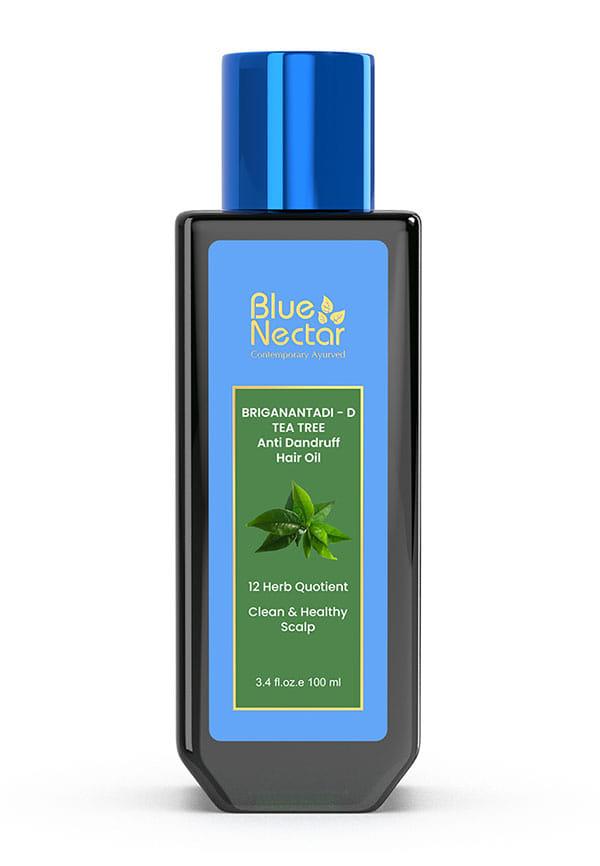
Tea Tree Anti Dandruff and Healthy Scalp Oil 12 Herbs
The most effective ingredients for rapid results are ketoconazole (works within 2-4 weeks), selenium sulfide (shows improvement in 1-3 weeks), and zinc pyrithione (gentler but effective in 3-6 weeks). The key is proper application—massage the shampoo into your scalp, not just your hair, and give it time to work.
If you prefer the natural route or want to complement medical treatments, several natural remedies for scalp fungus have solid backing. Tea tree oil is probably the most researched—it has genuine antifungal properties that can rival some medical treatments when used correctly.
For tea tree oil treatment, always dilute it (5-10% concentration max) with a carrier oil like coconut or jojoba oil. Apply to your scalp, massage gently, leave for 10-15 minutes, then shampoo out. Do this 2-3 times per week initially.
Apple cider vinegar works by creating an acidic environment that fungi hate. Mix one part ACV with two parts water, apply to your scalp after shampooing, leave for 5 minutes, then rinse. The acidity helps restore your scalp's natural pH balance.
Coconut oil contains caprylic acid and lauric acid, both natural antifungals. Warm up a small amount, massage into your scalp, leave for 30 minutes to an hour, then wash out with a clarifying shampoo. It's particularly good for dry, irritated scalps.
Try mixing 2 tablespoons coconut oil, 5 drops tea tree oil, and 1 tablespoon aloe vera gel for a soothing antifungal mask. Apply weekly, leave for 30 minutes, then shampoo out thoroughly. Always patch test first to avoid any reactions.
Treating the fungus is only half the battle—you also need to tackle the underlying oily scalp causes. This means getting your sebum production under control and creating an environment where fungus can't thrive. Understanding scalp health for oily hair is crucial here.
Washing frequency is crucial but tricky. Too much washing strips your scalp, causing it to produce more oil. Too little allows buildup that feeds the fungus. Most people with oily, fungus-prone scalps do best washing every other day or every two days, using a gentle, sulfate-free shampoo on non-treatment days.
Look for products containing salicylic acid (gently exfoliates and controls oil), niacinamide (regulates sebum production), or clay-based treatments that absorb excess oil without over-drying. Charcoal shampoos can also help absorb oil and impurities.
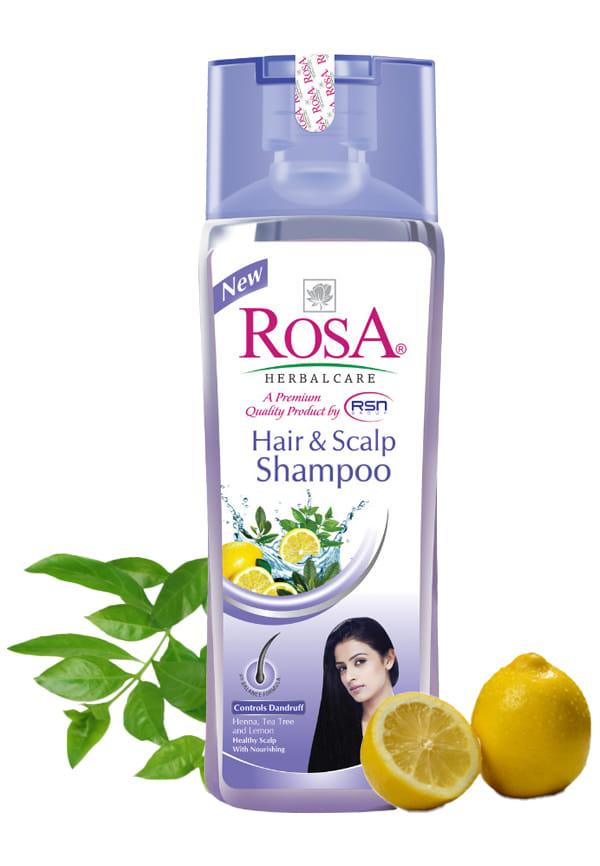
Hair & Scalp Shampoo with Tea Tree Oil and Lemon l Natural & Herbal ingredients
Your diet can influence oil production—foods high in refined sugars and dairy might worsen oily scalp conditions. Stress management is huge too, since stress hormones directly impact sebum production. Regular exercise helps, but make sure to wash your hair soon after sweating.
Once you've got the fungus under control, keeping it that way requires consistent maintenance. This isn't about being obsessive—it's about creating habits that make your scalp an inhospitable place for fungal overgrowth.
Your daily scalp hygiene routine should include gentle cleansing without over-washing, using clean pillowcases (change them every 2-3 days), and avoiding heavy, oil-based hair products that can clog pores and feed fungus.
Humidity control matters more than you'd think. If you live in a humid climate, use a dehumidifier in your bedroom and avoid covering wet hair with hats or scarves. Keep your hair tools clean—brushes and combs can harbour fungus and reinfect your scalp.
Your scalp's needs change with the weather. Summer might require more frequent washing due to sweat and humidity, while winter might need more moisturising to prevent over-drying that can trigger reactive oil production.
Knowing when to DIY and when to seek professional help can save you time, money, and frustration. Mild cases with occasional itching and light flaking often respond well to over-the-counter antifungal shampoos and natural remedies. Understanding oily scalp causes is key to choosing the right approach.
However, if you're dealing with severe itching that disrupts sleep, thick, crusty patches, hair loss, or symptoms that worsen despite treatment, it's time for professional intervention. Dermatologists can prescribe stronger treatments and rule out other conditions that might mimic fungal infections.
Often, the best results come from combining medical and natural treatments. You might use a prescription antifungal shampoo twice a week and maintain with tea tree oil treatments and proper scalp hygiene. This approach tackles the immediate problem while building long-term scalp health.
While professional treatments might seem expensive upfront, they often work faster and more effectively than trying multiple over-the-counter products. However, for maintenance and prevention, natural remedies and good hygiene practices are incredibly cost-effective.
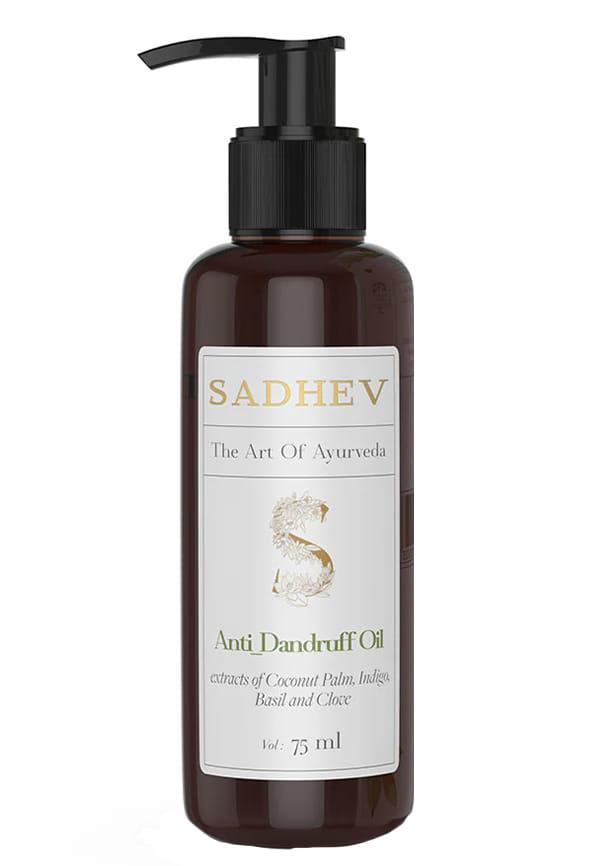
Ayurvedic Anti - Dandruff Oil - Coconut, Holy Basil & Clove 75 ml
Unfortunately, scalp fungus rarely resolves without treatment. The fungi that cause these infections are part of your scalp's natural microbiome, but when they overgrow, they need active intervention to get back to normal levels. Without treatment, symptoms typically persist or worsen over time. Results may vary. Consult healthcare professionals for persistent symptoms.
With consistent treatment, you should see improvement within 2-4 weeks, but complete resolution often takes 6-12 weeks. Severe cases might need longer. The key is sticking with your treatment routine even after symptoms improve to prevent recurrence. Results may vary. Consult healthcare professionals for persistent symptoms.
Regular shampoos won't treat the fungal infection, but you can use gentle, sulfate-free shampoos on non-treatment days. Avoid shampoos with heavy moisturisers or oils that might feed the fungus. When exploring new products, Smytten's trial packs let you test different formulations without committing to full sizes.
Most scalp fungi aren't highly contagious between people, but they can spread through shared items like brushes, hats, or pillowcases. It's more about creating conditions that allow your own scalp's fungi to overgrow rather than catching it from someone else.
Oily scalp dandruff is usually caused by fungal overgrowth and appears as greasy, yellowish flakes. Regular dandruff is often just dry skin and appears as white, dry flakes. The treatments differ—fungal dandruff needs antifungal ingredients, while dry dandruff needs moisturising treatments.
Yes, foods high in sugar, refined carbs, and dairy can potentially worsen fungal conditions by affecting your body's inflammatory response and oil production. A balanced diet rich in omega-3 fatty acids and antioxidants supports overall scalp health.
Treating oily scalp fungus effectively requires a multi-pronged approach that addresses both the fungal overgrowth and the underlying oil production issues. Medical treatments like ketoconazole shampoos offer the fastest results, while natural remedies like tea tree oil provide gentler, sustainable options for maintenance. The key is consistency—whether you choose medical, natural, or combination treatments, stick with your routine for at least 6-8 weeks to see real results. Prevention is equally important, focusing on proper scalp hygiene, managing oil production, and creating an environment where fungus can't thrive. Remember that severe or persistent cases warrant professional attention, and there's no shame in seeking dermatological help when over-the-counter options aren't cutting it.
Finding the right scalp fungus remedies for your specific situation often involves some trial and error, which is where Smytten becomes incredibly valuable. As India's largest product discovery and trial platform, Smytten connects you with over 2,400 trusted brands including specialized haircare options from WishCare, Love Beauty & Planet, and other scalp-focused brands. With curated trial packs, you can explore different anti-fungal shampoos, scalp treatments, and natural remedy products before committing to full-size purchases. Each mini is linked with Trial Points—get up to 8 minis for just ₹249—plus enjoy 100% cashback on trial purchases, redeemable for future orders. This makes testing various oily scalp treatment options both affordable and risk-free. When you find a product that actually works for your scalp, buying the full-size version is just a click away. With over 25 million users and authentic brand-verified minis delivered across 90% pin code coverage, Smytten helps you make smarter, more confident choices for your scalp health journey. After all, why settle for 'maybe this will work' when you can #TryItAll!
