How to Treat Monsoon Hair Fungus Effectively

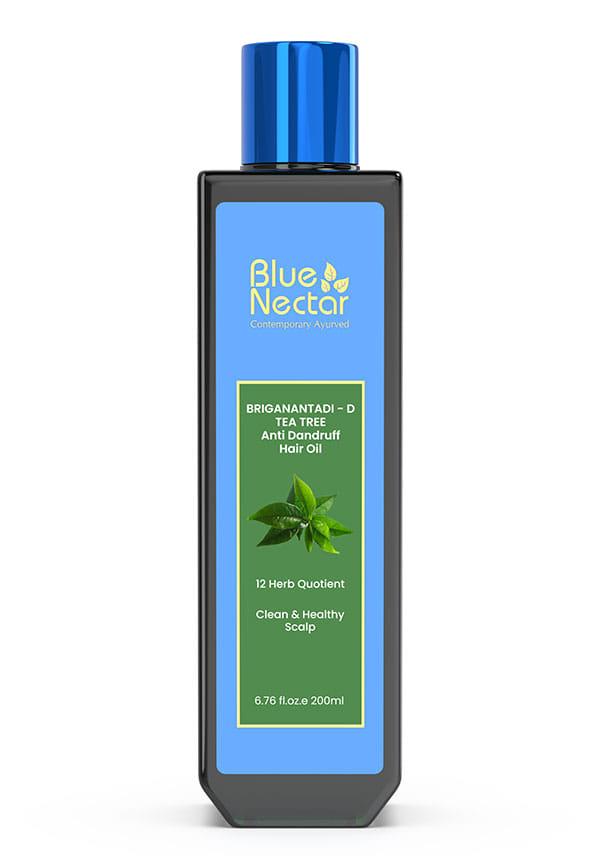
Tea Tree Anti Dandruff and Healthy Scalp Oil 12 Herbs
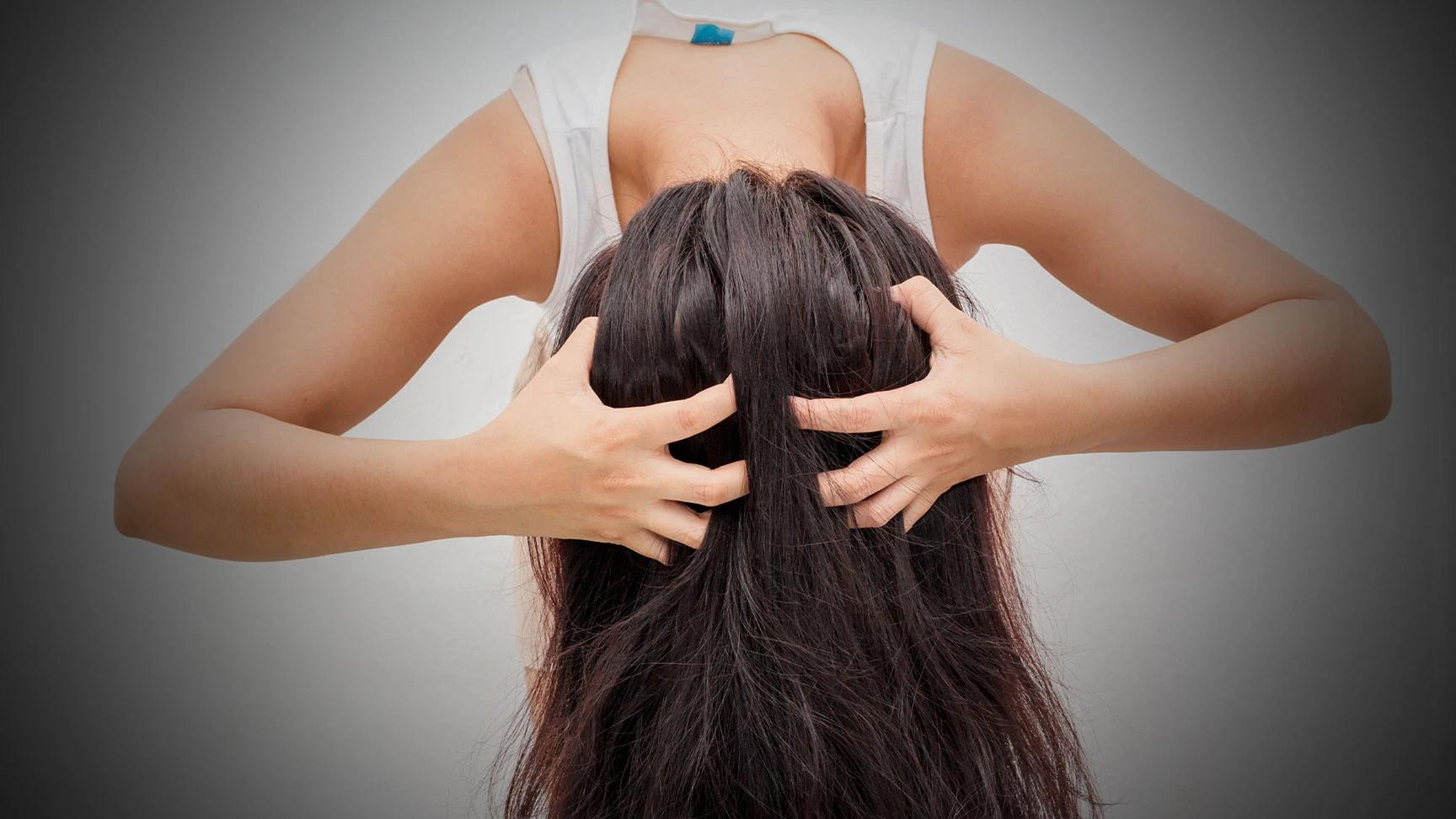
Monsoon vibes are great until your scalp decides to throw a fungal party. If you've been dealing with persistent itching or weird flakes, you might be dealing with monsoon hair fungus. Learning how to treat monsoon hair fungus effectively starts with understanding the common causes and symptoms. Many people experience scalp fungal infections during rainy season, making it a common monsoon concern.
If you've noticed persistent itching, unusual flakes, or circular patches on your scalp, you might be dealing with monsoon hair fungus. The good news? With the right approach to hair fungus treatment and some smart preventive measures, you can keep your scalp healthy throughout the rainy season. Whether you're exploring natural remedies for scalp fungus or looking for effective dandruff treatment during monsoon, this guide covers everything you need to know. At Smytten, we understand how frustrating scalp issues can be, which is why we've curated expert-backed solutions to help you tackle fungal scalp infection symptoms head-on.
TL;DR
Monsoon humidity creates ideal conditions for fungal scalp infections, affecting many people during rainy season
Key symptoms include persistent itching, unusual flakes, circular patches, and excessive hair fall
Treatment involves antifungal shampoos, natural remedies like tea tree oil, and maintaining proper scalp hygiene
Prevention focuses on keeping scalp dry, using breathable hair accessories, and maintaining consistent hair care routines
Seek professional help if symptoms persist beyond 2-3 weeks or worsen despite treatment
Let's be real - monsoon season transforms your scalp into a breeding ground for fungi. The combination of high humidity, reduced sunlight, and constant moisture creates an ideal environment for various types of fungi that naturally live on your scalp.
During monsoons, humidity levels can reach 80-90%, which means your scalp stays damp for extended periods. This persistent moisture, combined with reduced air circulation under umbrellas and rain gear, creates the perfect environment for fungal overgrowth. Additionally, frequent washing due to getting caught in the rain can strip your scalp's natural protective oils, weakening its defence against infections.
The lack of sunlight during cloudy monsoon days also plays a role. Sunlight naturally helps control fungal growth through its antimicrobial properties, so prolonged cloudy weather removes this natural protection.
Spotting the early signs of monsoon scalp infections can help you address the issue before it becomes severe. Here's what to watch for:
Visual symptoms include white or yellowish flakes that differ from regular dandruff, red or inflamed patches on the scalp, and in severe cases, circular bald spots with defined borders. You might also notice scaling around the hairline or behind your ears.
Physical symptoms typically start with intense itching that worsens throughout the day, burning sensations when touching affected areas, and tenderness that makes even gentle hair brushing uncomfortable. Some people also experience a musty or unpleasant scalp odour.
Hair changes become apparent as the infection progresses. Your hair may become brittle and break easily, you might notice excessive hair fall during washing or combing, and affected areas may develop thinning patches where hair growth slows down.
The most common fungal scalp infection during monsoon is seborrheic dermatitis, caused by Malassezia fungus overgrowth. This creates greasy, yellowish flakes and intense itching. Tinea capitis, though less common in adults, can also occur and presents as circular, scaly patches with hair loss.
Sometimes, bacterial infections can develop secondary to fungal infections, especially if you've been scratching the affected areas. This combination requires more comprehensive treatment and professional medical attention.
Effective treatment for monsoon hair fungus typically involves a multi-pronged approach combining medical treatments, over-the-counter solutions, and consistent care routines. The key is starting treatment early and maintaining consistency.
Antifungal shampoos form the backbone of most treatment plans. Look for shampoos containing ketoconazole (2%), selenium sulfide (1-2.5%), or zinc pyrithione (1-2%). These ingredients directly target the fungi causing your scalp issues. Use these shampoos 2-3 times per week, leaving them on your scalp for 3-5 minutes before rinsing.
Topical medications prescribed by dermatologists include antifungal creams or lotions that you apply directly to affected areas. These often contain stronger concentrations of active ingredients than over-the-counter options.
For persistent or severe infections, oral medications might be necessary. These systemic antifungals work from inside your body but require medical supervision due to potential side effects.
Many effective treatments are available without prescription. Medicated shampoos containing coal tar, salicylic acid, or sulfur can help manage symptoms and prevent recurrence. Apply these products as directed, typically 2-3 times per week initially, then reducing frequency as symptoms improve.
Antifungal sprays and powders can be particularly useful for keeping your scalp dry throughout the day. These products often contain ingredients like miconazole or clotrimazole and can be applied to clean, dry scalp.
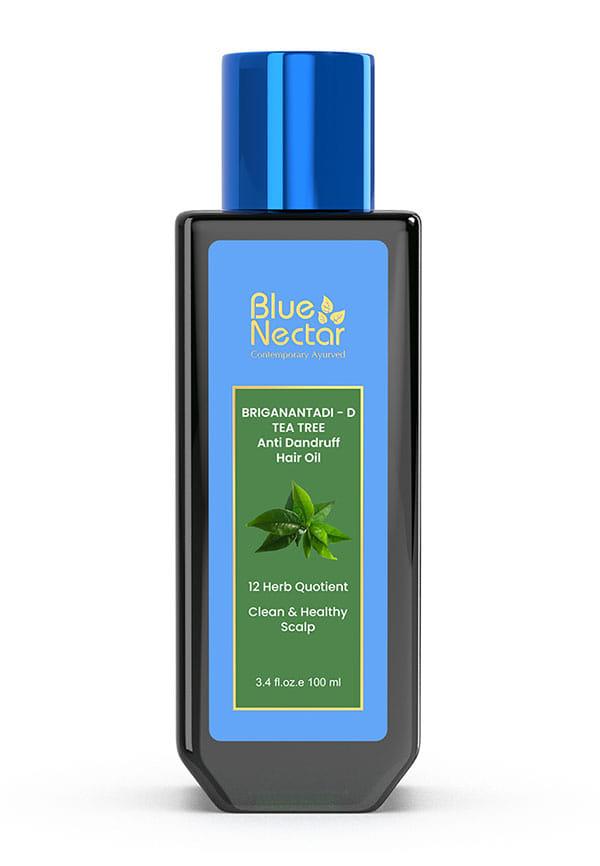
Tea Tree Anti Dandruff and Healthy Scalp Oil 12 Herbs
Consulting a dermatologist becomes essential when home treatments aren't working. They can perform scalp examinations, possibly including microscopic analysis of skin samples, to identify the specific type of fungus and recommend targeted treatment.
Professional treatments might include prescription-strength antifungal medications, corticosteroid treatments for severe inflammation, or combination therapies that address both fungal infection and secondary bacterial growth.
While medical treatments are often necessary for severe infections, natural remedies can provide excellent support and may be sufficient for mild cases. These approaches work best when combined with proper hygiene and preventive measures.
Tea tree oil's natural antifungal properties make it one of the most effective natural treatments for scalp fungus. However, it must be used correctly to avoid irritation. Mix 2-3 drops of pure tea tree oil with 1 tablespoon of carrier oil like coconut or jojoba oil.
Apply this mixture to affected areas 2-3 times per week, leaving it on for 30 minutes before washing with a gentle shampoo. Always perform a patch test first, as some people are sensitive to tea tree oil.
Apple cider vinegar helps restore your scalp's natural pH balance, creating an environment that's less favourable for fungal growth. Mix 1 part apple cider vinegar with 3 parts water and use this as a final rinse after shampooing.
Leave the rinse on for 2-3 minutes before rinsing with cool water. Use this treatment 2-3 times per week until symptoms improve, then reduce to once weekly for maintenance.
Neem oil contains compounds that naturally fight both fungal and bacterial infections. Mix a few drops with carrier oil and apply to affected areas twice weekly.
Coconut oil contains lauric acid, which has proven antifungal properties. Apply virgin coconut oil to your scalp 30 minutes before washing, focusing on affected areas.
Aloe vera provides soothing relief from itching and inflammation while supporting healing. Apply fresh aloe vera gel directly to irritated areas and leave on for 20 minutes before rinsing.
You can create effective treatment blends by combining these natural ingredients. A popular combination includes 2 tablespoons coconut oil, 3 drops tea tree oil, and 1 teaspoon aloe vera gel. Apply this mixture twice weekly for comprehensive care.
Always introduce new ingredients gradually and monitor your scalp's response. If irritation occurs, discontinue use and consult a healthcare provider.
Dandruff often worsens during monsoon season due to increased humidity and fungal activity. Understanding the difference between regular dandruff and fungal dandruff helps you choose the right treatment approach.
Humidity affects dandruff in complex ways. While some people assume moisture would help dry scalp conditions, the reality is that excess humidity can trigger Malassezia fungus overgrowth, leading to more severe flaking and itching.
Fungal dandruff typically appears as larger, greasier flakes compared to the fine, dry flakes of regular dandruff. The flakes may have a yellowish tint and often come with intense itching that worsens throughout the day.
Frequency adjustments are crucial during humid weather. You might need to wash your hair more frequently than usual, but avoid daily washing as this can strip natural oils and worsen the condition. Aim for every other day or three times per week with antifungal shampoo.
Product selection should focus on ingredients that work effectively in humid conditions. Zinc pyrithione and ketoconazole remain stable in moisture and continue working even when your scalp is slightly damp from humidity.
Application techniques become more important during monsoon. Leave antifungal shampoos on your scalp for the full recommended time, even if it feels uncomfortable. The extended contact time is necessary for the active ingredients to penetrate through the humid environment.
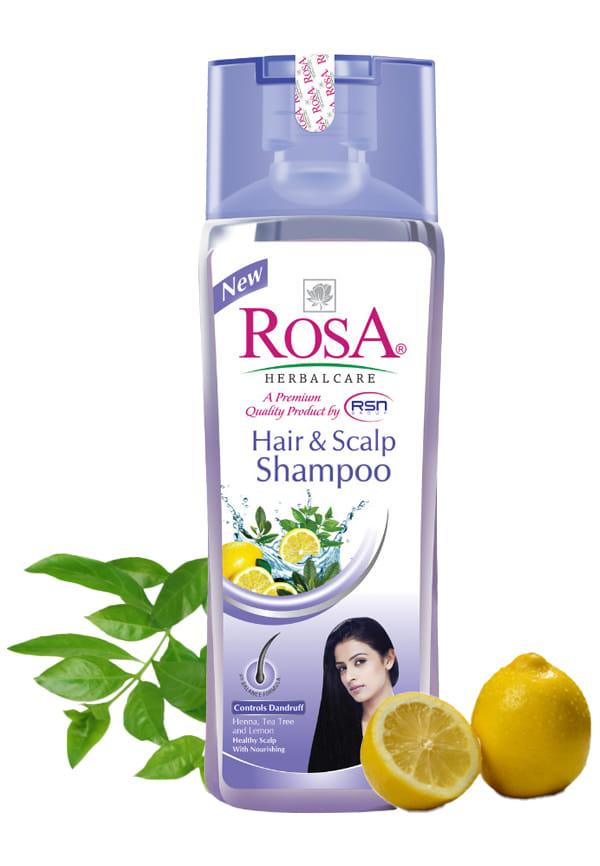
Hair & Scalp Shampoo with Tea Tree Oil and Lemon l Natural & Herbal ingredients
Many people make the mistake of washing their hair daily during monsoon, thinking it will help control dandruff. This actually strips your scalp's protective oils and can worsen fungal infections.
Another common error is choosing moisturising shampoos during humid weather. While these work well in dry climates, they can create too much moisture during monsoon, feeding fungal growth.
Preventing monsoon scalp infections requires adjusting your entire hair care routine to account for increased humidity and moisture exposure. These strategies help maintain scalp health throughout the rainy season.
Morning preparation should include applying a light, antifungal leave-in treatment if you're prone to scalp infections. Avoid heavy oils or creams that can trap moisture against your scalp.
Post-rain care is critical. If you get caught in the rain, gently towel-dry your hair as soon as possible. Don't leave wet hair tied up for extended periods, as this creates a humid environment perfect for fungal growth.
Evening routine should focus on ensuring your scalp is completely dry before bed. Use a blow dryer on cool setting if necessary, paying special attention to the hairline and areas behind your ears where moisture tends to accumulate.
Humidity control at home helps prevent fungal growth. Use dehumidifiers in bedrooms and ensure good ventilation in bathrooms. Keep indoor humidity levels below 60% when possible.
Hair covering techniques require balance. While you need protection from rain, avoid plastic caps or non-breathable materials that trap moisture. Choose umbrellas over hoods when possible, and if you must wear a hat, remove it as soon as you're indoors.
Drying methods become crucial during monsoon. Always dry your hair thoroughly after washing, and if you exercise or sweat heavily, rinse and dry your scalp promptly.
Switch to lightweight, water-based products during rainy season. Heavy oils and cream-based treatments can create moisture buildup that encourages fungal growth.
Look for products with natural antifungal properties like tea tree oil, neem, or zinc. These ingredients provide ongoing protection against fungal overgrowth while maintaining scalp health.
Prevention remains the best approach to managing monsoon scalp infections. By implementing comprehensive prevention strategies, you can significantly reduce your risk of developing fungal scalp infections during rainy season.
Diet and nutrition play a crucial role in scalp health. Include foods rich in zinc, vitamin B, and omega-3 fatty acids, which support immune function and skin health. Reduce sugar intake, as excess sugar can feed fungal growth throughout your body.
Stress management is often overlooked but essential. Chronic stress weakens your immune system and can trigger scalp conditions. Practice stress-reduction techniques like meditation, yoga, or regular exercise.
Sleep hygiene affects your body's ability to fight infections. Ensure you get 7-8 hours of quality sleep and change pillowcases frequently, especially during monsoon season.
Pre-monsoon scalp conditioning involves strengthening your scalp's natural barrier before the rainy season begins. Use gentle exfoliating treatments to remove dead skin buildup and apply nourishing treatments to maintain healthy scalp function.
Transition care as seasons change helps your scalp adapt to new environmental conditions. Gradually adjust your hair care routine rather than making sudden changes.
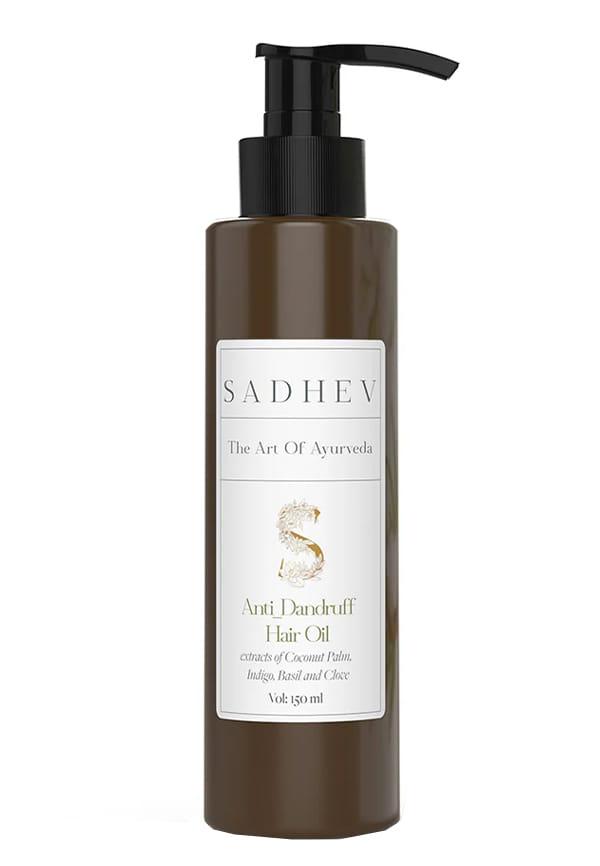
Ayurvedic Anti - Dandruff Oil - Coconut, Holy Basil & Clove 150ml
Maintain clean hair tools and accessories. Wash combs and brushes weekly with antifungal solutions, and avoid sharing hair accessories with others. Replace hair ties regularly, as they can harbour bacteria and fungi.
Keep your living environment clean and well-ventilated. Wash bedding in hot water weekly and ensure bathrooms have proper ventilation to prevent moisture buildup.
While many scalp fungal infections respond well to home treatment, certain situations require professional medical attention. Recognising these warning signs can prevent complications and ensure you receive appropriate care.
Seek immediate medical attention if you notice spreading infections that create new patches of irritation, severe hair loss in circular patterns, or signs of secondary bacterial infection like pus, increased redness, or fever.
Persistent symptoms that don't improve after 2-3 weeks of consistent treatment also warrant professional evaluation. Sometimes, what appears to be a simple fungal infection may be a more complex condition requiring prescription treatment.
If you've tried multiple over-the-counter treatments without success, a dermatologist can perform tests to identify the specific organism causing your infection and prescribe targeted treatment.
Recurring infections that return shortly after treatment ends may indicate an underlying condition or environmental factor that needs to be addressed professionally.
Most mild to moderate fungal scalp infections respond to treatment within 2-4 weeks with consistent care. However, complete healing may take 6-8 weeks, and you should continue treatment for at least one week after symptoms disappear to prevent recurrence. Severe infections may require 8-12 weeks of treatment.
Yes, some scalp fungi can spread to other areas, particularly if you touch infected areas and then touch other parts of your body. Always wash your hands thoroughly after touching your scalp during treatment, and avoid sharing towels, pillowcases, or hair accessories.
Children can be more susceptible due to their developing immune systems and tendency to play outdoors in humid conditions. However, with proper hygiene and preventive care, most children can avoid scalp infections. If your child develops symptoms, consult a pediatric dermatologist for age-appropriate treatment.
Regular dandruff typically produces fine, dry flakes and mild itching, while fungal infections create larger, greasier flakes with intense itching, inflammation, and sometimes hair loss. Fungal infections may also cause red patches and have a distinct odour. When in doubt, consult a healthcare provider for proper diagnosis.
It's best to avoid regular shampoos during active treatment, as they may not address the fungal infection and could potentially worsen symptoms. Stick to antifungal or medicated shampoos recommended by your healthcare provider. You can gradually return to regular shampoos once the infection clears, but consider using antifungal shampoos weekly for prevention. Many effective antifungal hair care products are available on Smytten, allowing you to try different formulations before committing to full-size purchases.
Prevention involves maintaining good scalp hygiene, keeping your scalp dry during humid weather, using antifungal shampoos weekly as maintenance, replacing hair accessories used during infection, and addressing environmental factors like humidity control at home. Continue preventive measures throughout monsoon season.
Treating monsoon hair fungus effectively requires a comprehensive approach that combines proper diagnosis, appropriate treatment, and consistent prevention strategies. The key is recognising symptoms early and starting treatment promptly, as fungal infections are much easier to manage in their initial stages.
Remember that natural remedies can be highly effective for mild infections, but don't hesitate to seek professional help for persistent or severe symptoms. The combination of medical treatments and natural approaches often provides the best results, especially when supported by proper hair care routines adapted for monsoon conditions.
Prevention remains your best defence against monsoon scalp infections. By maintaining proper scalp hygiene, controlling environmental moisture, and making appropriate lifestyle adjustments, you can significantly reduce your risk of developing fungal scalp infections during rainy season.
Finding the right antifungal products doesn't have to be guesswork. Smytten's trial packs let you test different treatments, offering a smart way to manage scalp health during monsoon. With our platform, you can explore antifungal shampoos, scalp treatments, and natural remedies from over 2,400 authentic brand-verified minis without committing to full-size purchases. Each trial mini comes with 100% cashback, making it affordable to discover what works best for your specific scalp needs. Whether you're looking for medicated treatments or gentle natural alternatives, Smytten's India's largest minis collection helps you make informed choices. After all, why settle for maybe when you can try it all and find the perfect solution for healthy, fungus-free hair this monsoon season.
