How to Treat Humid Hair: Frizzy Hair Solutions for Smoothness


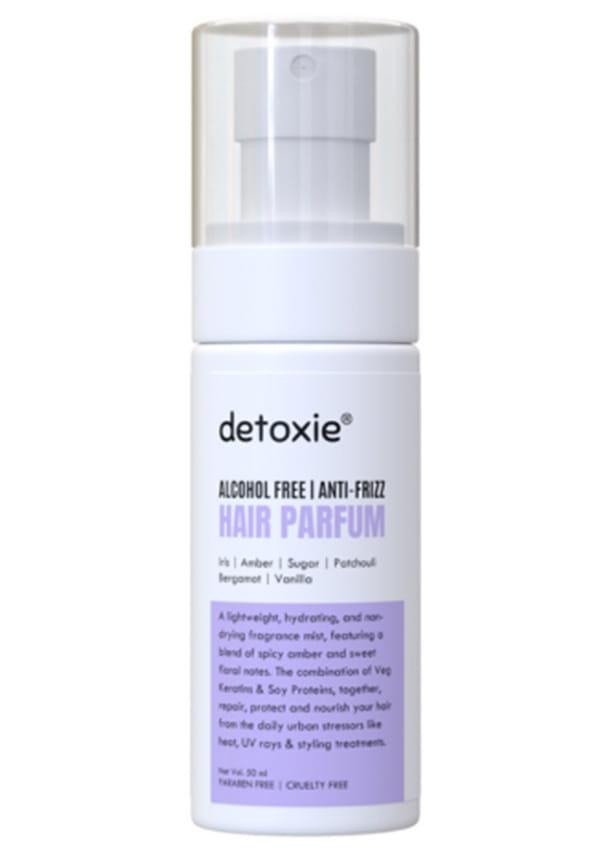
Alcohol Free Anti-Frizz Hair Parfum
You know that feeling when you step outside and your hair instantly transforms from sleek to frizzy mess? One minute you're feeling confident with your freshly styled hair, and the next you're catching your reflection in a shop window wondering what went wrong. Humidity is basically your hair's arch-nemesis, turning even the most carefully planned hair day into a battle you didn't sign up for. But here's the thing—understanding how to treat humid hair isn't just about damage control. It's about getting ahead of the frizz before it even starts.
Let's get real about what's actually happening to your hair when humidity strikes. Your hair shaft is covered in tiny scales called cuticles, and when these are damaged or naturally porous, they act like little sponges. Humid air contains water molecules that your thirsty hair absorbs, causing the shaft to swell and those cuticles to lift. This is where the frizz begins.
Think of it like this: healthy hair with smooth, flat cuticles is like a well-sealed roof that keeps moisture out. Damaged hair? That's more like a roof with missing tiles—humidity just walks right in and makes itself at home. The water molecules break and reform hydrogen bonds in your hair, changing its natural texture and creating that dreaded frizzy, unmanageable look.
Hair porosity plays a massive role here too. High-porosity hair (usually from chemical processing, heat damage, or just genetics) absorbs moisture quickly but also loses it just as fast. This constant moisture fluctuation is what makes some people's hair go completely wild in humid conditions. Understanding your hair's porosity level is key to figuring out the right approach to manage humid hair effectively.
The secret to humidity-proof hair starts in the shower, not with your styling routine. Building a solid foundation means choosing products and techniques that work with your hair's natural structure rather than against it. This is where your summer haircare game needs to level up.
Sulfate-free shampoos are your best friend when dealing with humidity. These gentler formulas clean your hair without stripping away natural oils that actually help protect against moisture absorption. Washing too frequently can leave your hair vulnerable to humidity, so aim for every other day or even less if your hair type allows it. When you do wash, finish with cool water—it helps seal those cuticles and creates a smoother surface that humidity can't penetrate as easily.
Here's something that might sound backwards: well-hydrated hair actually resists humidity better than dry hair. When your hair is properly moisturised from within, it's less likely to grab moisture from the air. Weekly deep conditioning treatments are non-negotiable, especially during humid months. Look for treatments with ingredients like hyaluronic acid, glycerin, or natural oils that penetrate the hair shaft rather than just coating the surface.
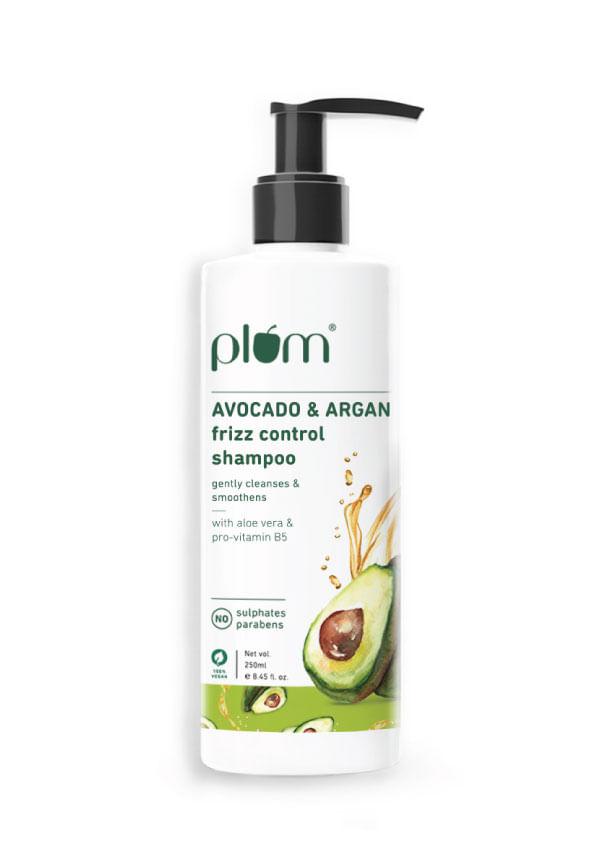
Avocado & Argan Frizz Control Shampoo For Curly, Wavy, Frizzy Hair
When it comes to long-term frizz control, you've got options. Professional treatments can give you months of smoother hair, but they're not the only way to achieve humidity resistance. Let's break down what actually works and what's worth your time and money.
Keratin treatments and Brazilian blowouts are the heavy hitters in professional hair smoothing treatments. These work by filling in the gaps in damaged cuticles and creating a protective barrier around each strand. The results can last 3-6 months, making them worth considering if you're dealing with seriously unruly hair. However, they're not suitable for everyone—particularly if you have fine hair that might get weighed down.
Not ready to commit to salon treatments? Natural oils like argan, jojoba, and coconut can work wonders for sealing cuticles and adding moisture. Apple cider vinegar rinses help smooth the cuticle layer—just mix one part vinegar with three parts water and use it as a final rinse once a week. These methods take consistency to see results, but they're gentler on your hair and wallet.
The right products can make or break your humidity game. But with so many options claiming to be the ultimate frizz-fighter, how do you know what actually works? It comes down to understanding your hair type and choosing formulas that address your specific needs.
Anti frizz serums fall into two main categories: silicone-based and silicone-free. Silicone-based serums create an immediate barrier against humidity but can build up over time. Silicone-free options use natural oils and polymers to smooth hair without the buildup risk. Fine hair usually does better with lightweight, silicone-free formulas, while thick, coarse hair can handle heavier silicone-based serums that provide stronger humidity protection.
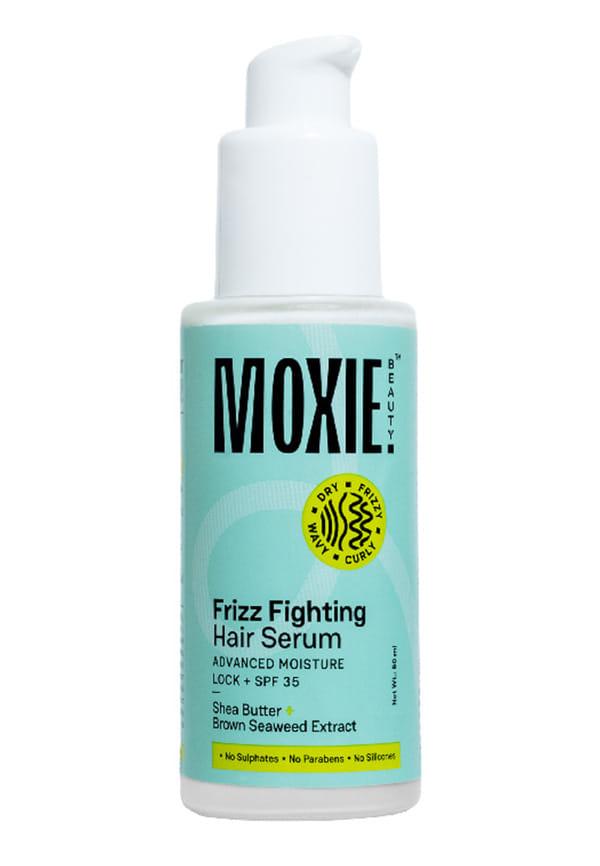
Frizz Fighting Hair Serum For Dry and Frizzy Hair
Think of humidity hair products like invisible raincoats for your strands. These barrier-creating formulas work by forming a protective film around each hair shaft. The key is application—spray these products on damp hair before styling, focusing on the mid-lengths and ends where damage is usually worst. Layer them under your regular styling products for maximum protection.
Even the best products won't save you if your styling technique is working against you. The way you dry and style your hair can either set you up for success or guarantee a frizzy disaster the moment you step outside.
The tension technique is everything when blow-drying for humidity resistance. Use a paddle brush to create tension as you direct the airflow down the hair shaft—this helps smooth the cuticles and creates a sleeker finish. Always finish with a cool shot to seal everything in place. Heat protectants aren't optional here; they create an additional barrier against both heat damage and humidity.
Sometimes the best way to beat humidity is to work with your hair's natural texture rather than against it. Plopping (wrapping wet curly hair in a cotton t-shirt) and scrunching with microfiber towels can enhance natural waves without creating frizz. Protective overnight styles like loose braids or silk scrunchies prevent friction that leads to morning frizz.
Real talk: sometimes humidity wins, and you need damage control fast. Keep a small bottle of diluted leave-in conditioner in your bag—just a few drops smoothed over frizzy areas can tame flyaways without weighing hair down. Silk scarves aren't just trendy; they're practical tools for protecting styled hair when moving between air-conditioned spaces and humid outdoor air.
For instant smoothing, try the water-and-oil method: mix a few drops of lightweight oil with water in a spray bottle and mist lightly over frizzy sections. The water helps reshape the hair while the oil seals moisture in. Protective hairstyles like low buns, braids, or sleek ponytails can also save the day when humidity levels are particularly brutal.
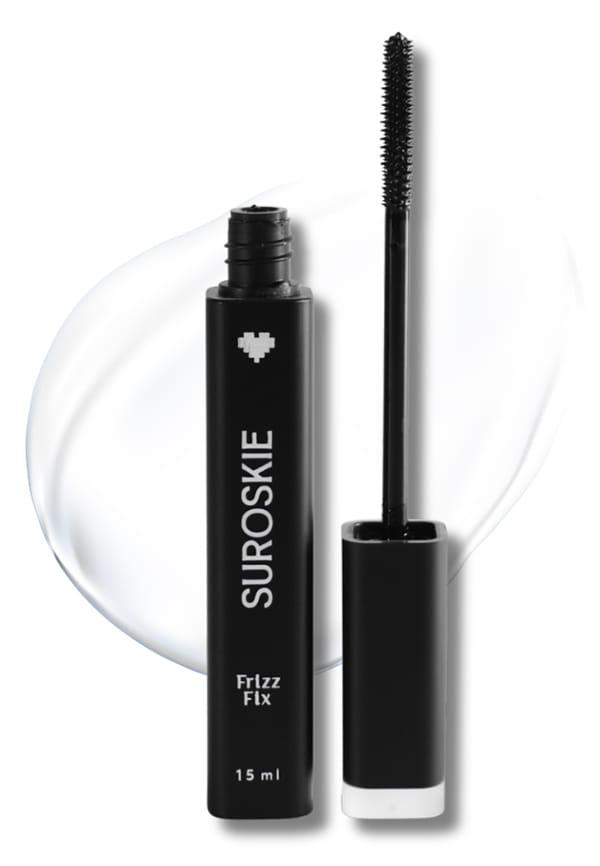
Anti Frizz Hair Stick
The fastest way to tackle humidity-induced frizz is to lightly dampen your hands and smooth them over frizzy areas, then apply a small amount of anti-frizz serum or lightweight oil. This helps reset the hydrogen bonds and seal the cuticles. For immediate results, try wrapping sections around a cool blow dryer for just a few seconds to smooth things out.
Before bed, apply a leave-in treatment to damp hair and loosely braid or twist sections. Sleep on a silk pillowcase to reduce friction. In the morning, gently separate the sections and scrunch with a microfiber towel. This method helps reset your hair's moisture balance while you sleep.
Aloe vera gel, coconut oil, and shea butter are excellent natural humidity fighters. Aloe vera provides lightweight moisture without greasiness, coconut oil penetrates the hair shaft to strengthen from within, and shea butter creates a protective barrier. Apple cider vinegar is also brilliant for sealing cuticles when used as a rinse.
Avoid alcohol-based products that can dry out your hair and make it more susceptible to humidity. Skip heavy creams that might weigh fine hair down, and be cautious with glycerin-based products in very humid conditions—they can actually draw more moisture from the air into your hair.
Learning how to treat humid hair is really about understanding your hair's unique needs and building a routine that works with, not against, the weather. The key is consistency—using the right products, techniques, and protective measures before humidity becomes a problem. Remember, healthy hair that's properly moisturised and protected will always handle humidity better than damaged, dry hair.
Whether you're dealing with fine hair that gets limp in humidity or thick hair that turns into a frizzy mess, the right combination of products and techniques can make all the difference. From sulfate-free shampoos and weekly deep conditioning to the perfect anti-frizz serum and proper styling techniques, every step in your routine should work towards creating that humidity-resistant barrier.
Not sure which humidity hair products will work best for your specific hair type? Smytten offers trial-size versions of many anti-frizz serums and humidity-fighting treatments—a smart way to test different formulas before investing in full-size bottles. After all, finding your perfect humidity-proof routine shouldn't be a guessing game.
