How to Treat Hair Thinning: Expert Solutions

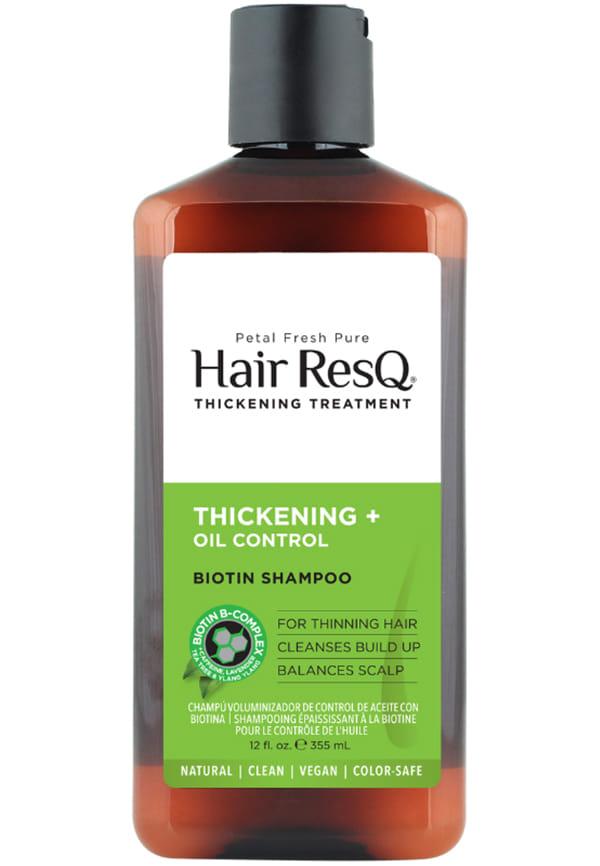
Hair ResQ Thickening Shampoo Oil Control
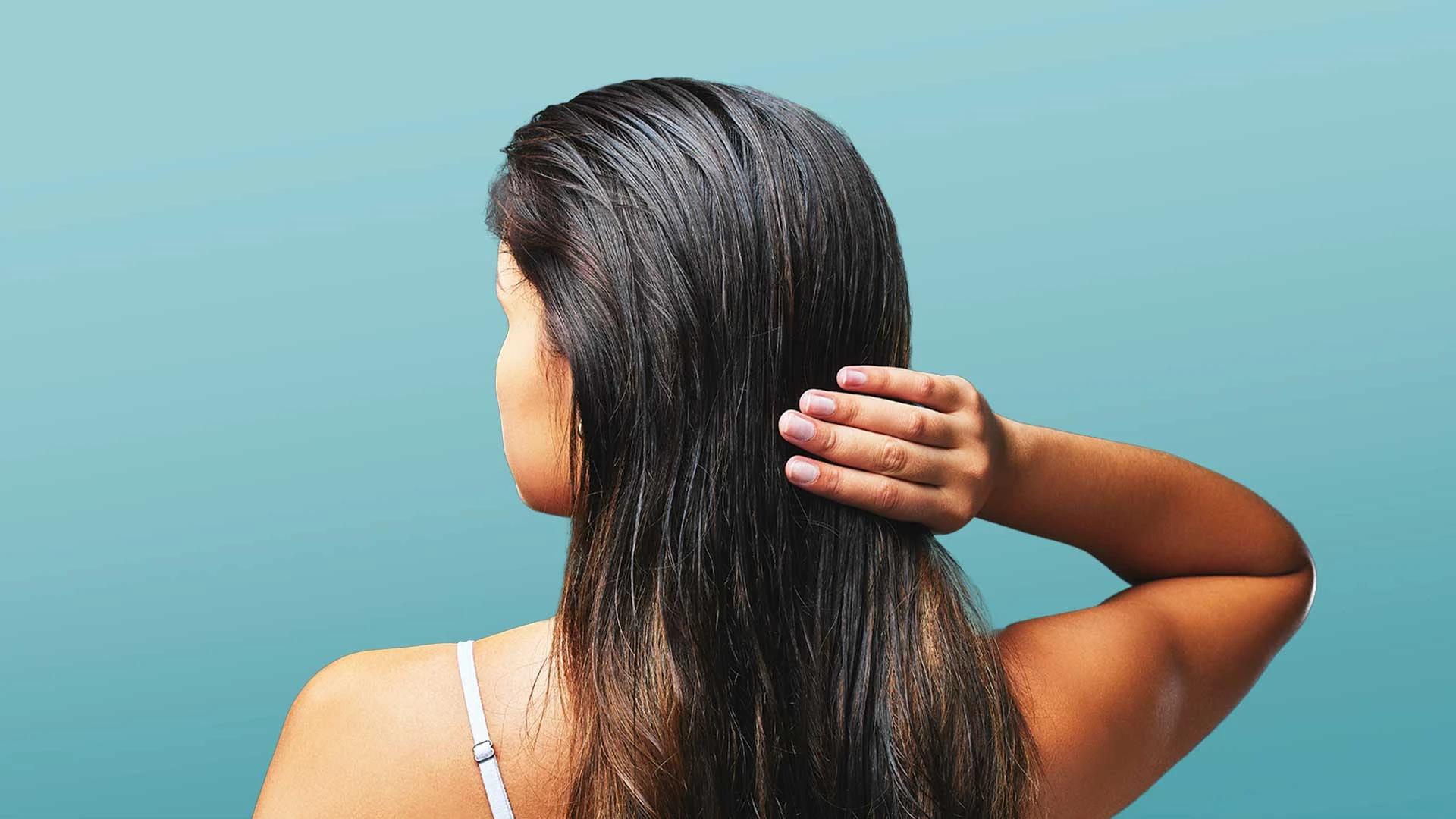
Watching your hair thin can feel like watching your confidence slip away strand by strand. Whether you're noticing wider partings, a receding hairline, or just less volume overall, you're definitely not alone in this journey. Hair thinning affects millions of people worldwide, but here's the thing—it's not a life sentence. With the right approach and proven solutions, you can take control and work towards healthier, thicker hair. Let's dive into expert-backed treatments that actually work, from medical solutions to natural remedies that might just become your new fave.
Before jumping into solutions, let's get real about what causes hair thinning in the first place. Understanding the root cause is half the battle won, and it'll help you choose the most effective treatment path. The most common culprit behind hair thinning causes is genetics—thanks, family tree! Androgenetic alopecia, or pattern baldness, affects both men and women and accounts for about 95% of hair loss cases. But genetics isn't the only player in this game. Hormonal changes, particularly fluctuations in DHT (dihydrotestosterone), can wreak havoc on your hair follicles. Stress, both physical and emotional, can push hair into a resting phase, leading to increased shedding. Nutritional deficiencies, particularly iron, zinc, and protein, can also leave your hair looking lacklustre.
Catch hair thinning early, and you'll have a much better chance of success with treatment. Look out for increased hair in your brush or shower drain, a widening part, or your ponytail feeling noticeably thinner. You might also notice your scalp becoming more visible, especially under bright lights.
If you're losing more than 100 hairs daily or notice sudden, patchy hair loss, it's time to chat with a dermatologist or trichologist. They can properly diagnose the type of hair loss you're experiencing and recommend the most suitable hair thinning treatment.
When it comes to proven hair loss solutions, medical treatments often deliver the most reliable results. These FDA-approved options have solid science backing them up, making them worth considering if you're serious about tackling hair thinning. Minoxidil, commonly known as Rogaine, is probably the most well-known hair regrowth treatment. It works by increasing blood flow to hair follicles and extending the growth phase of hair. Available in 2% and 5% concentrations, it's suitable for both men and women. The catch? You'll need to use it consistently for at least four months to see results, and stopping treatment means losing any gains you've made.
Finasteride (Propecia) is a prescription medication that blocks the production of DHT, the hormone responsible for shrinking hair follicles. It's particularly effective for male pattern baldness, with studies showing it can slow hair loss in 80% of men and promote regrowth in about 65%. However, it's not recommended for women of childbearing age due to potential birth defects.
This antifungal shampoo isn't just for treating dandruff—it also has anti-androgenic properties that can help with hair thinning. Using a 2% ketoconazole shampoo twice weekly can complement other treatments and improve scalp health.
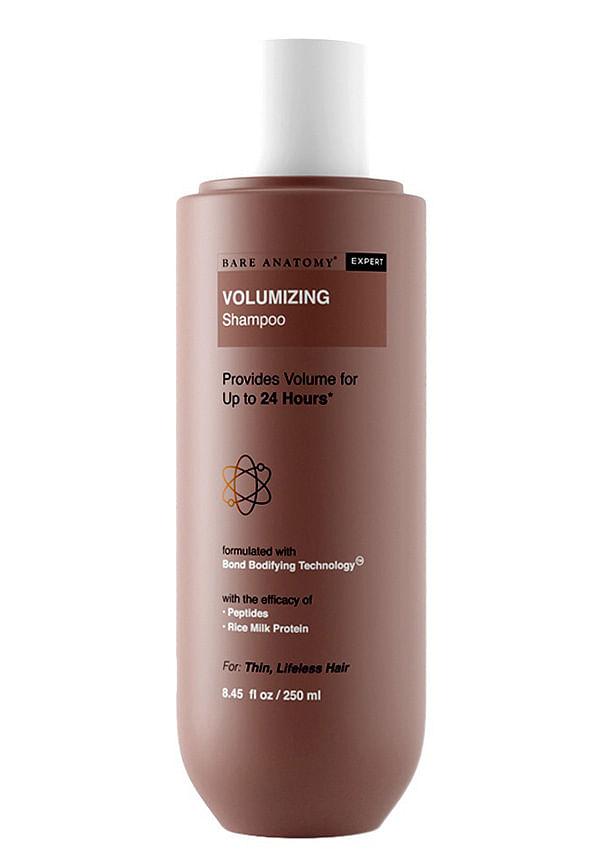
Expert Volumizing Hair Shampoo For Thicker, Fuller And Healthy Hair
Amazing Product with Good Texture
 5
5“Amazing and good texture overall really good product”
Must-have for Strengthening & Volume
5“a must have shampoo if you are someone who is looking to strengthen and volumnize your hair”
Nice Bare Anatomy Shampoo
5“nice shampoo thank you bare anatonmy”
If topical treatments aren't cutting it, several professional procedures can give your hair regrowth tips the boost they need. These treatments are typically more expensive but can offer more dramatic results. Platelet-Rich Plasma (PRP) therapy involves drawing your blood, processing it to concentrate the platelets, and injecting it into your scalp. The growth factors in platelets can stimulate dormant hair follicles and improve hair thickness. Most people need three to four sessions spaced a month apart, with maintenance treatments every six months.
LLLT uses red light wavelengths to stimulate cellular activity in hair follicles. It's available as in-office treatments or home devices like laser caps and combs. While results are gradual, studies show it can increase hair density and thickness over time.
Microneedling creates tiny punctures in the scalp, which can enhance the absorption of topical treatments like minoxidil. When combined with other therapies, it can significantly improve results.
Choosing the right haircare products can make a real difference in how your hair looks and feels. The best shampoo for thinning hair should gently cleanse without stripping natural oils while providing ingredients that support scalp health. Look for shampoos containing biotin, which strengthens hair structure, or caffeine, which can stimulate blood circulation to the scalp. Niacinamide (vitamin B3) helps improve scalp circulation, while panthenol (vitamin B5) adds moisture and volume. Avoid harsh sulphates that can irritate an already sensitive scalp.
Volumising shampoos work by coating each hair strand to create the appearance of thicker hair. While they won't actually grow new hair, they can give you an immediate hair volume boost that makes your existing hair look fuller. Pair these with lightweight conditioners that won't weigh your hair down.
Hair growth serums containing peptides, stem cells, or plant extracts can provide targeted treatment to your scalp. Apply these to clean, damp hair and massage gently into the scalp for best absorption.
While medical treatments often provide the most dramatic results, natural remedies can be excellent supporting players in your hair regrowth journey. Plus, they're gentler on your wallet and often come with fewer side effects. Scalp massage is one of the simplest yet most effective natural treatments. Just five minutes of daily massage can increase blood circulation to hair follicles, potentially promoting growth. Use your fingertips (not nails) to apply gentle pressure in circular motions across your entire scalp.
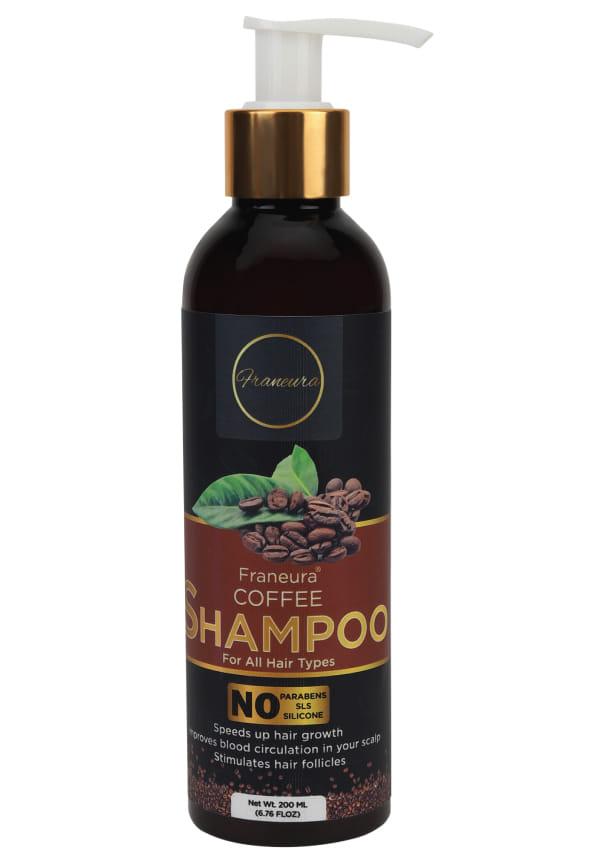
Daily Use Natural Coffee Shampoo - Revitalize and Strengthen Hair
Great Product at Low Price
5“coffe shampoo at such low price is awesome”
Great Product at Low Price
5“coffe shampoo at such low price is awesome”
Great Product at Low Price
5“coffe shampoo at such low price is awesome”
Rosemary oil has shown promising results in studies, with one research finding it as effective as 2% minoxidil for promoting hair growth. Peppermint oil can increase blood flow to the scalp, while lavender oil has been shown to promote hair growth in animal studies. Always dilute essential oils with a carrier oil like coconut or jojoba before applying to your scalp.
Bhringraj and brahmi oils are staples in Ayurvedic haircare and have been used for centuries to promote hair growth. These herbs are believed to nourish hair follicles and improve circulation. While scientific evidence is limited, many people swear by their effectiveness.
Healthy hair starts with a healthy scalp, and focusing on scalp health can amplify the effectiveness of any hair thinning treatment you choose. Think of your scalp as the soil where your hair grows—if it's not in good condition, your hair won't thrive. Establish a gentle cleansing routine that removes buildup without over-washing. Most people with thinning hair should wash every other day or every two days, depending on their scalp's oil production. Use lukewarm water instead of hot, which can irritate the scalp and strip natural oils.
Tight hairstyles, excessive heat styling, and harsh chemical treatments can worsen hair thinning. Opt for loose styles that don't pull on your hair, and when you do use heat tools, always apply a heat protectant first. Consider air-drying your hair more often to give it a break from styling stress.
Your sleep position can affect hair health—try sleeping on a silk or satin pillowcase to reduce friction. Stress management is crucial too, as chronic stress can push hair follicles into a resting phase. Regular exercise, meditation, or yoga can help manage stress levels and improve overall circulation.
What you eat directly impacts your hair's health and growth potential. Hair follicles are among the most active cells in your body, so they need a steady supply of nutrients to function optimally. Protein is essential since hair is primarily made of keratin, a protein. Include lean meats, fish, eggs, legumes, and nuts in your diet. Iron deficiency is a common cause of hair thinning, especially in women, so incorporate iron-rich foods like spinach, lentils, and lean red meat. Zinc supports hair tissue growth and repair—find it in oysters, pumpkin seeds, and chickpeas.
Biotin, vitamin D, and omega-3 fatty acids all play roles in hair health. However, it's generally better to get these nutrients from whole foods rather than supplements unless you have a diagnosed deficiency. If you're considering supplements, chat with your doctor first to avoid any interactions with other medications.
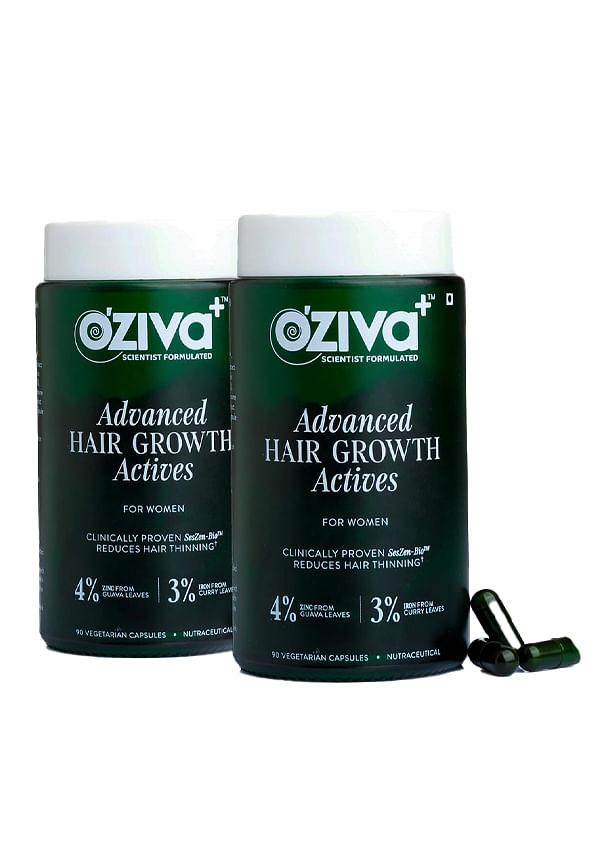
Advanced Hair Growth Actives | Anti-Thinning Hair Formula for Women
Good Product
5“good product”
Good product, I like it
5“good product i like it it feels when I use it”
Nice Product
4“nice product.....thank you smytten”
Staying well-hydrated helps maintain scalp health, while regular exercise improves circulation throughout your body, including to your scalp. Even a daily 20-minute walk can make a difference in overall hair health. When exploring different haircare for thinning hair, platforms like Smytten make it easier to find products that work for you. With curated trial packs from over 1,500 trusted brands, you can test various shampoos, serums, and treatments without committing to full-size purchases. This approach is particularly valuable when dealing with hair thinning, as what works for one person might not work for another.
Yes, hair can often regrow from thinning, especially if caught early and treated appropriately. The success depends on the underlying cause and how long the follicles have been inactive. With consistent treatment, many people see improvements within 3-6 months.
To prevent hair thinning, maintain a healthy diet rich in protein and vitamins, manage stress levels, avoid tight hairstyles and excessive heat styling, and consider using gentle, nourishing haircare products. If thinning has already started, early intervention with proven treatments offers the best chance of success.
The "big 3" refers to minoxidil, finasteride, and ketoconazole shampoo. This combination targets hair loss from multiple angles—minoxidil stimulates growth, finasteride blocks DHT production, and ketoconazole maintains scalp health.
While natural remedies like scalp massage, essential oils, and proper nutrition can support hair health and may help with mild thinning, severe hair loss typically requires medical intervention for significant improvement. Natural methods work best as complementary treatments alongside proven medical therapies.
Most treatments require 3-4 months of consistent use before noticeable results appear. Hair growth is a slow process, and patience is key. Some people may see initial improvements in hair texture and reduced shedding within 6-8 weeks.
Treating hair thinning successfully requires a multi-faceted approach that combines proven medical treatments with healthy lifestyle choices and proper haircare. The key is starting early, being consistent with your chosen treatments, and having realistic expectations about timelines. Remember, what works for your friend might not work for you, and that's perfectly normal. Hair thinning treatment is highly individual, which is why trying different products safely is so valuable. With over 25 million users trusting Smytten's approach to product discovery, you can explore various haircare solutions through trial packs before investing in full-size products. This way, you can build a personalised routine that actually works for your specific needs without the financial risk of buying products that might not suit you. After all, why settle for 'maybe' when you can try it all and find what truly works for your hair?
