How to Treat Hair Dandruff Effectively: Expert Tips

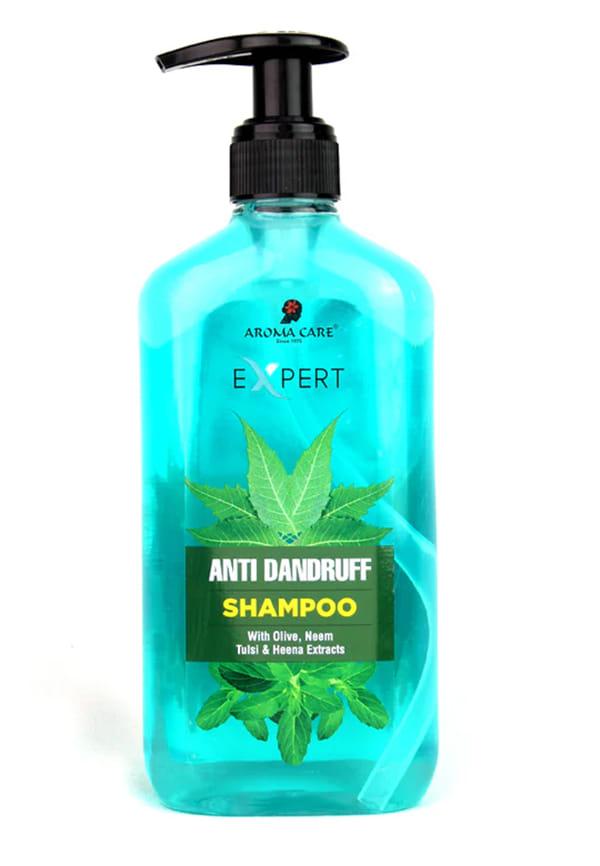
Anti Dandruff Shampoo
Dandruff Reduced After One Wash
 4
4“yup my dandruff is going slowly after one wash I saw the result”
Dandruff Reduced After One Wash
4“yup my dandruff is going slowly after one wash I saw the result”
Dandruff Reduced After One Wash
4“yup my dandruff is going slowly after one wash I saw the result”
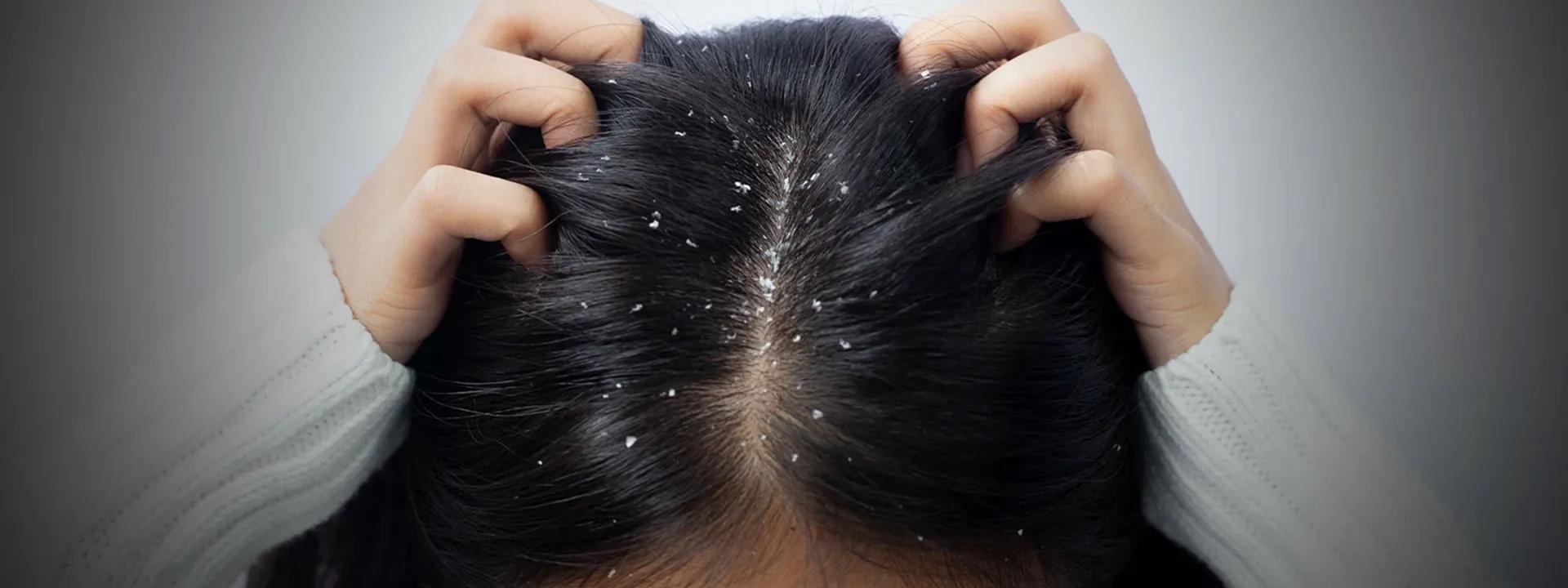
Those white flakes on your shoulders aren't just a fashion faux pas—they're your scalp sending out an SOS. Hair dandruff treatment doesn't have to feel like rocket science, but finding what works for your specific scalp situation can feel overwhelming. Whether you're dealing with occasional flakes or persistent itchy scalp relief issues, the right approach can transform your hair and scalp health completely. Real talk: dandruff affects nearly half of adults worldwide, so you're definitely not alone in this. Let's dive into expert-backed solutions that actually work, from gentle natural remedies to powerful medicated treatments that target the root cause.
Dandruff isn't just about dry skin—it's actually a complex scalp condition with several potential triggers. The most common culprit is seborrheic dermatitis, a chronic inflammatory condition that loves to hang out in oily areas of your scalp. This condition creates that perfect storm of excessive oil production, yeast overgrowth, and skin cell turnover that results in those telltale flakes.
Your scalp produces natural oils called sebum, and when certain yeasts (particularly Malassezia) feed on these oils, they can trigger inflammation and speed up skin cell production. Instead of the normal 28-day cycle, your scalp starts shedding cells every 2-7 days, creating that flaky scalp situation nobody wants.
Stress, hormonal changes, cold weather, and even certain hair products can aggravate your scalp. Overwashing or underwashing both create problems—too much washing strips natural oils, whilst too little allows buildup that feeds problematic yeasts.
Not all flakes are created equal. Dry scalp produces small, white flakes and feels tight, whilst seborrheic dermatitis creates larger, yellowish flakes with redness and itching. Some people also experience contact dermatitis from hair products, which looks similar but has different treatment needs.
The most effective hair dandruff treatment often starts with the right dandruff shampoo. These aren't your regular cleansers—they contain active ingredients specifically designed to tackle the underlying causes of flaking and itching.
Look for shampoos containing zinc pyrithione, which fights the yeast that contributes to dandruff whilst being gentle enough for regular use. Salicylic acid works like a gentle exfoliant, helping remove buildup and dead skin cells that create those visible flakes. For stubborn cases, coal tar treatments slow down skin cell production, though they can be drying with long-term use.
Apply the shampoo to wet hair, massage gently into your scalp (not just your hair), and leave it on for 3-5 minutes before rinsing. This contact time lets the active ingredients actually work rather than just passing through.
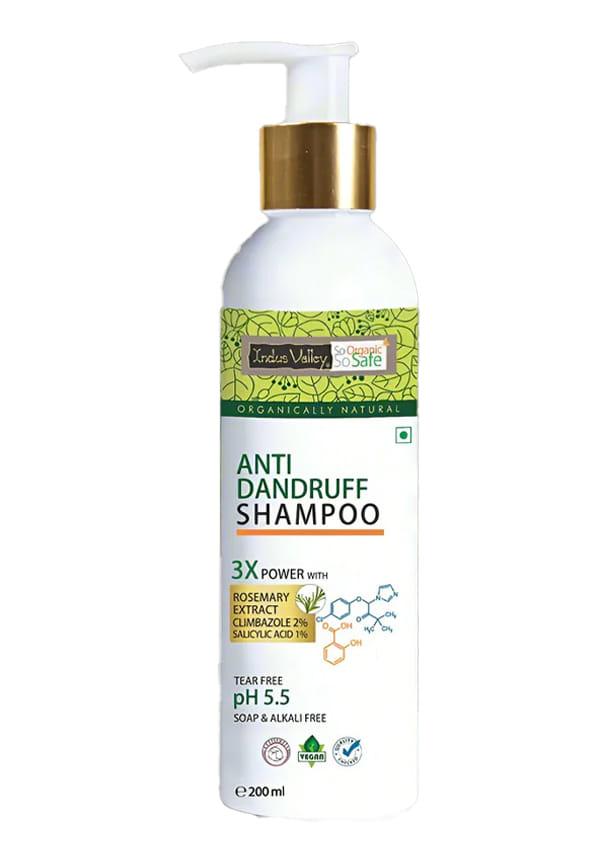
Anti Dandruff Shampoo
Effective for dandruff and scalp cleansing
5“works on dandruff , cleans scalp effectively”
Effective for dandruff and scalp cleansing
5“works on dandruff , cleans scalp effectively”
Effective for dandruff and scalp cleansing
5“works on dandruff , cleans scalp effectively”
Your scalp can build tolerance to specific ingredients, so rotating between different types of dandruff shampoos can maintain effectiveness. Use one type for 2-3 weeks, then switch to another formulation.
Sometimes the gentlest approach delivers surprising results. Natural dandruff solutions can be particularly effective for sensitive scalps or as complementary treatments alongside medicated options.
Tea tree oil has powerful antifungal properties that can help control the yeast overgrowth associated with dandruff. Mix a few drops with a carrier oil like coconut oil and massage into your scalp 30 minutes before washing. Coconut oil itself contains capric acid and lauric acid, which have antimicrobial properties and can help moisturise a dry scalp.
Your scalp's natural pH sits around 4.5-5.5, and many hair products can disrupt this balance. Apple cider vinegar helps restore proper pH levels whilst removing product buildup that can contribute to flaking.
Applying plain yogurt to your scalp might sound weird, but the beneficial bacteria can help balance your scalp's microbiome. The lactic acid also provides gentle exfoliation without harsh scrubbing.
Your daily habits play a massive role in scalp health. Stress management isn't just good for your mental health—chronic stress can trigger hormonal changes that worsen dandruff and other scalp conditions.
Hydration affects every part of your body, including your scalp. When you're dehydrated, your skin produces less natural moisture, potentially leading to dry scalp remedies becoming necessary. Aim for adequate water intake and consider using a humidifier in dry environments.
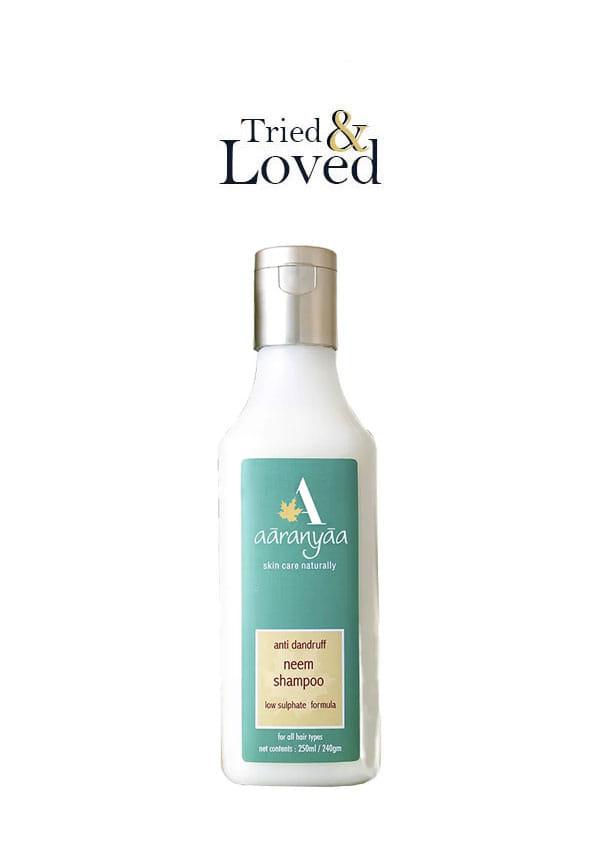
Anti-Dandruff Shampoo
Aaranyaa Shampoo Review
5“aaranyaa is one of my most favourite brands. this shampoo works wonders against dandruff. must buy.”
Zinc, B vitamins (especially biotin and B6), and omega-3 fatty acids all support scalp health. Foods like fatty fish, nuts, seeds, and leafy greens provide these nutrients naturally. Limiting sugar and processed foods can also help, as these can promote inflammation throughout your body.
Your scalp repairs itself during sleep, so consistent, quality rest supports overall hair and scalp health. Poor sleep can increase stress hormones that may worsen dandruff symptoms.
Proper washing frequency depends on your specific scalp type and lifestyle. Oily scalps might need daily washing with a gentle formula, whilst dry scalps often do better with 2-3 washes per week using moisturising products.
Scalp massage during washing improves circulation and helps products penetrate better. Use your fingertips (never your nails) in circular motions, focusing on areas where you typically see flakes. This mechanical action also helps loosen dead skin cells and product buildup.
Avoid hair products with harsh sulfates, which can strip natural oils and trigger reactive oil production. Silicones can build up over time, creating a barrier that traps oils and dead skin cells. Reading ingredient lists becomes second nature once you know what to avoid.
UV exposure, pollution, and extreme temperatures can all stress your scalp. Wearing hats in harsh sun, using leave-in treatments with UV protection, and rinsing hair after swimming in chlorinated pools all help maintain scalp health.
Sometimes DIY approaches aren't enough. If you experience severe itching, redness that spreads beyond your scalp, hair loss in patches, or flakes that don't respond to over-the-counter treatments after 4-6 weeks, it's time to see a dermatologist.
Prescription treatments might include stronger antifungal medications, topical steroids for inflammation, or specialised shampoos with higher concentrations of active ingredients. Some scalp conditions mimic dandruff but require completely different treatments.
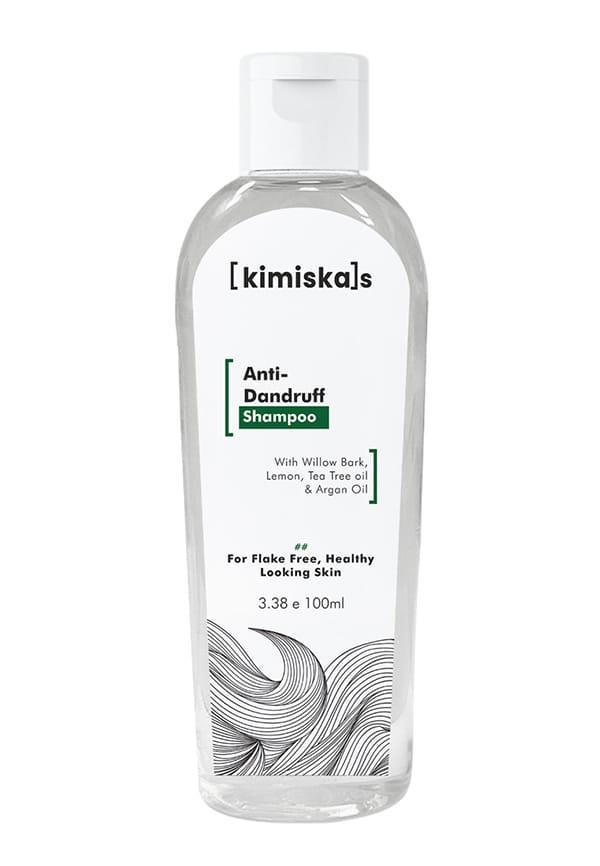
Anti-Dandruff Shampoo
So Good! Must Try!
5“it is so good....I love it....u should give a try to it.”
So Good! Must Try!
5“it is so good....I love it....u should give a try to it.”
So Good! Must Try!
5“it is so good....I love it....u should give a try to it.”
Psoriasis, eczema, and fungal infections can all cause flaking and itching. A dermatologist can properly diagnose your specific condition and recommend targeted treatments that address the root cause rather than just managing symptoms.
Finding effective hair dandruff treatment often involves trying different approaches to see what works for your unique scalp. This is where Smytten's trial packs become incredibly valuable—you can explore various anti-dandruff shampoos and scalp care products from trusted brands without committing to full-size purchases. With over 1,500 brands available, including specialised haircare options, you can discover your perfect scalp care routine through affordable trials before investing in full-size products.
Dandruff is often a chronic condition that requires ongoing management rather than a permanent cure. However, with the right combination of proper scalp care, suitable products, and lifestyle adjustments, you can control symptoms effectively and maintain a healthy scalp long-term.
No, dandruff is not contagious. It's caused by your scalp's reaction to naturally occurring yeasts and oils, not by bacteria or viruses that can spread between people. You can safely share hats, pillows, or hair tools without worrying about transmission.
Many anti-dandruff shampoos are safe for children, but it's best to choose gentler formulations designed for young scalps. Always check age recommendations on products and consult a pediatrician if your child has persistent scalp issues.
Most people notice improvement within 2-4 weeks of consistent treatment. However, it can take 6-8 weeks to see full results, especially with natural remedies. If you don't see any improvement after 6 weeks, consider trying a different approach or consulting a dermatologist.
Effective hair dandruff treatment is all about finding what works for your specific scalp needs. Whether you lean towards medicated shampoos, natural remedies, or a combination approach, consistency is key to seeing real results. Remember that your scalp's needs might change with seasons, stress levels, or life circumstances, so staying flexible with your routine helps maintain long-term scalp health.
The most important thing is not to give up if the first thing you try doesn't work perfectly. Your ideal scalp care routine might involve rotating products, adjusting washing frequency, or combining different treatment approaches. With Smytten's extensive range of haircare trial options, you can explore different solutions affordably until you find your perfect match. After all, why settle for a flaky situation when you can discover products that truly work for your hair and scalp health?
