How to Treat Frizzy Hair: Simple Solutions for Smooth Locks
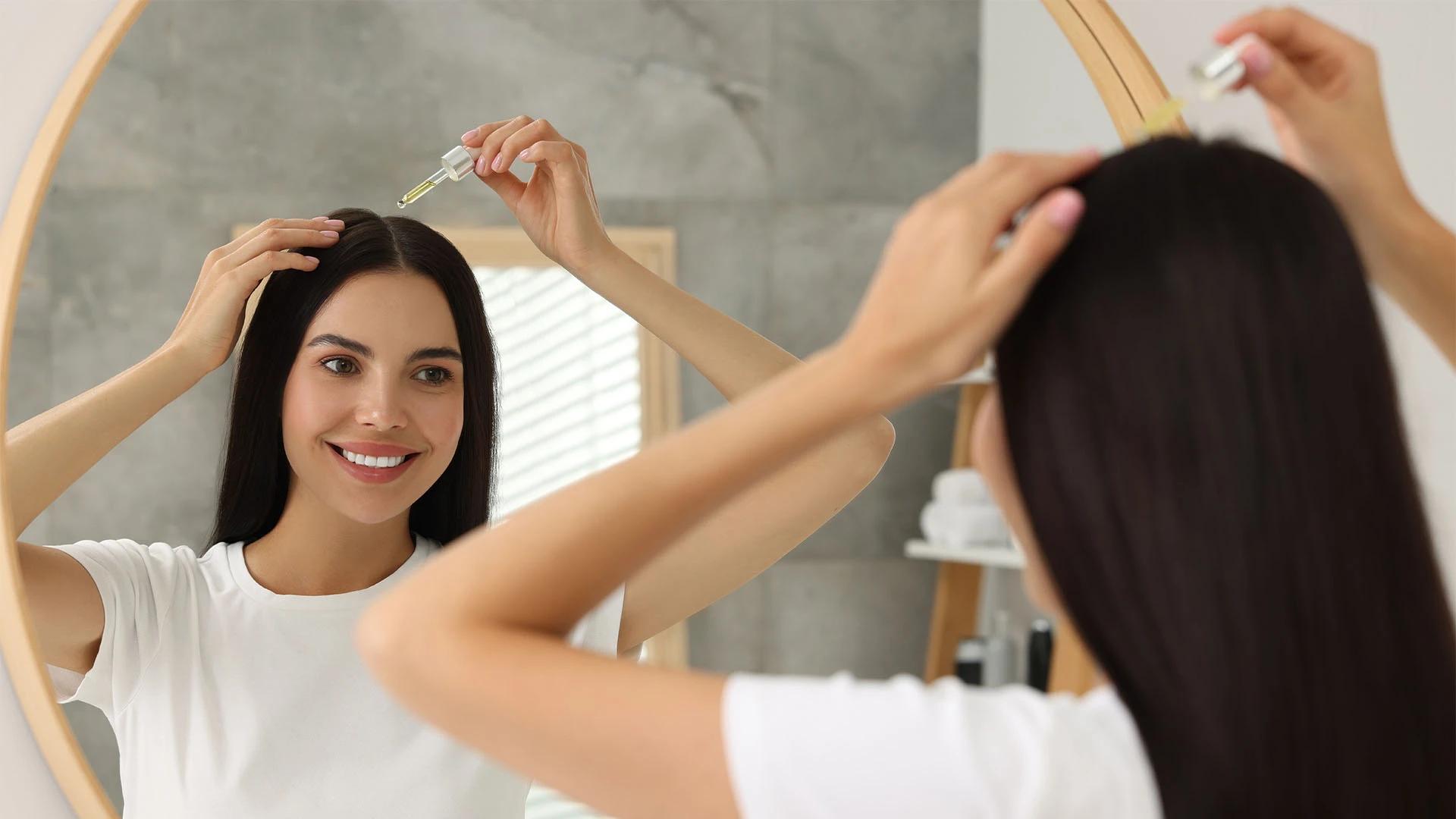

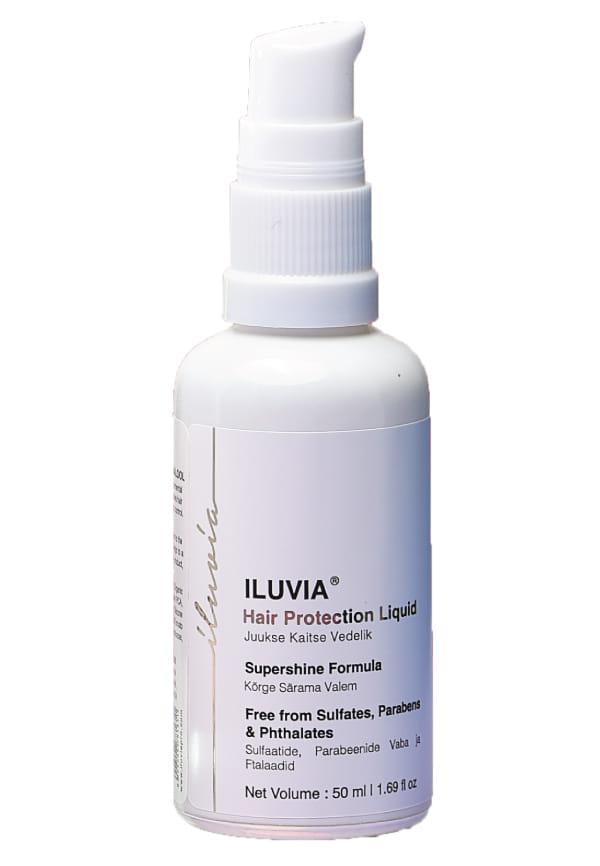
Hair Protections Liquid | Frizz control with super shiny hair + Heat Protection
Frizzy hair can feel like your worst enemy on humid days, turning sleek styles into wild, unmanageable locks within minutes. If you've been battling frizz with countless products and techniques that promise smooth results but deliver disappointment, you're definitely not alone. The truth is, learning how to treat frizzy hair effectively requires understanding what's actually happening beneath the surface of your strands. From damaged cuticles to moisture imbalances, frizz has multiple causes that need targeted solutions—not just quick fixes that mask the problem. Whether your frizz comes from genetics, heat damage, or simply living in a humid climate, the right approach can transform your haircare routine from frustrating to fabulous. With science-backed methods and the right products, you can achieve the smooth, manageable hair you've been dreaming of. At Smytten, we understand that finding the perfect anti-frizz solution often means trying multiple products to discover what works best for your unique hair type and concerns.
Frizz happens when hair cuticles lift due to humidity, damage, or lack of moisture—understanding this helps you choose the right treatments
A proper routine includes pre-wash oils, sulfate-free shampoos, deep conditioning, and gentle drying techniques
Anti-frizz products work best when layered correctly: leave-in treatments, serums, and heat protectants in the right order
Natural remedies like coconut oil and DIY masks can complement commercial products for better frizz control
Consistency is key—building a frizz-free hair routine takes time but delivers lasting results
Understanding why your hair gets frizzy is the first step in learning how to treat frizzy hair effectively. Your hair shaft consists of overlapping cuticles that should lie flat against each other, creating a smooth surface. When these cuticles lift or become damaged, moisture from the air penetrates the hair shaft, causing it to swell and create that familiar frizzy texture.
Humidity is frizz's best friend because damaged or porous hair acts like a sponge, absorbing moisture from the environment. This is why your hair might look perfect indoors but turn into a frizzy mess the moment you step outside on a humid day. The key to control frizzy hair lies in sealing those cuticles and maintaining proper moisture balance.
Most conventional shampoos contain sulfates, which are harsh detergents that strip your hair of natural oils. While they're great at removing dirt and buildup, they also remove the protective oils that keep your cuticles smooth. This leaves your hair more vulnerable to humidity and environmental damage, making frizz worse over time.
Healthy hair needs the right balance of protein and moisture. Too much protein makes hair brittle and prone to breakage, while too much moisture can make it limp and frizzy. Finding this balance is crucial for effective frizzy hair solutions that actually work long-term.
One of the most effective natural remedies for frizzy hair starts before you even touch shampoo. Pre-wash treatments create a protective barrier that prevents your hair from absorbing too much water during washing, which can lead to cuticle swelling and increased frizz.
The best oils for pre-wash treatments include coconut oil, which has small molecules that can penetrate the hair shaft, and argan oil, which is rich in vitamin E and fatty acids that smooth cuticles. Jojoba oil is another excellent choice because it closely mimics your scalp's natural sebum.
Apply your chosen oil from mid-length to ends, avoiding the roots unless you have a very dry scalp. Leave it on for 15-30 minutes before shampooing. This simple step can dramatically reduce frizz and make your hair more manageable.
If your hair feels overly soft and frizzy, it might need protein. A simple egg mask (one whole egg mixed with a tablespoon of olive oil) can help strengthen your hair cuticles and reduce frizz when used once a week.
Your washing routine is where the magic happens when it comes to haircare for frizzy hair. The right technique and products can make the difference between a good hair day and a frizzy disaster. Start with lukewarm water—hot water opens the cuticles too much, leading to more frizz and moisture loss.
When choosing the best shampoo for frizzy hair, look for sulfate-free formulas that cleanse gently without stripping natural oils. Ingredients like glycerin, panthenol, and natural oils help maintain moisture while cleaning your hair effectively.
Focus shampoo on your scalp, not your lengths. Gently massage with your fingertips (never your nails) and let the suds rinse through your hair naturally. This prevents unnecessary manipulation that can rough up your cuticles.
Apply conditioner from mid-length to ends, using a wide-tooth comb to distribute it evenly. Leave it on for at least 3-5 minutes to allow the ingredients to penetrate and smooth your cuticles. For extra frizz control, try the "squish to condish" method—gently squeeze your hair upward while the conditioner is in to encourage curl formation and reduce frizz.
Once a week, replace your regular conditioner with a deep conditioning mask. Look for ingredients like shea butter, keratin, or hydrolyzed proteins that can repair damage and smooth frizzy hair over time.
How you handle your hair after washing is crucial for maintaining smooth frizzy hair. Traditional terry cloth towels are frizz's worst enemy—their rough texture creates friction that lifts cuticles and increases frizz. Instead, use a microfiber towel or a cotton t-shirt to gently squeeze excess water from your hair.
Never rub your hair with a towel. Instead, use a pressing or squeezing motion to remove water without disturbing your hair's natural pattern. This simple change can dramatically reduce frizz and help your natural texture look its best.
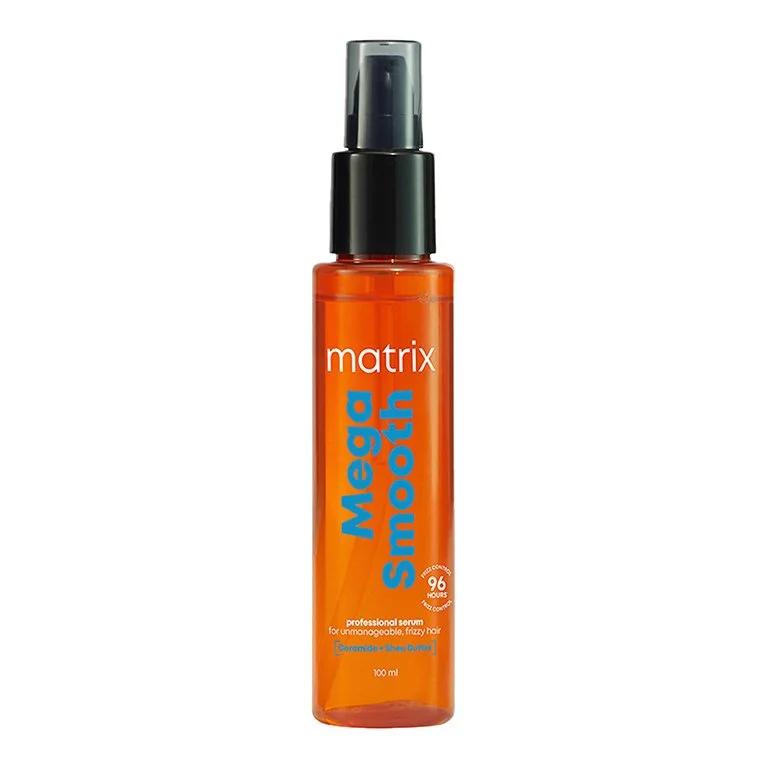
While your hair is still damp, apply a leave-in conditioner or anti-frizz serum. The Matrix Mega Smooth Anti-Frizz Serum with Shea Butter 100ml is an excellent choice for this step, as it contains nourishing shea butter that helps seal the hair cuticle while providing long-lasting frizz control and shine. Apply it evenly through damp hair, focusing on the mid-lengths and ends where frizz tends to be most problematic.
If you're using heat tools, always apply a heat protectant first. Look for products that offer protection up to 230°C and contain silicones or natural oils that create a barrier between your hair and the heat.
Air-drying is gentler on frizzy hair, but if you must blow-dry, use a diffuser attachment on low heat and speed. Keep the dryer moving and never concentrate heat on one section for too long.
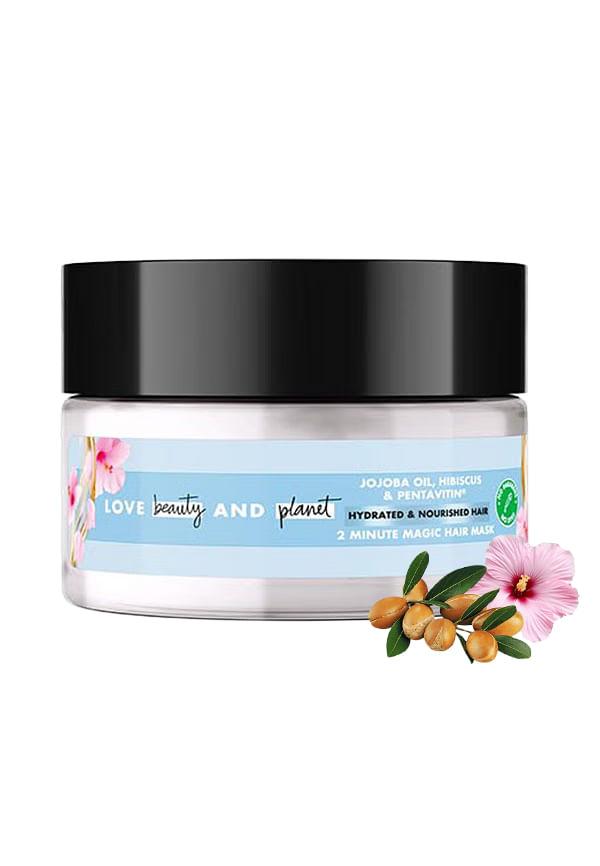
Jojoba oil , Hibiscus & Pentavitin Hydrate & Nourish Hair Mask
Hair Mask Works
 5
5“first time using this one hair mask and it also works”
Hair Mask Works
5“first time using this one hair mask and it also works”
Good Product, Go For It
5“like the product just go for it.”
Sometimes you need emergency frizz taming tips when you're already out the door. These quick solutions can help you regain control when humidity strikes or your morning routine goes wrong.
For instant frizz control, try the "water and oil" method: mix a few drops of lightweight oil (like argan or jojoba) with water in a spray bottle. Lightly mist over frizzy areas and gently smooth with your hands. This adds moisture without weighing your hair down.
Before bed, apply a small amount of leave-in treatment to damp hair and braid it loosely or twist it into a low bun. Sleep on a silk or satin pillowcase to reduce friction. You'll wake up with smoother, more manageable hair.
Keep a small bottle of diluted leave-in conditioner in your bag for midday touch-ups. A 1:3 ratio of product to water works well for most hair types. Spray lightly and scrunch gently to reactivate your styling products.
Pack solid hair oils or leave-in conditioner bars for travel. They won't leak in your luggage and work just as well as liquid products for emergency frizz control.
Creating a sustainable frizz free hair routine requires consistency and patience. Your hair needs time to adjust to new products and techniques, so don't expect overnight miracles. Start with the basics: gentle cleansing, proper conditioning, and protective styling.
A typical routine might include washing 2-3 times per week with sulfate-free shampoo, deep conditioning weekly, and using leave-in treatments daily. Adjust frequency based on your hair's needs—some people need more moisture, while others need less frequent washing.
Each morning, lightly dampen your hair with water or a leave-in spray, apply a small amount of anti-frizz serum, and style as usual. Avoid touching your hair throughout the day, as this can disrupt your cuticles and create frizz.
Set aside time each week for a deep conditioning treatment or hair mask. This is when you can address specific concerns like protein deficiency or extreme dryness that contribute to frizz.
Your hair's needs change with the weather. In humid summer months, you might need stronger hold products and more frequent touch-ups. In dry winter weather, focus on adding moisture and protecting against static.
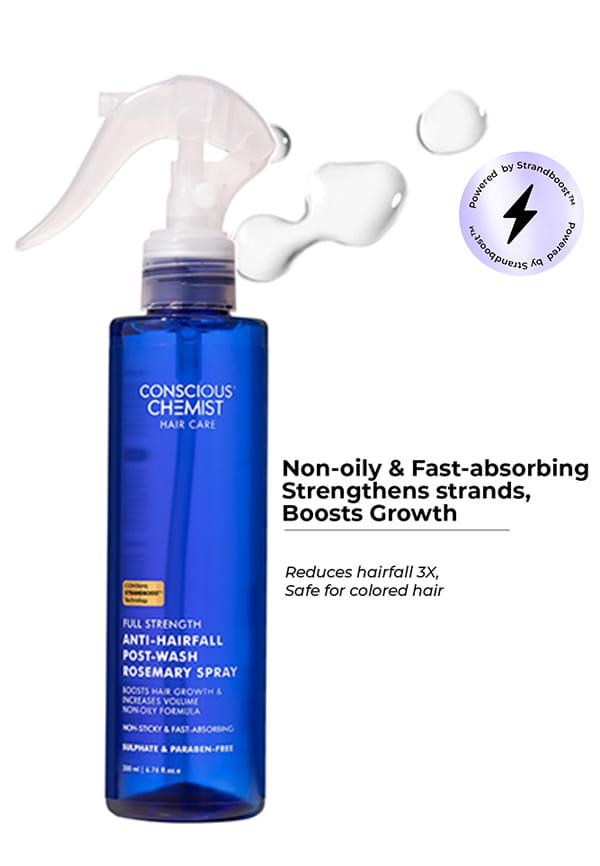
Full Strength Anti-Hairfall Post Wash Rosmeary Spray
Good product satisfaction
5“Good product I will seen ever thank you”
Good product satisfaction
5“Good product I will seen ever thank you”
Non-sticky, effective with nice bottle
4“non sticky and effective with a nice bottle 9/10”
Invest in silk or satin pillowcases and hair accessories. These smooth surfaces reduce friction while you sleep, helping to maintain your style and prevent overnight frizz formation.
The key to stopping frizzy hair is maintaining proper moisture balance and protecting your hair cuticles. Use sulfate-free shampoos, deep condition weekly, apply leave-in treatments to damp hair, and avoid heat damage. Consistency with a proper routine will gradually reduce frizz over time.
For quick frizz control, apply a small amount of anti-frizz serum or oil to damp hair, use a microfiber towel to gently squeeze out excess water, and avoid touching your hair while it dries. A light misting of water mixed with leave-in conditioner can also help tame sudden frizz.
Deficiencies in biotin (vitamin B7), vitamin D, and iron can contribute to hair texture changes including increased frizz. However, frizz is more commonly caused by external factors like humidity, heat damage, and improper haircare rather than nutritional deficiencies.
While you can't permanently change your hair's natural texture, you can significantly improve frizz through consistent care, proper products, and professional treatments like keratin smoothing. The key is finding the right routine for your hair type and sticking with it long-term. Smytten's trial packs let you test different anti-frizz products to find what works best for your hair without committing to full-size purchases.
Effective natural remedies include coconut oil pre-wash treatments, DIY avocado and honey masks, apple cider vinegar rinses to smooth cuticles, and aloe vera gel as a leave-in treatment. These ingredients provide moisture and help seal the hair cuticle naturally.
This usually indicates that your hair needs protein rather than just moisture, or that you're using products with ingredients that don't work for your hair type. Try a protein treatment, switch to a different conditioner formula, or check if your water is hard, which can prevent conditioning ingredients from working effectively.
Learning how to treat frizzy hair effectively is all about understanding your hair's unique needs and being consistent with the right routine. The most important factors are using gentle, sulfate-free products, maintaining proper moisture balance, and protecting your hair from environmental damage. Remember that smooth frizzy hair doesn't happen overnight—it takes patience and the right combination of products and techniques.
Start with the basics: pre-wash oil treatments, gentle cleansing, proper conditioning, and careful drying techniques. Build from there by adding targeted treatments like weekly deep conditioning masks and daily leave-in products. Most importantly, pay attention to how your hair responds to different products and adjust your routine accordingly.
Finding the perfect frizz-fighting routine often means experimenting with different products until you discover what works best for your unique hair type. Smytten is India's largest product discovery and trial platform, connecting consumers with top lifestyle, beauty, wellness, and grooming brands. At its core, Smytten offers curated trial packs - mini-sized products from over 2,400 trusted brands such as Cetaphil, Dot & Key, True Elements, Oziva, Renee, Swiss Beauty Love, Beauty & Planet, WishCare, Carlton London and Bella Vita. This lets users explore and experience anti-frizz products before committing to full-size purchases. The platform covers a wide range of haircare categories, including shampoos, conditioners, serums, and styling products. Each mini is linked with Trial Points, and users can get up to 10 Trial Points for just ₹279. Plus, Smytten offers 100% cashback on the purchase of these minis, redeemable in the shop section for future orders, making product discovery both affordable and rewarding. The best part is that when you find a product you love, buying the full-size version is just a click away in Smytten's shop. With over 28 million users and 100 million trial minis delivered across 90% pin code coverage, Smytten helps consumers make smarter, more confident choices. After all, why settle for 'maybe' when you can #TryItAll!
