How to Treat Dry Scalp: Essential Health Tips

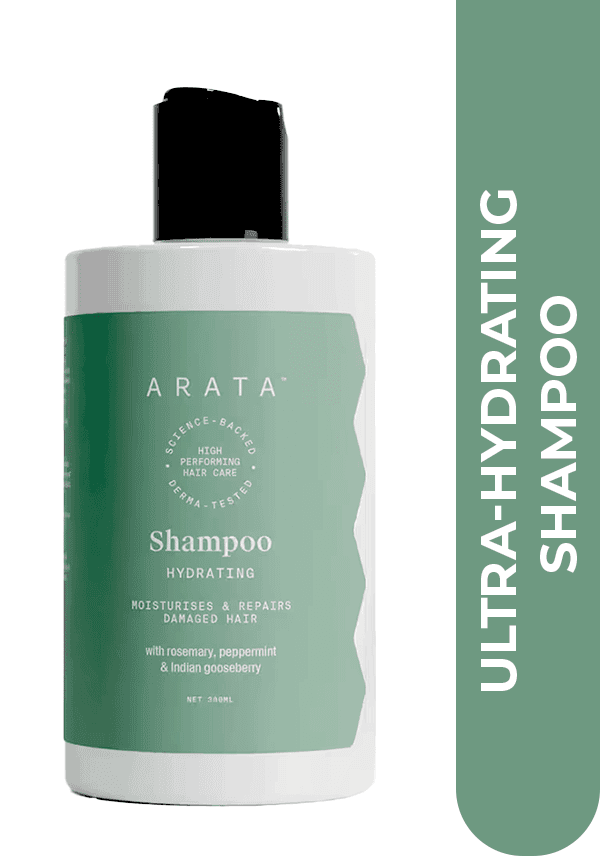
Shampoo - Hydrating
Great Product, Long-Term Results
 5
5“amazing product and good results over long time.”
Great for Curls
5“best for curly hair”
Great Hydrating Shampoo
5“It’s a nice hydrating shampoo and I love arata as a brand. ”
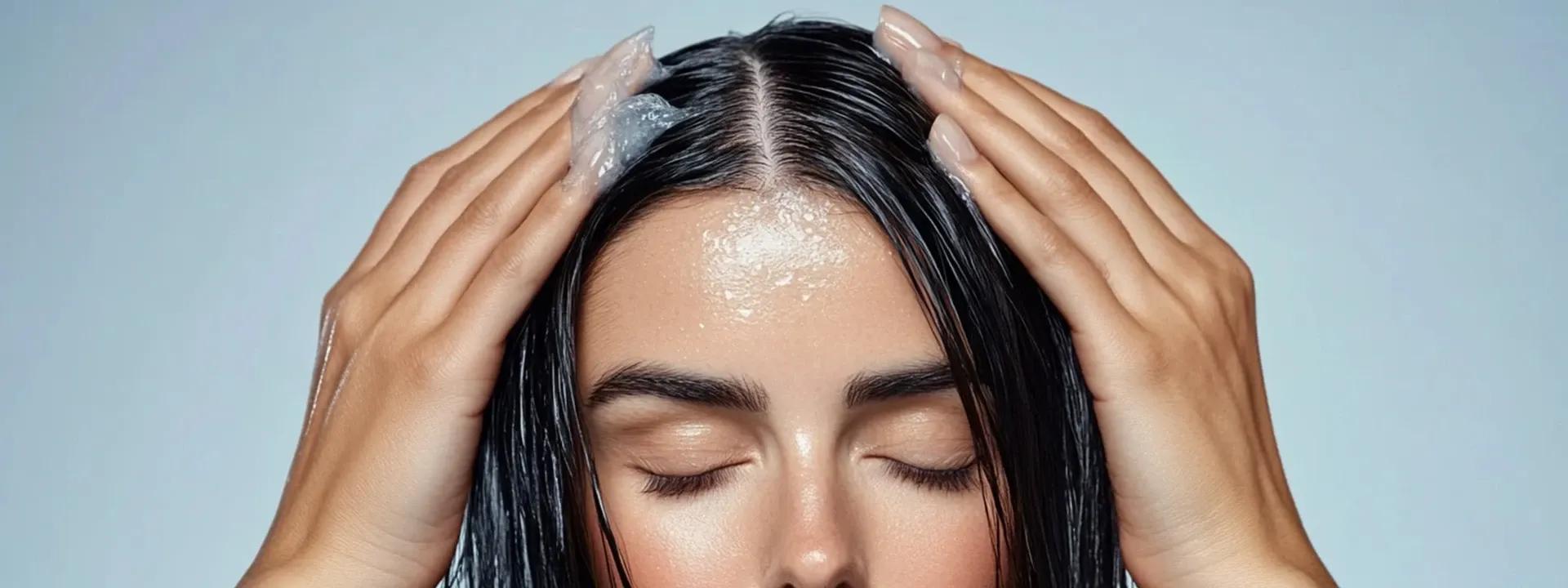
That tight, itchy feeling on your scalp? You're not alone. Dry scalp affects millions of people, causing everything from annoying flakes to serious discomfort. But here's the thing—treating dry scalp doesn't have to be complicated or expensive. With the right dry scalp health tips and a bit of patience, you can restore your scalp's natural balance and say goodbye to that constant urge to scratch. Let's dive into what actually works, from simple home remedies to professional treatments that deliver real results.
Before jumping into treatments, it's crucial to understand what you're dealing with. Dry scalp happens when your scalp doesn't produce enough natural oils, leaving the skin dehydrated and irritated. This creates that familiar cycle of itching, scratching, and flaking that can drive you absolutely mad.
Real talk—dry scalp and dandruff aren't the same thing, even though they look similar. With dry scalp, the flakes are typically smaller, whiter, and your scalp feels tight or sensitive. Dandruff treatment focuses on fungal overgrowth, whilst dry scalp needs moisture and gentle care. If you're seeing large, yellowish flakes with oily patches, that's likely dandruff requiring a different approach entirely.
Your scalp doesn't just randomly decide to go dry. Several factors contribute to this frustrating condition:
Spotting dry scalp early makes treatment much easier. Watch for persistent itching that gets worse after washing, small white flakes on your shoulders, and that uncomfortable tight feeling across your scalp. Your hair might also feel drier and more brittle than usual.
Sometimes the best solutions are sitting right in your kitchen cupboard. These natural remedies for dry scalp have been helping people for generations, and there's actual science backing up why they work.
Essential oils aren't just trendy—they're genuinely effective for dry scalp relief. Tea tree oil has antimicrobial properties that prevent irritation whilst adding moisture. Mix 3-4 drops with a carrier oil like coconut or jojoba, massage gently into your scalp, and leave for 20 minutes before washing. Always do a patch test first to avoid reactions.
Your kitchen holds some surprisingly effective treatments. Apple cider vinegar helps restore your scalp's pH balance—mix one part vinegar with three parts water and use as a final rinse. Aloe vera gel provides instant cooling relief and deep moisture. Just apply fresh gel directly to your scalp, leave for 15 minutes, then rinse with cool water.
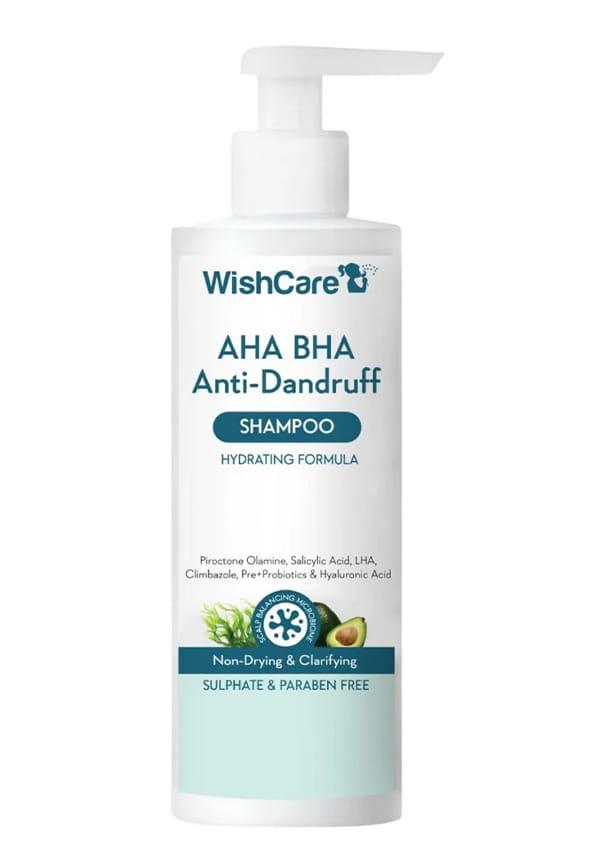
Hydrating AHA BHA Anti Dandruff Shampoo
Works Well, Recommended
4“yes, works wells, recommended, better than bare anatomy”
Best Shampoo for Dandruff
5“best shampoo for dandruff. loved it”
Works in First Wash
5“It really works in the first wash”
Chamomile tea isn't just for bedtime—it's brilliant for calming irritated scalps. Brew a strong cup, let it cool, and use as a final rinse after shampooing. Green tea works similarly, providing antioxidants that help repair damaged skin cells whilst reducing inflammation.
Consistency beats intensity every time when it comes to scalp health. A proper scalp care routine doesn't need to be complicated, but it does need to be regular and gentle.
Your shampoo choice makes or breaks your scalp health. Look for sulphate-free formulas with moisturising ingredients like hyaluronic acid, ceramides, or natural oils. Avoid anything with alcohol high on the ingredients list—it'll only make things worse. Haircare for dry scalp should focus on gentle cleansing rather than deep cleaning.
How you wash matters just as much as what you use. Stick to lukewarm water—hot water strips away natural oils your scalp desperately needs. Massage your scalp gently with your fingertips, not your nails, and focus the shampoo on your scalp rather than the length of your hair. Rinse thoroughly to prevent product buildup.
Once a week, give your scalp some extra love with a deep moisturising treatment. Apply a nourishing oil or mask to dry scalp, cover with a shower cap, and leave for 30 minutes before washing. This intensive moisture boost helps repair damage and prevents future dryness.
Sometimes home remedies aren't enough, and that's perfectly fine. Knowing when to seek professional help can save you months of frustration and potential scalp damage.
If your dry scalp doesn't improve after 4-6 weeks of consistent home treatment, it's time to see a dermatologist. Severe itching that disrupts sleep, bleeding from scratching, or signs of infection like redness and swelling all warrant professional attention. Sometimes what looks like dry scalp is actually a condition like seborrhoeic dermatitis or psoriasis.
Pharmacy shelves offer several effective options for stubborn dry scalp. Look for shampoos containing zinc pyrithione, which reduces inflammation, or ketoconazole for fungal-related issues. Scalp serums with urea or lactic acid provide gentle exfoliation whilst adding moisture.
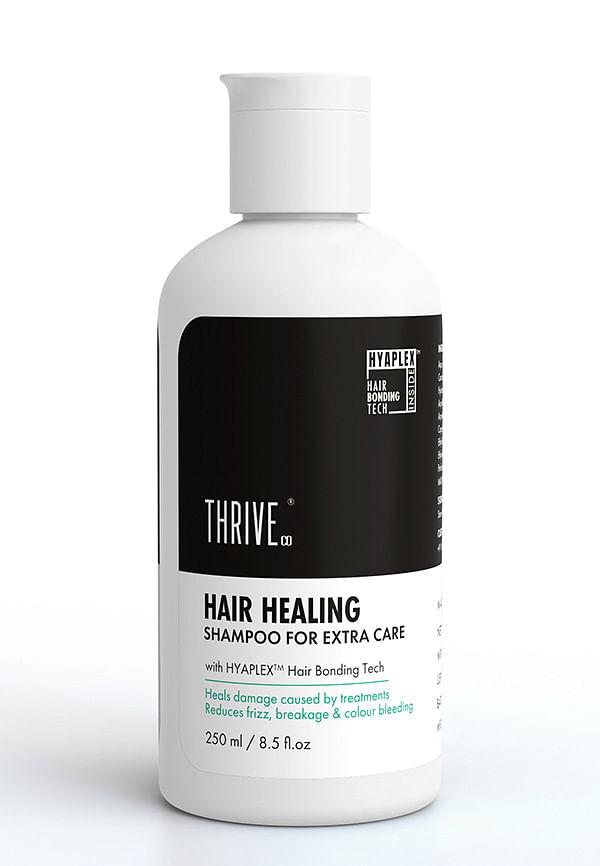
Healing Hair Shampoo
Great for Frizzy Hair
5“Excellent product for frizzy and dull hair”
Superb Quality, Great Effect & Texture
4“Superb quality and like the effect and texture of it”
Dermatologists have access to prescription treatments that can tackle severe cases. These might include stronger medicated shampoos, topical steroids for inflammation, or specialised moisturising treatments designed specifically for scalp conditions.
Your scalp health reflects your overall wellness. Making a few simple lifestyle adjustments can dramatically improve your scalp's condition and prevent future problems.
What you eat directly affects your scalp health. Omega-3 fatty acids from fish, walnuts, and flaxseeds help maintain your scalp's natural moisture barrier. B vitamins, particularly biotin and B12, support healthy skin cell production. Don't forget to drink plenty of water—dehydration shows up on your scalp first.
Your environment plays a huge role in scalp health. Use a humidifier during winter months to add moisture to dry indoor air. When using heat styling tools, always apply a heat protectant and keep temperatures below 180°C. Consider wearing a hat in harsh weather, but choose breathable materials that won't trap moisture.
Stress and scalp problems go hand in hand. High stress levels increase cortisol production, which can disrupt your scalp's natural oil production. Regular exercise, adequate sleep, and stress-reduction techniques like meditation can significantly improve your scalp health alongside other treatments.
Finding the right products for your specific needs can feel overwhelming, especially with so many options available. The key is understanding what ingredients actually help and which ones to avoid.
Start with a gentle, moisturising shampoo as your foundation. Add a weekly deep conditioning treatment and a leave-in scalp serum for daily moisture. Look for ingredients like ceramides, hyaluronic acid, and natural oils. Avoid products with high alcohol content, harsh sulphates, or strong fragrances that can irritate sensitive scalps.
This is where platforms like Smytten become incredibly valuable. With over 1,500 trusted brands including Cetaphil, Dot & Key, and Love, Beauty & Planet, you can try different scalp moisturising products without committing to full sizes. Getting up to 8 minis for just ₹249 means you can experiment with various formulations to find what works best for your scalp.
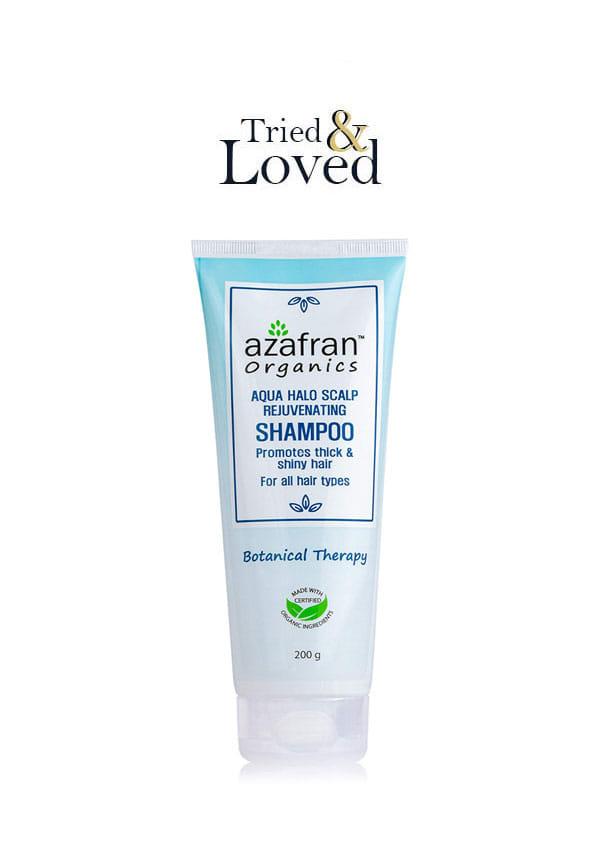
Aqua Halo Scalp Rejuvenating Shampoo
Adjust your styling routine to support scalp health. Use heat tools sparingly and always on the lowest effective temperature. Choose protective hairstyles that don't pull on your scalp, and avoid tight ponytails or braids that can cause irritation. When brushing, use a wide-tooth comb or soft-bristled brush to prevent scratching.
Improve dry scalp through regular oil massages with coconut or jojoba oil, gentle moisturising shampoos, staying hydrated, and using natural remedies like aloe vera and apple cider vinegar rinses. Consistency is key—stick to your routine for at least 4 weeks to see results.
Yes, oils like coconut, jojoba, and castor oil create protective barriers, reduce inflammation, and provide deep moisture to combat dry scalp effectively. Apply warm oil to your scalp, massage gently, and leave for 20-30 minutes before washing.
Limit washing to 2-3 times weekly with gentle, moisturising shampoos to preserve natural oils and prevent further dryness. Over-washing strips away the oils your scalp needs to stay healthy.
Look for products containing hyaluronic acid, ceramides, or natural oils. Apply leave-in treatments to damp scalp for optimal absorption. Avoid products with alcohol or harsh chemicals that can worsen dryness.
With consistent care, most people see improvement within 2-4 weeks. Severe cases may require 6-8 weeks of dedicated treatment. Be patient and stick to your routine—your scalp needs time to heal and restore its natural balance.
Absolutely. Adequate hydration, omega-3 fatty acids, and vitamins B, C, and biotin support scalp health and moisture retention. Foods rich in healthy fats like avocados, nuts, and fish can significantly improve your scalp condition.
Treating dry scalp doesn't have to be a constant battle. With the right combination of gentle products, natural remedies, and lifestyle adjustments, you can restore your scalp's health and comfort. Remember, what works for your friend might not work for you—scalp care is deeply personal.
The key to success lies in patience and consistency. Start with gentle, natural approaches and gradually introduce stronger treatments if needed. Pay attention to how your scalp responds and adjust your routine accordingly. Most importantly, don't be afraid to experiment with different products and techniques until you find your perfect match.
With Smytten's trial platform, you can explore various healthy scalp tips and products without the financial risk of full-size purchases. From gentle cleansers to nourishing treatments, having access to trial sizes from trusted brands means you can build a personalised scalp care routine that actually works for your unique needs. After all, why settle for maybe when you can try it all and find what truly gives you lasting relief?
