How to Treat Dandruff on a Sensitive Scalp Safely

Dealing with dandruff is tricky enough, but when you have a sensitive scalp, it feels like you're stuck between a rock and a hard place. Your scalp is itchy, flaky, and irritated, but most dandruff remedies for sensitive scalp seem too harsh or make things worse. The good news? You don't have to choose between comfort and clear scalp. With the right approach, gentle ingredients, and a bit of patience, you can tackle dandruff without turning your scalp into a battlefield. Let's dive into safe, effective ways to get dandruff relief that actually work for sensitive skin.
Before jumping into treatments, it's worth understanding why sensitive scalp dandruff is such a unique challenge. Your scalp isn't just being dramatic—there are real reasons why it reacts differently to standard dandruff treatments.
Some scalps are naturally more reactive due to genetics and a compromised skin barrier. Think of your scalp's protective layer as a security system—when it's not working properly, irritants get through more easily. Environmental factors like pollution, hard water, and even weather changes can trigger sensitivity. Product sensitivity is another major player here. Ingredients that work fine for others might send your scalp into overdrive, causing redness, burning, or increased flaking.
When you have a sensitive scalp, dandruff comes with extra baggage. The inflammation tends to be more intense, often showing up as angry red patches alongside the typical white flakes. The itching can be absolutely relentless, and here's the frustrating part—scratching makes everything worse. Your scalp also takes longer to heal and bounce back from treatments, which means you need to be extra gentle with your approach.
Knowing what to dodge is half the battle. Harsh sulfates like SLS can strip your scalp and trigger more irritation. Strong fragrances and artificial colours are common culprits too. Over-washing might seem logical when you're dealing with flakes, but it can actually make sensitivity worse. Even stress and hormonal changes can ramp up both dandruff and scalp sensitivity, creating a perfect storm.
The key to successful dandruff relief on sensitive scalps is taking things slow and steady. Rushing into aggressive treatments is like trying to put out a fire with petrol—it just makes everything worse.
This step might feel tedious, but it's your best friend when dealing with sensitive skin. Apply a small amount of any new product behind your ear or on your inner wrist. Wait 48 hours and watch for any redness, itching, or irritation. If you get a reaction in these test spots, imagine what it would do to your already irritated scalp. Better to find out safely than deal with a full-scale scalp meltdown.
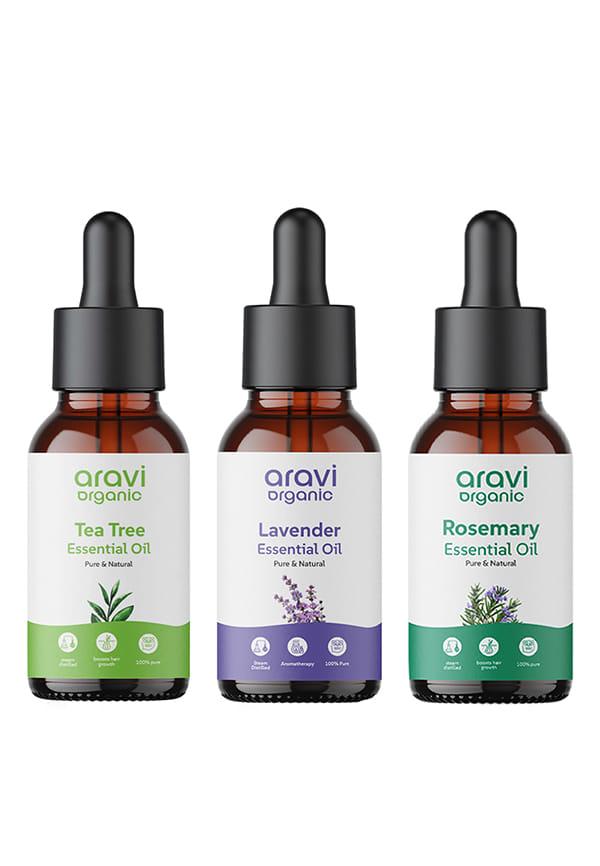
Tea Tree, Lavender & Rosemary Essential Oil Pack
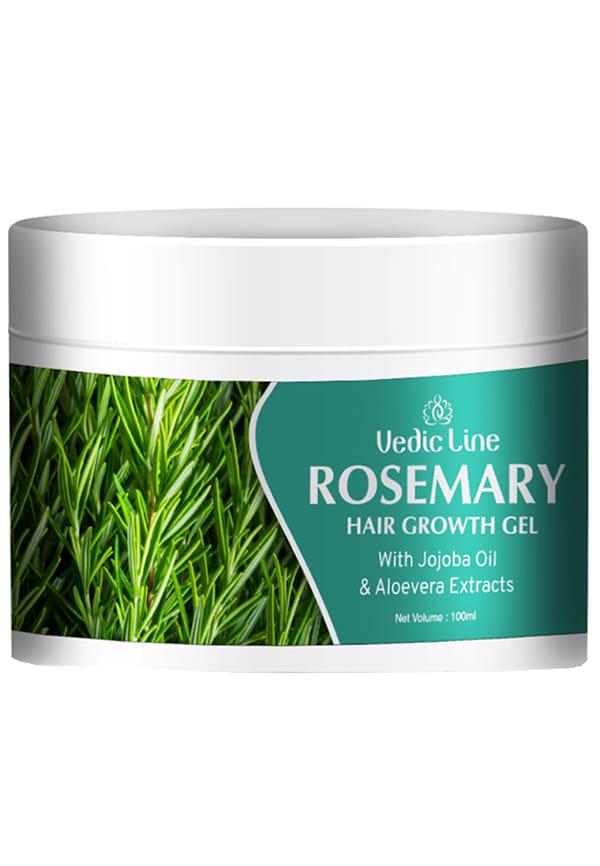
Rosemary Hair Growth Gel with Aloe Vera, Argan Oil & Jojoba Oil
When you find a product that passes the patch test, don't dive in headfirst. Start with the lowest concentration available and use it just once or twice a week. Your scalp needs time to build tolerance, especially if it's been reactive. Pay attention to how your scalp responds after each use. If things are going well after a couple of weeks, you can slowly increase frequency.
Sometimes the gentlest solutions come straight from nature. These natural dandruff remedies can be incredibly effective for sensitive scalps when used correctly.
Tea tree oil is brilliant for fighting the fungus that causes dandruff, but it's potent stuff. For sensitive scalps, stick to a 2-5% dilution—that's about 10-25 drops in 100ml of carrier oil like jojoba or coconut oil. Apply this mixture to your scalp 30 minutes before washing, focusing on problem areas. Never use tea tree oil neat on sensitive skin—it's a recipe for disaster.
Aloe vera is like a cool drink of water for irritated scalps. It reduces inflammation whilst providing gentle moisture. Mix equal parts pure aloe vera gel with virgin coconut oil for a soothing treatment. Coconut oil has natural antifungal properties that help tackle dandruff-causing microbes. Apply this mixture to damp hair, leave for 20 minutes, then wash out with a gentle shampoo.
ACV helps restore your scalp's natural pH balance, creating an environment where dandruff-causing fungi struggle to thrive. The key is proper dilution—mix one part ACV with four parts water. After shampooing, pour this mixture over your scalp, massage gently, and rinse thoroughly. Start with once a week and see how your scalp responds.
Finding the perfect dandruff shampoo for sensitive skin feels like searching for a unicorn, but they do exist. The trick is knowing what to look for and what to avoid.
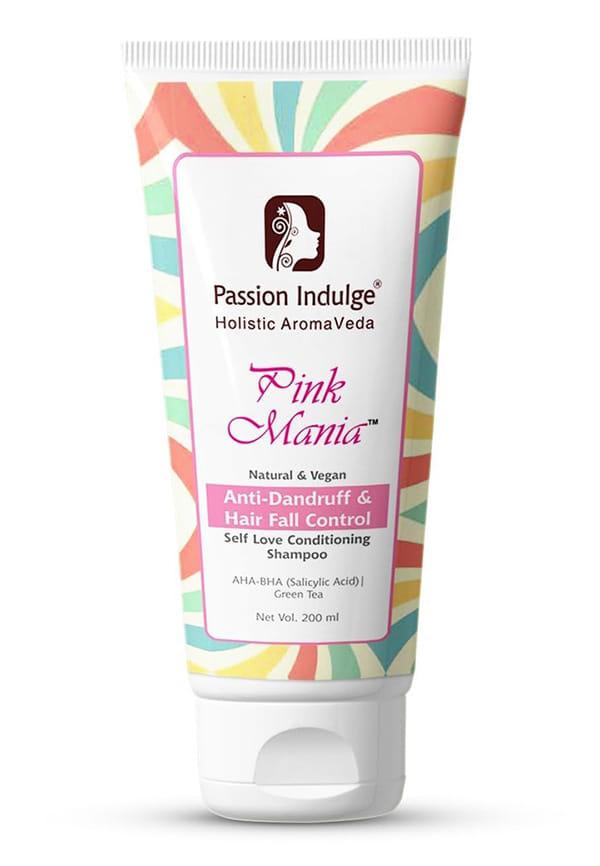
Pink Mania AHA BHA Anti-Dandruff & Hair Fall Control Shampoo
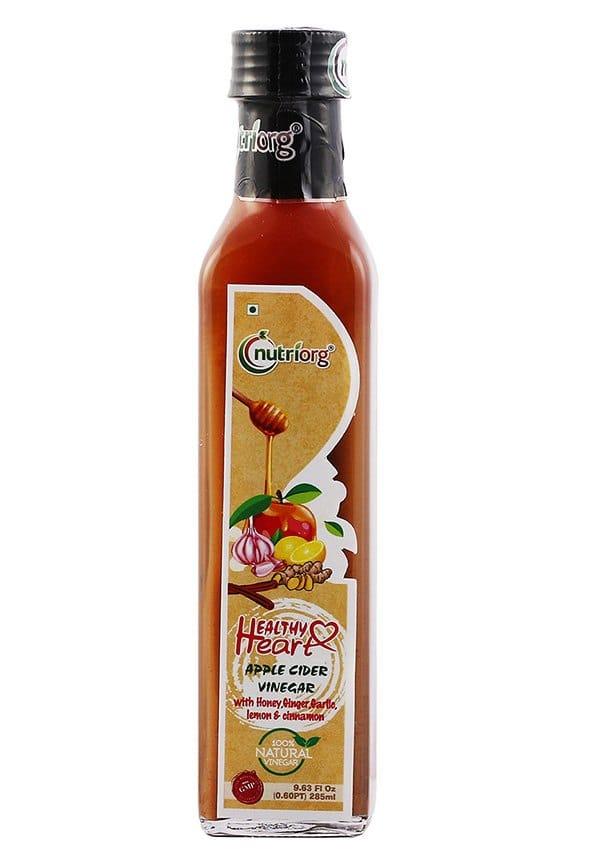
Certified Organic Elixir (Apple Cider Vinegar with Honey, Garlic, Ginger, Lemon, Cinnamon, Arjun Bark)
Zinc pyrithione at 1-2% concentration is often the gentlest starting point for sensitive scalps. It's effective against dandruff-causing fungi without being overly harsh. Ketoconazole at 1% is another good option—it's antifungal but generally well-tolerated. Selenium sulfide at 1% can work well too, though some people find it slightly more drying.
Steer clear of harsh sulfates like sodium lauryl sulfate (SLS) and sodium laureth sulfate (SLES). These can strip your scalp and increase sensitivity. Strong fragrances and artificial colours are unnecessary irritants. High concentrations of salicylic acid (over 2%) can be too aggressive for sensitive scalps, especially when you're just starting treatment.
Use lukewarm water—hot water can increase irritation and dryness. Apply shampoo gently with your fingertips, not your nails. Let medicated shampoos sit for 3-5 minutes to work their magic, but don't exceed the recommended contact time. Rinse thoroughly to remove all product residue, which can cause buildup and irritation.
Effective scalp care for dandruff goes beyond just shampooing. It's about creating a holistic routine that supports your scalp's health whilst providing itchy scalp treatment.
Wash your hair every other day or as needed—over-washing can worsen sensitivity. On non-wash days, use a dry shampoo specifically formulated for sensitive scalps. Gentle scalp massage with your fingertips can improve circulation and help distribute natural oils. Avoid tight hairstyles that pull on the scalp and can increase irritation.
Once a week, treat your scalp to a deeper conditioning treatment. Look for masks with ingredients like ceramides, hyaluronic acid, or oatmeal that soothe and moisturise. Gentle exfoliation can help remove buildup, but use products specifically designed for sensitive scalps. A soft-bristled brush or your fingertips work better than harsh scrubs.
Stress management isn't just good for your mental health—it directly impacts your scalp. Try meditation, yoga, or whatever helps you unwind. Your diet matters too. Omega-3 fatty acids, zinc, and B vitamins support scalp health. Stay hydrated and get enough sleep, as both affect your skin's ability to repair and maintain its barrier function.
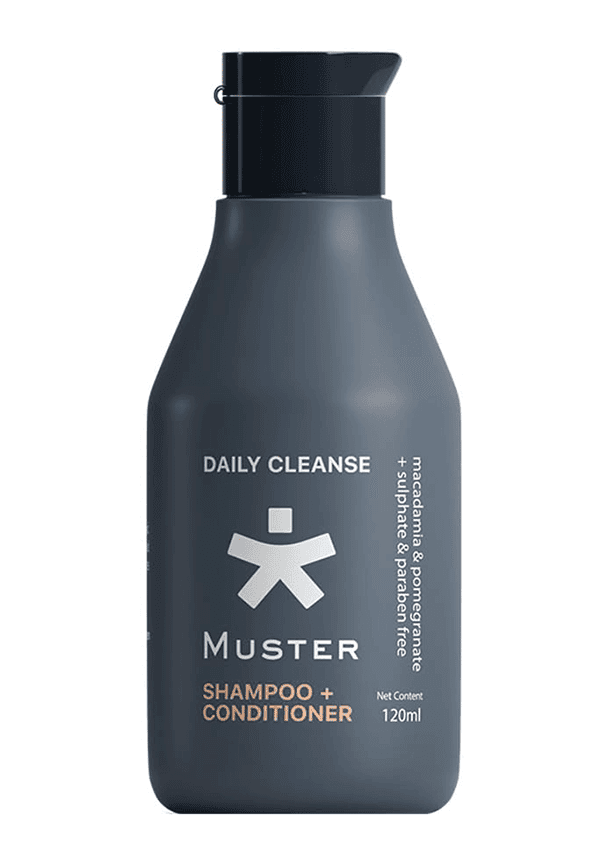
Deep Cleanse Shampoo + Conditioner
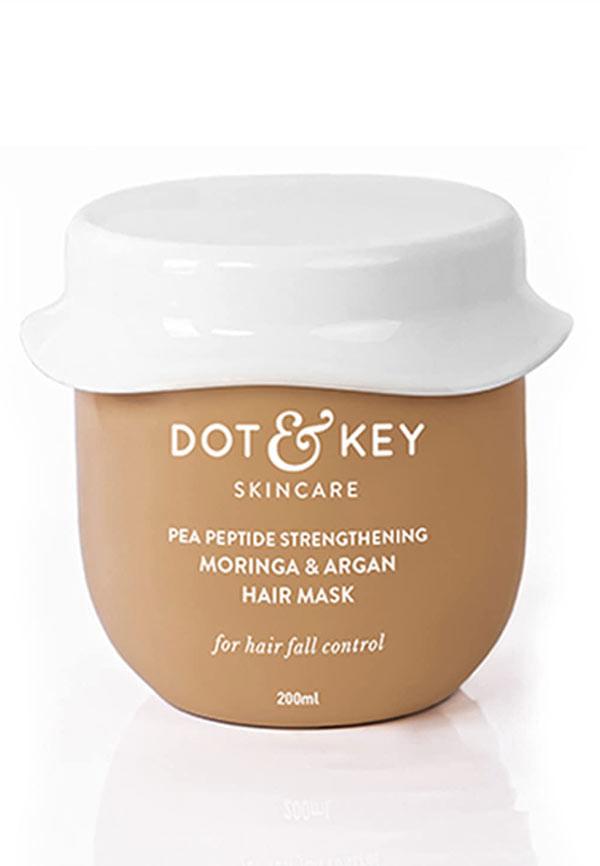
Pea Peptide Strengthening Moringa & Argan Hair Mask
When your scalp is crying out for comfort, these soothing scalp treatments can provide quick relief whilst supporting your long-term dry scalp solutions strategy.
A cool, damp cloth applied to irritated areas can provide immediate relief from itching and inflammation. Use clean, soft fabric and apply for 10-15 minutes at a time. This simple technique can break the itch-scratch cycle that makes dandruff worse. You can do this several times a day when irritation flares up.
Colloidal oatmeal is a powerhouse for sensitive skin. Blend plain oats into a fine powder, mix with a bit of honey and water to form a paste. Apply to your scalp for 15-20 minutes before washing out. Oatmeal reduces inflammation whilst honey provides antimicrobial benefits. This combination is gentle enough for weekly use.
Lavender and chamomile oils are naturally calming and can help reduce scalp irritation. Mix 2-3 drops of each in a tablespoon of carrier oil like sweet almond or jojoba. The aromatherapy benefits are an added bonus—the relaxing scents can help reduce stress, which often worsens scalp conditions.
Whilst gentle anti-dandruff haircare routines work for many people, sometimes you need professional backup. Knowing when to call in the experts can save you months of frustration.
If your scalp develops severe inflammation, bleeding, or open sores, it's time to see a dermatologist. Dandruff that spreads to your face, neck, or other body areas needs professional attention. If you've tried gentle treatments consistently for 6-8 weeks without improvement, don't keep struggling alone—get expert help.
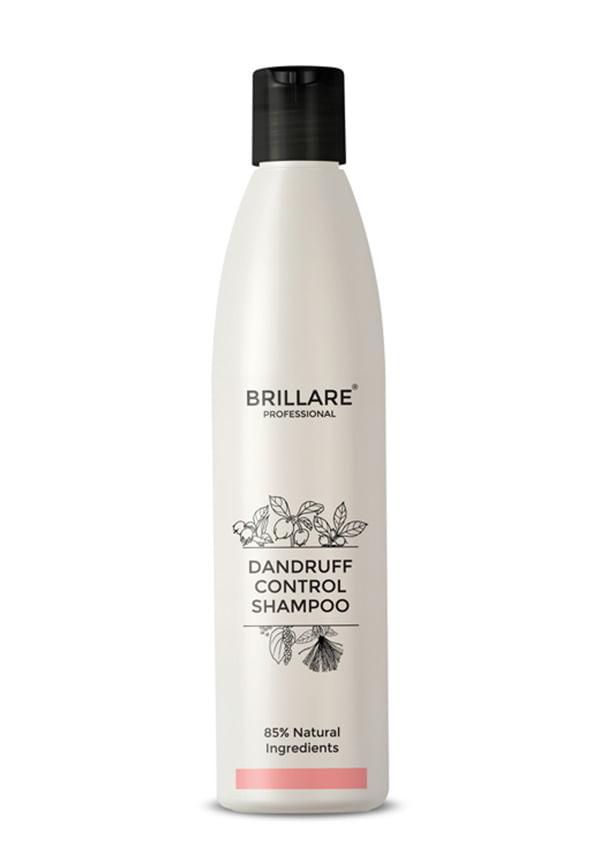
Dandruff Control Shampoo For Itchy, Flaky Scalp
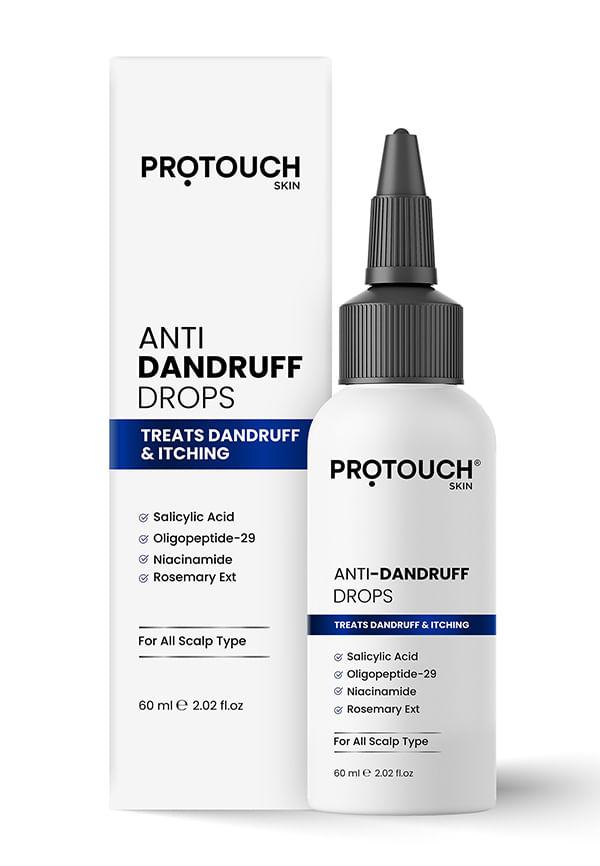
SKIN Anti Dandruff Drops Serum Soothes Itchy, Inflamed Scalp
Dermatologists can prescribe stronger antifungal treatments that aren't available over-the-counter. They might recommend prescription shampoos with higher concentrations of active ingredients, or even oral medications for severe cases. Professional scalp treatments at specialised clinics can also provide targeted relief.
Once you find what works, consistency is key. Keep a scalp diary to track what triggers flare-ups and what helps. Rotate between different gentle products to prevent your scalp from becoming resistant to treatments. Remember that managing sensitive scalp dandruff is often about long-term maintenance rather than a quick fix. When you're exploring new products for your sensitive scalp, Smytten makes the process so much safer and more affordable. Instead of committing to full-size products that might irritate your scalp, you can try curated trial packs from trusted haircare brands. With over 1,500 brands available and the ability to get up to 8 minis for just ₹249, you can test different gentle formulations without the financial risk. Plus, the 100% cashback on trial purchases means you're essentially trying products for free—perfect when you need to test multiple options to find your scalp's perfect match.
Regular dandruff shampoos are often too harsh for sensitive scalps. Look for formulations specifically designed for sensitive skin, with gentler active ingredients and no harsh sulfates or strong fragrances.
Gentle treatments typically take 4-6 weeks to show significant improvement. Sensitive scalps need more time to respond, so patience is crucial. You might notice reduced itching within the first week, but visible flake reduction takes longer.
Dry scalp produces smaller, white flakes and feels tight, whilst dandruff creates larger, yellowish flakes and is often accompanied by oiliness. Sensitive scalps can experience either condition, but the treatment approach differs slightly.
Natural doesn't always mean gentler—some natural ingredients can be quite potent. However, properly diluted natural remedies often have fewer harsh chemicals and can be gentler for sensitive scalps when used correctly.
Most people with sensitive scalp dandruff do best washing every other day or every two days. Daily washing can increase irritation, whilst waiting too long allows buildup that worsens dandruff.
Managing dandruff on a sensitive scalp doesn't have to be a constant battle. The key is finding the right balance between effective treatment and gentle care. Start with the mildest approaches, be patient with the process, and don't be afraid to seek professional help when needed. Remember, what works for your friend's scalp might not work for yours—and that's completely normal. With the right approach and a bit of persistence, you can achieve a comfortable, flake-free scalp that doesn't feel like it's constantly under attack. Your sensitive scalp deserves gentle, effective care, and with these strategies, you're well on your way to finding relief.
