How to Treat Dandruff: Natural Cures for an Itchy Scalp

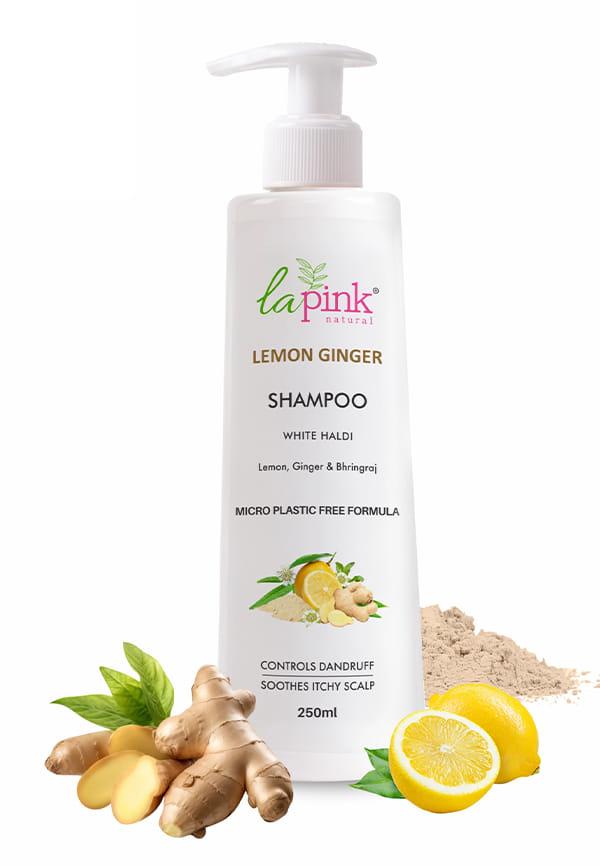
Lemon Ginger Shampoo with White Haldi to Control Dandruff & Soothe Itchy Scalp
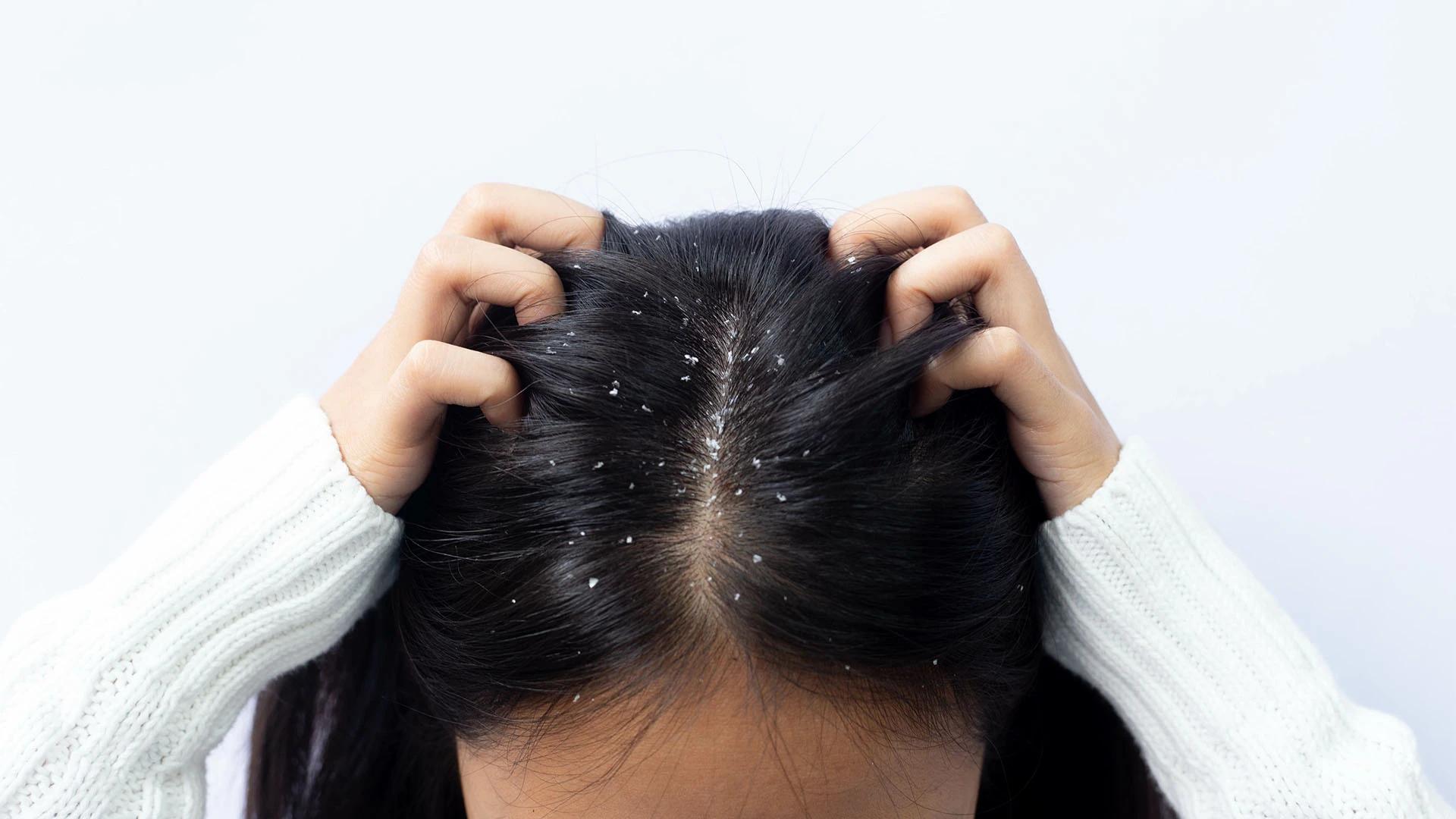
You know that moment when you're getting ready for something important, and you notice those telltale white flakes on your shoulders? Or when your scalp starts itching so badly during a meeting that you can't focus on anything else? Real talk — dandruff is one of those things that can make you feel self-conscious, even though it's incredibly common. The good news? Learning how to treat dandruff doesn't have to involve expensive salon visits or harsh chemicals that leave your hair feeling like straw.
Before diving into dandruff treatment options, let's get clear on what's actually happening up there. Dandruff isn't just about having a dry scalp — though that's a common misconception. It's actually a bit more complex, and understanding the root causes can help you pick the right approach for your specific situation.
Your scalp naturally sheds dead skin cells, just like the rest of your body. But with dandruff, this process goes into overdrive. The main culprit? A yeast called Malassezia that lives on everyone's scalp. For some people, this yeast triggers an inflammatory response that speeds up skin cell turnover. Instead of shedding gradually and invisibly, your scalp dumps larger, more noticeable flakes. Seborrheic dermatitis, a more severe form of this condition, involves redness and irritation alongside the flaking.
Stress can absolutely make your dandruff worse — your body's inflammatory response kicks into high gear when you're overwhelmed. Weather changes matter too; cold, dry air can irritate your scalp, while humid conditions might encourage yeast growth. Even your favourite styling products could be part of the problem if they're too harsh or if you're not washing them out properly. Diet plays a role as well — too much sugar or not enough zinc and B vitamins can affect your scalp health.
Natural dandruff cures have been around for ages, and many of them actually work quite well. The key is consistency and patience — these remedies tend to be gentler than medicated shampoos, which means they might take a bit longer to show results, but they're often easier on your hair and scalp in the long run.
Tea tree oil is brilliant for tackling the fungal aspect of dandruff. Mix 5-10 drops with a tablespoon of carrier oil like jojoba or coconut oil. Massage this into your scalp, leave it for 20 minutes, then shampoo as usual. Start with once a week and increase gradually if your scalp tolerates it well. Never use tea tree oil undiluted — it's potent stuff that can cause irritation.
This one's a game-changer for balancing your scalp's pH. Mix equal parts apple cider vinegar and water, apply to damp hair after shampooing, and let it sit for 5-10 minutes before rinsing. The acidity helps break down product buildup and creates an environment where yeast struggles to thrive. Use this treatment 2-3 times a week initially, then reduce to once weekly for maintenance.
Fresh aloe vera gel is incredibly soothing for an irritated, itchy scalp. Apply it directly to your scalp, leave for 30 minutes, then wash with a gentle shampoo. The anti-inflammatory properties help calm redness and irritation, whilst the natural enzymes can help remove dead skin cells more gently than harsh scrubs.
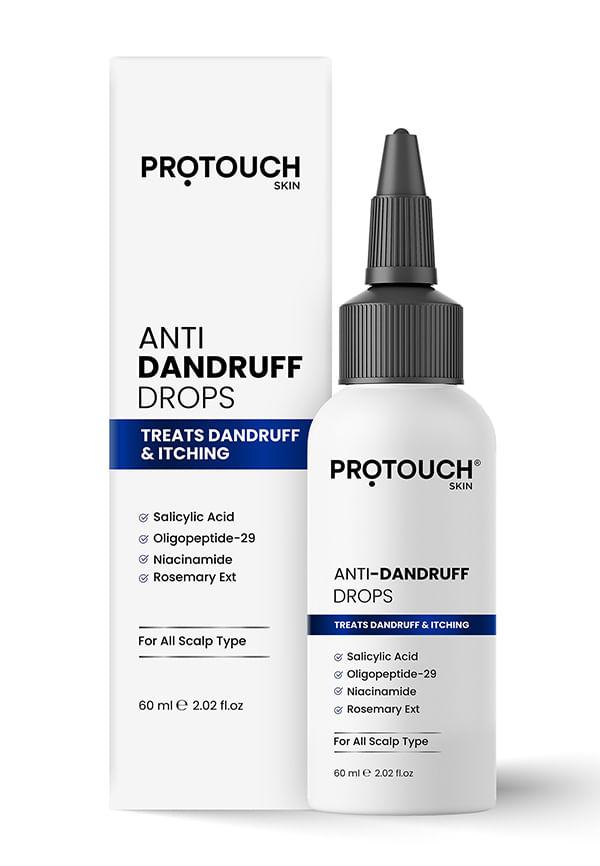
SKIN Anti Dandruff Drops Serum Soothes Itchy, Inflamed Scalp
Coconut oil has natural antifungal properties that can help control Malassezia yeast. Warm a small amount between your palms and massage into your scalp before bed. Cover with a shower cap or old pillowcase and wash out in the morning. If you have fine or oily hair, you might want to focus this treatment on your scalp only and avoid the lengths of your hair.
When natural remedies aren't cutting it, or if you need faster results, a good dandruff shampoo can be your best friend. But not all dandruff shampoos are created equal — the active ingredient makes all the difference. Here's what to look for when you're scanning those labels.
This is the heavy hitter for fungal-related dandruff. Ketoconazole directly targets Malassezia yeast and is often found in stronger, prescription-strength formulations. Use 2-3 times a week initially, leaving the shampoo on your scalp for 3-5 minutes before rinsing. It's quite effective but can be drying, so follow up with a good conditioner on your hair lengths.
This ingredient works by slowing down the production of skin cells and reducing the yeast population on your scalp. It's particularly good if your dandruff comes with oily hair, as it helps regulate sebum production. You'll find this in many over-the-counter dandruff shampoos, and it's generally gentler than ketoconazole.
Think of salicylic acid as a gentle chemical exfoliant for your scalp. It helps loosen and remove flaky skin, making it brilliant for those stubborn, thick flakes. However, it can be drying, so you might want to alternate with a moisturising shampoo or use a scalp treatment afterwards.
This ingredient slows down skin cell turnover and reduces yeast growth. It's quite effective but can be harsh, so start with once or twice a week. Be careful with colour-treated hair, as selenium sulfide can cause some fading or discolouration, particularly on lighter shades.
Treating dandruff isn't just about finding the right product — it's about creating a sustainable routine that keeps your scalp healthy long-term. Think of it as skincare for your scalp. The goal is to maintain the right balance of moisture, oil production, and healthy skin cell turnover.
This approach involves alternating between a medicated dandruff shampoo and a gentle, moisturising shampoo. Use your dandruff treatment 2-3 times a week, and a mild shampoo on the other days. This prevents your scalp from becoming too dry or irritated whilst still getting the active treatment it needs. It also helps prevent your scalp from becoming resistant to the active ingredients.
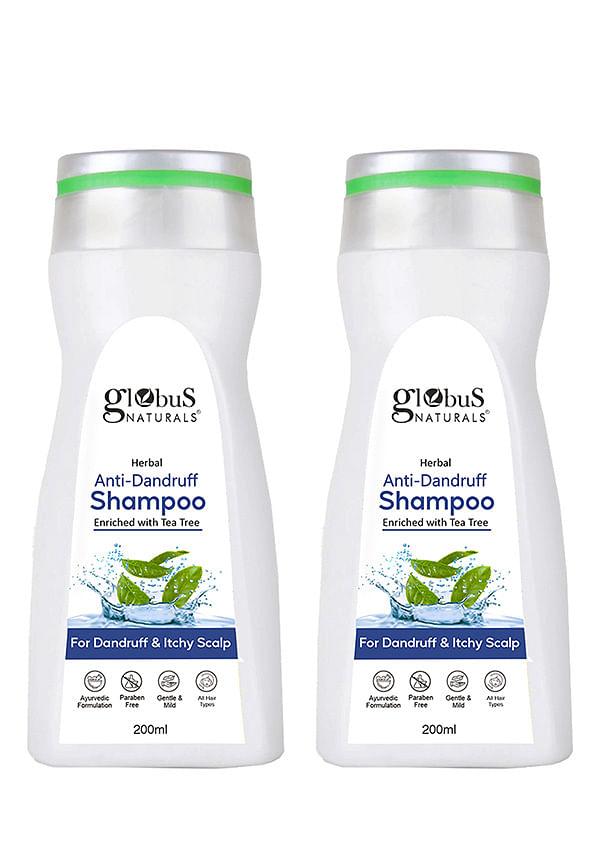
Anti Dandruff Shampoo, For Dandruff and Itchy Scalp
How you wash matters as much as what you wash with. Use lukewarm water — hot water strips your scalp of natural oils and can increase irritation. Focus your shampooing on the scalp, not the hair lengths. Massage gently with your fingertips (not nails) for at least 30 seconds to ensure the active ingredients have time to work. Rinse thoroughly — leftover product can cause buildup and irritation.
Managing stress through regular exercise, meditation, or whatever works for you can genuinely help with dandruff. Your diet matters too — foods rich in zinc (like pumpkin seeds and chickpeas), B vitamins (leafy greens, eggs), and omega-3 fatty acids (fish, walnuts) support scalp health. Stay hydrated and get enough sleep — your skin, including your scalp, repairs itself whilst you rest.
Sometimes regular dandruff treatments just aren't enough, especially if you're dealing with severe flaking or persistent itching. These stronger natural remedies can help when your usual routine isn't cutting it, but they require a bit more caution and preparation.
Baking soda acts as a gentle physical exfoliant whilst helping to balance your scalp's pH. Mix 2 tablespoons with enough water to form a paste. Gently massage into wet scalp, leave for 2-3 minutes, then rinse thoroughly. Use this once a week maximum — too much can disrupt your scalp's natural acid mantle. Follow with a moisturising conditioner.
Neem oil has been used in Ayurvedic medicine for centuries to treat scalp conditions. It's quite potent, so mix a few drops with a carrier oil like coconut or jojoba. Apply to your scalp, leave overnight if possible, then wash out with a clarifying shampoo. The smell is quite strong and earthy, so you might want to save this treatment for weekends.
Fresh lemon juice can help remove buildup and balance your scalp's pH, but use it carefully. Mix the juice of half a lemon with equal parts water, apply to your scalp, and rinse after 5-10 minutes. Never use this treatment before sun exposure, as citrus can make your skin photosensitive. It's also quite acidic, so limit use to once a week and always dilute it.
Most dandruff responds well to over-the-counter treatments and natural remedies, but sometimes you need professional help. Knowing when to escalate your treatment can save you weeks of frustration and prevent more serious scalp conditions from developing.
If your scalp is severely red, swollen, or painful, that's beyond typical dandruff. Thick, yellow or greasy scales might indicate seborrheic dermatitis, which often needs prescription treatment. Hair loss, open sores, or signs of infection (warmth, pus, fever) definitely warrant a dermatologist visit. If you've tried multiple treatments consistently for 6-8 weeks without improvement, it's time for professional help.
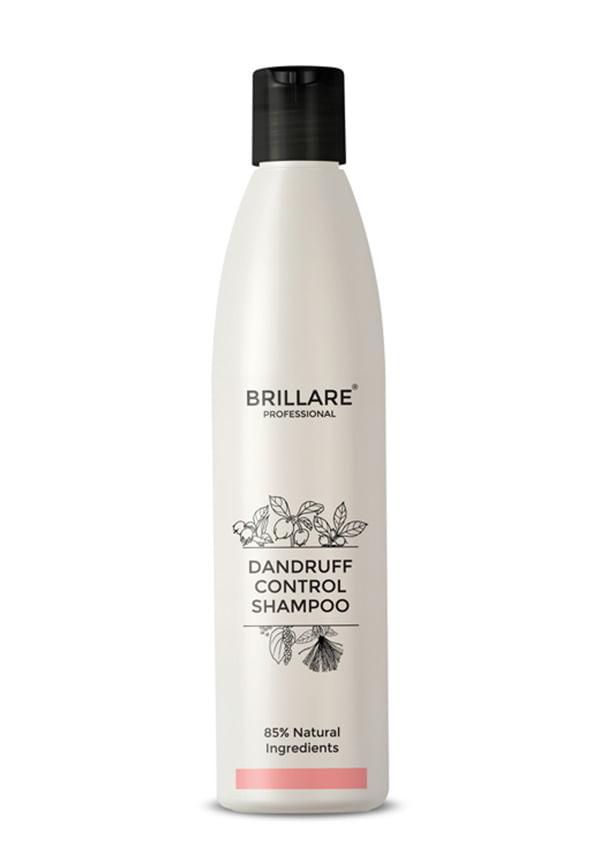
Dandruff Control Shampoo For Itchy, Flaky Scalp
Dermatologists can prescribe stronger ketoconazole formulations, topical steroids for inflammation, or combination treatments that target multiple aspects of the condition. They might also investigate underlying conditions like hormonal imbalances or autoimmune issues that could be contributing to your scalp problems. Sometimes what looks like dandruff is actually psoriasis or eczema, which require different treatment approaches.
For quick relief, use a ketoconazole-based dandruff shampoo every other day for the first week, leaving it on your scalp for 5 minutes before rinsing. Combine this with a tea tree oil treatment twice a week. You should see improvement within 7-10 days, though complete resolution usually takes 4-6 weeks of consistent treatment.
Dandruff is typically a chronic condition that requires ongoing management rather than a one-time cure. The key is finding a maintenance routine that works for your scalp — this might mean using a medicated shampoo once a week, regular scalp treatments, and managing triggers like stress and diet. Most people can keep dandruff completely under control with the right long-term approach.
Dandruff flakes are usually larger, oilier, and yellowish, whilst dry scalp produces smaller, whiter flakes. Dandruff often comes with an itchy, sometimes red scalp, whilst dry scalp feels tight and uncomfortable. Dry scalp responds well to moisturising treatments, whilst dandruff needs antifungal or exfoliating ingredients to address the underlying yeast overgrowth.
Some dandruff treatments can be drying or harsh on your hair, particularly those containing selenium sulfide or strong acids. To protect your hair, focus treatments on your scalp only, use a good conditioner on the lengths, and alternate with gentle, moisturising shampoos. If you notice excessive dryness or breakage, reduce the frequency of treatment or switch to a gentler formula.
Start with 2-3 times per week during the active treatment phase, then reduce to once or twice weekly for maintenance once your dandruff is under control. If your scalp becomes too dry or irritated, reduce frequency and alternate with a gentle shampoo. Some people need daily use initially for severe cases, whilst others find once a week sufficient for maintenance.
Dealing with dandruff can feel frustrating, but remember that it's incredibly common and absolutely treatable. The key is finding the right combination of treatments for your specific scalp type and being consistent with your routine. Whether you prefer natural remedies or medicated shampoos, patience is essential — most treatments need 4-6 weeks to show their full effects.
Start with gentler approaches like tea tree oil or apple cider vinegar rinses, and escalate to stronger treatments if needed. Pay attention to your triggers, whether that's stress, certain products, or seasonal changes, and adjust your routine accordingly. Remember that what works for your friend might not work for you — scalp care is quite personal.
If you're exploring different dandruff treatments and want to test products before committing to full sizes, Smytten offers trial packs from trusted haircare brands. With over 2,400 brands available and 100% cashback on trial purchases, it's a smart way to find your perfect scalp care routine without the guesswork. After all, why settle for maybe when you can try it all and find what actually works for your scalp?
