How to Treat Dandruff Effectively: A Scalp Care Guide
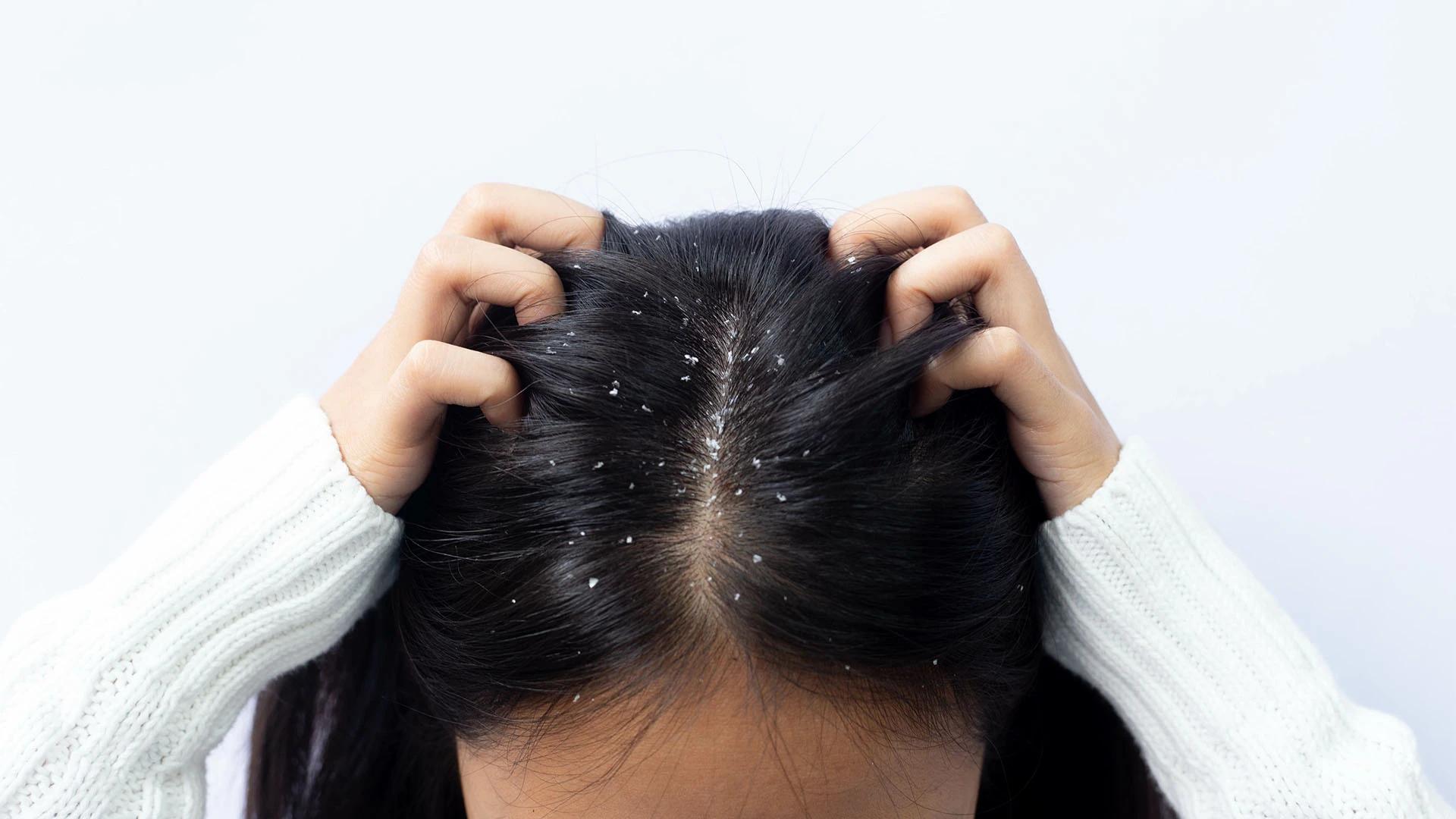

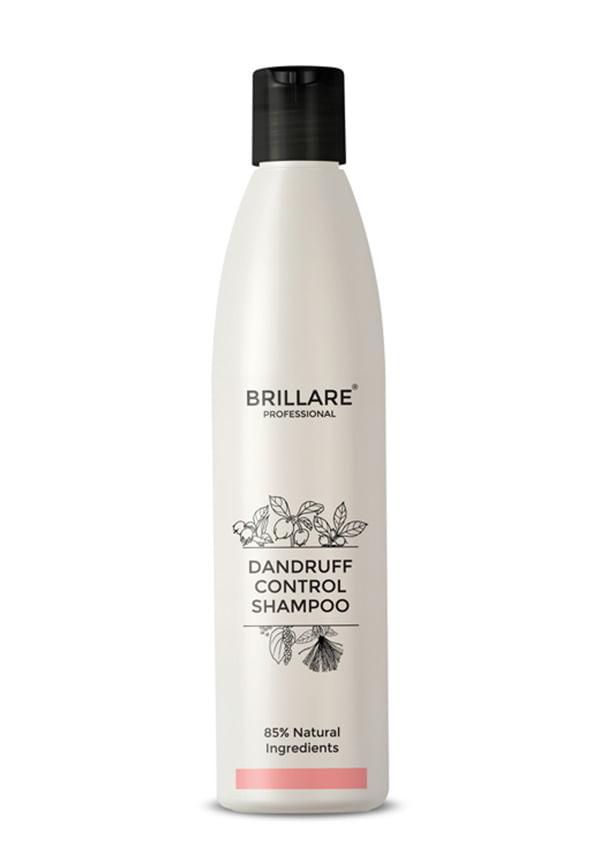
Dandruff Control Shampoo For Itchy, Flaky Scalp
You know that moment when you're getting ready for something important, and you catch a glimpse of those telltale white flakes on your shoulders? Real talk — dandruff has a way of showing up at the worst possible times. Whether it's a persistent itch that won't quit or visible flakes that make you second-guess wearing that black top, dealing with scalp issues can feel overwhelming. The good news? There's actually a science to treating dandruff effectively, and once you understand what's happening up there, finding the right scalp treatment for dandruff becomes much more straightforward.
Let's get one thing straight — not all flaky scalps are created equal. What most people call "dandruff" can actually be a few different things happening on your scalp. Understanding which type you're dealing with makes all the difference in choosing the right scalp care approach.
The most common culprit is seborrheic dermatitis, which sounds fancy but basically means your scalp is having an inflammatory reaction. This usually shows up as yellowish, oily flakes that stick to your hair and scalp. Then there's the dry scalp situation, where your skin is literally just too dry and starts flaking off in smaller, whiter pieces.
Here's where it gets interesting — most dandruff cases involve a fungus called Malassezia that naturally lives on everyone's scalp. For some people, this fungus decides to throw a party and multiply rapidly, feeding on the oils your scalp produces. Your immune system isn't having it, so it speeds up skin cell turnover to try and get rid of the excess fungus. The result? All those dead skin cells clumping together into visible flakes.
Scalp psoriasis is another player in this game, creating thicker, silvery scales that can extend beyond your hairline. It's an autoimmune condition that requires a different approach than regular dandruff. Environmental factors like stress, hormonal changes, cold weather, and even certain hair products can trigger flare-ups, making your flaky scalp solution more complex than just switching shampoos.
When it comes to tackling persistent dandruff, medicated treatments are often your best bet. These aren't just regular shampoos with fancy marketing — they contain specific active ingredients that target the root causes of dandruff.
Zinc pyrithione is probably the most common anti-dandruff ingredient you'll find. It works by slowing down the production of skin cells and reducing the fungal activity that causes inflammation. You'll find this in many mainstream anti-dandruff shampoos, and it's gentle enough for regular use while still being effective.
Ketoconazole is the heavy-hitter in the antifungal world. Originally developed as a prescription medication, you can now find lower concentrations in over-the-counter products. This ingredient specifically targets the Malassezia fungus and can be incredibly effective for stubborn cases of seborrheic dermatitis treatment.
Selenium sulfide works differently — it slows down the rate at which your skin cells die and flake off. It's particularly good for oily dandruff and can help reduce the yellowish scaling that comes with seborrheic dermatitis. Fair warning though, it can sometimes leave your hair feeling a bit dry, so follow up with a good conditioner.
Salicylic acid acts as a gentle exfoliant, helping to remove the buildup of dead skin cells. It's especially useful if you're dealing with thick, stubborn flakes that seem glued to your scalp. This ingredient works well as part of a flaky scalp solution, but start slowly since it can be drying.
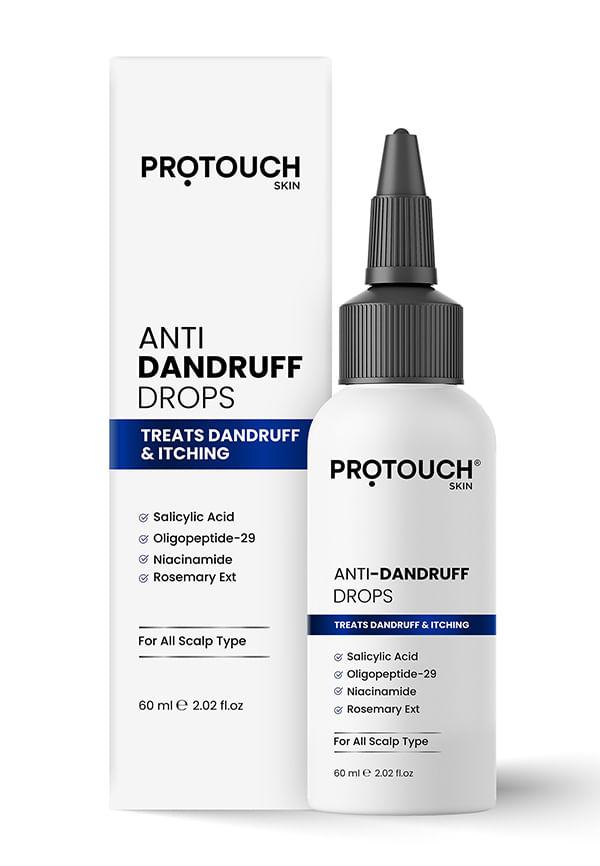
SKIN Anti Dandruff Drops Serum Soothes Itchy, Inflamed Scalp
Sometimes home treatments just aren't cutting it, and that's when professional intervention becomes necessary. If you're dealing with severe itching, bleeding, or thick scales that extend beyond your hairline, it might be time to see a dermatologist.
Professional scalp psoriasis treatment often involves prescription-strength medications like topical steroids or calcineurin inhibitors. These can provide relief when over-the-counter options aren't working. Some dermatologists also offer in-office treatments like professional scalp exfoliation or light therapy for severe cases.
If you prefer taking a more natural approach or want to complement your medicated treatments, there are several natural dandruff remedies that have shown real promise.
Tea tree oil is probably the most researched natural antifungal ingredient. Studies have shown it can be as effective as some medicated treatments when used consistently. Mix a few drops with a carrier oil like coconut or jojoba, massage it into your scalp, and leave it on for about 20 minutes before washing. Just remember to patch test first — tea tree oil can be irritating for some people.
Coconut oil massage isn't just relaxing; it's actually a legitimate dry scalp treatment. The lauric acid in coconut oil has antimicrobial properties, and the moisturising effects can help soothe irritated skin. Warm up a small amount, massage it thoroughly into your scalp, and leave it on for at least 30 minutes before shampooing.
Apple cider vinegar rinses work by balancing your scalp's pH levels, creating an environment where the dandruff-causing fungus can't thrive as easily. Mix one part ACV with two parts water, apply it to your scalp after shampooing, let it sit for a few minutes, then rinse thoroughly. The smell isn't the most pleasant, but the results can be worth it.
Aloe vera gel provides anti-inflammatory benefits and can be particularly soothing if you're dealing with an itchy scalp remedy situation. Apply pure aloe vera gel directly to your scalp, leave it on for 20-30 minutes, then wash it out with a gentle shampoo.
Creating a consistent scalp care routine is crucial for maintaining a healthy scalp and preventing dandruff from coming back. The key is finding the right balance — too much washing can irritate your scalp, while too little can allow oil and dead skin cells to build up.
Most people with dandruff-prone scalps do well with washing every other day or every two days. If you have an oily scalp, you might need daily washing, while those with dry scalp treatment needs might only need to wash 2-3 times per week. Pay attention to how your scalp responds and adjust accordingly.
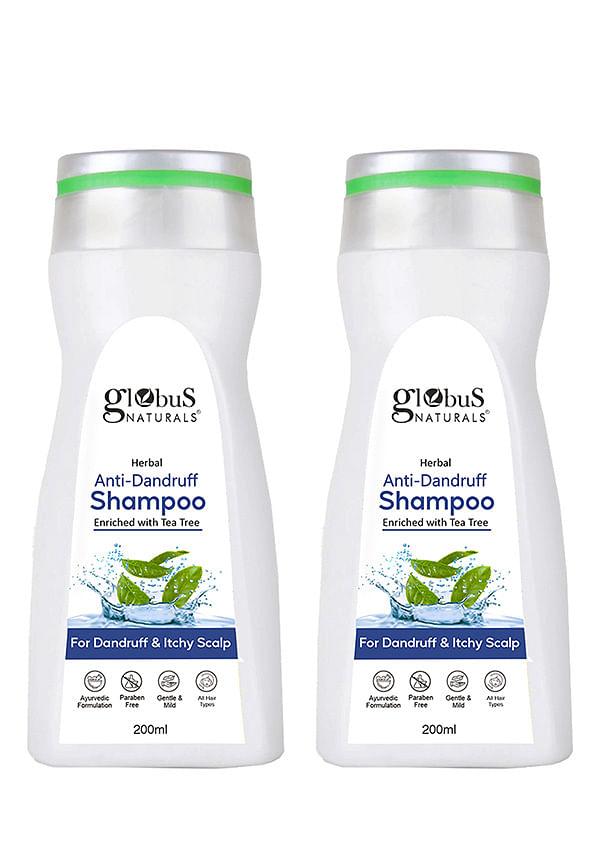
Anti Dandruff Shampoo, For Dandruff and Itchy Scalp
When you do wash, focus on massaging the shampoo into your scalp rather than just your hair. Use your fingertips (not nails) to gently work the product in, allowing the active ingredients time to work. If you're using a medicated shampoo, let it sit for a few minutes before rinsing.
Scalp massage with a silicone brush can help improve circulation and gently exfoliate dead skin cells. Just be gentle — aggressive scrubbing can actually make inflammation worse. Think of it as a relaxing ritual rather than a deep-cleaning mission.
What you eat and how you live can significantly impact your scalp health. While diet alone won't cure dandruff, certain nutrients can support your skin's natural healing processes and help maintain a healthy scalp.
Zinc is crucial for skin health and immune function. Foods like pumpkin seeds, chickpeas, and lean meats can help ensure you're getting enough. Omega-3 fatty acids from fish, walnuts, and flaxseeds help reduce inflammation throughout your body, including your scalp.
Staying hydrated is more important than you might think. When your body is dehydrated, your skin — including your scalp — can become dry and more prone to irritation. Aim for at least 8 glasses of water daily, and consider adding foods with high water content like cucumbers and watermelon.
Stress management isn't just good for your mental health; it's essential for your scalp health too. High stress levels can trigger dandruff flare-ups and make existing conditions worse. Whether it's yoga, meditation, or just taking regular breaks from work, find what helps you unwind.
Even with the best intentions, it's easy to make mistakes that can actually make your dandruff worse. One of the biggest errors is switching products too frequently. Most treatments need at least 4-6 weeks to show real results, so give your chosen approach time to work before moving on to something else.
Over-washing is another common pitfall. It might seem logical that more washing equals cleaner scalp, but excessive washing can strip your scalp's natural oils, leading to irritation and potentially more flaking. On the flip side, under-washing allows oil and dead skin cells to build up, creating the perfect environment for fungal growth.
Using the wrong products for your specific type of scalp condition is also problematic. A dry scalp treatment approach won't work for oily seborrheic dermatitis, and vice versa. Take time to understand what type of dandruff you're dealing with before choosing your treatment strategy.
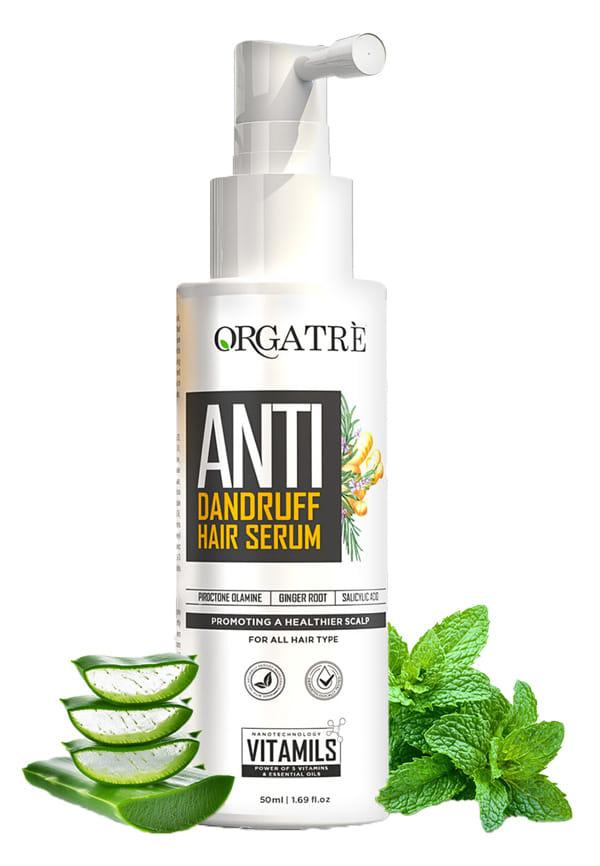
Anti Dandruff Hair Serum | Treatment for Dandruff, Flaky & Dry Scalp
The best treatment depends on your specific type of dandruff. For most people, zinc pyrithione-based shampoos provide a good starting point. If that doesn't work after 4-6 weeks, ketoconazole or selenium sulfide might be more effective. Severe cases often require prescription treatments from a dermatologist.
Complete permanent removal isn't always realistic since dandruff often involves factors like genetics and natural scalp flora. However, with consistent treatment and proper scalp care, most people can achieve long-term control with minimal flaking and irritation.
Many people can achieve complete clearance of visible flakes with the right treatment approach. Success rates are highest when treatments target the specific cause of your dandruff and are used consistently over time.
Most people start seeing improvement within 2-4 weeks of consistent treatment. Full results typically take 6-8 weeks. If you're not seeing any improvement after 6 weeks, it's worth trying a different active ingredient or consulting a dermatologist.
Dry scalp produces small, white flakes and feels tight or itchy due to lack of moisture. Dandruff typically involves larger, yellowish flakes that may be oily and is often caused by fungal overgrowth or inflammation. The treatments are different, so proper identification is important.
Dealing with dandruff doesn't have to be a constant battle. Once you understand what's causing your specific scalp issues and choose the right treatment approach, most people can achieve significant improvement. Remember that consistency is key — whether you're using medicated shampoos, natural remedies, or a combination approach, give your chosen method time to work.
The journey to a healthy scalp often involves some trial and error, which is where Smytten's curated selection of haircare products can be incredibly helpful. With brands like WishCare, Love Beauty & Planet, and other trusted names offering various scalp treatment options, you can explore different formulations to find what works best for your specific needs. Not sure which anti-dandruff approach suits your scalp type? Smytten also offers trial-size versions of many of these products — a smart way to test different treatments before committing to full-size bottles.
