How to Treat Damaged Hair: Simple Hair Mask & Conditioning Tips

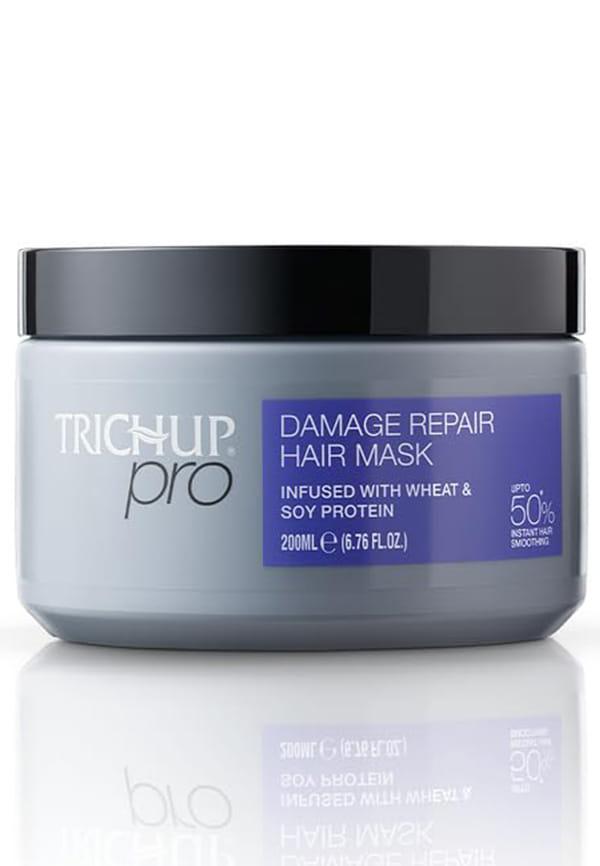
Trichup Pro Damage Repair Hair Mask for Dry Frizzy Hair Intensely Binds
You know that moment when you catch your reflection and realise your hair looks more like a bird's nest than the sleek, healthy locks you're aiming for? Split ends catching the light, strands that feel like straw, and that persistent frizz that no amount of smoothing seems to tame. If this sounds familiar, you're definitely not alone. Hair damage is one of those universal struggles that sneaks up on us—whether it's from too much heat styling, chemical treatments, or just life happening. The good news? Learning how to treat damaged hair doesn't require a degree in chemistry or a salon budget. With the right hair treatment approach and some simple techniques, you can start turning things around.
Before diving into solutions, let's get real about what damaged hair actually looks like. It's not just about having a bad hair day—damaged hair has some pretty telltale signs that are hard to ignore. Recognising these early can help you tackle the problem before it gets worse.
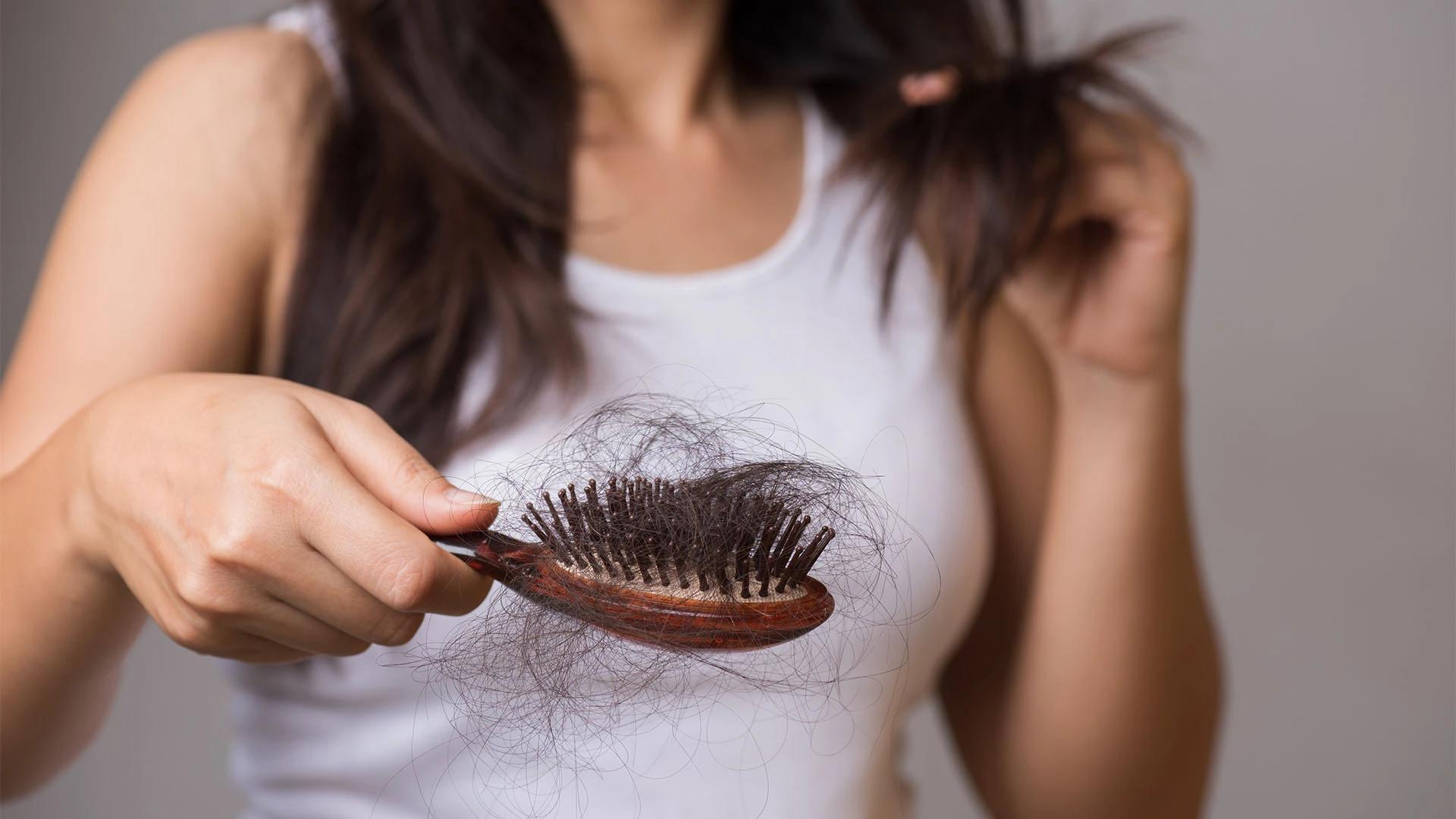
Split ends are probably the most obvious red flag. When you see those little white dots at the ends of your strands or notice your hair literally splitting into two or three pieces, that's your hair crying out for help. But damage goes beyond just the ends. Hair breakage is another major sign—if you're finding short pieces of hair on your pillow, in the shower, or stuck to your brush, your hair's structure is compromised.
Excessive dryness and brittleness are equally telling. Healthy hair should have some natural flexibility and bounce. If your hair feels rough to the touch, snaps easily when you stretch it, or looks dull and lifeless, these are clear indicators that your hair cuticles are damaged and struggling to retain moisture.
Understanding the culprits behind hair damage helps you make better choices moving forward. Heat styling tools are major offenders—those straighteners, curling irons, and blow dryers might give you the look you want, but they're essentially cooking your hair at temperatures that can reach 200°C or higher. Chemical treatments like bleaching, perming, and frequent colouring strip away your hair's natural protective layers.
Environmental factors play a huge role too. UV rays from the sun, pollution, chlorine from swimming pools, and even hard water can gradually weaken your hair's structure. Over-washing strips away natural oils, whilst harsh shampoos with sulfates can further dry out already compromised strands.
When it comes to damaged hair repair, consistency is your best friend. You can't expect overnight miracles, but with the right approach, you'll start seeing improvements within a few weeks. The key is understanding which treatments work best for your specific type of damage and hair texture.
Regular conditioning is like your daily moisturiser—it provides basic hydration and protection. Deep conditioning, on the other hand, is like a weekly facial for your hair. These treatments contain higher concentrations of moisturising and strengthening ingredients that can penetrate deeper into the hair shaft.
For severely damaged hair, aim for deep conditioning treatments 2-3 times a week initially, then scale back to once or twice weekly as your hair improves. If your hair is only mildly damaged, once a week should do the trick. The timing matters too—leave deep conditioners on for at least 15-20 minutes to give those ingredients time to work their magic.
Salon treatments like keratin therapies, protein treatments, and intensive moisture masks can provide dramatic results, but they come with a price tag. The good news is that many effective hair treatments can be done at home using ingredients you probably already have in your kitchen.
Professional treatments are worth considering if your damage is severe or if you want faster results. However, consistent at-home care often produces equally impressive results over time, especially when you're dealing with mild to moderate damage.
Hair masks are one of the most effective dry hair remedies you can try at home. The beauty of DIY masks is that you can customise them based on exactly what your hair needs—whether that's moisture, protein, or both.
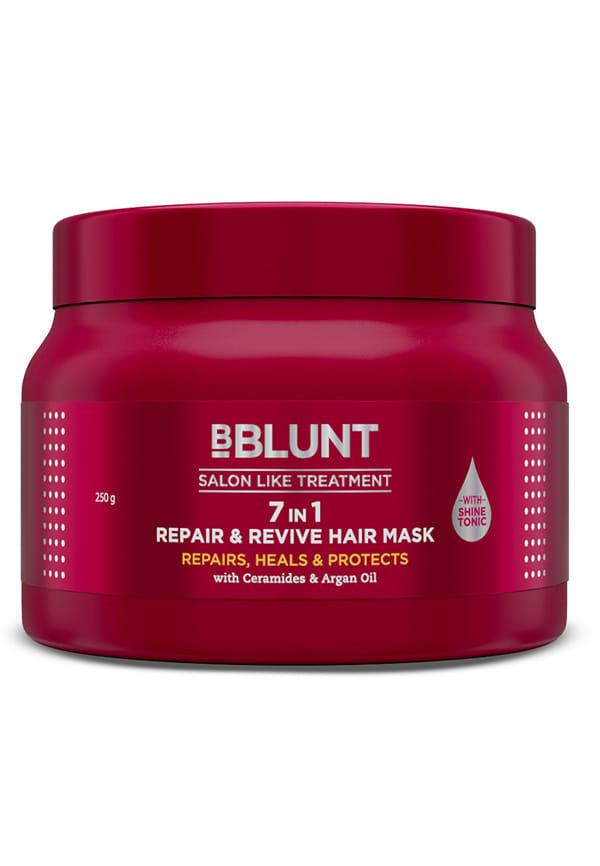
7 in 1 Repair & Revive Hair Mask for Upto 100% Damage Repair
For deeply hydrating treatments, avocado and honey make an unbeatable combination. Mash one ripe avocado with two tablespoons of honey and one tablespoon of olive oil. The avocado provides healthy fats and vitamins, honey is a natural humectant that draws moisture from the air, and olive oil helps seal it all in.
Another powerhouse combination is coconut oil and egg. Mix two tablespoons of melted coconut oil with one whole egg. The coconut oil penetrates the hair shaft better than most oils, whilst the egg provides both moisture and protein. Apply from mid-length to ends, leave for 30 minutes, then rinse with cool water to prevent the egg from cooking.
When your hair is breaking frequently, it often needs protein to rebuild its structure. An egg white and olive oil mask works brilliantly for this. Whisk two egg whites with one tablespoon of olive oil and apply to damp hair. The protein in egg whites helps fill in gaps in damaged cuticles, whilst the oil prevents the treatment from being too drying.
Yogurt and banana masks are gentler protein treatments that work well for fine or chemically processed hair. Blend half a banana with three tablespoons of plain yogurt. The lactic acid in yogurt gently exfoliates whilst providing protein, and banana adds natural oils and potassium.
Frizz happens when your hair cuticles are raised and rough, allowing moisture to escape and humidity to enter. Apple cider vinegar helps smooth these cuticles down. Mix two tablespoons of apple cider vinegar with three tablespoons of aloe vera gel for a smoothing treatment that also adds shine.
For intensive frizzy hair solutions, try combining argan oil with shea butter. Melt one tablespoon of shea butter and mix with one tablespoon of argan oil. This combination provides deep moisture whilst creating a protective barrier against humidity.
Beyond basic masks, there are several advanced techniques that can take your hair conditioning game to the next level. These methods help treatments penetrate deeper and provide longer-lasting results.
Leave-in conditioners are brilliant for providing ongoing protection throughout the day. Look for lightweight formulas that won't weigh your hair down. Apply to damp hair, focusing on the mid-lengths and ends where damage is typically most severe.
You can make your own leave-in treatment by diluting your regular conditioner with water in a spray bottle—about one part conditioner to three parts water works well. Add a few drops of your favourite hair oil for extra nourishment.
Hot oil treatments are one of the most effective methods for deep conditioning. Warm oils penetrate the hair shaft more effectively than cold oils. Coconut, argan, jojoba, and sweet almond oils all work brilliantly for this purpose.
Heat about two tablespoons of oil in a small bowl placed in warm water—never microwave oil directly as it can get dangerously hot. Test the temperature on your wrist before applying. Massage the warm oil into your hair and scalp, cover with a shower cap, and leave for 30-60 minutes before shampooing out.
Steam helps open the hair cuticles, allowing treatments to penetrate more deeply. You don't need fancy equipment—simply apply your hair mask, cover with a shower cap, and sit in a steamy bathroom for 15-20 minutes. The heat and humidity work together to maximise the treatment's effectiveness.
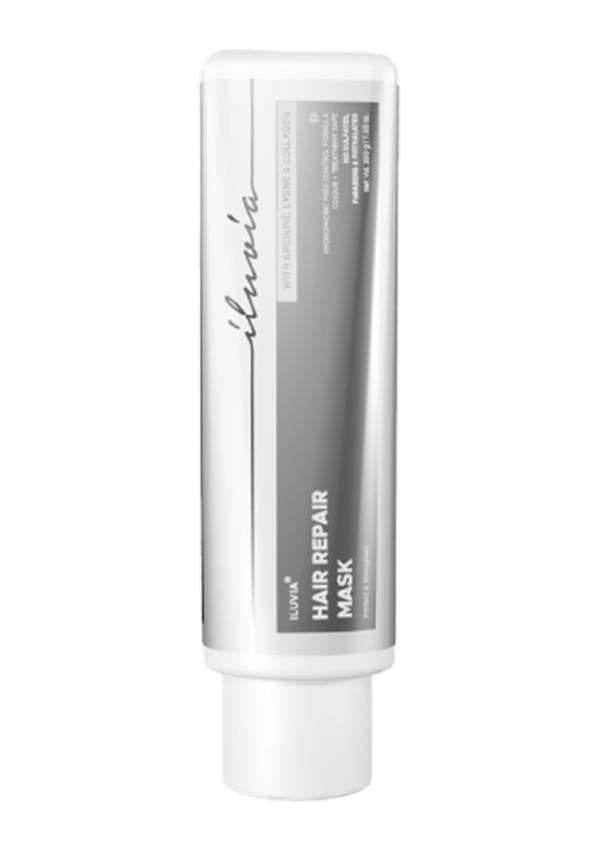
Hair Repair Mask | For damaged, dry, dull hair
Split ends are perhaps the most frustrating aspect of damaged hair because once they happen, they can't be permanently repaired—only temporarily sealed or trimmed away. However, there are ways to minimise their appearance and prevent new ones from forming.
Whilst you can't permanently fix split ends without cutting them, you can temporarily seal them to prevent further splitting. Hair oils like argan or coconut oil can help smooth down the cuticles and make splits less visible. Apply a tiny amount to the very ends of your hair when it's damp.
Protein treatments can also help temporarily bind split ends together. Look for products containing hydrolysed proteins, which are small enough to penetrate the hair shaft and fill in gaps in damaged areas.
Prevention is always better than treatment when it comes to split ends. Start with how you brush your hair—always detangle from the bottom up, working in small sections. Use a wide-tooth comb on wet hair and avoid brushing when your hair is soaking wet, as this is when it's most vulnerable to breakage.
Heat protection is crucial. Always use a heat protectant spray before styling, and try to keep temperatures below 180°C. Regular trims every 6-8 weeks help prevent splits from travelling up the hair shaft.
Your scalp is the foundation of healthy hair, so scalp treatment should be part of any comprehensive hair care routine. A healthy scalp promotes better hair growth and can help prevent many common hair problems.
Regular scalp massage increases blood flow to the hair follicles, which can promote healthier hair growth. Use your fingertips (not nails) to massage in small circles, starting at the hairline and working back towards the crown. Spend about 5-10 minutes doing this several times a week.
Adding essential oils like rosemary or peppermint to a carrier oil can enhance the benefits. These oils have been shown to stimulate circulation and may help promote hair growth when used consistently.
Dandruff, dry scalp, and product buildup can all interfere with healthy hair growth. Tea tree oil has antifungal properties that can help with dandruff, whilst apple cider vinegar can help remove product buildup and restore your scalp's natural pH balance.
For dry scalp, gentle oil treatments work well. Jojoba oil is particularly good because it closely mimics your scalp's natural sebum and won't clog pores.
The best hair treatment is prevention. Once you've started repairing existing damage, these hair care tips will help you maintain healthier hair going forward.
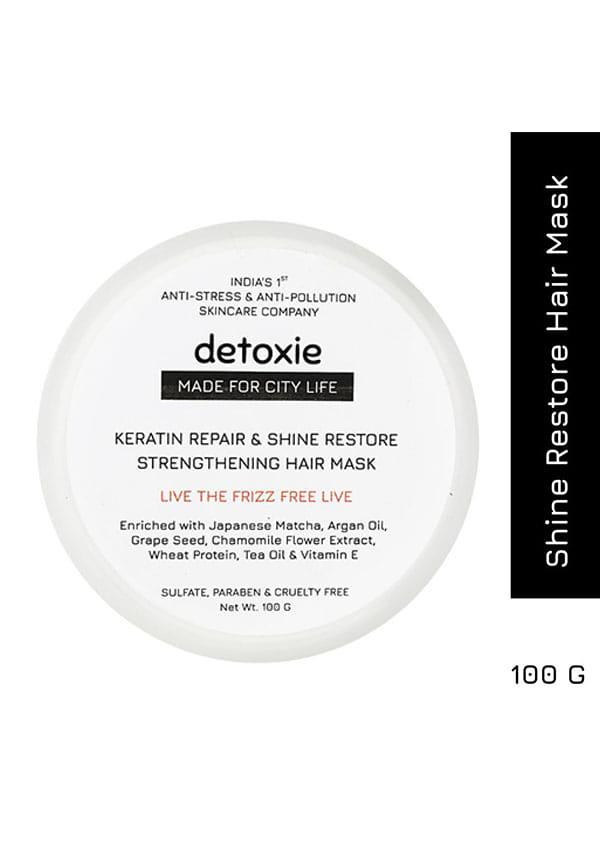
Keratin Repair & Shine Restore Strengthening Hair Mask
Your daily routine should be gentle and protective. Use sulfate-free shampoos that won't strip your hair, and always follow with conditioner. Don't wash your hair every day unless it's very oily—2-3 times a week is usually sufficient for most hair types.
When styling, opt for protective styles that don't put stress on your hair. Loose braids, buns, and ponytails are better than tight styles that can cause breakage. Sleep on silk or satin pillowcases to reduce friction whilst you sleep.
What you eat affects your hair health. Protein is crucial since hair is primarily made of protein. Include plenty of fish, eggs, nuts, and legumes in your diet. Iron, biotin, and omega-3 fatty acids also play important roles in hair health.
Stress management matters too. Chronic stress can lead to hair loss and can make existing damage worse. Regular exercise, adequate sleep, and stress-reduction techniques all contribute to healthier hair.
If you're experiencing sudden hair loss, severe breakage that doesn't improve with treatment, or scalp conditions that don't respond to over-the-counter treatments, it's time to see a professional. A dermatologist or trichologist can identify underlying issues that might be affecting your hair health.
For severely damaged hair, start with 2-3 hair masks per week, then reduce to once or twice weekly as your hair improves. Consistency is more important than frequency—it's better to do one mask weekly for months than to do daily treatments for just a week.
Whilst you cannot reverse existing structural damage to hair that's already grown out, consistent hair treatment can significantly improve its appearance, manageability, and prevent further damage. The key is patience and consistency with your routine.
Dry hair lacks moisture but maintains its structural integrity, whilst damaged hair has compromised cuticles and may show breakage, split ends, and protein loss. Dry hair typically responds well to moisturising treatments, whilst damaged hair often needs both moisture and protein.
Most people notice improvements in hair texture and manageability within 2-4 weeks of consistent treatment. Significant repair and visible improvements typically become apparent after 6-8 weeks of regular care.
Professional treatments offer concentrated formulations and expertise, but many DIY hair masks using natural ingredients can be equally effective for mild to moderate damage. The key is consistency and using the right ingredients for your specific hair needs.
Learning how to treat damaged hair is really about understanding what your hair needs and being consistent with your care routine. Whether you're dealing with split ends, breakage, or general dryness, the combination of proper conditioning, targeted treatments, and preventive care can make a real difference. Remember that hair repair is a gradual process—you won't see overnight transformations, but with patience and the right approach, you can definitely get your hair back to a healthier state.
The beauty of hair treatment is that you don't need to spend a fortune to see results. Many of the most effective remedies can be made with ingredients from your kitchen, and simple changes to your daily routine can prevent future damage. Focus on gentle handling, regular conditioning, and protecting your hair from heat and environmental stressors.
Not sure which hair treatment products work best for your specific concerns? Smytten offers trial-size versions of many professional haircare products from trusted brands—a smart way to test different formulations before committing to full-size bottles. With options from brands like Love Beauty & Planet and WishCare, you can explore various treatments to find what works best for your hair type and damage level.
