How to Tame Frizzy Hair with Perfect Hair Products


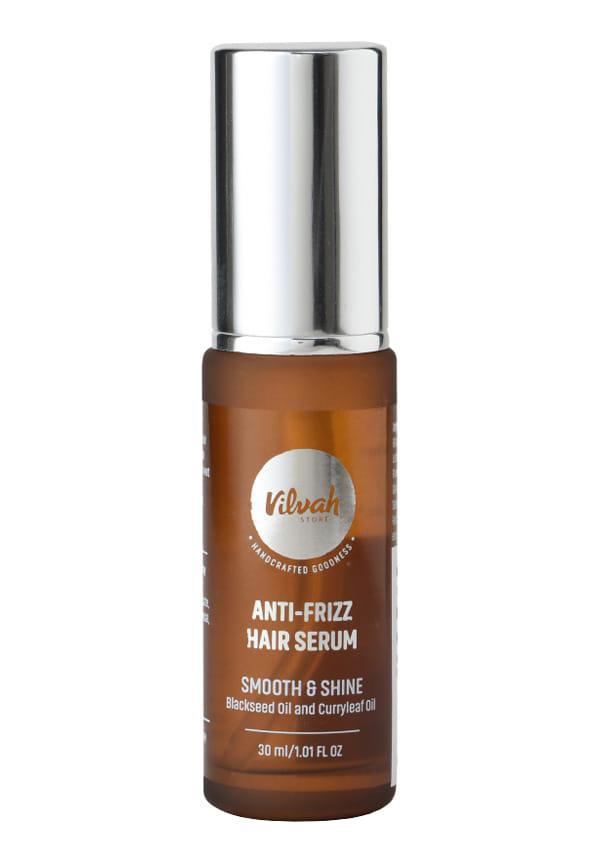
Anti-Frizz Hair Serum
Let's be real—frizzy hair can feel like your worst enemy, especially when humidity hits or you're rushing to get ready. One minute your hair looks smooth, the next it's doing its own thing with zero regard for your plans. But here's the thing: taming frizz isn't about fighting your hair's natural texture. It's about finding the right hair products for frizzy hair that work with your strands, not against them. Whether you're dealing with occasional flyaways or full-on frizz chaos, the right routine can transform your hair game completely. Ready to discover what actually works?
Frizz isn't just bad luck—it's science. When your hair's cuticle layer gets damaged or lifted, moisture from the air sneaks in and causes your strands to swell unevenly. Think of it like a sponge that's been roughed up—it absorbs water wherever it can, creating that unpredictable, puffy texture we all know too well.
Your hair's outer layer, the cuticle, acts like protective armour. When it's smooth and flat, your hair looks shiny and behaves. But when it's damaged from heat styling, chemical treatments, or even rough towel-drying, those cuticles lift up like tiny scales. This creates gaps where humidity can enter, causing your hair to expand and contract unpredictably. Hair porosity plays a massive role too. High-porosity hair absorbs moisture quickly but loses it just as fast, leading to that frustrating cycle of frizz. Low-porosity hair might seem easier to manage, but it can still frizz when products build up on the surface instead of penetrating the hair shaft.
Heat damage from straighteners and blow dryers is probably the biggest culprit. Those high temperatures literally cook your hair's protein structure, leaving it weak and prone to frizz. Over-washing strips away natural oils that keep your cuticles smooth, whilst harsh sulphates can be particularly brutal on already-damaged hair. Chemical processing like colouring or perming breaks down your hair's natural bonds, making it more porous and frizz-prone. Even environmental factors like pollution, chlorine from swimming pools, and constant exposure to air conditioning can gradually damage your hair's protective barrier.
Building the perfect routine starts with understanding what each product type brings to the table. Think of it as creating layers of protection and nourishment that work together to keep frizz at bay. The key is finding frizzy hair solutions that address your specific hair needs without weighing it down or causing buildup.
The best shampoo for frizzy hair should cleanse without stripping. Look for sulphate-free formulas that contain moisturising ingredients like argan oil, coconut oil, or keratin. These ingredients help smooth the cuticle whilst cleaning, rather than roughing it up further. Frequency matters too—washing frizzy hair every day can actually make things worse by removing natural oils faster than your scalp can replace them. Most people with frizzy hair do better washing 2-3 times per week, using dry shampoo in between if needed.
Conditioner isn't optional for frizzy hair—it's essential. Daily conditioners should focus on smoothing and detangling, whilst weekly treatments go deeper. A good hair mask for frizz can repair damage and provide intensive moisture that lasts for days. Protein vs. moisture balance is crucial here. Over-processed hair often needs protein to rebuild its structure, whilst naturally dry hair typically craves moisture. Pay attention to how your hair feels—if it's stretchy and gummy when wet, you need protein. If it's dry and brittle, focus on moisture.
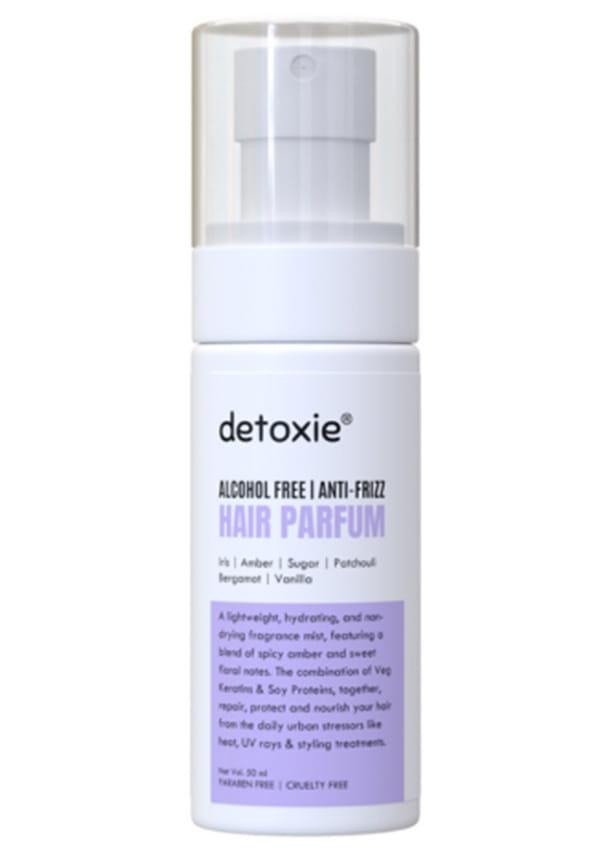
Alcohol Free Anti-Frizz Hair Parfum
Nice product with good fragrance
 4
4“Its nice product with good fragrance”
Positive Product Review
5“good for use. smells nice. can order again.”
This is where the magic happens. An anti frizz serum creates a protective barrier that locks moisture in and humidity out. Apply it to damp hair, focusing on the mid-lengths and ends where frizz tends to be worst. Leave in conditioner for frizz adds an extra layer of protection and makes your hair more manageable throughout the day. Choose lightweight formulas for fine hair or richer creams for thick, coarse textures. Hair oil for frizzy hair can be brilliant for sealing everything in—just use it sparingly to avoid greasiness.
When you need serious frizz control, hair smoothing products step up to deliver salon-worthy results. These products often contain silicones or advanced polymers that create a protective film around each strand, blocking humidity whilst adding shine and manageability.
If you're going to use heat tools, a good heat protectant is non-negotiable. Look for products that offer protection up to 230°C and contain smoothing ingredients. Silicone-based products excel at creating a barrier against heat damage, whilst natural alternatives like argan oil provide protection with added nourishment. Application technique matters—spray or distribute the product evenly through damp hair before any heat styling. Don't forget the back sections where frizz loves to hide.
Humidity resistant hair products are your secret weapon for unpredictable weather. These formulas contain ingredients that repel moisture from the air whilst maintaining your hair's internal hydration balance. They're particularly brilliant for special occasions when you need your style to last all day. Layering is key—start with a humidity-blocking primer on damp hair, follow with your styling products, and finish with a light mist of anti-humidity spray for extra protection.
Sometimes the best haircare for frizzy hair comes straight from your kitchen. Natural treatments can be incredibly effective, especially when used alongside your regular routine. Plus, they're budget-friendly and free from harsh chemicals that might irritate sensitive scalps.
Coconut oil and honey make a powerhouse combination for dry, frizzy hair. Coconut oil penetrates the hair shaft to provide deep moisture, whilst honey is a natural humectant that draws moisture from the air. Mix equal parts and leave on for 30 minutes before shampooing. Avocado and banana masks are brilliant for adding slip and shine. Mash one ripe avocado with half a banana, add a tablespoon of olive oil, and apply from mid-length to ends. The natural oils and vitamins help smooth the cuticle and add flexibility to brittle strands.
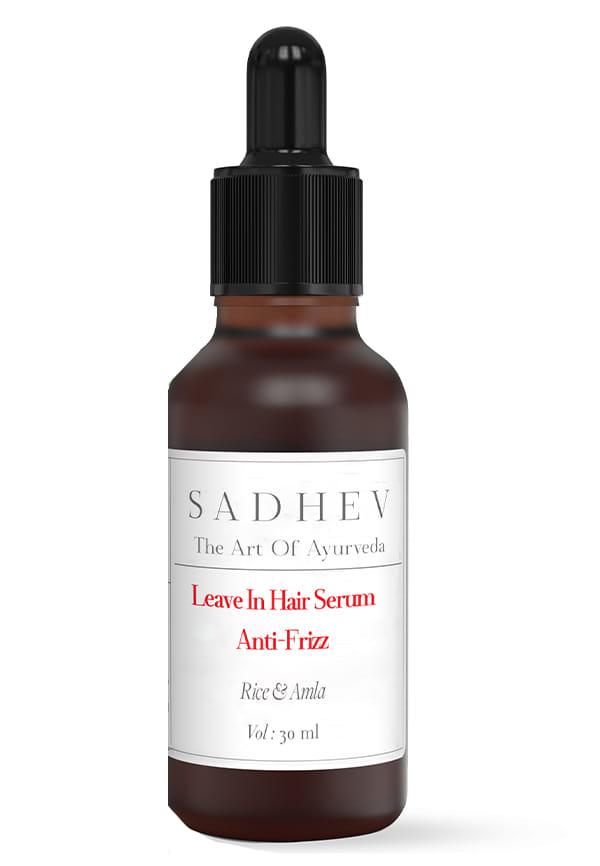
Leave-In Hair Serum - Anti-Frizz
How you handle your hair matters just as much as what you put on it. Swap your regular towel for a microfibre one or even a cotton t-shirt—both are much gentler on wet hair and reduce friction that leads to frizz. Plopping is a game-changer for curly and wavy hair types. Instead of rubbing your hair dry, gently squeeze out excess water and wrap your hair in a microfibre towel or t-shirt, leaving it to absorb moisture naturally.
Knowing which products to use is only half the battle—application technique can make or break your results. The right routine creates layers of protection that work together to keep frizz under control all day long.
Start with damp (not soaking) hair and apply your leave in conditioner for frizz first, focusing on the ends. Follow with your anti frizz serum, working it through with your fingers or a wide-tooth comb. If you're using heat tools, add your heat protectant next. When blow-drying, use a diffuser attachment and keep the heat on medium. Point the airflow down the hair shaft to smooth the cuticles, and finish with a blast of cool air to seal everything in place.
Nighttime is when you can focus on repair and prevention. Apply a small amount of hair oil for frizzy hair to the ends, then loosely braid or twist your hair to prevent tangling and friction against your pillow. Once a week, treat your hair to an intensive hair mask for frizz. Apply it to clean, damp hair and leave it on whilst you relax—your hair will thank you in the morning.
Not all frizzy hair is created equal, and what works brilliantly for your mate might fall flat on you. Understanding your hair's specific needs helps you choose frizz control products that actually deliver results rather than just adding to your bathroom clutter.
Fine frizzy hair needs lightweight formulas that won't weigh it down. Look for volumising shampoos that still moisturise, and avoid heavy oils or thick creams that can make your hair look greasy. Mousse-based products often work better than creams for adding body whilst controlling frizz. Thick, coarse hair can handle richer formulations and actually benefits from heavier products. Don't be afraid of oils and butters—your hair needs that extra moisture to stay smooth and manageable.
You don't need to spend a fortune to get good results. Many drugstore brands offer excellent humidity resistant hair products that rival salon formulas. The key is reading ingredient lists and choosing products with proven frizz-fighting ingredients. That said, sometimes investing in one or two professional products makes sense—particularly for leave-in treatments or serums that you use daily. These products often have more concentrated formulas, so a little goes further. With platforms like Smytten, you can actually try products before committing to full sizes. This takes the guesswork out of finding your perfect frizz-fighting routine without the risk of wasting money on products that don't work for your hair type.
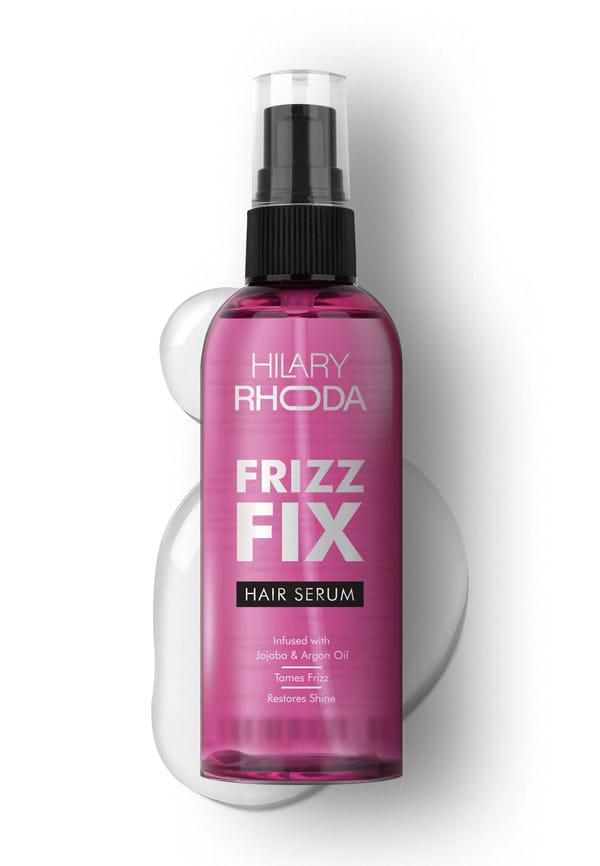
Frizz Fix Hair Serum
Lightweight, Non-Greasy, Effective
5“so light-weighted, non greasy, works wonder on hair”
Excellent Product Quality
5“very good quality of the product”
Excellent Product Quality
5“very good quality of the product”
The best products combine gentle cleansing shampoos, deeply moisturising conditioners, leave-in treatments, and protective serums. Look for ingredients like argan oil, keratin, and silicones for optimal frizz control.
Essential products include sulphate-free shampoo, moisturising conditioner, leave-in conditioner, anti-frizz serum, and a weekly hair mask. Layer products from lightest to heaviest for best results.
Prevent frizz by using gentle, moisturising products, avoiding heat damage, sleeping on silk pillowcases, and applying humidity-resistant styling products before exposure to moisture.
Maintain frizzy hair with consistent moisture, gentle handling, regular deep conditioning treatments, minimal heat styling, and protective hairstyles that reduce friction and breakage.
Seek moisturising ingredients like argan oil, coconut oil, shea butter, keratin, and hyaluronic acid. Avoid harsh sulphates, drying alcohols, and products with too much protein.
Most people see immediate smoothing effects, with cumulative benefits appearing after 2-4 weeks of consistent use. Hair masks and deep treatments show faster results than daily products alone.
Taming frizzy hair isn't about completely changing your hair's natural texture—it's about working with what you've got and giving it the right support. The perfect routine combines the right products with proper techniques, and honestly, a bit of patience whilst you figure out what works best for your unique hair needs. Remember, consistency is everything. Your hair responds to regular care much better than sporadic intensive treatments. Start with the basics—a good shampoo, conditioner, and leave-in treatment—then build from there based on what your hair tells you it needs. The beauty of modern haircare is that there are solutions for every hair type, texture, and budget. Whether you're dealing with fine hair that frizzes at the first sign of humidity or thick, coarse hair that needs serious moisture, the right products are out there. Sometimes it just takes a bit of experimenting to find your perfect match—and that's where trying before you buy becomes absolutely brilliant.
