How to Tame Frizzy Hair: Top Treatments for Smooth, Sleek Locks


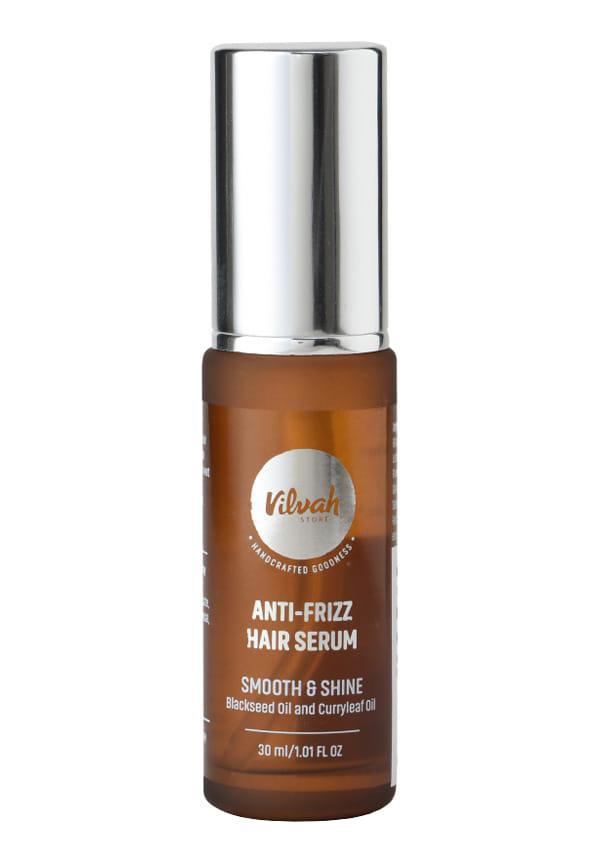
Anti-Frizz Hair Serum
You know that feeling when you look in the mirror and your hair has its own weather system going on? Yeah, we've all been there. Frizzy hair is basically when your hair strands decide to go rogue, creating that fluffy, unruly texture that seems to have a mind of its own. The thing is, frizz happens when your hair's outer layer (the cuticle) lifts up, letting moisture in and out like a leaky roof. This can be down to genetics, humidity, heat damage, or just your hair crying out for some proper TLC. But here's the good news—frizzy hair treatment doesn't have to be rocket science, and there are loads of ways to get those smooth, sleek locks you're after.
Let's get real about what's actually happening up there. Your hair is made up of three layers, and when that outer cuticle layer gets damaged or naturally uneven, it creates the perfect storm for frizz. Think of it like roof tiles that aren't lying flat—moisture gets in where it shouldn't, and chaos ensues.
Not all frizz is created equal. You might have surface frizz (those annoying flyaways), halo frizz (the crown area going mental), or all-over frizz that makes your entire head look like you've been in a wind tunnel. Understanding your frizz type helps you pick the right frizzy hair solutions.
Humidity is the obvious culprit, but there's more to it. Over-washing, harsh towel drying, heat styling without protection, chemical treatments, and even sleeping on cotton pillowcases can all contribute to the frizz festival happening on your head.
Right, let's talk about the everyday stuff that can make or break your hair game. These frizz control tips are proper game-changers when you stick to them consistently.
First up—ditch the daily wash. Your hair doesn't need it, and you're probably stripping away natural oils that keep frizz at bay. When you do wash, use a sulphate-free shampoo that won't be too harsh on your strands. Think of it as treating your hair like delicate fabric rather than a scrubbing brush.
This is where the magic happens. A good conditioner is your best mate for taming frizzy hair. Apply it from mid-length to ends, leave it on for a few minutes, and don't rinse it all out—leave about 10% in there. Your hair will thank you later.
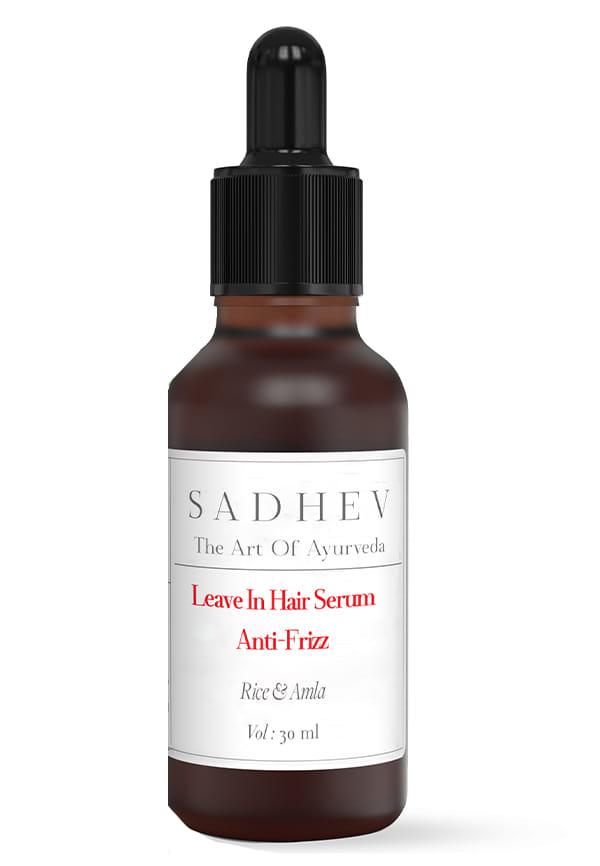
Leave-In Hair Serum - Anti-Frizz
Step away from that regular towel. Seriously. Get yourself a microfibre towel or even just an old cotton t-shirt. Pat and squeeze—don't rub like you're trying to start a fire. Air drying is your friend, but if you must use heat, always use a heat protectant and keep the temperature reasonable.
Now we're getting to the good stuff. These treatments can properly transform your hair game, and the best part is you've got options for every budget and time commitment.
Anti-frizz hair products like serums and oils are brilliant for daily use. Look for ingredients like argan oil, coconut oil, or silicones that smooth the hair cuticle. Hair masks are your weekly treat—think of them as a spa day for your hair. Apply a nourishing mask once a week, focusing on the lengths and ends. Hot oil treatments are old-school but effective. Warm up some coconut, argan, or jojoba oil, massage it through your hair, and leave it for 30 minutes before washing out. Your hair will feel like silk.
Smoothing hair treatments like keratin treatments are the big guns of frizz control. They coat your hair shaft with protein, filling in the gaps and creating a smoother surface. Brazilian blowouts work similarly but with different formulations. Japanese straightening is more permanent but requires serious commitment.
Sometimes the best frizzy hair remedies are sitting right in your kitchen. These natural options are gentle, affordable, and surprisingly effective.
Mix one part apple cider vinegar with three parts water and use it as a final rinse after shampooing. It helps balance your hair's pH and smooths the cuticles. Don't worry about the smell—it disappears once your hair dries.
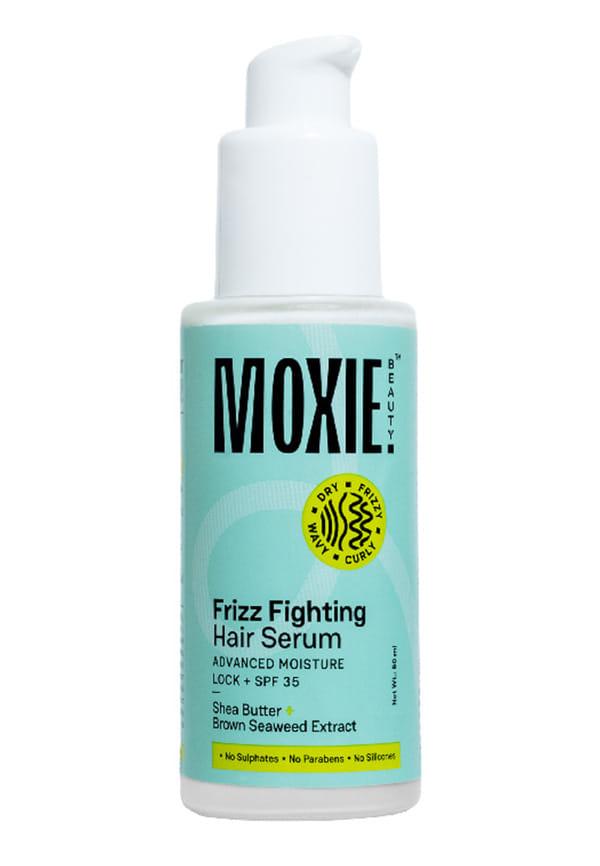
Frizz Fighting Hair Serum For Dry and Frizzy Hair
Excellent, Compact Product
 5
5“excellent product, delivering the promise and vompact to carry”
Coconut oil penetrates the hair shaft better than most oils. Use it as a pre-shampoo treatment or a tiny amount on damp hair for extra smoothness. A little goes a long way with this one.
Mash up an avocado with a tablespoon of olive oil for a deeply moisturising mask. Or mix yoghurt with honey for a protein-rich treatment that strengthens and smooths. These hair de-frizzing techniques might sound basic, but they're surprisingly effective.
Your hair health starts from the inside out. What you eat, how you sleep, and your daily habits all play a part in frizzy hair management.
Protein, omega-3 fatty acids, and vitamins A, C, and E all contribute to healthier hair. Think salmon, eggs, nuts, and loads of fruits and veg. Your hair is basically what you eat, so feed it well.
Swap your cotton pillowcase for silk or satin. Cotton creates friction that roughens up your hair cuticles, while silk lets your hair glide smoothly. You can also try loose braids or a silk scrunchie to keep things contained.
Split ends travel up the hair shaft, making frizz worse. Get a trim every 6-8 weeks to keep things healthy. It might seem counterintuitive if you're trying to grow your hair, but healthy hair grows better than damaged hair.
With so many options out there, finding the right frizz-free hair care products can feel overwhelming. Here's what to look for and what to avoid.
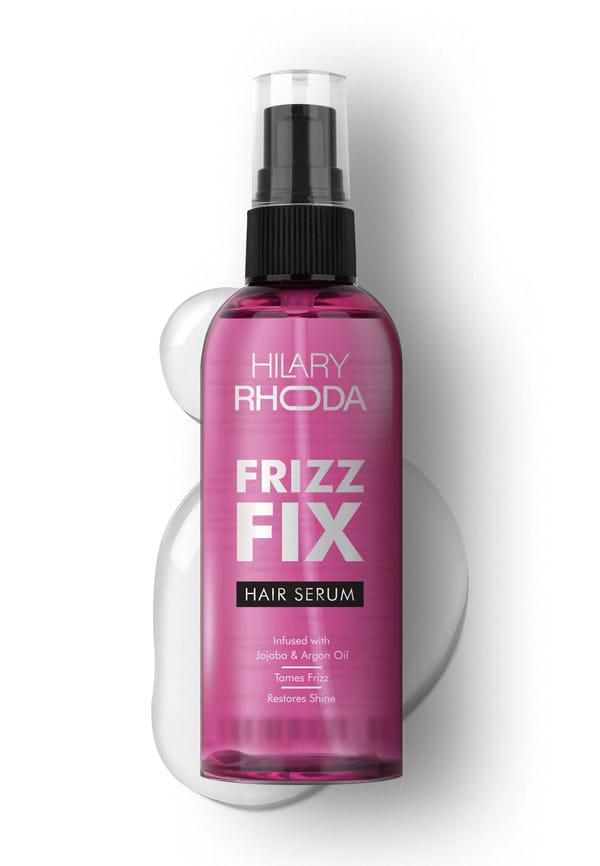
Frizz Fix Hair Serum
Great Serum for Frizzy & Dry Hair
4“Great serum for frizzy and dry hair ”
Good for Shine and Frizz-Free Hair
4“not strong fragrance which I really liked... gives shine and makes my hair feels soft and frizz free”
Very good product by Hilary Rhoda
5“A very good product by Hilary Rhoda..thank uhhh”
Look for glycerin (in low humidity), hyaluronic acid for moisture, and natural oils like argan or jojoba. Silicones get a bad rap, but they're brilliant for creating a smooth barrier against humidity. Avoid harsh sulphates and drying alcohols.
Start with a gentle, hydrating shampoo and a rich conditioner. Add a leave-in treatment for daily protection and a weekly mask for deep conditioning. A good heat protectant is essential if you style with tools. This is where exploring different brands becomes crucial for finding your perfect match. With so many hair straightening methods and products available, the key is finding what works specifically for your hair type and lifestyle. The beauty of having access to trial sizes is that you can test multiple products without committing to full-size bottles that might not work for you.
Consistency is key. Use hydrating products, avoid over-washing, protect your hair from heat and friction, and maintain regular trims. Focus on keeping your hair moisturised and the cuticles smooth.
Regular deep conditioning treatments, using leave-in products, and minimising heat styling will help. Professional treatments like keratin can also make a significant difference for more dramatic results.
There's no truly permanent fix, but consistent care with the right products, regular treatments, and lifestyle changes can dramatically improve your hair's condition long-term. Professional treatments offer the longest-lasting results.
Absolutely! Natural oils, DIY masks, gentle handling, and protecting your hair while sleeping can all help manage frizz without chemicals. It might take longer to see results, but natural methods are gentler on your hair.
Taming frizzy hair isn't about fighting against your natural texture—it's about working with it to get the best possible version of your hair. The right combination of products, techniques, and lifestyle changes can make a massive difference to how your hair looks and feels. The thing is, what works for your mate might not work for you, and that's totally normal. Hair is personal, and finding your perfect routine takes a bit of experimentation. That's where having access to trial sizes becomes absolutely brilliant—you can test different approaches without breaking the bank or ending up with a bathroom full of products that don't work for you. With over 1,500 trusted brands available in trial sizes, including top haircare names, you can explore everything from budget-friendly options to high-end treatments. Whether you're curious about that keratin serum everyone's raving about or want to try a new natural oil blend, having the option to test products properly before committing makes all the difference. After all, why settle for 'maybe this will work' when you can try it all and find exactly what your hair needs?
