How to Tame Frizzy Hair: Expert Solutions Revealed


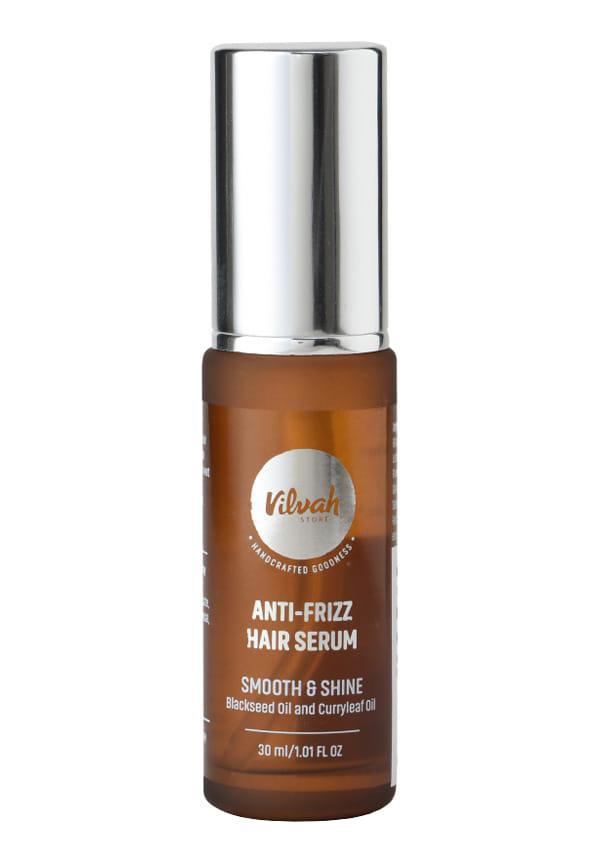
Anti-Frizz Hair Serum
Let's be real—dealing with frizzy hair can feel like fighting a losing battle. One minute your hair looks smooth and sleek, the next it's transformed into something that defies gravity and logic. Whether it's humidity wreaking havoc on your carefully styled locks or your hair just naturally has a mind of its own, frizz is one of those universal hair struggles that connects us all. The good news? There are proven frizzy hair solutions that actually work, and we're about to dive into everything you need to know about taming that wild mane once and for all.
Before we jump into solutions, let's chat about what's actually happening when your hair decides to go rogue. Frizz isn't just your hair being difficult—there's proper science behind it.
At the microscopic level, your hair shaft is covered in tiny scales called cuticles. When these cuticles lie flat, your hair looks smooth and shiny. But when they lift up (which happens for various reasons), moisture from the air sneaks in, causing each strand to swell and create that dreaded frizzy texture. Think of it like roof tiles that aren't sitting properly—everything underneath gets exposed to the elements.
Humidity is probably the biggest culprit when it comes to hair frizz control challenges. When there's moisture in the air, damaged or porous hair acts like a sponge, absorbing that humidity and expanding. This is why your hair might look perfect when you leave the house but turn into a frizz fest the moment you step outside on a humid day.
But it's not just about the weather. Dry frizzy hair often stems from damage caused by heat styling, chemical treatments, or even just rough handling. Over-washing, using harsh shampoos with sulfates, or towel-drying too aggressively can all strip your hair of its natural oils and damage those protective cuticles.
Sometimes the issue goes deeper than external factors. Nutritional deficiencies, particularly lack of omega-3 fatty acids, vitamin D, or protein, can affect your hair's structure and make it more prone to frizz. Your genetics also play a role—some people naturally have more porous hair that's just more susceptible to environmental factors.
Now that we know what we're dealing with, let's talk about building a proper haircare for frizzy hair routine that actually works. This isn't about quick fixes (though we'll get to those too)—it's about creating a foundation that keeps frizz at bay long-term.
Start your routine before you even think about shampoo. A good pre-wash oil treatment can work wonders for frizz reduction. Apply coconut oil, argan oil, or even a simple olive oil treatment to your hair about 30 minutes before washing. Focus on the mid-lengths and ends, avoiding the roots unless your scalp is particularly dry.
When detangling, always use a wide-tooth comb and start from the ends, working your way up. Never brush wet hair with a regular brush—this is a one-way ticket to breakage city and more frizz down the line.
Your shampoo choice matters more than you might think. Look for sulfate-free formulas that cleanse without stripping your hair's natural oils. These gentle cleansers help maintain your hair's moisture balance, which is crucial for taming frizzy hair.
Water temperature is another game-changer. Hot water might feel lovely, but it opens up those cuticles we talked about earlier, making your hair more prone to frizz. Rinse with cool water instead—it helps seal the cuticles and lock in moisture.
When conditioning, focus on the lengths and ends of your hair rather than the roots. Leave your conditioner on for at least 3-5 minutes to give it time to properly penetrate the hair shaft.
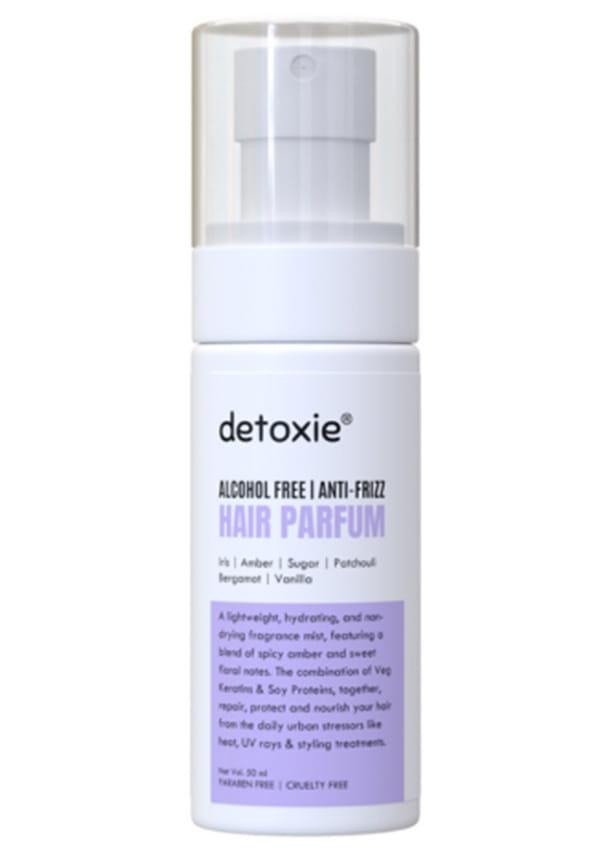
Alcohol Free Anti-Frizz Hair Parfum
Nice product with good fragrance
 4
4“Its nice product with good fragrance”
Positive Product Review
5“good for use. smells nice. can order again.”
Here's where many people go wrong without realising it. That fluffy cotton towel you're using to dry your hair? It's creating friction and lifting those cuticles. Switch to a microfibre towel or even better, an old cotton t-shirt. Gently squeeze out excess water rather than rubbing.
If you're air-drying, apply a leave-in conditioner or anti frizz products while your hair is still damp. This helps lock in moisture and creates a protective barrier against humidity. For those who prefer blow-drying, always use a heat protectant and consider investing in a diffuser attachment, which distributes heat more evenly and reduces frizz.
Sometimes you need immediate results, and that's totally fair. Here are some tried-and-tested smooth hair tips for when frizz strikes unexpectedly.
The wet hands technique is surprisingly effective. Slightly dampen your hands and gently smooth them over your hair. The tiny bit of moisture helps tame flyaways without making your hair look wet or greasy.
A small amount of argan oil or hair serum can work miracles. Warm a few drops between your palms and gently press it into the frizzy areas. Focus on the outer layer of your hair rather than working it all the way through—you want to smooth the surface without weighing everything down.
Strategic use of hair accessories can also be your best friend. A silk scarf, headband, or even some bobby pins can help contain frizz while looking intentionally stylish.
Not all anti frizz products are created equal, and knowing what to look for can save you from wasting money on products that don't deliver. The key is understanding which ingredients actually work for your specific hair type and concerns.
Hair smoothing treatments like keratin treatments can provide longer-lasting results, typically lasting 3-6 months. These work by filling in the gaps in damaged cuticles and creating a protective coating around each strand. However, they're an investment both in terms of time and money, so make sure you're ready for the commitment.
At-home alternatives include deep conditioning masks with keratin or protein, which can provide similar benefits on a smaller scale. Look for treatments that you can do weekly rather than daily—your hair needs time to absorb and benefit from these intensive treatments.
Leave-in conditioners are absolute essentials for anyone dealing with frizzy hair. Look for formulas that contain humectants like glycerin (which attract moisture) but also include occlusive ingredients like silicones that create a barrier against humidity.
Heat protectants serve double duty—they shield your hair from thermal damage while often containing smoothing ingredients. Even if you're air-drying, these products can help create a smoother finish.
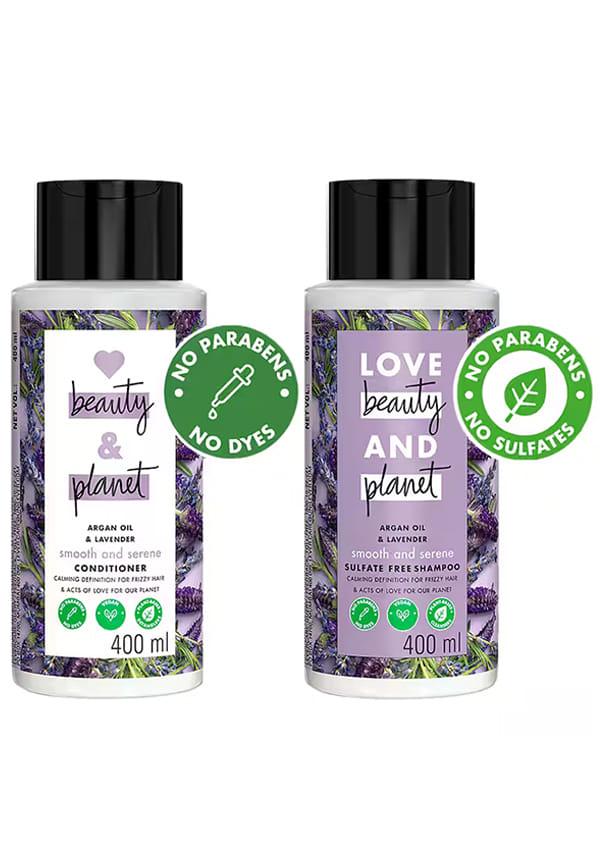
Anti Frizz Combo
Great for Treated Hair
4“really like the quantity and the conditioner is so good must try and it's also sulphate and parabeen free so it's good for colour treated hairs I ordered it for my mum she have nanoplastia and it suited her hairs very well”
Very Good and Useful
5“very good 😊 very nice 🙂 useful”
Great Combo, Really Works
5“it is a great combo which really works”
Weekly deep conditioning masks are worth the investment. Look for ingredients like shea butter, coconut oil, or hydrolysed proteins that can penetrate the hair shaft and repair damage from the inside out.
Sometimes the best solutions are the simplest ones. Coconut oil is particularly effective because its molecular structure allows it to actually penetrate the hair shaft rather than just sitting on the surface. Argan oil is rich in vitamin E and fatty acids that help smooth cuticles and add shine.
DIY masks using avocado, egg, or honey can also provide excellent results. These ingredients contain proteins and moisturising compounds that help repair and smooth damaged hair.
Your environment plays a huge role in how your hair behaves, so having humidity hair solutions ready for different weather conditions is essential for maintaining smooth, frizz-free hair year-round.
On high humidity days, your hair needs extra protection. Apply a humidity-blocking serum or cream before styling, and consider protective hairstyles like braids or buns that keep your hair contained. Carry a small bottle of diluted leave-in conditioner for touch-ups throughout the day.
Dry climates present different challenges. Your hair might not get frizzy from humidity, but it can become brittle and prone to static. Focus on moisturising products and consider using a humidifier in your bedroom to add moisture back into the air.
Your pillowcase matters more than you might think. Silk or satin pillowcases create less friction than cotton, which means less frizz when you wake up. If switching pillowcases isn't an option, try wrapping your hair in a silk scarf or using a silk hair wrap.
Protective hairstyles for sleeping, like loose braids or a high bun, can also help maintain your style and prevent tangling that leads to frizz.
While quick fixes are great for immediate results, the real secret to dealing with frizzy hair lies in consistent, long-term care that addresses the root causes rather than just the symptoms.
Regular trims every 6-8 weeks are non-negotiable. Split ends and damaged hair will always look frizzy, no matter what products you use. Keeping your ends healthy prevents damage from travelling up the hair shaft.
Your diet plays a bigger role in hair health than most people realise. Omega-3 fatty acids from fish, nuts, and seeds help maintain hair's natural oils. Protein is essential for hair structure, while vitamins like biotin and vitamin D support overall hair health.
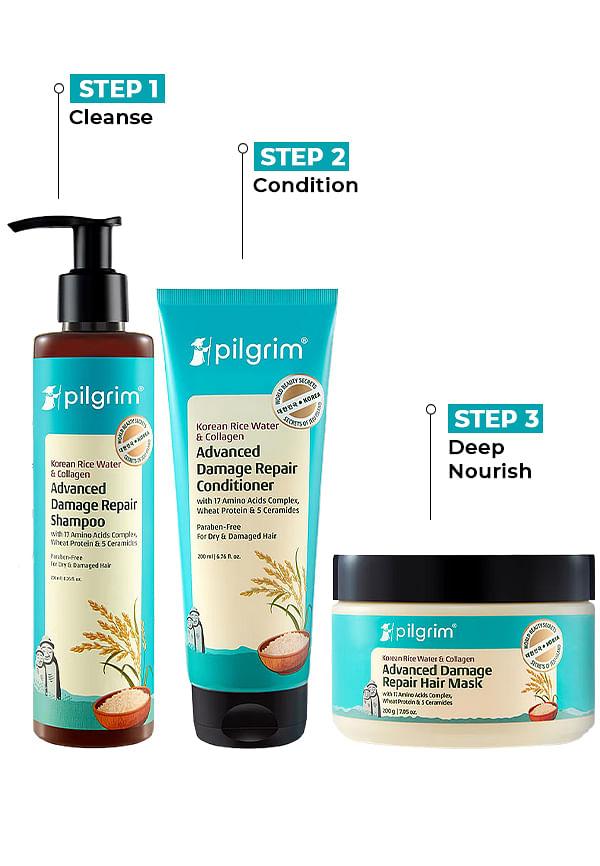
The Anti Frizz Hair Combo
Late Delivery, Love Product
5“delivery too late but I love the product”
Very Good Product
5“very good product i got from here”
Lifestyle changes can also make a significant difference. Reducing heat styling frequency, protecting your hair from sun damage, and being gentler with wet hair all contribute to healthier, less frizzy hair over time.
When exploring new products for your frizz-fighting arsenal, platforms like Smytten make it easier to discover what works for your specific hair type. With curated trial packs from trusted haircare brands, you can test different frizzy hair solutions without committing to full-size products. This approach is particularly valuable when dealing with frizzy hair, as what works for one person might not work for another, and finding your perfect match often requires some experimentation.
Start with a proper haircare routine using sulfate-free shampoo, deep conditioning treatments, and leave-in products designed for frizz control. Focus on maintaining moisture balance and protecting your hair from humidity and heat damage. Consistency is key—results typically show after 2-4 weeks of proper care.
Several nutritional deficiencies can contribute to frizzy hair, including lack of omega-3 fatty acids, protein, vitamin D, and biotin. Iron deficiency can also affect hair texture. A balanced diet with adequate protein, healthy fats, and vitamins usually helps improve hair health over time.
Focus on moisture retention through regular deep conditioning, use anti-humidity products, and incorporate hair oils like argan or coconut oil into your routine. Professional treatments like keratin can provide longer-lasting smoothness, while proper drying techniques and silk pillowcases help maintain results.
Yes, regular oiling can significantly reduce frizz by providing moisture and creating a protective barrier. Coconut oil penetrates the hair shaft, while argan oil smooths cuticles. Apply oil to damp hair for best absorption, focusing on mid-lengths and ends rather than roots.
While permanent elimination isn't realistic, you can achieve long-term frizz control through consistent care: regular deep conditioning, protective styling, minimal heat use, and proper nutrition. Professional treatments offer longer-lasting results, but maintaining healthy hair practices is essential for sustained improvement.
Taming frizzy hair isn't about finding one magical product—it's about understanding your hair's specific needs and building a routine that addresses them consistently. Whether you're dealing with humidity-induced frizz or naturally dry, damaged hair, the right combination of products, techniques, and lifestyle changes can make a dramatic difference.
Remember that hair transformation takes time. Don't expect overnight miracles, but do expect gradual improvement as you implement these strategies. The key is finding what works for your unique hair type and sticking with it.
With over 25 million users discovering their perfect haircare matches, Smytten understands that finding the right products for your hair can be a journey. That's why trying before committing makes so much sense—especially when dealing with frizzy hair, where the wrong product can actually make things worse. After all, why settle for maybe when you can try it all and find what truly works for your hair?
