How to Tame Frizzy Hair During Monsoon Season
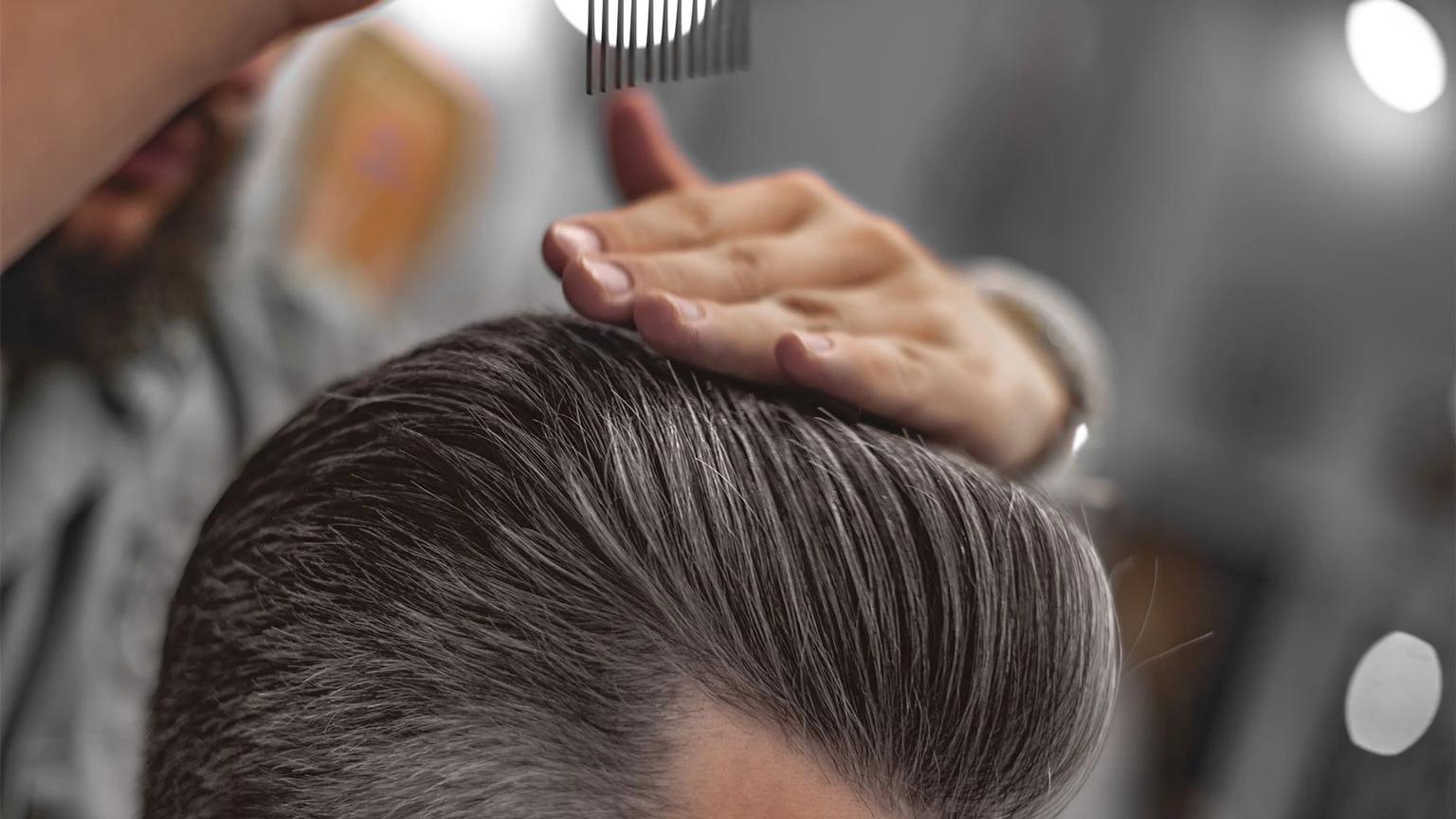

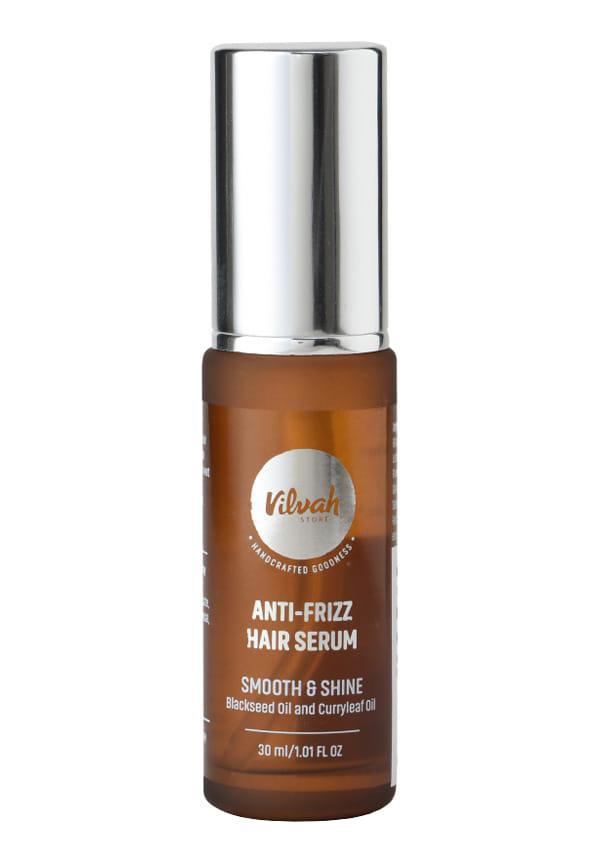
Anti-Frizz Hair Serum
Monsoon season brings relief from scorching heat, but it also brings the dreaded frizz that turns your hair into an unmanageable mess. If you've ever stepped out with perfectly styled hair only to return looking like you've been through a wind tunnel, you're not alone. The combination of humidity, sudden downpours, and temperature changes makes frizz control in monsoon one of the biggest haircare challenges. But here's the thing—with the right approach, you can actually keep your hair looking smooth and manageable throughout the rainy season.
Let's get real about what's actually happening to your hair when humidity levels spike. Your hair shaft has tiny scales called cuticles, and when these are damaged or naturally porous, they act like little sponges. During monsoon, the excess moisture in the air penetrates these cuticles, causing the hair shaft to swell unevenly. This is what creates that dreaded frizzy texture.
The science gets even more interesting when you consider hair porosity. High-porosity hair absorbs moisture quickly but also loses it just as fast, making it particularly vulnerable to frizzy hair monsoon conditions. Low-porosity hair, on the other hand, repels moisture initially but once it gets wet, it takes forever to dry—creating a different set of frizz problems.
Environmental factors beyond just humidity also play a role. Pollution particles stick to damp hair, weighing it down and disrupting the natural curl pattern. Temperature fluctuations between air-conditioned spaces and humid outdoors cause the hair cuticles to constantly expand and contract, leading to more frizz and breakage.
The key to effective humidity hair control starts with preparation. Think of it like weatherproofing your hair before the storm hits. Your pre-monsoon routine should focus on strengthening and sealing the hair cuticles to create a barrier against moisture.
Start with a clarifying shampoo to remove product buildup that can weigh hair down. Follow up with a protein treatment if your hair feels mushy when wet, or a deep conditioning mask if it feels dry and brittle.
Washing frequency becomes crucial during monsoon. Contrary to popular belief, you might need to wash your hair more often to remove humidity-induced buildup, but use a gentle, sulphate-free formula. Always finish with cool water to seal the cuticles.
When it comes to managing frizzy hair during monsoon, your drying technique matters more than the products you use. Pat hair gently with a microfibre towel instead of rubbing, and avoid touching your hair while it air-dries. If you must use heat, apply a heat protectant and use the lowest effective temperature.
Product selection during monsoon requires a strategic approach. You need lightweight formulas that provide protection without weighing hair down, plus ingredients that actually repel moisture rather than attracting it.
The most effective anti frizz serum options contain silicones like dimethicone or cyclopentasiloxane, which create a protective film around each hair strand. Look for serums with humectants like glycerin, but only if they're balanced with emollients—otherwise, they'll pull more moisture from the humid air into your hair.
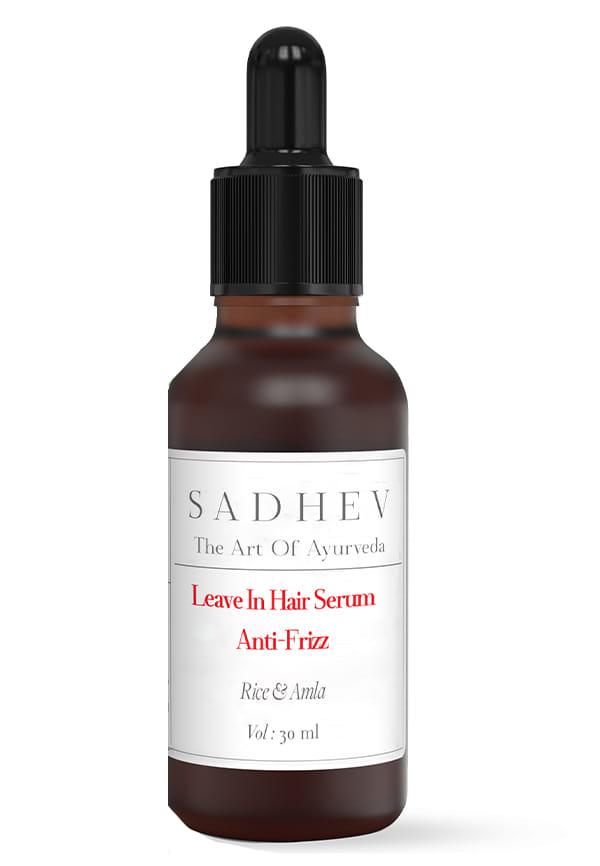
Leave-In Hair Serum - Anti-Frizz
Leave-in treatments: These are your first line of defence. Apply to damp hair, focusing on mid-lengths and ends.
Hair oils: Lightweight oils like argan or jojoba can seal moisture without heaviness. Apply sparingly to avoid greasiness.
Styling creams: Choose alcohol-free formulas that provide hold without stiffness.
The trick with best hair products monsoon application is layering. Start with the thinnest consistency product and work your way up to thicker formulas. This prevents product buildup while ensuring even distribution.
When home remedies aren't cutting it, professional hair smoothing treatments can provide longer-lasting results. Keratin treatments, for instance, can reduce frizz for up to four months by filling in the hair's porous areas with protein.
However, these treatments come with considerations. They require specific aftercare, can be costly, and may contain formaldehyde-releasing chemicals. For many people, a combination of professional treatments and consistent at-home care works best.
Natural treatments can be surprisingly effective. A weekly apple cider vinegar rinse helps seal cuticles, while a coconut oil mask provides deep conditioning. The key is consistency—these methods work gradually but can provide lasting benefits.
Rice water treatments have gained popularity for good reason. The amino acids and vitamins in rice water can strengthen hair and reduce frizz when used regularly. Fermented rice water is even more potent due to increased nutrient concentration.
Your haircare for humid weather routine needs to be both protective and practical. Here's a realistic approach that actually works in real-world conditions.
Start with slightly damp hair—not soaking wet, not bone dry. Apply a leave-in treatment, followed by a lightweight serum. If you're air-drying, scrunch gently and don't touch until completely dry.
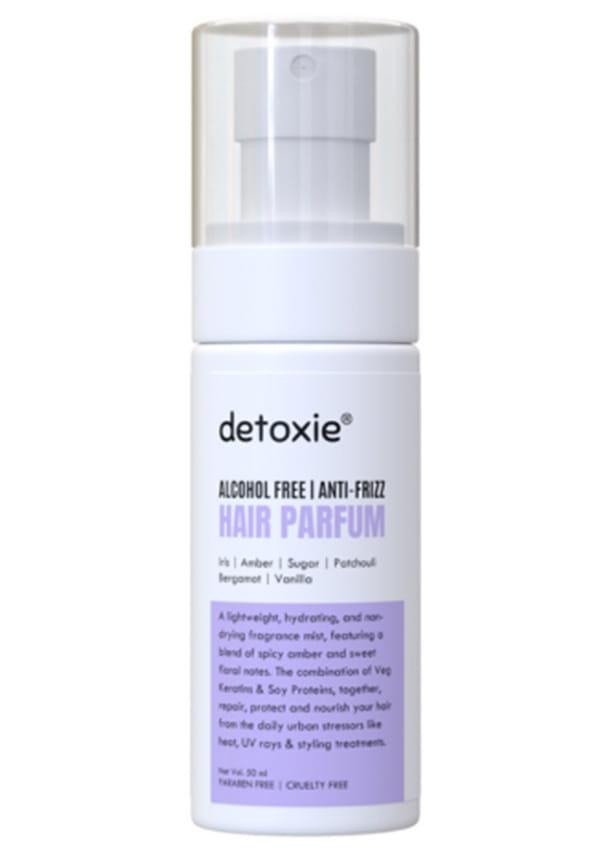
Alcohol Free Anti-Frizz Hair Parfum
Nice product with good fragrance
 4
4“Its nice product with good fragrance”
Positive Product Review
5“good for use. smells nice. can order again.”
Keep a small bottle of diluted leave-in conditioner in your bag. A light mist can refresh curls and tame flyaways without causing frizz. Avoid touching or brushing dry hair.
If your hair got wet during the day, don't go to bed with damp hair. Either dry it completely or use a silk pillowcase to reduce friction. A loose braid or silk scrunchie can prevent tangles while you sleep.
This systematic approach to managing frizzy hair ensures you're addressing frizz at every stage, not just trying to fix it after it happens.
What you eat and how you live significantly impacts your hair's ability to handle humidity. During monsoon, your hair needs extra support from the inside out.
Biotin and zinc deficiencies can make hair more prone to damage and frizz. Include eggs, nuts, and seeds in your diet for biotin, and pumpkin seeds or chickpeas for zinc. Vitamin E from avocados and almonds helps protect hair from environmental damage.
Proper hydration helps maintain hair's natural moisture balance. When you're well-hydrated, your hair is less likely to absorb excess moisture from humid air. Aim for at least eight glasses of water daily, and consider adding electrolytes during particularly humid days.
Sleep quality affects hair health too. Poor sleep increases stress hormones that can make hair more fragile and prone to frizz. Invest in a silk or satin pillowcase to reduce friction while you sleep.
This is where platforms like Smytten become invaluable for discovering what works for your specific hair type. With trial packs from trusted haircare brands, you can experiment with different frizz reduction methods without committing to full-size products. The platform's extensive range covers everything from anti-frizz serums to deep conditioning treatments, making it easier to build your perfect monsoon haircare routine.
Even with the best intentions, certain habits can sabotage your frizz control in monsoon efforts. Over-washing is a big one—stripping natural oils makes hair more vulnerable to humidity. Similarly, using too many products can create buildup that attracts moisture.
Heat styling during humid weather is particularly problematic. The contrast between hot styling tools and humid air causes cuticles to lift, creating more frizz. If you must use heat, always use a heat protectant and finish with cool air to seal the cuticles.
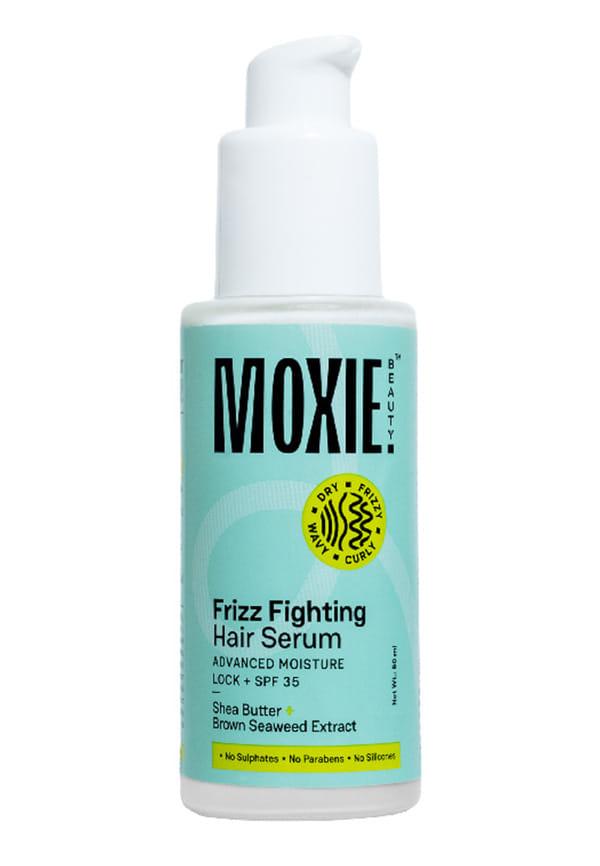
Frizz Fighting Hair Serum For Dry and Frizzy Hair
Excellent, Compact Product
5“excellent product, delivering the promise and vompact to carry”
If you've over-washed, use a clarifying treatment followed by a deep conditioning mask. For product buildup, try an apple cider vinegar rinse. When dealing with heat damage, focus on protein treatments to rebuild the hair structure.
The biggest mistake? Trying to fight your hair's natural texture instead of working with it. Embrace your hair's natural pattern and focus on enhancing it rather than completely changing it.
Natural frizz control starts with gentle cleansing using sulphate-free shampoos, followed by deep conditioning treatments. Weekly apple cider vinegar rinses help seal cuticles, while coconut oil masks provide moisture without heaviness. Avoid brushing wet hair and use microfibre towels for drying.
Carry a small bottle of diluted leave-in conditioner for quick touch-ups. If caught in rain, gently squeeze out excess water with a tissue, apply a small amount of serum to damp hair, and avoid touching until dry. A silk scarf can provide emergency protection.
Biotin, zinc, and vitamin E deficiencies commonly contribute to frizzy, unmanageable hair. Biotin supports hair structure, zinc aids in protein synthesis for strong hair, and vitamin E protects against environmental damage. Include eggs, nuts, seeds, and leafy greens in your diet.
Look for lightweight serums containing dimethicone or argan oil that create a protective barrier without weighing hair down. Alcohol-free formulas work best in humid conditions. Apply to damp hair, focusing on mid-lengths and ends.
Wash 2-3 times per week with a gentle, sulphate-free shampoo. Over-washing strips natural oils, making hair more prone to frizz, while under-washing can lead to buildup that attracts humidity.
Mastering frizz control in monsoon isn't about fighting your hair's natural tendencies—it's about understanding them and working strategically. The combination of proper preparation, the right products, and consistent care makes all the difference between good and bad hair days during the rainy season.
Remember, what works for your friend might not work for you. Hair porosity, texture, and individual response to humidity vary significantly. This is where Smytten's trial approach becomes particularly valuable. Instead of investing in full-size products that might not suit your hair, you can discover your perfect monsoon haircare routine through curated trial packs from over 1,500 trusted brands. With options ranging from budget-friendly to premium, you can find effective solutions without the guesswork. After all, why settle for frizzy hair when you can discover exactly what works for your unique needs?
