How to Tame Frizzy Curly Hair: Natural Remedies for Control

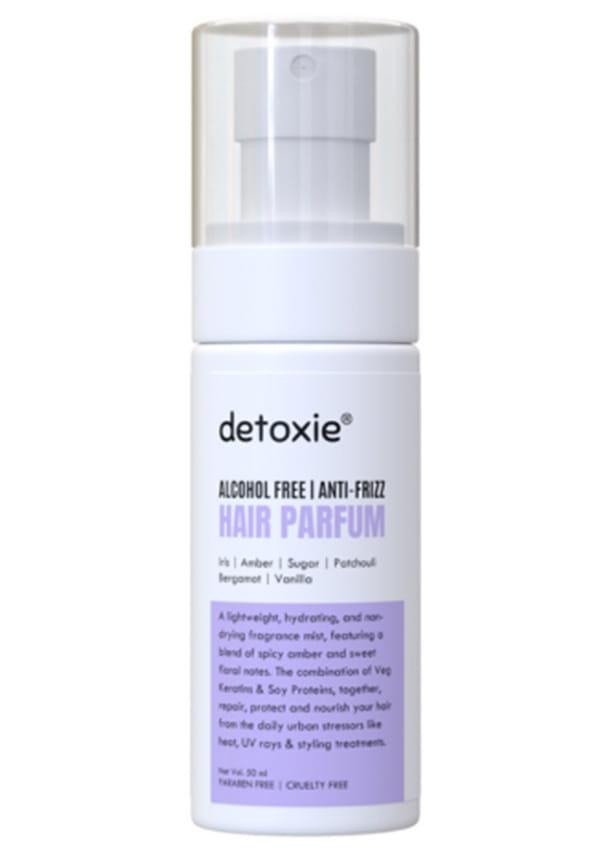
Alcohol Free Anti-Frizz Hair Parfum
Nice product with good fragrance
 4
4“Its nice product with good fragrance”
Positive Product Review
5“good for use. smells nice. can order again.”
TL;DR
Curly hair gets frizzy due to its unique structure and tendency to lose moisture more easily than straight hair
Natural remedies like coconut oil, aloe vera, and apple cider vinegar can effectively control frizz without harsh chemicals
A proper anti-frizz routine includes gentle cleansing, deep conditioning, and protective styling techniques
The right products and ingredients can make a massive difference in curly hair frizz control
Consistency with natural treatments and proper hair care techniques leads to long-term frizz management
Let's be real—frizzy curly hair can feel like a daily battle against humidity, weather, and sometimes your own styling routine. One minute your curls look gorgeous, and the next they've transformed into an unruly cloud that defies all logic. If you've ever stood in front of the mirror wondering how to tame those rebellious strands without harsh chemicals, you're definitely not alone. The good news? Nature has some pretty brilliant solutions hiding in your kitchen and bathroom cabinet. From coconut oil treatments to apple cider vinegar rinses, there are loads of natural frizzy hair remedies for curly hair that actually work. Whether you're dealing with occasional frizz or it's become your hair's default setting, these tried-and-tested methods can help you manage frizzy curly hair without breaking the bank or damaging your precious curls. If you're curious about trying new products, exploring options can be helpful.
Before diving into solutions, it helps to understand what's actually happening with your curls. Curly hair has a unique structure that makes it naturally more prone to frizz than straight hair. The curved shape of each strand creates weak points where the hair can easily break or become damaged, and the uneven surface makes it harder for natural oils to travel down the hair shaft.
When you manage frizzy curly hair, you're essentially dealing with moisture imbalance. Curly hair tends to be drier because those natural oils from your scalp struggle to coat the entire length of twisted strands. This leaves your hair constantly seeking moisture from the environment—hello, humidity frizz! Additionally, the hair cuticle (the outer layer) in curly hair doesn't lie as flat as it does in straight hair, making it more susceptible to environmental factors and damage from styling.
Heat styling, overwashing, harsh shampoos with sulfates, and even sleeping on cotton pillowcases can all contribute to frizz. Weather changes, especially humidity, are major culprits too. When there's moisture in the air, your hair tries to absorb it, causing the hair shaft to swell and creating that dreaded frizzy texture.
Your curls need the right balance of moisture and protein to stay healthy and frizz-free. Too much moisture can make hair limp and mushy, while too much protein can make it brittle and prone to breakage. Understanding this balance is key to choosing the right natural frizz remedies curly hair actually needs.
Ready to raid your kitchen for some serious frizz-fighting ingredients? These natural remedies have been game-changers for countless curly-haired folks, and the best part is they're probably already sitting in your pantry or fridge.
Coconut oil is like a superhero for curly hair—it penetrates the hair shaft better than most oils and provides deep moisture. For an overnight treatment, warm a small amount between your palms and work it through damp hair, focusing on the mid-lengths and ends. Cover with a silk scarf or use a silk pillowcase to avoid transfer.
The key is using just enough to nourish without weighing your curls down. Start with a teaspoon for shoulder-length hair and adjust based on your hair's thickness and porosity.
This one might sound a bit odd, but apple cider vinegar is brilliant for smoothing the hair cuticle and restoring your hair's natural pH balance. Mix one part ACV with three parts water and use it as a final rinse after shampooing. The acidity helps seal the cuticle, reducing frizz and adding serious shine.
Use this rinse once a week maximum—too much can be drying. Always dilute it properly, and if you have colour-treated hair, do a patch test first.
Avocados aren't just for toast—they're packed with healthy fats and vitamins that curly hair absolutely loves. Mash half a ripe avocado with a tablespoon of honey and a teaspoon of olive oil. Apply this mixture to damp hair, leave for 20-30 minutes, then rinse thoroughly.
This mask is particularly brilliant for dry, damaged curls that need some serious TLC. The natural oils provide deep conditioning while the honey adds moisture and shine.
Fresh aloe vera gel is a fantastic lightweight moisturiser that won't weigh down your curls. It's also got natural anti-inflammatory properties that can soothe an irritated scalp. Apply a small amount to damp hair as a leave-in treatment, or mix it with your favourite oil for extra nourishment.
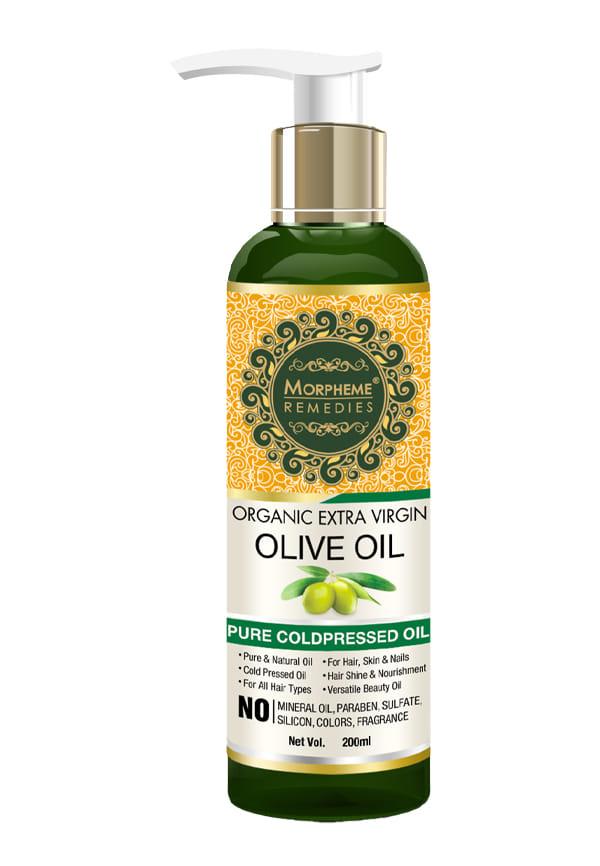
Remedies Organic Extra Virgin Olive Oil Pure Coldpressed Oil For Hair & Skin
If you're using store-bought aloe gel, make sure it's 99% pure without added alcohols or fragrances that could be drying.
When your curls are feeling weak or over-moisturised, an egg treatment can help restore protein balance. Whisk one whole egg (or just the white for oily hair) and apply to clean, damp hair. Leave for 15-20 minutes, then rinse with cool water—hot water will cook the egg!
Use protein treatments sparingly—once every 2-3 weeks is usually enough. Signs you need protein include hair that feels mushy when wet or stretches excessively without bouncing back.
Pure argan oil makes an excellent natural alternative to commercial serums. It's lightweight, absorbs well, and provides lasting moisture without greasiness. Apply 2-3 drops to damp hair, focusing on the ends and avoiding the roots.
The best time to apply is when your hair is about 80% dry—this helps lock in moisture while your curls are still forming their shape.
Rice water has been used for centuries in Asian cultures for hair care, and for good reason. It's rich in amino acids and vitamins that can strengthen hair and add incredible shine. Soak half a cup of rice in water for 30 minutes, strain, and use the water as a final rinse.
For fermented rice water (which is even more beneficial), leave the mixture for 24-48 hours at room temperature before straining. For safety, you can also refrigerate it during this time. The fermentation process creates additional nutrients that can help with hair growth and strength.
Having the right products is only half the battle—how you use them makes all the difference. A solid curly hair routine frizz management strategy involves being gentle with your hair and working with its natural texture rather than against it.
Mornings don't have to be a frizz nightmare. Fill a spray bottle with water and a tiny bit of leave-in conditioner or aloe vera gel. Lightly mist your hair, then scrunch gently to reactivate your curl pattern. The key is adding just enough moisture to refresh without soaking your hair.
If your curls are particularly stubborn in the morning, try the "praying hands" method—smooth the product down your hair with flat palms rather than scrunching, which can create frizz.
How often you wash depends on your hair type, but most curly hair benefits from washing 1-2 times per week maximum. When you do wash, use lukewarm water and focus the shampoo on your scalp only. Let the suds rinse through the lengths—this is enough to clean without stripping natural oils.
Always apply conditioner from mid-length to ends, and consider doing a weekly deep conditioning treatment with one of the natural masks mentioned earlier. Detangle gently with a wide-tooth comb while the conditioner is in your hair.
Your pillowcase can be your curls' best friend or worst enemy. Cotton pillowcases create friction that leads to frizz and tangles, while silk or satin options let your hair glide smoothly. Alternatively, wrap your hair in a silk scarf or use a buff to protect your curls while you sleep.
Try the "pineapple" method—loosely gather your curls at the very top of your head with a silk scrunchie. This keeps them off your face and prevents crushing while you sleep.
While natural remedies are fantastic, sometimes you need a little extra help from commercial products. The trick is knowing what to look for and what to avoid when you're shopping for curly hair products for frizz.
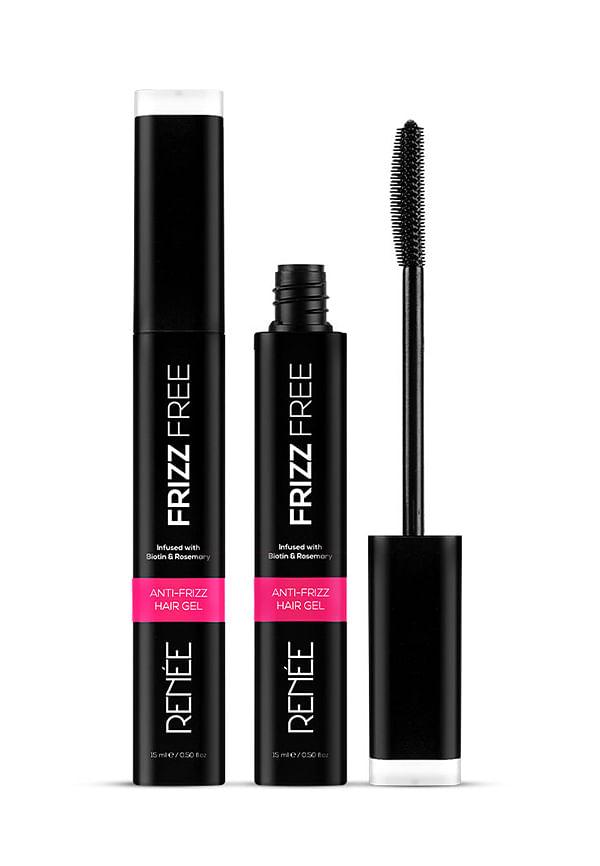
Frizz Free Anti Frizz Hair Gel
Helps set hair
4“thik hai balo ko set krne me madad kr raha hai”
Helps set hair
4“thik hai balo ko set krne me madad kr raha hai”
Good Quality and Service
5“Quality is very good sarvise is very good 👍 e”
When reading labels, avoid sulfates (sodium lauryl sulfate, sodium laureth sulfate), drying alcohols (denatured alcohol, isopropyl alcohol), and heavy silicones that can build up over time. Instead, look for gentle cleansers, moisturising ingredients like glycerin and hyaluronic acid, and curl-enhancing polymers.
Humectants like glycerin and honey draw moisture from the environment into your hair—brilliant in moderate humidity, but can backfire in very dry or very humid conditions. Emollients like shea butter and various oils smooth the hair cuticle and add shine. Proteins like hydrolysed wheat or silk can temporarily fill in gaps in damaged hair.
You don't need to spend a fortune on the best frizz serum for curly hair. Many drugstore brands now offer excellent curl-specific products, and DIY treatments using natural ingredients can be just as effective as expensive salon treatments. The key is consistency and finding what works for your specific curl pattern and porosity.
Once you've mastered the basics, these advanced techniques can take your anti-frizz for curls game to the next level. These methods require a bit more time and practice, but the results can be absolutely worth it.
The Curly Girl Method involves eliminating sulfates, silicones, and heat styling to let your natural curl pattern shine. Start with a clarifying wash to remove buildup, then switch to sulfate-free cleansers or co-washing (conditioner-only washing). This method isn't for everyone, but many people see dramatic improvements in curl definition and frizz reduction.
Plopping is another CG method technique—after washing, wrap your hair in a cotton t-shirt or microfibre towel to absorb excess water without disturbing your curl pattern. This can significantly reduce drying time and frizz.
If you must use heat, diffusing on low heat and low speed is the gentlest option. However, air drying with proper technique often gives better results. Try the "bowl method"—fill a large bowl with water and your styling products, then dip sections of hair into the mixture and scrunch gently.
For overnight styling, try medusa clipping—clip small sections of damp hair up and away from your head, then sleep on them. You'll wake up with amazing volume and curl definition.
Steam treatments can be incredibly beneficial for curly hair. You don't need fancy equipment—just apply a deep conditioning treatment, cover with a shower cap, and sit in a steamy bathroom for 15-20 minutes. The heat helps the treatment penetrate deeper into the hair shaft.
Regular protein-moisture balance checks are crucial too. If your hair stretches more than 50% of its length when wet without bouncing back, you need protein. If it feels dry and brittle, you need moisture.
Even with the best routine, sometimes things go wrong. Here's how to stop frizz in curly hair when you're dealing with specific challenges that seem to pop up out of nowhere.
High humidity days call for different strategies. Use products with film-forming humectants that create a barrier against moisture, and consider anti-humectant ingredients like cyclopentasiloxane. On very humid days, embrace protective styles like braids or buns rather than fighting the weather.
In low humidity environments, your hair needs extra moisture. Layer lightweight moisturising products and consider using a humidifier in your bedroom to prevent overnight dryness.
Sometimes in our quest for moisturizing curly hair frizz, we can go overboard. Signs of moisture overload include hair that feels mushy, limp, or stretchy when wet. The solution is usually a protein treatment followed by a clarifying wash to reset your hair's balance.
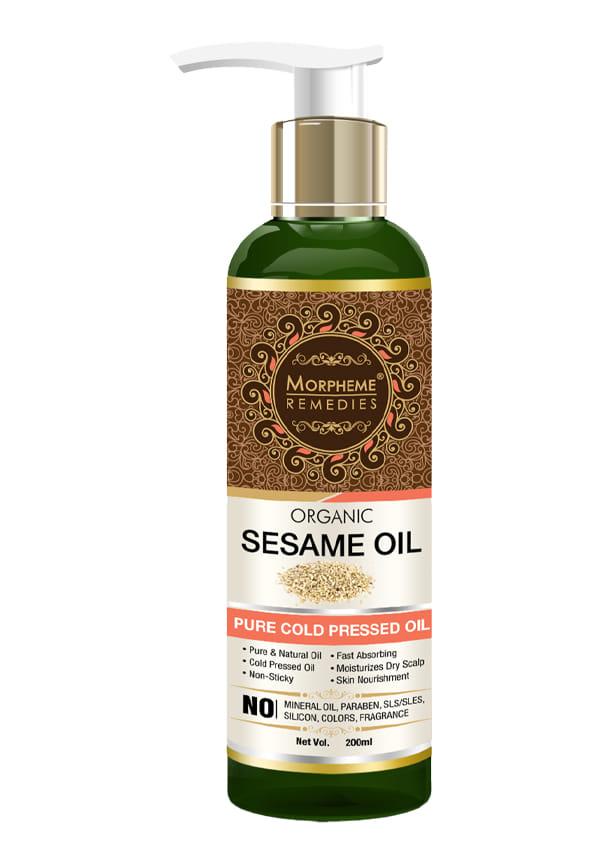
Remedies Organic Sesame Oil (Pure Coldpressed Oil) For Hair, Body, Skin Care, Massage
After a protein treatment, always follow up with a moisturising treatment to prevent your hair from becoming too rigid.
If your frizz is due to damage from heat styling, chemical treatments, or environmental factors, patience is key. Focus on gentle handling, regular deep conditioning treatments, and protective styling. Trim damaged ends regularly—they won't magically repair themselves and can make the rest of your hair look frizzier.
Consider doing a "big chop" if the damage is extensive. Sometimes starting fresh is the fastest way to healthy, manageable curls.
For emergency frizz control, dampen your hands slightly and gently smooth over your hair, then scrunch with a microfibre towel. Apply a tiny amount of oil or leave-in conditioner to the worst areas. A silk scarf wrapped around your hair for 10 minutes can also help smooth things down.
The key is starting with properly moisturised hair and using products that create a protective barrier. Avoid touching your hair once it's dry, sleep on silk pillowcases, and keep a small spray bottle with diluted leave-in conditioner for touch-ups.
Aloe vera gel mixed with a few drops of your favourite oil makes an excellent natural anti-frizz treatment. Apply to damp hair and scrunch gently. For overnight treatment, coconut oil or a flaxseed gel mask can work wonders.
Yes, but the type of oil and application method matter. Lightweight oils like argan or jojoba work best for regular use. Apply to damp hair focusing on mid-lengths and ends. Heavy oils like coconut should be used sparingly and mainly for deep conditioning treatments.
Most curly hair benefits from deep conditioning once a week, but this can vary based on your hair's porosity and damage level. High porosity or damaged hair might need it twice a week, while low porosity hair might only need it every two weeks.
Air drying is generally gentler and often produces better curl definition with less frizz. However, if you must use heat, diffusing on low heat and low speed is the next best option. The key with diffusing is to avoid moving the diffuser around too much—let it hover and lift sections gently.
Exploring different product options can be helpful for finding the right frizz control products since what works varies so much between different curl types and hair needs.
Managing frizzy curly hair doesn't have to be an endless struggle or require expensive salon treatments. The most effective approach combines understanding your hair's unique needs with consistent use of gentle, nourishing techniques. Natural remedies like coconut oil treatments, aloe vera gels, and apple cider vinegar rinses can be just as effective as commercial products when used correctly.
Remember that frizz taming for curls is about working with your hair's natural texture rather than fighting against it. Focus on maintaining proper moisture balance, protecting your hair from damage, and being patient with the process. What works for someone else might not work for you, so don't be afraid to experiment with different techniques and products until you find your perfect routine.
The key to long-term success is consistency and gentle handling. Your curls will thank you for treating them with care, and you'll likely find that embracing your natural texture leads to healthier, more manageable hair overall.
Finding the right products for your curly hair journey can feel overwhelming, especially when you're not sure what will work for your specific curl pattern and concerns. Smytten is India's largest product discovery and trial platform, connecting consumers with top lifestyle, beauty, wellness, and grooming brands. At its core, Smytten offers curated trial packs - mini-sized products from over 2,400 trusted brands such as Cetaphil, Dot & Key, True Elements, Oziva, Renee, Swiss Beauty Love, Beauty & Planet, WishCare, Carlton London and Bella Vita. This lets users explore and experience products before committing to full-size purchases. The platform covers a wide range of categories, including skincare, makeup, haircare, fragrances, and more. Each mini is linked with Trial Points, and users can get up to 10 Trial Points for just ₹279. Plus, Smytten offers 100% cashback on the purchase of these minis, redeemable in the shop section for future orders, making product discovery both affordable and rewarding. With authentic brand-verified minis available on Smytten and PAN-India delivery, you can try before you buy and discover what truly works for your curls. After all, why settle for 'maybe' when you can #TryItAll!
