How to Tame Frizzy Curls with a Nourishing Hair Mask

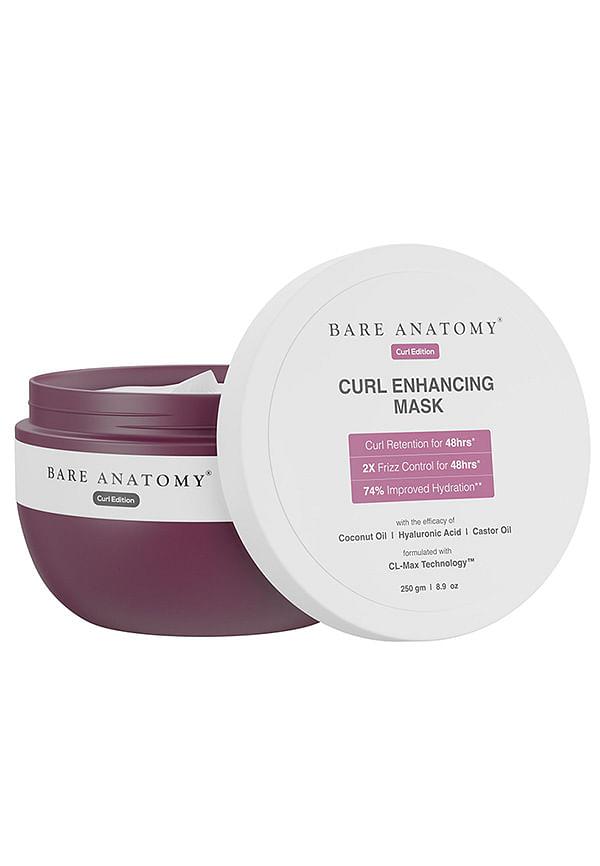
Curl Enhancing Hair Mask | Smoothens & Conditions Hair With Curl Retention
Good Product, Used Before
 4
4“it is good I have used it before”
Good Product, Used Before
4“it is good I have used it before”
Hydrating and Detangling
5“Very hydrating for your hair. It makes hair detangle”
If you've got curls, you know the daily drama. One day your hair looks like you stepped out of a magazine, the next it's giving mad scientist vibes. Real talk—curly hair is gorgeous but it's also high maintenance. The secret weapon that could change everything? A proper hair mask for curly hair. We're not talking about your basic five-minute conditioner here. We're diving deep into masks that actually understand what your curls need to thrive.
Let's get into the science bit without making it boring. Your curl structure is fundamentally different from straight hair, and that changes everything about how you should care for it. The twists and turns in each strand make it harder for natural oils to travel from your scalp down to the ends.
Think of straight hair like a smooth slide—oils glide right down. Curly hair? More like a spiral staircase. Those natural oils get stuck at every twist, leaving your ends desperately thirsty. This is why a regular curly hair treatment with intensive moisture is non-negotiable.
Curly hair has a naturally compromised cuticle layer. Those gorgeous spirals create weak points where moisture escapes easily. Without proper hydration, you're left with frizz, breakage, and curls that just won't cooperate.
Most mainstream haircare is designed for straight hair. They focus on adding shine and smoothness, not the deep hydration and curl definition your spirals desperately need. This is where a targeted approach makes all the difference.
Not all moisturizing hair mask ingredients are created equal. When you're dealing with curls, you need specific heroes that can penetrate deep and lock moisture in for the long haul.
The game-changers for curly hair include ingredients that actually understand your hair's unique structure. Let's break down what to look for and what to avoid.
Shea butter is your curl's best friend. It's rich, creamy, and penetrates deep without weighing your hair down. Unlike some heavy oils, shea butter actually absorbs into the hair shaft.
Coconut oil gets a lot of hype, but it's not for everyone. If your hair feels crunchy after using it, try lighter oils like argan or jojoba instead.
Hyaluronic acid isn't just for skincare. This moisture magnet can hold up to 1000 times its weight in water, making it perfect for a hydrating curly hair mask.
Damaged curls need protein to rebuild their structure. Look for hydrolysed proteins that are small enough to actually penetrate the hair shaft. Rice protein, silk protein, and keratin are your top picks.
Sulphates strip your hair of natural oils—exactly what curly hair can't afford to lose. Silicones can build up over time, creating a barrier that prevents moisture from getting in. Alcohol-based ingredients are another no-go for anyone serious about curl care.
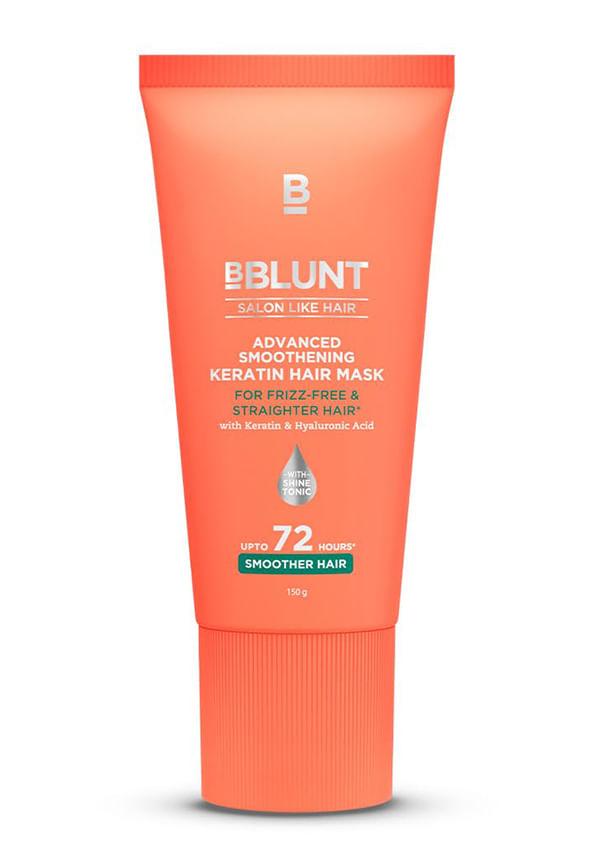
Advanced Smoothening Hair Mask with Keratin & Hyaluronic Acid
Great for Silky, Straight Hair
5“very nice for hair. happy to use this product for my hair . silky and straight hair”
Great Product, Loved It
5“very nice loved it very much great product”
Loved product, recommend it
5“I just loved the product nd totally recommend it”
The age-old question: should you whip up your own natural hair mask for curls or invest in a professionally formulated product? Both have their place in a solid curl routine.
DIY masks give you complete control over ingredients and are budget-friendly. Professional formulations offer advanced technology and consistent results every time.
Avocado and honey make an incredible nourishing mask for curly hair. Mash one ripe avocado with two tablespoons of raw honey for instant hydration.
Banana and olive oil create a protein-rich treatment. Blend one overripe banana with a tablespoon of olive oil for a mask that strengthens and moisturises simultaneously.
Commercial masks often include ingredients that are impossible to source at home. Advanced peptides, specialised proteins, and stabilised vitamins offer results that kitchen experiments can't match.
The consistency and pH balance of professional products are also optimised for hair health. This means better penetration and more predictable results.
Having the right curl enhancing hair mask is only half the battle. How you apply it determines whether you get salon-level results or just expensive disappointment.
Timing, technique, and preparation all matter when you're trying to get maximum impact from your mask. Let's break down the process step by step.
Start with damp, not soaking wet hair. Too much water dilutes your mask and prevents proper absorption. Gently squeeze out excess moisture with a microfibre towel.
Section your hair into manageable chunks. This ensures every curl gets attention and prevents you from missing spots.
Work the mask through each section using your fingers or a wide-tooth comb. Start from the mid-lengths and work down to the ends—your roots don't need the extra moisture.
For deep conditioning curly hair, focus on areas that feel particularly dry or damaged. These spots might need extra product and attention.
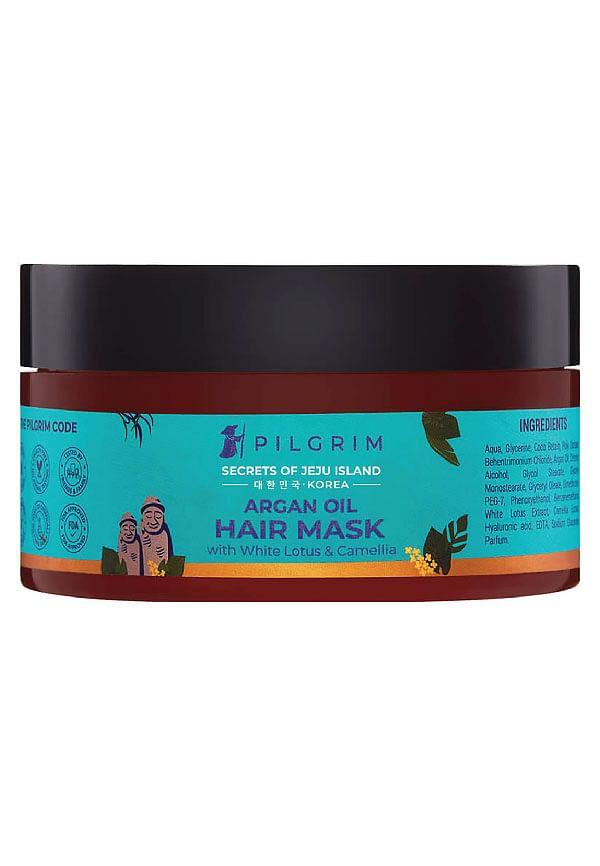
Intense Moisture Argan Oil Hair Mask For Dry & Frizzy Hair
Good Product Quality
5“very good quality of the product”
Nice Product, Smooth Performance
5“nice prodeuck with nice smell it work well very smooth”
Nice Product, Smooth Performance
5“nice prodeuck with nice smell it work well very smooth”
Most masks need 10-20 minutes to work their magic. Use this time wisely—pop on a shower cap to create warmth that helps the ingredients penetrate deeper.
For severely damaged hair, consider leaving your mask on for up to 30 minutes. Just make sure to check the product instructions first.
Not all curl problems are the same, and your mask strategy should reflect your specific needs. Whether you're dealing with frizz, damage, or undefined curls, there's a targeted approach that works.
Understanding your curl type and its unique challenges helps you choose the right treatment frequency and ingredients.
A frizz control hair mask should focus on smoothing the cuticle and providing long-lasting moisture. Look for ingredients like ceramides and fatty acids that help seal the hair shaft.
Apply your mask more frequently during humid weather or when your hair feels particularly unmanageable. Sometimes weekly treatments become necessary during challenging seasons.
Over-processed or heat-damaged curls need a curly hair repair mask with serious rebuilding power. Protein treatments become crucial here, but balance is key—too much protein makes hair brittle.
Alternate between protein and moisture treatments. One week focus on repair, the next on hydration.
For those wanting to encourage their natural curl pattern, look for masks with curl-defining polymers. These ingredients help your curls form more defined, uniform spirals.
A hair mask for defined curls often contains ingredients like flax seed gel or chia seed extract that naturally enhance curl formation.
Consistency beats intensity when it comes to curl care. A regular masking routine will always outperform sporadic intensive treatments.
Most curly hair benefits from weekly mask treatments, but your specific needs might vary. Pay attention to how your hair responds and adjust accordingly.
For most curl types, a weekly moisturizing hair mask keeps hair healthy and manageable. This prevents problems before they start rather than trying to fix damage after it happens.
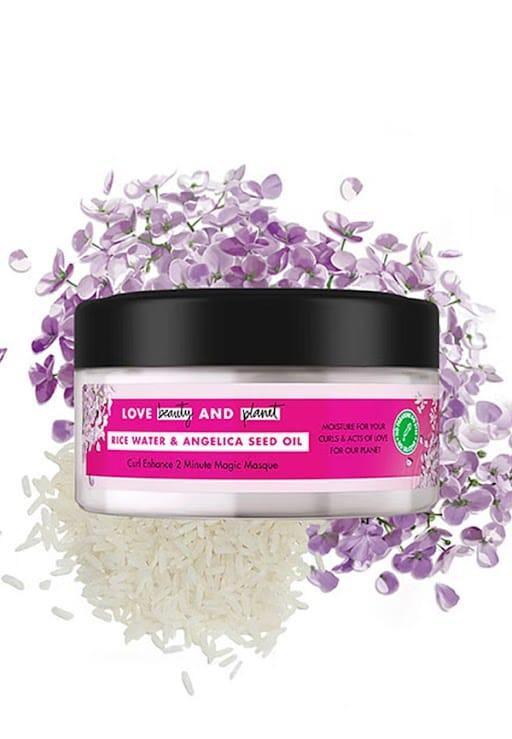
Rice Water & Angelica Seed Oil Curl Care Hair Mask
Choose lighter masks for weekly use to avoid over-conditioning, which can make hair limp and lifeless.
Once a month, treat your curls to an intensive deep conditioning curly hair session. These treatments can be heavier and more protein-rich than your weekly maintenance masks.
Monthly treatments are perfect for addressing seasonal changes or recovering from styling damage.
Your mask routine works best when supported by curl-friendly daily habits. Sleep on silk pillowcases, use microfibre towels, and avoid brushing dry curls.
Protecting your curls between treatments is just as important as the treatments themselves. The right daily routine extends the benefits of your weekly mask sessions.
Finding the perfect mask for your curls doesn't have to involve endless expensive experiments. Platforms like Smytten let you try mini versions of different masks before committing to full sizes. With trial packs from trusted brands, you can discover what works for your specific curl type without the financial risk.
The best mask depends on your specific curl type and concerns. Look for masks with moisturising ingredients like shea butter and hyaluronic acid for dry curls, or protein-rich formulas for damaged hair. The key is finding what works for your unique curl pattern.
Most curly hair benefits from weekly mask treatments. If your hair is severely damaged or very dry, you might need twice-weekly applications initially. Listen to your hair—if it starts feeling heavy or limp, reduce frequency.
Absolutely! Curly hair needs the same care regardless of gender. Men with curls benefit just as much from regular masking routines. The techniques and ingredients work the same way for everyone.
Natural ingredients can be very effective, but they're not automatically better than synthetic ones. The best masks often combine natural moisturisers with scientifically developed actives. Focus on what works for your hair rather than the ingredient source.
Taming frizzy curls isn't about fighting your natural texture—it's about giving your hair what it needs to thrive. A proper hair mask for curly hair routine can transform unmanageable frizz into defined, healthy spirals.
Remember that consistency matters more than perfection. Start with weekly treatments and adjust based on how your hair responds. Whether you choose DIY recipes or professional formulations, the key is understanding your curl's unique needs and addressing them regularly.
Your curl journey is personal, and what works for others might not work for you. That's where exploring different options becomes valuable. With platforms offering trial-sized products, you can experiment with various masks and treatments without breaking the bank. After all, why settle for maybe when you can find what actually works for your curls?
