How to Tame Frizz in High Humidity Naturally


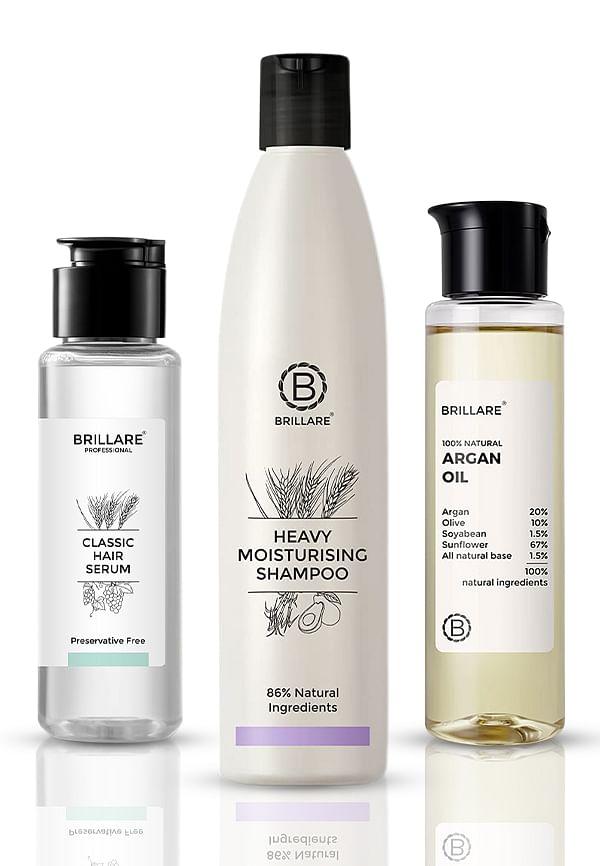
Frizz-Free Hydration Hair Care Kit
Routine for Frizz, Shine, Manageability - Temporary Results
 5
5“Complete routine that smoothens frizz, adds shine, and improves manageability. Works well for dry, rough hair, but results are temporary and need regular use. Some kits may feel heavy on oily scalp.”
Mixed feelings about product set
4“overall the oil and shampoo is best but not sure about serum. Liked it!”
Hydrating Shampoo - Good for Dry Hair
5“nice shampoo hydrating not for oily scalp”
Let's be real—high humidity and frizzy hair are basically arch-enemies. One step outside on a muggy day, and your perfectly styled locks transform into something that looks like you've been struck by lightning. But here's the thing: you don't need to surrender to the weather or spend a fortune on chemical treatments. Natural frizz tamers for high humidity can be absolute game-changers, and most of them are probably sitting in your kitchen right now. Whether you're dealing with waves that won't behave or curls that have completely lost the plot, we're about to dive into science-backed methods that actually work. Ready to discover how to keep your hair smooth and manageable, even when the air feels like soup?
Before we jump into solutions, let's understand what's actually happening to your hair when humidity levels spike. Your hair shaft is covered in tiny scales called cuticles, and when these are damaged or naturally porous, they act like tiny sponges. In high humidity, these cuticles absorb moisture from the air, causing the hair shaft to swell unevenly—and that's where frizz is born.
The science gets even more interesting when you consider that humidity resistant hair isn't just about genetics. Hair that's been chemically processed, heat-damaged, or even just naturally coarse tends to have more lifted cuticles, making it a magnet for atmospheric moisture. This is why some people can walk through a rainforest looking like they stepped out of a salon, while others start frizzing up at 60% humidity.
Different hair types react differently to moisture in the air. Fine hair might become limp and lose its shape, while thick, coarse hair can expand dramatically. Curly and wavy hair textures are particularly vulnerable because their natural structure already creates more opportunities for cuticles to lift. Understanding your hair's specific reaction to humidity is the first step in choosing the right haircare for frizzy hair approach.
Your kitchen is basically a treasure trove of natural ingredients that can help you achieve smooth, manageable hair. These DIY solutions work by either sealing the hair cuticle, adding protective barriers, or providing the right balance of moisture and protein that your hair needs to stay calm in humid conditions.
Coconut oil is brilliant because its molecular structure allows it to actually penetrate the hair shaft rather than just sitting on top. Apply a small amount to damp hair about 30 minutes before washing, focusing on mid-lengths and ends. This creates a protective barrier that helps prevent excessive moisture absorption from humid air.
Mix one part apple cider vinegar with three parts water for a final rinse after shampooing. The acidic pH helps flatten and seal the hair cuticles, creating a smoother surface that's less likely to absorb humidity. Your hair will feel softer and look shinier too.
Pure aloe vera gel works as an excellent natural frizz control serum. It provides light hold without the crunch, and its film-forming properties create a protective layer around each strand. Mix it with a few drops of your favourite hair oil for added nourishment.
Boil two tablespoons of flaxseeds in one cup of water until it becomes gel-like. Strain and cool. This natural gel provides hold and moisture while creating a humidity barrier. It's particularly effective for curly hair that needs definition without the frizz.
Brew strong green tea, let it cool, then mix with raw honey. The antioxidants in green tea help repair damaged cuticles, while honey acts as a humectant that draws moisture from the air into your hair—but in a controlled way that prevents frizz.
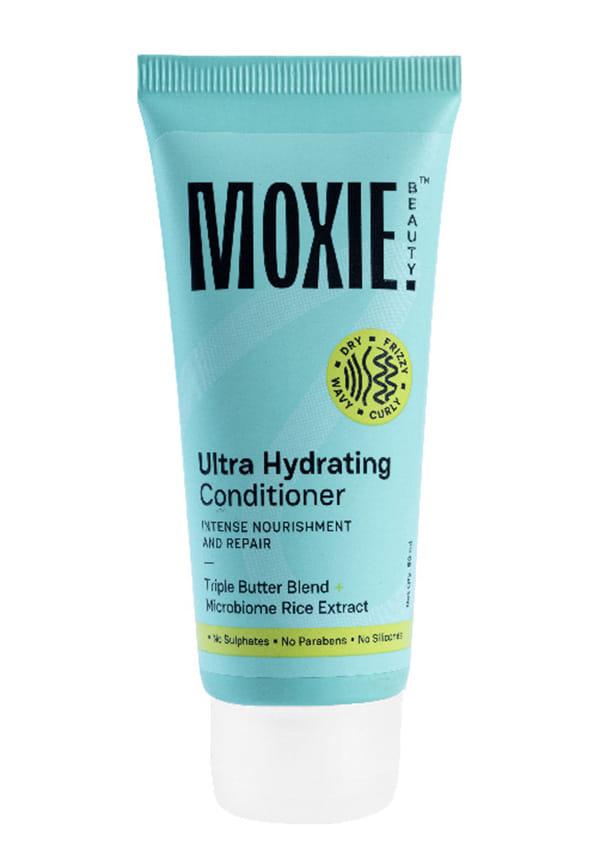
Ultra Hydrating Conditioner for Dry and Frizzy Hair
Hydrating and Smooth
5“very hydrating and smooth after using”
Hydrating and Smooth
5“very hydrating and smooth after using”
Hydrating and Smooth
5“very hydrating and smooth after using”
While natural remedies are fantastic, sometimes you need the convenience and consistency of well-formulated products. The key is knowing what ingredients to look for and which ones to avoid when shopping for anti frizz products.
When exploring new products, platforms like Smytten make it incredibly easy to test different formulations without committing to full sizes. With over 1,500 trusted brands available in trial sizes, you can experiment with various smooth hair solutions until you find your perfect match.
Look for serums containing natural oils like argan, jojoba, or marula. These provide smoothing benefits without the buildup that traditional silicones can cause. They're particularly good for fine hair that gets weighed down easily.
Lightweight oils like grapeseed or sweet almond oil can be applied to damp hair for frizz control. They seal the cuticle without making hair greasy, and they're much more affordable than many commercial serums.
Products with ingredients like shea butter, coconut oil, and plant proteins provide both moisture and protection. The best anti frizz creams work by creating a flexible film around the hair shaft that moves with your hair rather than making it stiff.
Harsh sulfates can strip your hair of natural oils, making it more susceptible to humidity. Gentle, sulfate-free formulas clean effectively while maintaining your hair's natural moisture balance.
Professional hair smoothing treatments can be expensive and often contain harsh chemicals. Fortunately, there are several effective techniques you can do at home to achieve smoother, more manageable hair.
The key to successful at-home treatments is consistency and understanding what your hair actually needs. Some hair requires more protein to strengthen damaged cuticles, while other hair types need intense moisture to prevent dryness-induced frizz.
Use a deep conditioning mask once a week, focusing on damaged areas. Look for ingredients like keratin, silk proteins, or natural oils. Apply to damp hair, cover with a shower cap, and let it work for 15-20 minutes before rinsing.
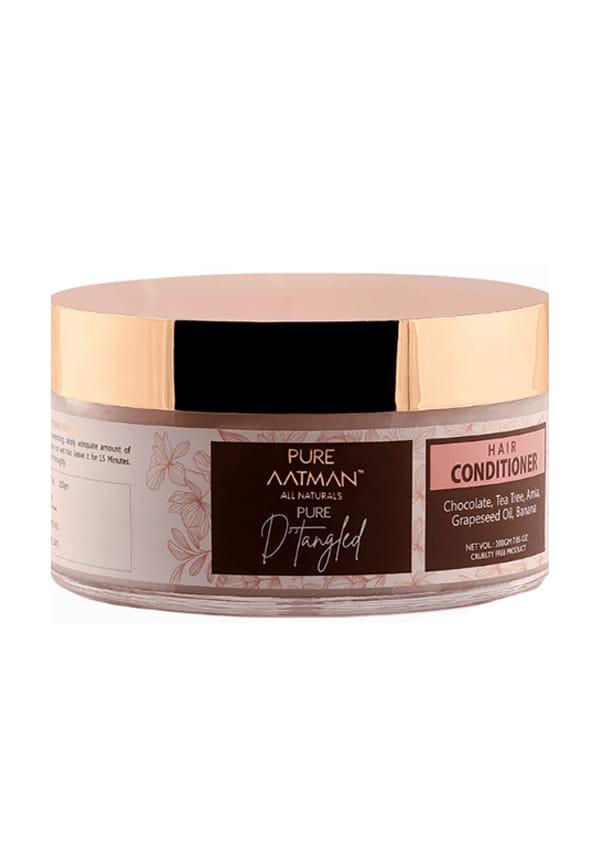
Hair Conditioner for women men|dry frizzy hair Conditioner
Overly dry hair needs moisture-rich treatments, while damaged hair often needs protein to fill in gaps in the cuticle. Pay attention to how your hair feels—if it's stretchy when wet, you need protein. If it feels brittle, you need moisture.
Finish your hair wash with the coldest water you can tolerate. This helps seal the cuticles and lock in your conditioning treatment, creating a smoother surface that's more resistant to humidity.
Regular towels can rough up the hair cuticle and create frizz. Microfibre towels or even cotton t-shirts are much gentler and help maintain smooth hair texture from the start of your styling routine.
Sleeping on silk or satin reduces friction that can cause frizz overnight. It's a simple change that can make a significant difference in how your hair looks in the morning, especially in humid weather.
Even the best frizz fighting hair products won't work if you're not applying them correctly. The way you handle your hair during styling can make or break your humidity resistance for the entire day.
These techniques work because they minimise disruption to the hair cuticle and help products distribute evenly for maximum effectiveness. The goal is to create humidity proof hair that maintains its style throughout the day.
Instead of scrunching products into your hair, smooth them down the hair shaft with your palms pressed together like you're praying. This technique helps seal the cuticle and prevents frizz-causing friction.
After applying your styling products, wrap your hair in a cotton t-shirt and let it absorb excess water without disturbing your curl pattern. This helps curls form properly while preventing frizz.
In high humidity, air drying can sometimes make frizz worse. Using a diffuser on low heat and low speed can help set your style while minimising moisture absorption from the air.
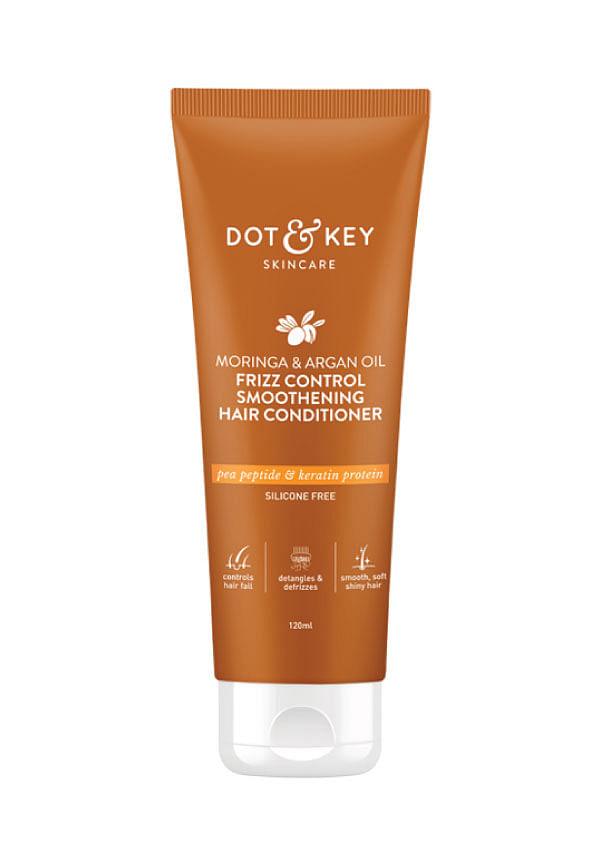
Moringa & Argan Frizz Control Smoothing Hair Conditioner
Smooth Texture, Reduces Frizz
4“very smotth texture. reduce freeze”
Good but Pricey Product
4“Liked it. Good product but pricy”
Good for Silky Hair With Conditioner
5“it is good to use and it made my hair silky but with conditioner only , don't use it without conditioner otherwise it will make your hair freezy, otherwise it is good to use, go for it.”
Braids, buns, and other protective styles can shield your hair from humidity while looking polished. The key is not pulling too tightly, which can cause breakage and more frizz later.
Keep a small bottle of diluted leave-in conditioner or a travel-size anti-frizz serum for midday touch-ups. Sometimes a light misting and gentle smoothing is all you need to refresh your style.
Natural treatments typically provide 6-12 hours of frizz control, depending on humidity levels and your hair type. Reapplication might be needed for all-day protection in extremely humid conditions.
Yes, but layer them from lightest to heaviest. Start with a leave-in conditioner, add a light oil or serum, and finish with a styling cream if needed. Too many products can weigh hair down.
Apply a small amount of natural oil to your ends, sleep on a silk pillowcase, and consider a loose protective style like a silk scrunchie ponytail or loose braid to prevent friction.
Most hair types benefit from deep conditioning once a week. If your hair is severely damaged or very dry, you might need twice-weekly treatments until the condition improves.
Not necessarily. Many affordable products work just as well as luxury options. The key is finding the right ingredients for your hair type rather than focusing on price. Trial sizes let you test effectiveness before investing in full sizes.
All hair types can benefit, but those with chemically processed, heat-damaged, or naturally coarse hair often see the most dramatic improvements from consistent natural treatments.
Taming frizz in high humidity doesn't have to involve harsh chemicals or expensive salon treatments. With the right combination of natural ingredients, proper techniques, and suitable products, you can achieve smooth, manageable hair that stays put even when the weather doesn't cooperate.
The key is understanding your hair's specific needs and being consistent with your routine. What works for your friend might not work for you, and that's completely normal. This is where platforms like Smytten become invaluable—with trial packs from over 1,500 trusted brands, you can experiment with different frizz tamers for high humidity without the commitment of full-size purchases. Whether you're exploring natural oils, testing new serums, or trying different styling creams, having access to mini sizes means you can find your perfect tame frizzy hair routine without breaking the bank.
Remember, healthy hair is always easier to manage than damaged hair. Focus on gentle, nourishing treatments that repair and protect your hair cuticles, and you'll find that humidity becomes much less of an enemy. Your hair might even start to look better in slightly humid conditions once it's properly moisturised and protected. After all, why settle for frizzy hair when you can discover products and techniques that actually work for your unique needs?
