How to Stop Winter Hair Fall: Expert Solutions

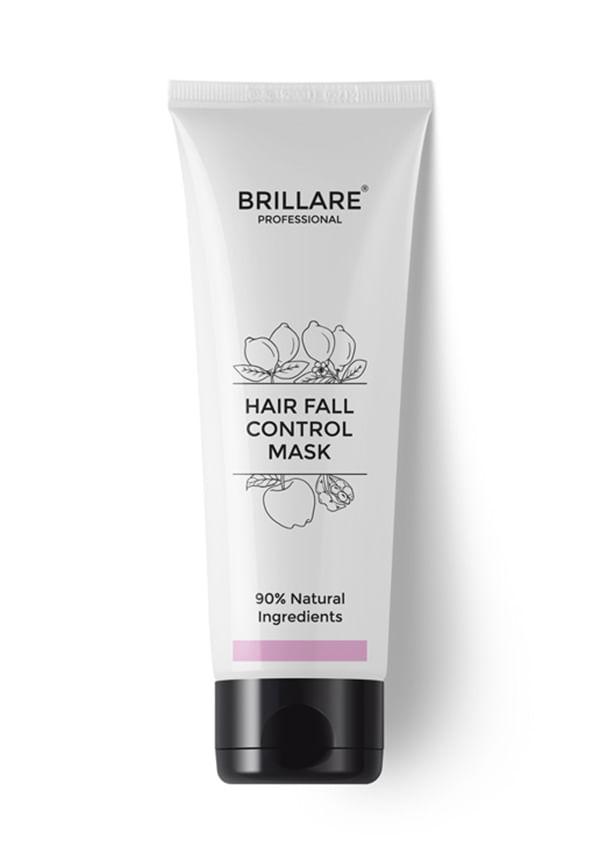
Hair Fall Control Mask To Reduce Seasonal Hair Fall
Great Hair Mask and Shampoo
 5
5“Must buy and a very food and effective hair mask Shampoo is good too”
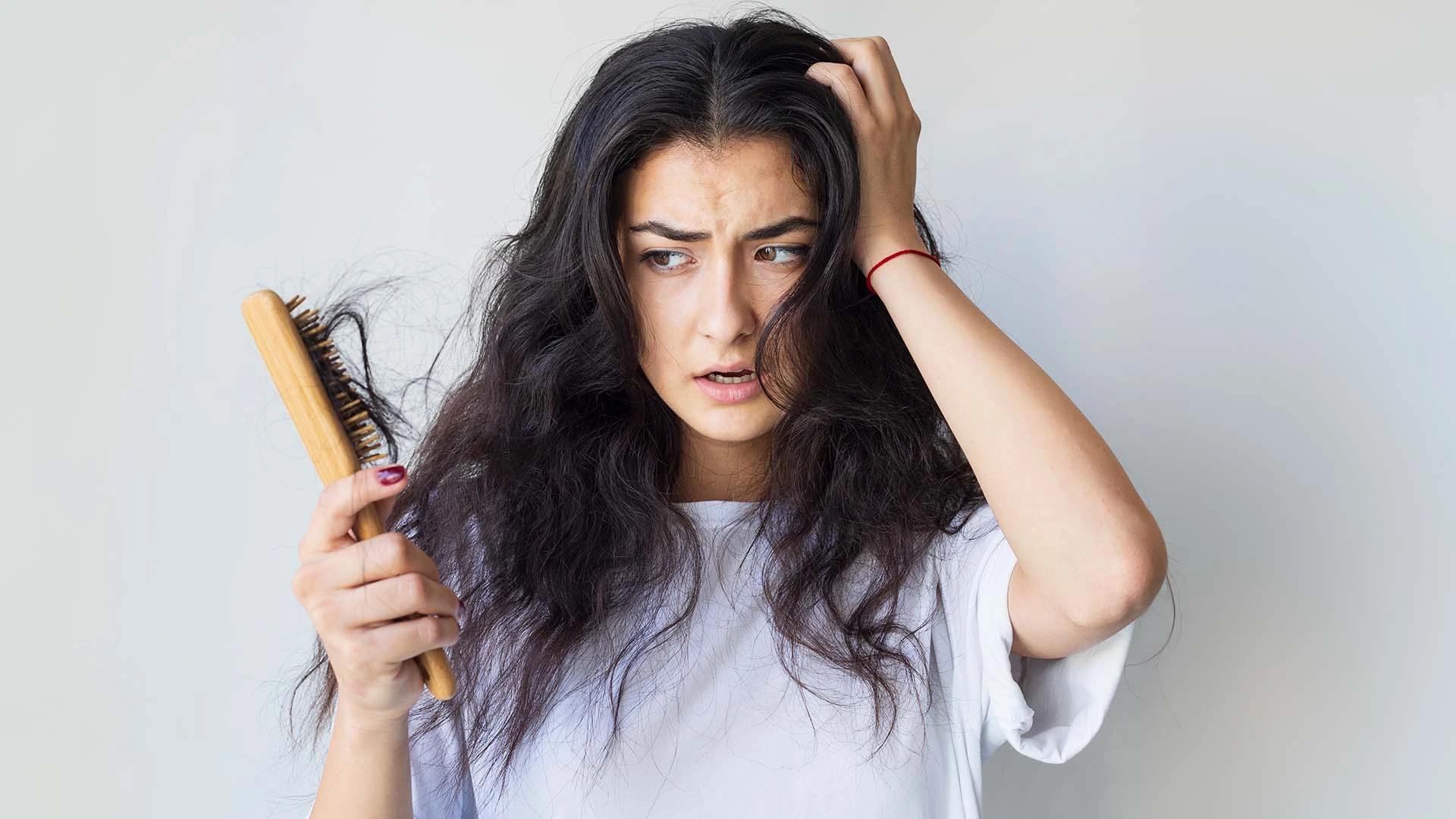
Winter brings cosy sweaters and hot chocolate, but it also brings something less welcome—increased hair fall. If you've noticed more strands on your pillow or in the shower drain lately, you're not alone. The cold months can be particularly harsh on our hair, leaving many women searching for effective winter hair fall solutions for women. The good news? With the right approach, you can protect your locks and keep them healthy all season long. Let's dive into expert-backed strategies that actually work.
Understanding the root hair fall causes during winter is your first step towards solving the problem. Winter weather creates a perfect storm of conditions that stress your hair and scalp in ways that warmer months simply don't. Cold air holds significantly less moisture than warm air, which means your hair is constantly battling dehydration. When you step outside, the dry winter air literally sucks moisture from your hair shaft, leaving it brittle and prone to breakage. Add indoor heating systems to the mix, and you've got a double whammy—these systems further strip humidity from the air, creating an environment where your hair struggles to maintain its natural moisture balance. Your scalp also takes a hit during winter months. Reduced blood circulation due to cold temperatures means fewer nutrients reach your hair follicles. This can weaken the hair at its root, making it more likely to fall out prematurely. Plus, many of us experience vitamin D deficiency during winter due to limited sun exposure, which can directly impact hair growth cycles.
Smart winter hair care tips can make all the difference between healthy hair and a season of frustration. The key is adjusting your routine to work with winter's challenges, not against them. First up, let's talk washing frequency. You might think washing less often helps retain moisture, but actually, a clean scalp is crucial for healthy hair growth. Aim to wash your hair 2-3 times per week with lukewarm water—hot water strips natural oils and can worsen dry scalp remedies needs. When you do wash, focus the shampoo on your scalp rather than the lengths of your hair. Protective styling becomes your best friend during winter. Think loose braids, silk scarves, or satin-lined hats that create a barrier between your hair and harsh elements. Tight ponytails or harsh elastic bands can cause additional breakage when your hair is already vulnerable.
Keep your styling tools on lower heat settings. Your hair is already dealing with environmental stress, so adding excessive heat from blow dryers or straighteners can push it over the edge.
Consider using a humidifier in your bedroom. This simple addition can help maintain moisture levels in the air, benefiting both your hair and skin.
When basic care isn't enough, targeted hair loss treatment approaches can help restore your hair's health. The good news is that winter-related hair fall is typically temporary and responds well to consistent treatment. Scalp massage emerges as one of the most effective and accessible treatments. Regular scalp massage benefits include improved blood circulation, which helps deliver nutrients to hair follicles. Spend 5-10 minutes daily gently massaging your scalp with your fingertips—no nails, as these can cause micro-tears. Oil treatments work particularly well during winter months. Warm coconut, argan, or jojoba oil applied to your scalp and hair 30 minutes before washing can provide deep nourishment. These oils penetrate the hair shaft and help repair damage from environmental stressors. If you're experiencing significant hair loss, don't hesitate to consult a dermatologist. They can rule out underlying conditions and recommend professional treatments like scalp therapy or prescription solutions if needed.
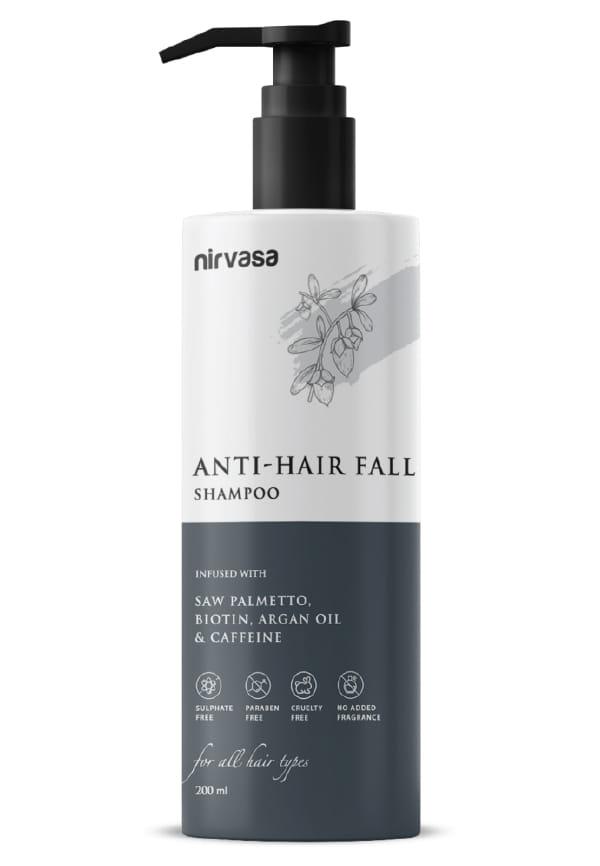
Anti-Hair Fall Shampoo for Men and Women
Good Quality, Small Quantity
5“it was great nice and quality , but the quantity is low comparatively but okay... good for hairfall”
A healthy scalp is the foundation of healthy hair, making dry scalp remedies essential during winter months. When your scalp is dry and irritated, it can't properly support hair growth, leading to increased shedding and breakage. Gentle exfoliation once a week can help remove dead skin cells and product buildup that might be clogging hair follicles. You can create a simple scrub using brown sugar and your regular shampoo, or look for products specifically designed for scalp exfoliation. Hair breakage prevention requires a multi-pronged approach. Start by identifying whether you're dealing with breakage or actual hair loss—broken hairs typically have uneven, jagged ends, while naturally shed hairs have the root attached.
Coconut oil works brilliantly for both scalp health and hair strength. Its molecular structure allows it to penetrate the hair shaft better than many other oils.
Try mixing honey with olive oil for a nourishing scalp treatment. Honey has antimicrobial properties, while olive oil provides deep moisture.
Choosing the right hair strengthening products can feel overwhelming, but focusing on key ingredients makes the process simpler. Look for products containing biotin, keratin, and protein—these building blocks help repair and strengthen damaged hair. Deep conditioning treatments become non-negotiable during winter. Aim for a intensive conditioning session once a week, focusing the product on mid-lengths to ends rather than your roots. Leave-in treatments can provide ongoing protection throughout the day. Hair hydration methods extend beyond just using conditioner. Consider the LOC method—liquid (water-based leave-in), oil, and cream—to lock in moisture effectively. This layering technique helps create a barrier that prevents moisture loss throughout the day.
Overnight hair masks can work wonders for severely dehydrated hair. Apply a nourishing treatment before bed and cover with a silk scarf or bonnet.
Always apply products to damp hair for better absorption. Work products through with your fingers or a wide-tooth comb to ensure even distribution.
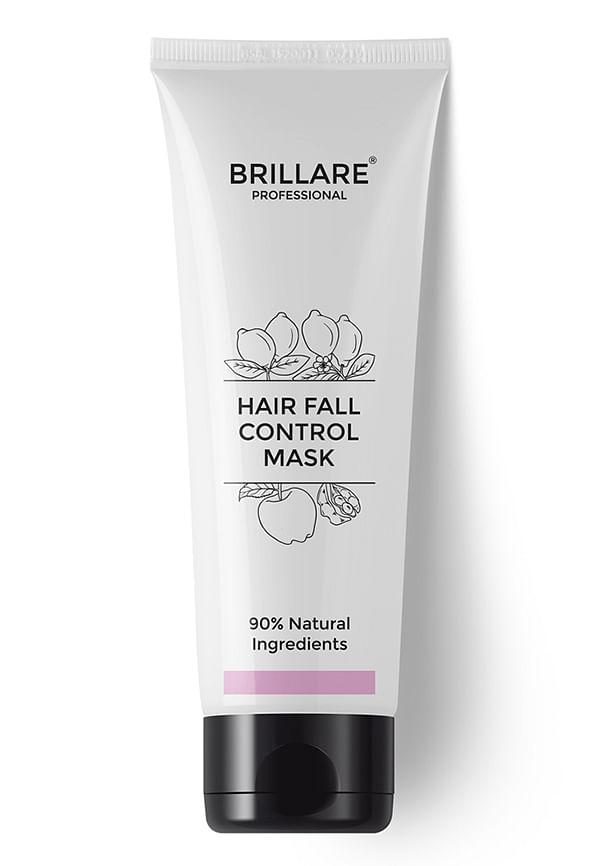
Conditioner To Reduce Seasonal Hair Fall
Good Hair Mask
5“over all good hair mask , must buy”
Great smell and conditioning
5“smells soo good and good conditioner”
Nourishing and repairs split ends
5“it's get nourishing and remove split end”
Your hair reflects your overall health, making a healthy hair diet crucial for combating winter hair fall. During colder months, your body needs extra support to maintain healthy hair growth cycles. Protein intake becomes particularly important since hair is primarily made of keratin, a protein. Include lean meats, fish, eggs, legumes, and nuts in your daily meals. Iron deficiency is a common cause of hair loss in women, so incorporate iron-rich foods like spinach, lentils, and lean red meat. Vitamin D supplementation might be necessary during winter months when sun exposure is limited. This vitamin plays a crucial role in hair follicle health and growth cycles. Omega-3 fatty acids from fish, walnuts, and flaxseeds help maintain scalp health and add shine to your hair. Hydration remains critical even when you don't feel as thirsty as in summer. Aim for 8-10 glasses of water daily to support healthy hair growth from the inside out.
Biotin, vitamin C, and zinc all support healthy hair growth and can help combat seasonal hair loss.
Winter can bring additional stress, which directly impacts hair health. Practice stress-reduction techniques like meditation or yoga.
Split ends repair requires both immediate action and long-term prevention strategies. Once hair splits, the only permanent solution is trimming, but you can temporarily seal splits with targeted treatments. Regular trims every 6-8 weeks prevent splits from travelling up the hair shaft and causing more damage. During winter, you might need slightly more frequent trims due to increased dryness and breakage. Protein treatments can help strengthen hair and prevent future splitting. However, use these sparingly—too much protein can make hair brittle. Balance protein treatments with moisturising treatments for optimal results. When exploring different hair strengthening products and treatments, having access to trial sizes can be incredibly helpful. This allows you to test what works for your specific hair type without committing to full-size products that might not suit you.
Always use a heat protectant before styling, and try to air-dry when possible to minimise heat damage.
Loose braids and buns can protect hair ends from environmental damage and friction.
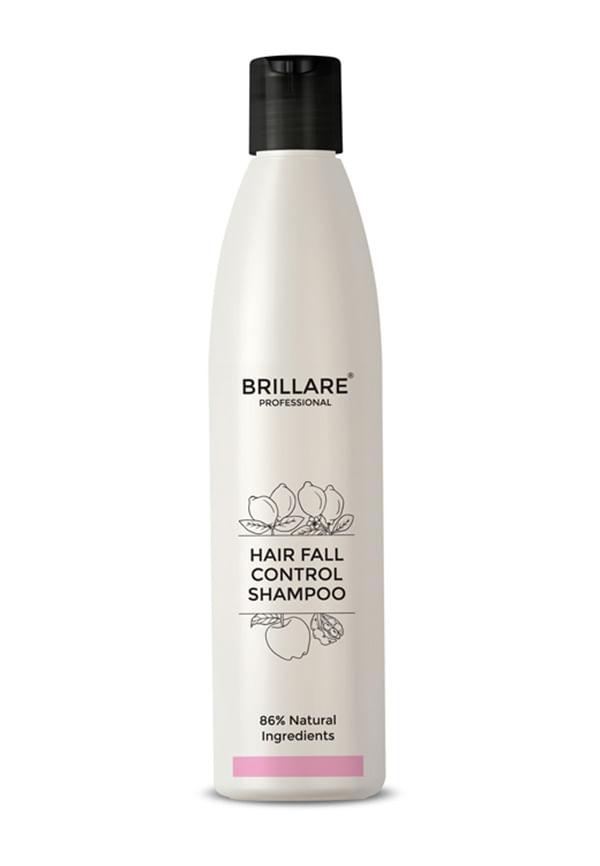
Shampoo To Reduce Seasonal Hair Fall
Helps in Hairfall Control
5“it actually helps in controlling hairfall”
Brillare products are very good
4“brillare all products are very good.i like it”
Nice Product, Must Try
5“nice product everyone must try once”
Winter hair fall usually peaks during the coldest months and gradually improves as weather warms up. With proper care, you should see improvement within 4-6 weeks of starting a targeted routine.
No, winter-related hair fall is typically temporary and reversible with proper care. However, if hair loss continues beyond seasonal changes, consult a healthcare professional.
Vitamin D, biotin, iron, and omega-3 fatty acids are particularly beneficial during winter months. Consider a comprehensive hair vitamin or speak with your doctor about supplementation.
Most hair types benefit from washing 2-3 times per week during winter. Overwashing can strip natural oils, while underwashing can lead to scalp issues.
Yes, seasonal affective disorder and holiday stress can contribute to increased hair fall. Managing stress through exercise, adequate sleep, and relaxation techniques can help.
Consult a dermatologist if you're losing more than 100 hairs daily, notice bald patches, or if hair loss continues despite consistent care routines.
Winter hair fall doesn't have to be an inevitable part of the season. With the right combination of protective care, nourishing treatments, and lifestyle adjustments, you can maintain healthy, strong hair even during the harshest months. Remember, consistency is key when implementing these winter hair fall solutions for women. Start with basic changes like adjusting your washing routine and incorporating scalp massage, then gradually add more intensive treatments as needed. When you're ready to explore new hair strengthening products or treatments, Smytten offers an excellent way to discover what works for your hair without the commitment of full-size purchases. With curated trial packs from trusted haircare brands, you can test different solutions until you find your perfect winter hair care routine. After all, why settle for 'maybe' when you can try it all and find what truly works for your unique hair needs?
