How to Stop Hair Thinning: Proven Prevention Strategies


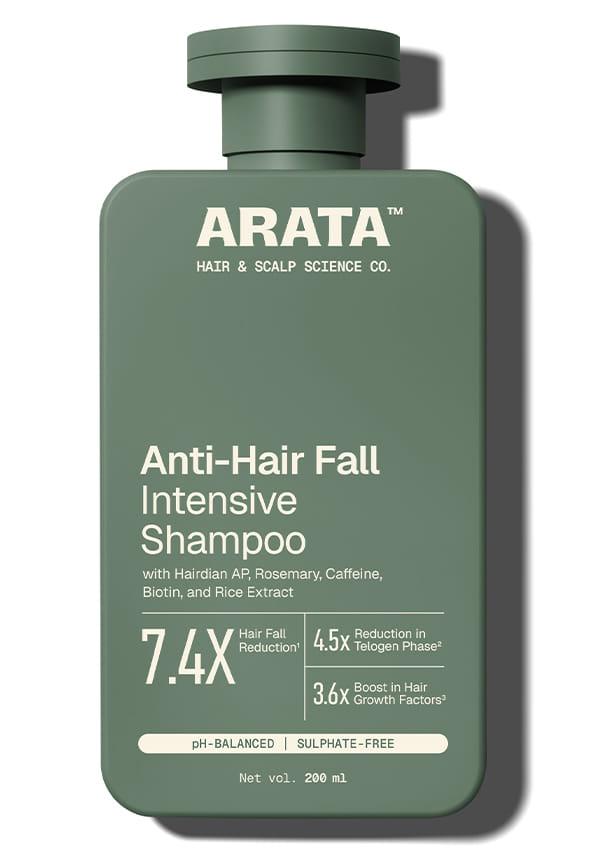
Anti-Hair Fall Intensive Shampoo | Hairdian AP, Caffeine & Rosemary | Hair Fall Reduction | Boost in Hair Growth Factors | Paraben & Sulphate-Free Sh
Needs more usage time
 4
4“ek hi bar hairwash kiya hai toh utna samjh nhi aya but 1-2week use krne ke bad hi samjh ayega”
Nice Shampoo, Reduces Hair Fall
4“Nice shampoo smells good reducing hair fall”
Needs more usage time
4“ek hi bar hairwash kiya hai toh utna samjh nhi aya but 1-2week use krne ke bad hi samjh ayega”
Let's be real—watching your hair thin out is proper stressful. Whether you're noticing more strands in the shower drain or your parting's looking a bit wider than usual, hair thinning affects millions of people worldwide. The good news? There are proven strategies to help slow down, stop, or even reverse this process. From understanding the root causes to implementing effective prevention techniques, this guide covers everything you need to know about maintaining healthy, thick hair. At Smytten, we've seen countless users discover their perfect haircare routine through trial packs, finding products that actually work for their specific hair concerns. Ready to take control of your hair health? Let's dive into the science-backed methods that can help you keep your locks looking their best.
TL;DR
Hair thinning has multiple causes including genetics, hormones, nutrition, and lifestyle factors that can be addressed with targeted strategies
Gentle hair handling, proper nutrition, and stress management form the foundation of effective hair thinning prevention
Both natural remedies and medical treatments offer proven results, with combination approaches often being most effective
Gender-specific prevention strategies address unique hormonal and genetic factors affecting men and women differently
Creating a personalised prevention plan with realistic expectations leads to better long-term results
Before diving into prevention strategies, it's crucial to understand what's actually happening when your hair starts thinning. Hair thinning differs from complete hair loss—it's a gradual reduction in hair density and thickness rather than sudden bald patches. Your hair naturally goes through cycles of growth, rest, and shedding, but when this balance shifts, you might notice more hair falling out than growing back.
The causes of hair thinning are surprisingly varied, and often multiple factors work together to affect your hair health. Genetics plays a massive role—if your parents or grandparents experienced hair thinning, you're more likely to face similar challenges. Male pattern baldness and female pattern hair loss are hereditary conditions that affect millions worldwide.
Hormonal changes can wreak havoc on your hair too. Thyroid disorders, menopause, pregnancy, and conditions like PCOS can all trigger hair thinning. Your hormones directly influence hair growth cycles, so when they're out of balance, your hair often shows the first signs.
Catching hair thinning early gives you the best chance of successful prevention. Watch out for increased hair in your shower drain, on your pillow, or stuck in your hairbrush. Your parting might start looking wider, or you might notice your scalp becoming more visible through your hair. These signs don't mean you're destined for significant hair loss, but they're your cue to start taking action.
Your daily hair care routine can either support healthy hair growth or contribute to further thinning. The key lies in treating your hair and scalp with the gentleness they deserve whilst providing the right nutrients and protection.
Rough handling is one of the quickest ways to damage already fragile hair. Instead of vigorously rubbing your hair with a towel after washing, gently pat it dry or wrap it in a microfibre towel. When detangling, use a wide-tooth comb and start from the ends, working your way up to avoid unnecessary breakage.
Your shampoo choice matters more than you might think. Harsh sulfates can strip your hair of natural oils, leaving it brittle and prone to breakage. Look for gentle, sulfate-free formulas that clean without over-drying. Don't wash daily unless your hair type specifically requires it—most people benefit from washing every 2-3 days.
Conditioning is equally important for hair strengthening remedies. Apply conditioner from mid-length to ends, avoiding the roots to prevent weighing down your hair. Leave-in treatments can provide extra protection and moisture throughout the day.
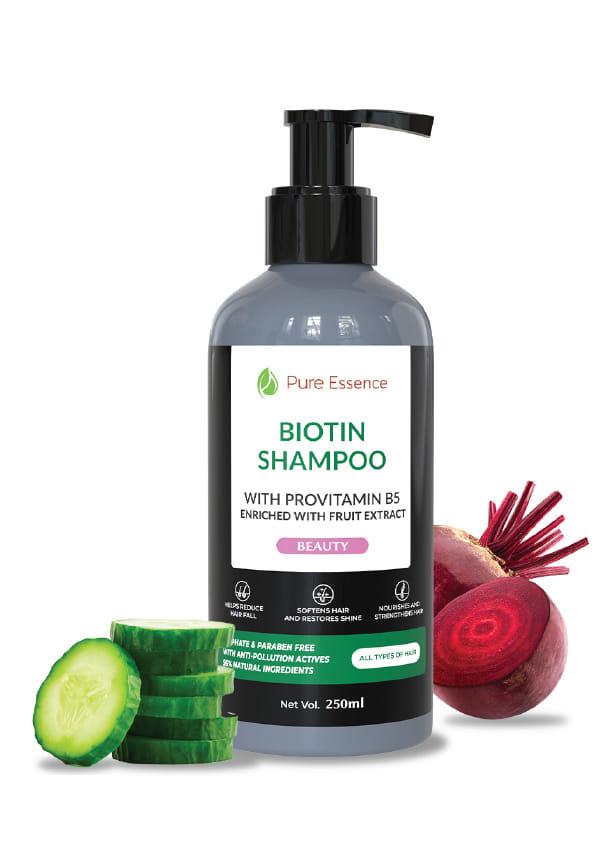
Biotin Shampoo | Softens Hair | Nourishes Scalp | Lowers Hairfall
Positive Product Review
5“Good product, thank you for the support”
Positive Product Experience
5“it's better experience everything in this product is soo nice good worth it ❤️”
Heat styling tools are major culprits in hair damage and thinning. If you must use them, always apply a heat protectant product first and keep temperatures below 180°C. Better yet, embrace air-drying techniques and heat-free styling methods. Your hair will thank you for the break from constant heat exposure.
What you eat directly impacts your hair health. Your hair follicles are among the most active cells in your body, requiring a steady supply of nutrients to function properly. Deficiencies in key vitamins and minerals can quickly lead to hair thinning and poor hair quality.
Protein forms the building blocks of your hair, so ensuring adequate intake is crucial. Aim for lean sources like chicken, fish, eggs, and legumes. Iron deficiency is particularly common in women and can significantly impact hair growth—include iron-rich foods like spinach, lentils, and lean red meat in your diet.
Biotin, vitamin D, and omega-3 fatty acids also play vital roles in maintaining healthy hair follicles. These nutrients support scalp circulation and provide the foundation for strong, thick hair growth.
Stress management isn't just good for your mental health—it's essential for preventing hair thinning. Chronic stress can push hair follicles into a resting phase, leading to increased shedding. Regular exercise, meditation, and adequate sleep all contribute to better hair health by reducing stress hormones and improving circulation.
Sometimes the best solutions are found in your kitchen cupboard. Natural remedies have been used for centuries to promote hair health, and modern research backs up many traditional approaches. These gentle treatments can complement your regular hair care routine without harsh chemicals.
Regular scalp massage isn't just relaxing—it's one of the most effective ways to stimulate blood flow to your hair follicles. Spend 5-10 minutes daily gently massaging your scalp with your fingertips. Adding essential oils like rosemary or peppermint can boost the benefits, as these oils have been shown to promote hair growth.
Aloe vera gel makes an excellent scalp treatment, providing moisture and reducing inflammation that might inhibit hair growth. Coconut oil offers deep conditioning benefits and can help prevent protein loss from your hair shaft. For a protein boost, try an egg mask—the proteins in eggs can temporarily fill in gaps in damaged hair cuticles.
Onion juice might sound unusual, but research suggests it can stimulate hair regrowth when applied to the scalp regularly. The sulfur compounds in onions may help improve circulation and provide nutrients to hair follicles.
When natural approaches aren't enough, medical treatments offer proven results for hair thinning prevention. These best treatments for thinning hair have undergone rigorous testing and can provide significant improvements when used correctly.
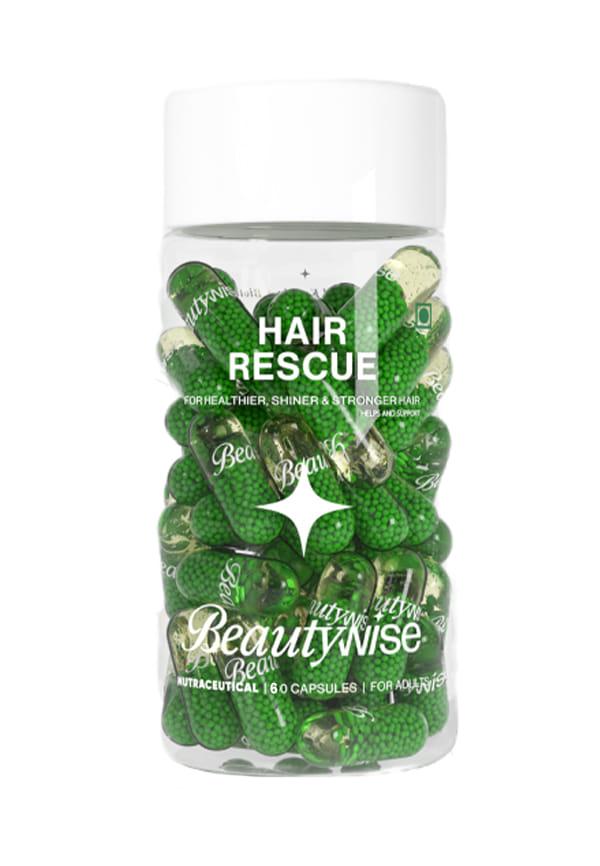
Hair Rescue, Hair Aminos, Vitamins, DHT Blocker for Hairfall Control & Growth
Good product, slow hair growth
4“good product but slow process of growth of hair”
Hair Improvement
5“my hair are improving day by day.”
Minoxidil, available as Rogaine and other brands, is FDA-approved for both men and women. This topical treatment works by extending the growth phase of hair follicles and increasing blood flow to the scalp. Results typically become visible after 3-6 months of consistent use, but patience is key—stopping treatment usually reverses any gains.
For more advanced hair thinning, prescription options like finasteride can be highly effective for preventing male pattern baldness. This medication blocks the hormone DHT, which contributes to hair follicle miniaturisation. Women may benefit from hormonal treatments, particularly if hair thinning is related to menopause or PCOS.
Professional procedures like PRP therapy use your own blood platelets to stimulate hair growth, whilst low-level laser therapy can help rejuvenate dormant follicles. These treatments require professional supervision but can offer impressive results for suitable candidates.
Men and women experience hair thinning differently, requiring tailored approaches for optimal results. Understanding these differences helps you choose the most effective prevention strategies for your specific situation.
Male pattern baldness typically follows predictable patterns, starting with a receding hairline or crown thinning. Early intervention is crucial—the sooner you start treatment, the better your chances of maintaining your existing hair. DHT-blocking treatments, both topical and oral, form the cornerstone of male hair loss prevention.
Female hair thinning often presents as overall density reduction rather than specific bald patches. Hormonal fluctuations during menopause, pregnancy, or due to PCOS require different approaches. Iron deficiency is particularly common in women and should be addressed through diet and supplements when necessary.
Women also need to be more cautious with certain medications—finasteride, for example, isn't suitable for women of childbearing age due to potential birth defects.
The most effective hair regrowth tips combine multiple approaches tailored to your specific needs and circumstances. Creating a comprehensive prevention plan increases your chances of success and helps you track progress over time.
Start by honestly evaluating your family history, current lifestyle, and any medical conditions that might contribute to hair thinning. This assessment helps you prioritise which prevention strategies to focus on first. If genetics play a strong role, medical treatments might be more important than lifestyle changes alone.
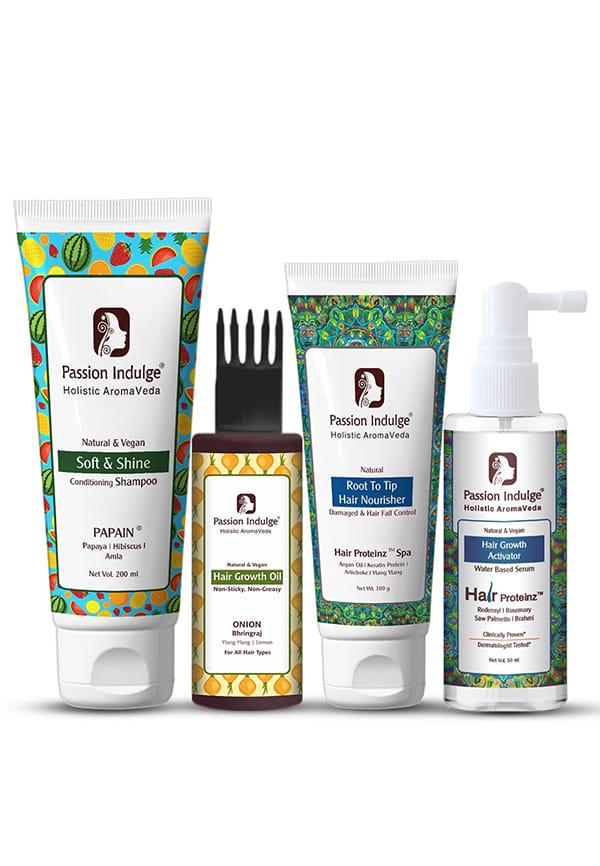
Onion Hair oil, Rosemary Hair Growth Serum, Hair Spa Protein Booster & Papain Shampoo
Your daily routine should include gentle hair handling, proper nutrition, and stress management. Weekly treatments might include deep conditioning masks or scalp massages with essential oils. Monthly progress photos can help you track improvements that might be too gradual to notice day-to-day.
Remember that consistency beats intensity—it's better to follow a moderate routine religiously than to try an extreme approach that you can't maintain long-term.
The most effective approach combines gentle hair care practices, proper nutrition, stress management, and targeted treatments based on your specific cause of hair thinning. Start with lifestyle changes and consider medical treatments if natural approaches aren't sufficient. Smytten's trial packs let you test different haircare products to find what works best for your hair type without committing to full-size purchases.
The four key habits are: gentle hair handling (avoiding rough towel drying and tight hairstyles), maintaining proper nutrition with adequate protein and vitamins, managing stress through exercise and relaxation techniques, and avoiding harsh chemical treatments and excessive heat styling.
Yes, thinning hair can often regrow, especially if caught early and the underlying cause is addressed. However, the extent of regrowth depends on factors like genetics, the cause of thinning, and how long the condition has been present. Temporary thinning from stress or nutritional deficiencies typically responds better than genetic pattern baldness.
Most hair growth treatments require 3-6 months to show visible results due to the natural hair growth cycle. Some people notice reduced shedding within 4-8 weeks, but significant regrowth typically takes longer. Patience and consistency are crucial for success.
Natural remedies can be effective for mild hair thinning and work well as complementary treatments, but medical treatments generally show more dramatic results for significant hair loss. The best approach often combines both natural and medical strategies based on your specific needs.
Consult a dermatologist or trichologist if you notice sudden, rapid hair loss, patchy bald spots, or if your hair thinning doesn't improve after 3-6 months of consistent prevention efforts. Professional evaluation can identify underlying medical conditions and recommend appropriate treatments.
Hair thinning prevention requires a multi-faceted approach that addresses both internal and external factors. The most successful strategies combine gentle hair care practices, proper nutrition, stress management, and targeted treatments based on your specific needs. Remember that consistency is more important than perfection—small daily actions compound over time to create significant improvements in hair health.
Early intervention offers the best results, so don't wait until hair thinning becomes severe before taking action. Whether you choose natural remedies, medical treatments, or a combination of both, the key is finding an approach you can maintain long-term. Track your progress with photos and be patient—hair growth is a slow process, but the results are worth the wait.
Finding the right products for your hair thinning prevention journey doesn't have to involve expensive guesswork. Smytten is India's largest product discovery and trial platform, connecting you with over 2,400 trusted haircare brands through curated trial packs. Whether you're looking for gentle shampoos, nourishing treatments, or scalp care products, you can explore authentic brand-verified minis before committing to full-size purchases. With up to 10 Trial Points for just ₹279 and 100% cashback on trials redeemable for future orders, discovering your perfect haircare routine has never been more affordable. From established brands to innovative newcomers, Smytten's extensive collection ensures you'll find products that work for your specific hair concerns. After all, why settle for 'maybe' when you can #TryItAll and find what truly works for your hair!
