How to Stop Hair Thinning: Expert Solutions Revealed


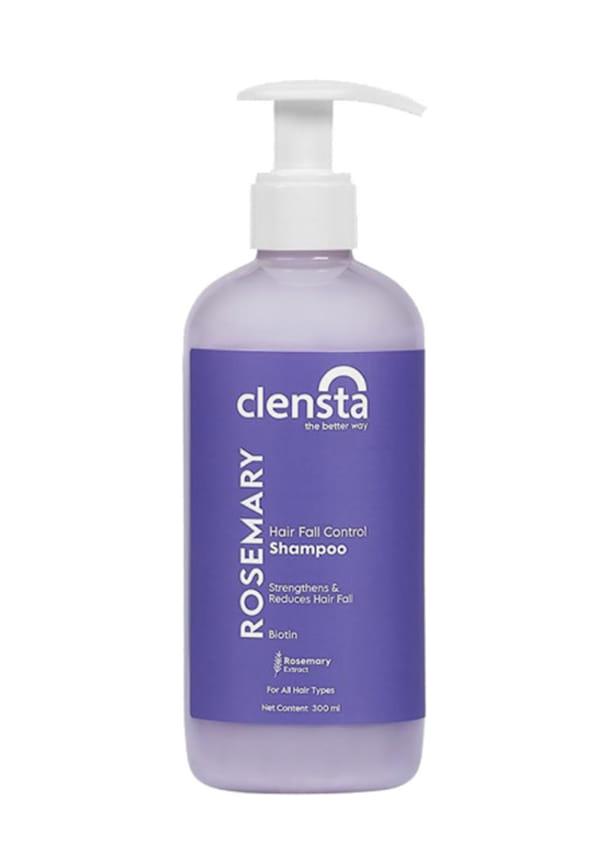
Rosemary Hair Fall Control Shampoo With Biotin For Reducing Hair Loss, Breakage & Daily Use
Let's be real—watching your hair thin out can feel like watching your confidence disappear strand by strand. Whether you've noticed your ponytail getting thinner, your parting widening, or more hair in your brush than usual, you're not alone in this journey. Hair thinning affects millions of people, but here's the good news: there are proven solutions that actually work. From FDA-approved treatments to natural remedies and professional procedures, we're diving into the best hair thinning solutions that can help you reclaim your hair's volume and your peace of mind. Ready to discover what might just become your hair's saving grace?
Before jumping into solutions, it's worth understanding what's actually happening up there. Hair thinning isn't just about genetics (though that plays a part)—it's often a combination of factors working together to mess with your hair's natural growth cycle. The thing is, identifying hair thinning causes early can make all the difference in how effectively you can tackle the problem. Think of it like catching a leak before it floods your entire flat—early intervention is everything.
Genetic factors top the list, with androgenetic alopecia affecting up to 80% of men and 40% of women by age 50. But it's not just about what your parents passed down to you. Hormonal changes can wreak havoc on your hair, especially during pregnancy, menopause, or thyroid issues. Your hair follicles are surprisingly sensitive to hormone fluctuations. Nutritional deficiencies often fly under the radar. Iron, zinc, and biotin deficiencies can all contribute to hair thinning, making your diet more important than you might think. Stress and lifestyle factors play a bigger role than most people realise. Chronic stress can push hair follicles into a resting phase, leading to increased shedding months later.
Normal hair loss sits around 50-100 strands daily, but if you're losing 300+ hairs, that's your cue to pay attention. Your hair's trying to tell you something. Visual signs include a widening parting, visible scalp through your hair, or noticing your ponytail feels thinner than it used to. These changes often happen gradually, so monthly photos can help track changes. If you're noticing these signs consistently for more than three months, it's worth seeing a dermatologist. Early intervention with proper hair loss treatment can make a significant difference in outcomes.
When it comes to proven hair growth solutions, FDA-approved treatments are your best bet. These aren't just marketing claims—they're backed by solid clinical research and real results. The beauty of FDA-approved treatments is that they've been rigorously tested for both safety and effectiveness. No guesswork, no hoping for the best—just science-backed solutions that have helped millions of people.
Minoxidil works by increasing blood flow to hair follicles and extending the growth phase of hair. It's available in liquid, foam, and even shampoo forms, making it easy to fit into your routine. Application is straightforward—apply to dry scalp twice daily for liquid forms, or once daily for foam. The key is consistency; skipping applications can set back your progress. Expected results typically show after 6+ months of consistent use. About 60% of users see some regrowth, while nearly everyone experiences slower hair loss. Success rates vary between men and women, with women often seeing better results in terms of hair density improvement, whilst men may see more dramatic regrowth in specific areas.
Finasteride works by blocking DHT (dihydrotestosterone), the hormone responsible for male pattern baldness. It's a prescription medication that requires consultation with a healthcare provider. The effectiveness is impressive—studies show 90% of men maintain their hair, and 65% experience some regrowth after two years of use. It's specifically designed for men due to potential risks for women of childbearing age. The prescription requirement ensures proper monitoring and dosage.
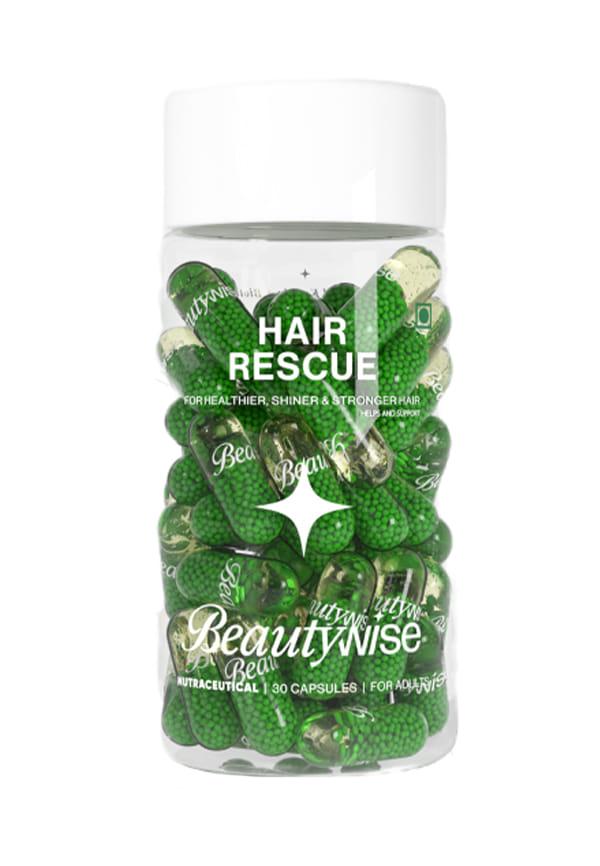
Hair Rescue, Hair Aminos, Vitamins, DHT Blocker for Hairfall Control & Growth
Sometimes the best hair thinning solutions require professional intervention. These treatments often provide faster, more dramatic results than at-home options alone. Professional treatments work by addressing hair thinning at the cellular level, stimulating dormant follicles and improving overall scalp health. They're particularly effective when combined with topical treatments.
PRP involves drawing your blood, processing it to concentrate platelets, then injecting it into your scalp. The growth factors in platelets stimulate hair follicles naturally. Treatment typically involves 3-4 sessions spaced 4-6 weeks apart, followed by maintenance sessions every 6-12 months. Results usually become visible after 3-6 months. Cost ranges from ₹8,000-₹15,000 per session in India, making it a significant investment. However, many find the natural approach and gradual improvement worth the expense.
Red light therapy devices use specific wavelengths to stimulate cellular activity in hair follicles. Options include helmet-style devices, handheld combs, and professional clinic treatments. At-home devices offer convenience and long-term cost savings, whilst professional treatments provide higher-powered therapy with potentially faster results. Scientific evidence supports LLLT's effectiveness, with studies showing 20-30% improvement in hair density after 16-26 weeks of consistent use.
FUE (Follicular Unit Extraction) and FUT (Follicular Unit Transplantation) are the two main techniques. FUE is less invasive with minimal scarring, whilst FUT can transplant more grafts in one session. Candidacy depends on having sufficient donor hair, realistic expectations, and stable hair loss patterns. Not everyone is a suitable candidate. As a permanent solution, transplants can provide dramatic results, but they don't prevent future hair loss in untreated areas.
The right hair thickening products can make a noticeable difference in how your hair looks and feels. From therapeutic shampoos to growth-stimulating serums, topical solutions offer accessible ways to support your hair's health. What makes these products effective is their ability to create an optimal environment for hair growth whilst providing immediate cosmetic benefits like increased volume and thickness.
The best shampoo for thinning hair contains ingredients like ketoconazole (antifungal), caffeine (stimulating), and biotin (strengthening). These ingredients work together to create a healthier scalp environment. Gentle formulations are crucial—harsh sulphates can further damage already fragile hair. Look for sulphate-free options with nourishing ingredients. Proper application involves massaging into the scalp for 2-3 minutes before rinsing, allowing active ingredients time to work. This isn't just about cleaning—it's about treatment.
Peptide-based formulations work by signalling hair follicles to enter the growth phase. These advanced ingredients can complement other treatments effectively. Essential oil combinations, particularly rosemary and peppermint, have shown promising results in studies. Rosemary oil performed as well as 2% minoxidil in one clinical trial. Application methods matter—serums work best on clean, slightly damp scalp with gentle massage to enhance absorption. Consistency is key for seeing results.
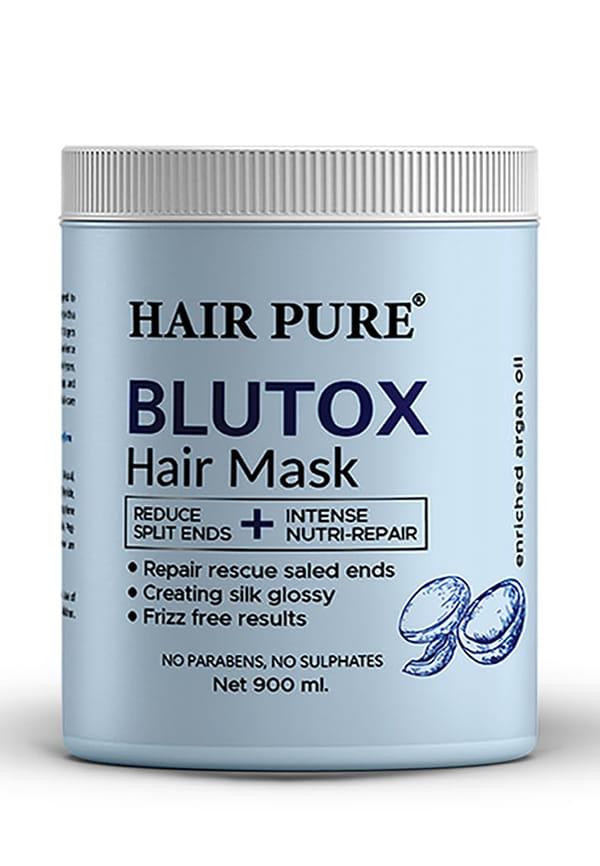
Blutox Hair Mask for Reduces Split Ends & Intense Nutri-Repair Treatment
Whilst professional treatments are powerful, don't underestimate natural thinning hair remedies. These approaches work by supporting your body's natural hair growth processes and can enhance the effectiveness of other treatments. The beauty of natural remedies is that they often provide additional health benefits beyond hair growth, making them a worthwhile addition to any hair care routine.
Daily 5-10 minute scalp massages can increase blood flow to hair follicles, potentially stimulating growth. Studies show regular massage can increase hair thickness over time. Tools like scalp massagers or jade rollers can enhance the experience, but your fingertips work perfectly well. The key is consistent, gentle pressure in circular motions. Scientific backing comes from studies showing increased blood flow and reduced stress hormones after regular scalp massage—both beneficial for hair growth.
Essential vitamins include biotin (supports keratin production), vitamin D (follicle health), and vitamin E (antioxidant protection). However, supplements work best when addressing actual deficiencies. Mineral requirements focus on iron and zinc. Iron deficiency is particularly common in women and can significantly impact hair growth. Zinc supports protein synthesis necessary for hair structure. Testing for deficiencies before supplementing ensures you're addressing actual needs rather than hoping for the best. Blood tests can reveal iron, vitamin D, and other levels.
Avoiding tight hairstyles prevents traction alopecia—hair loss from constant pulling. Give your hair regular breaks from ponytails, braids, and tight updos. Silk pillowcases reduce friction whilst you sleep, preventing breakage and maintaining moisture. It's a simple change that can make a noticeable difference over time. Gentle brushing with wide-tooth combs on wet hair prevents unnecessary breakage. Start from the ends and work upward to minimise pulling and stress on fragile strands.
The most effective approach to prevent hair thinning involves combining multiple strategies tailored to your specific situation. One size definitely doesn't fit all when it comes to hair loss solutions. Creating a personalised plan helps you focus your efforts and budget on treatments most likely to work for your type of hair thinning. It's about working smarter, not just harder.
Self-evaluation starts with tracking your hair loss patterns, family history, and any recent changes in health or lifestyle. Photos taken monthly can help document changes objectively. Professional diagnosis becomes important when self-assessment suggests significant thinning or when you want to explore prescription treatments. Dermatologists can perform detailed scalp analysis. Realistic expectations are crucial—most treatments take 6-12 months to show significant results. Setting proper expectations prevents disappointment and helps maintain consistency.
Layered approaches often work best. For example, combining minoxidil with scalp massage, proper nutrition, and gentle hair care practices can enhance overall results. Timeline expectations vary by treatment type. Topical treatments may show results in 3-6 months, whilst lifestyle changes might take longer but provide lasting benefits. Monitoring progress through photos, measurements, and keeping a treatment diary helps identify what's working and what might need adjustment. This is where platforms like Smytten become invaluable for anyone exploring hair growth solutions. With access to trial packs from over 1,500 trusted brands, you can test different hair thickening products and treatments before committing to full-size purchases. Whether you're curious about a new therapeutic shampoo or want to try a hair growth serum, Smytten's trial approach lets you discover what works for your hair without the financial risk. After all, finding the right combination of products for your hair thinning journey shouldn't break the bank—it should be an exciting exploration of what might just become your next fave solution.
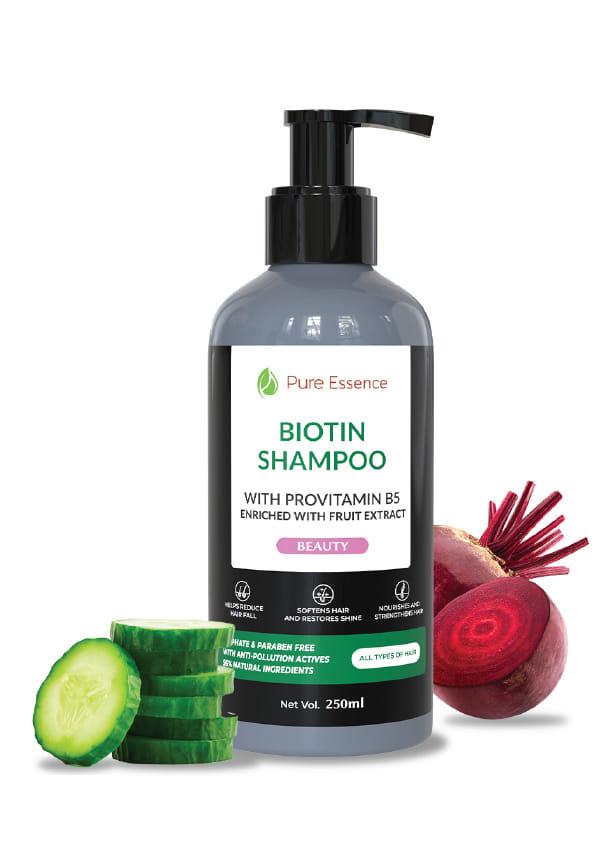
Biotin Shampoo | Softens Hair | Nourishes Scalp | Lowers Hairfall
Minoxidil (Rogaine) is the most effective FDA-approved solution, requiring 6+ months of consistent use to prevent further loss and stimulate regrowth. For men, combining it with finasteride often provides the best results.
Yes, with proper treatment including FDA-approved medications, professional procedures like PRP, and lifestyle changes, many people experience significant regrowth. The key is early intervention and consistent treatment.
Whilst there's no instant solution, combining topical minoxidil, oral medications (for men), and professional treatments like laser therapy provides the fastest evidence-based results. Most people see initial improvements within 3-6 months.
No, normal hair loss is 50-100 hairs daily. Losing 300+ hairs indicates excessive shedding requiring dermatologist evaluation and potential treatment intervention.
Look for shampoos containing ketoconazole, caffeine, or biotin. Sulphate-free formulations are gentler on fragile hair. The best shampoo for your specific situation depends on your hair type and underlying causes of thinning.
Supplements work best when addressing actual nutritional deficiencies. Biotin, iron, and vitamin D supplements can help if you're deficient, but they won't create dramatic regrowth in healthy individuals without deficiencies.
Hair thinning doesn't have to be a one-way journey. With the right combination of proven treatments, lifestyle changes, and patience, you can significantly improve your hair's density and overall health. The key is starting early, staying consistent, and being realistic about timelines. Remember, the best hair thinning solutions are often personalised combinations rather than single miracle products. Whether you choose FDA-approved treatments, professional procedures, or natural remedies, consistency and patience are your best allies in this journey. Smytten's platform makes exploring different hair care solutions accessible and affordable. With trial packs from trusted brands, you can experiment with various products to find your perfect hair care routine without the commitment of full-size purchases. Because when it comes to your hair, why settle for maybe when you can try it all and find what truly works for you?
