How to Stop Hair Fall with Effective Hair Masks

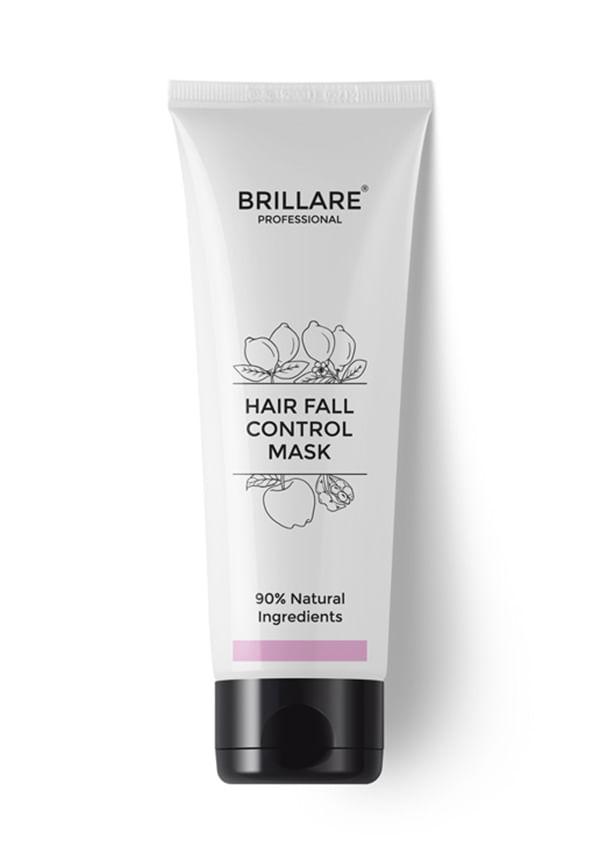
Hair Fall Control Mask To Reduce Seasonal Hair Fall
Great Hair Mask and Shampoo
 5
5“Must buy and a very food and effective hair mask Shampoo is good too”
Hair fall can feel like your worst enemy, especially when you're watching strands pile up on your pillow every morning. But here's the thing—the right hair mask for hair fall might just be your secret weapon. Unlike quick fixes that promise overnight miracles, effective hair masks work by strengthening your hair from the roots up, giving you real results you can actually see. Whether you're dealing with stress-related shedding or just want to give your hair some extra love, these DIY recipes are worth a try. Let's dive into what actually works and skip the fluff.
Real talk—hair fall happens to everyone, but understanding why makes all the difference. Your hair goes through natural cycles of growth, rest, and shedding. The problem starts when this cycle gets disrupted by stress, hormonal changes, poor nutrition, or excessive styling damage. That's where a proper hair fall treatment comes in.
Hair masks work differently than your regular conditioner. While conditioners coat the hair shaft for temporary smoothness, a good hair loss mask penetrates deeper to nourish the scalp and strengthen hair follicles. Think of it as feeding your hair from the inside out rather than just making it look pretty on the surface.
The key ingredients in effective hair masks target specific causes of hair fall. Proteins rebuild damaged hair structure, oils provide deep moisture, and certain botanicals improve scalp circulation. When you use these consistently, you're not just treating the symptoms—you're addressing the root cause of weak, falling hair.
These aren't your average Pinterest DIY recipes. Each of these DIY hair mask for hair fall formulas has been chosen based on ingredients that actually have research backing their effectiveness. The best part? You probably have most of these ingredients sitting in your kitchen right now.
This hair strengthening mask combines aloe vera's soothing properties with fenugreek's protein-rich profile. Soak two tablespoons of fenugreek seeds overnight, then blend with fresh aloe vera gel until smooth. The fenugreek provides essential amino acids that strengthen hair shafts, while aloe vera reduces scalp inflammation that can contribute to hair fall. Apply from roots to tips, leave for 45 minutes, then rinse thoroughly.
Yes, it smells a bit funky, but this anti hair fall mask is surprisingly effective. Extract juice from one medium onion and mix with three tablespoons of plain yogurt. Onion juice contains sulfur compounds that improve scalp circulation, while yogurt provides protein and lactic acid for gentle exfoliation. Apply to scalp and hair, cover with a shower cap, and leave for 30 minutes before washing out with a mild shampoo.
Mix equal parts warm coconut oil and argan oil with a tablespoon of yogurt for this deeply nourishing treatment. Coconut oil penetrates the hair shaft better than most oils, while argan oil provides vitamin E and essential fatty acids. This works brilliantly as an overnight treatment for severely damaged hair—just wrap your hair in a silk scarf to protect your pillowcase.
Blend soaked fenugreek seeds with fresh coconut milk until you get a smooth paste. This combination is particularly effective for hair mask for thinning hair because it provides both protein and moisture without weighing hair down. The natural lecithin in fenugreek helps thicken individual hair strands, making your overall hair appear fuller.
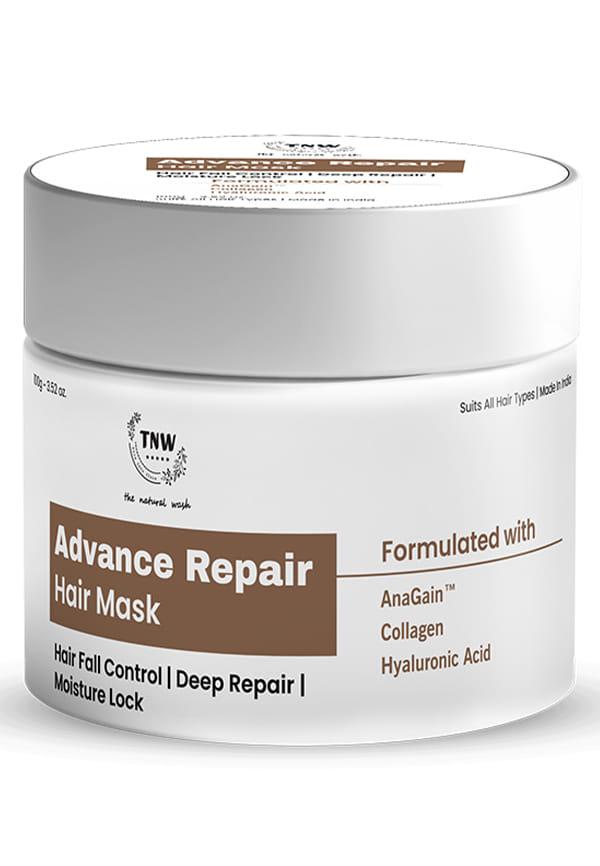
Advance Repair Hair Mask
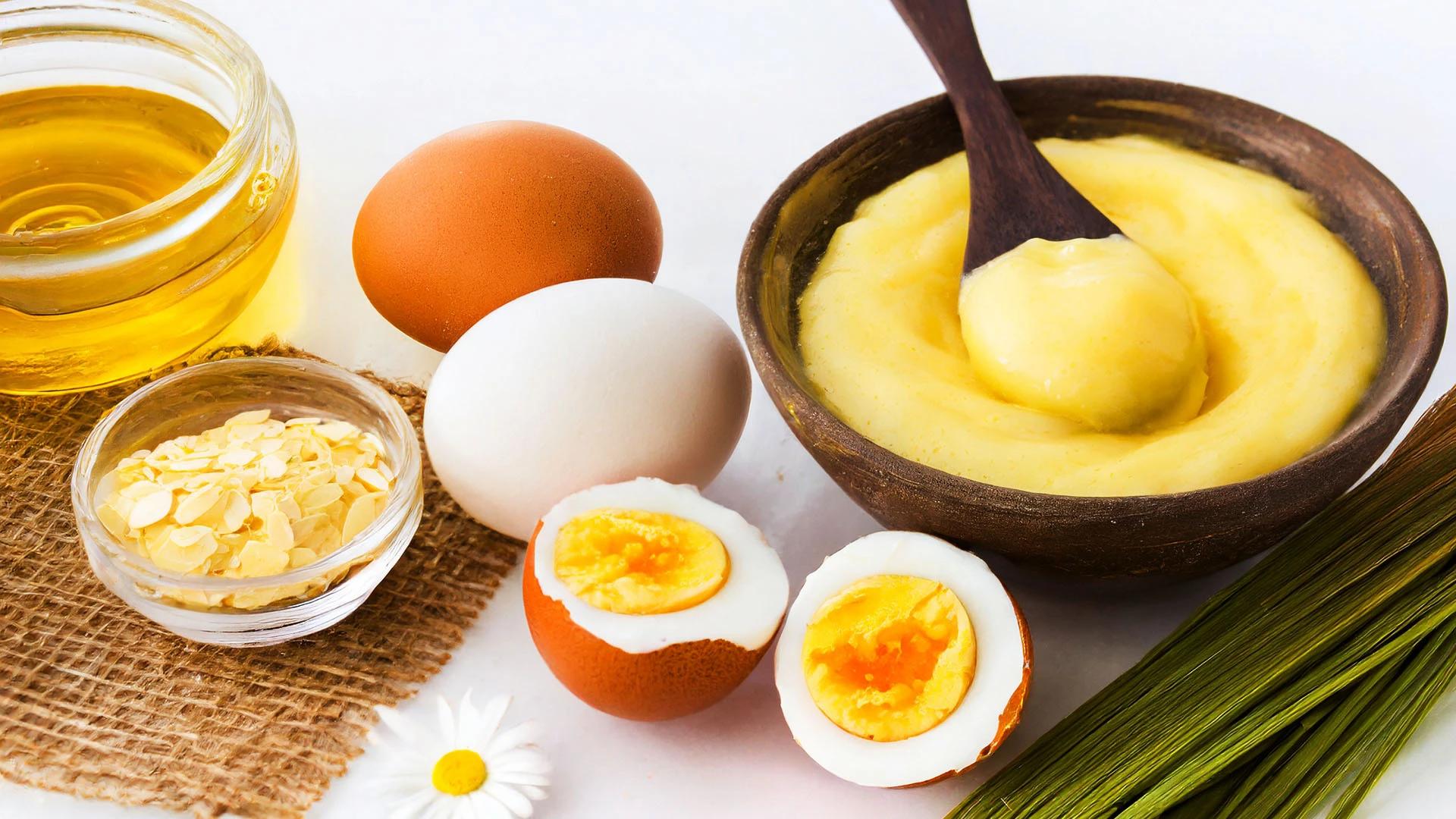
Beat one whole egg with three tablespoons of Greek yogurt for this protein-packed treatment. Eggs contain biotin, sulfur, and proteins that strengthen hair structure, whilst yogurt adds moisture and shine. Apply to damp hair, avoiding the scalp if you have sensitive skin, and rinse with cool water to prevent the egg from cooking.
Not all hair fall is created equal, and your hair mask for damaged hair should match your specific situation. Understanding what's causing your hair fall helps you choose the most effective treatment approach.
If hair thinning runs in your family, focus on masks with ingredients that may help block DHT (dihydrotestosterone), the hormone linked to genetic hair loss. Pumpkin seed oil, saw palmetto, and rosemary oil show promise in research. Mix these with carrier oils like jojoba or argan oil for a scalp-focused treatment twice weekly.
Stress-induced hair fall often responds well to calming, nourishing ingredients. Try masks with lavender oil, chamomile, and deeply moisturising oils like avocado or sweet almond oil. The key here is consistency and gentle scalp massage during application to improve circulation and reduce tension.
Over-processed hair needs protein reconstruction. Focus on masks with eggs, yogurt, or hydrolysed proteins. These best hair mask for breakage formulas help rebuild the hair's structure from the inside out. Use protein treatments weekly, but balance with moisture masks to prevent hair from becoming too rigid.
Application technique matters more than you might think. The way you apply and remove your hair growth mask can make the difference between seeing results and wasting your time.
Start with clean, damp hair for better product penetration. Section your hair into four parts and apply the mask systematically, ensuring even coverage from roots to tips. For scalp-focused treatments, use your fingertips to gently massage the product in circular motions—this improves circulation and helps ingredients penetrate better.
Timing varies by mask type. Oil-based treatments can be left on for several hours or overnight, while protein masks should typically be removed after 20-45 minutes to prevent over-processing. Always rinse thoroughly with lukewarm water, followed by a gentle shampoo if needed.
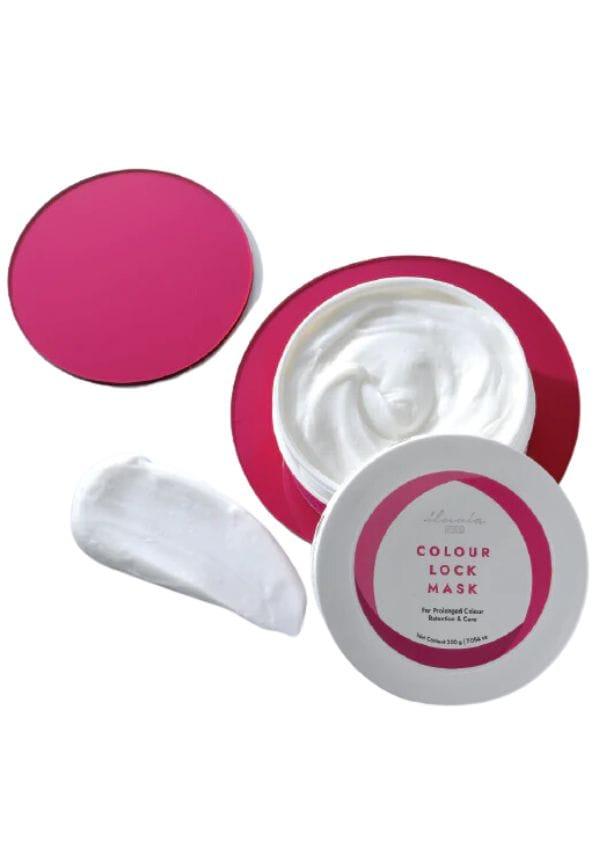
Colour Lock Mask
Consistency beats intensity when it comes to natural hair fall remedies. Use a strengthening mask once weekly, alternating with a moisturising treatment. If your hair is severely damaged, you might benefit from twice-weekly treatments initially, then scale back to maintenance mode once you see improvement.
Let's cut through the marketing noise and focus on ingredients with actual research behind them. These powerhouse components should be your go-to choices when creating your own hair fall treatment arsenal.
Fenugreek seeds contain proteins, nicotinic acid, and lecithin that strengthen hair and improve thickness. Onion extract provides sulfur compounds that boost circulation and may help with regrowth. Aloe vera soothes inflammation and provides moisture without weighing hair down.
Supporting ingredients like coconut oil, argan oil, and eggs provide the moisture and protein foundation your hair needs to stay strong. Avoid harsh ingredients like lemon juice or baking soda in large quantities—these can disrupt your scalp's pH balance and potentially worsen hair fall.
When sourcing ingredients, fresh is usually best. Store oils in cool, dark places and use fresh aloe vera within a few days. Quality matters, especially with oils—cold-pressed, unrefined versions typically retain more beneficial compounds.
Even with the best intentions, certain mistakes can sabotage your hair mask routine. Over-application is surprisingly common—more product doesn't equal better results, and heavy buildup can actually weigh hair down and make it more prone to breakage.
Applying masks to dirty scalp is another frequent error. Product buildup and excess oil create a barrier that prevents beneficial ingredients from penetrating effectively. Always start with clean, damp hair for optimal results.
Rough removal techniques can undo all your good work. Never yank or pull when rinsing out masks, especially protein-rich ones that can temporarily make hair feel stiff. Use lukewarm water and gentle motions to preserve the strengthening benefits you've just applied.
Perhaps the biggest mistake is expecting overnight miracles. Hair grows slowly, and strengthening damaged follicles takes time. Give any new routine at least 6-8 weeks before deciding whether it's working for you.
While DIY masks are brilliant for regular maintenance, sometimes you need professional-grade ingredients for serious hair concerns. This is where exploring different formulations becomes valuable—and platforms like Smytten make this exploration affordable and risk-free.
Smytten offers curated trial packs from over 1,500 trusted brands, letting you test professional haircare treatments before committing to full-size purchases. With options from brands like Dot & Key and Love, Beauty & Planet, you can discover which ingredients work best for your specific hair type and concerns. The platform's Trial Points system means you can get up to 8 minis for just ₹249, with 100% cashback redeemable for future orders.
This approach lets you combine the best of both worlds—DIY treatments for regular care and professional formulations for targeted concerns. When you find a product you love through trial, purchasing the full-size version is just a click away in Smytten's shop.
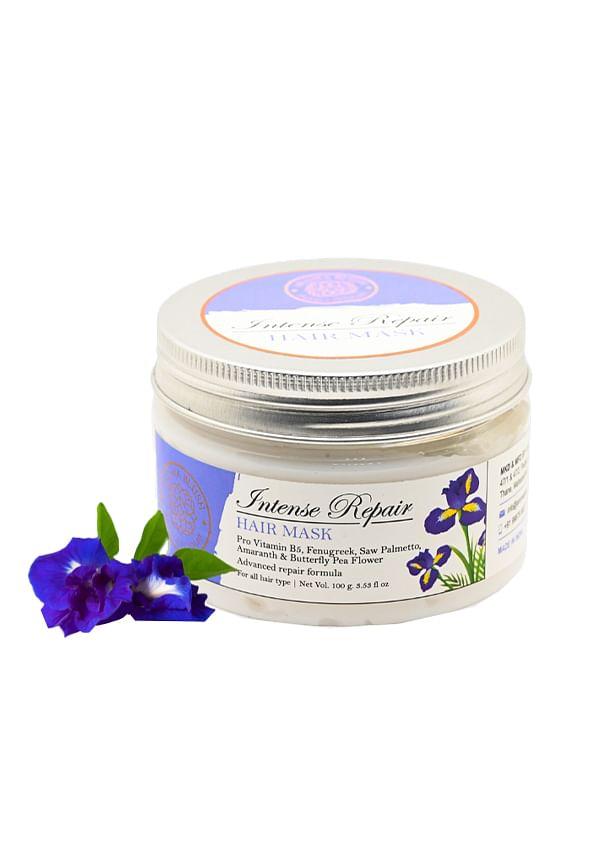
Intense Repair Hair Mask
Nice Product, Lovely to Use
5“nice product lovely to use this product Maja agya”
Hydrating & Soothing Scalp
5“very hydrating and soothing on the scalp”
The most effective mask depends on your hair type and the cause of your hair fall. For general strengthening, the aloe vera and fenugreek mask works well for most people. If you're dealing with dryness-related breakage, try the coconut oil and argan oil treatment. For protein-deficient hair, the egg and yogurt mask is your best bet.
Start with once weekly and adjust based on your hair's response. Severely damaged hair might benefit from twice-weekly treatments initially, whilst healthy hair maintaining strength might only need fortnightly applications. Listen to your hair—if it starts feeling heavy or greasy, reduce frequency.
Hair masks excel at preventing further hair fall and strengthening existing hair, but they can't regrow hair from completely dormant follicles. They work best for improving the health of thinning hair and reducing breakage-related hair loss. For significant hair loss, combine masks with other treatments and consult a dermatologist.
Yes, but with realistic expectations. Hair masks strengthen existing hair, reduce breakage, and improve scalp health—all of which can significantly reduce hair fall. They're most effective for hair loss caused by damage, stress, or nutritional deficiencies rather than genetic male pattern baldness.
Most people notice reduced hair fall within 4-6 weeks of consistent use. Visible improvements in hair thickness and strength typically appear after 8-12 weeks. Remember, hair grows slowly, so patience is key to seeing the full benefits of your routine.
Oil-based masks can generally be left on overnight, but protein masks should be removed after 30-45 minutes to prevent over-processing. Always do a patch test first, and protect your pillowcase with a silk scarf or old towel if doing overnight treatments.
Hair fall doesn't have to be your reality. With the right hair mask for hair fall and consistent application, you can strengthen your hair and reduce shedding significantly. The key is finding what works for your specific hair type and concerns—whether that's a simple DIY treatment or a professional formulation you discover through trial.
Remember, healthy hair is a marathon, not a sprint. Start with one or two masks that appeal to you, use them consistently for at least two months, and pay attention to how your hair responds. Combine your mask routine with gentle handling, a balanced diet, and stress management for the best results.
With over 25 million users trusting Smytten's approach to product discovery, you're not alone in wanting to find the perfect haircare routine. Whether you stick with DIY treatments or explore professional options, the goal is the same—stronger, healthier hair that you can feel confident about. After all, why settle for 'maybe' when you can try it all and find what truly works for you?
