How to Stop Hair Fall: Natural Remedies for Healthy Hair

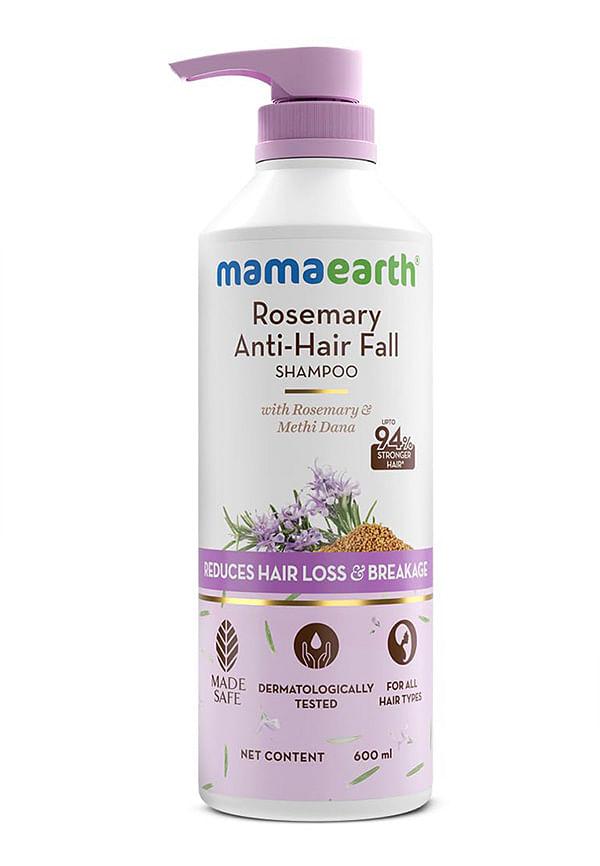
Rosemary Anti-Hair Fall Shampoo with Rosemary & Methi Dana for Reducing Hair Loss & Breakage
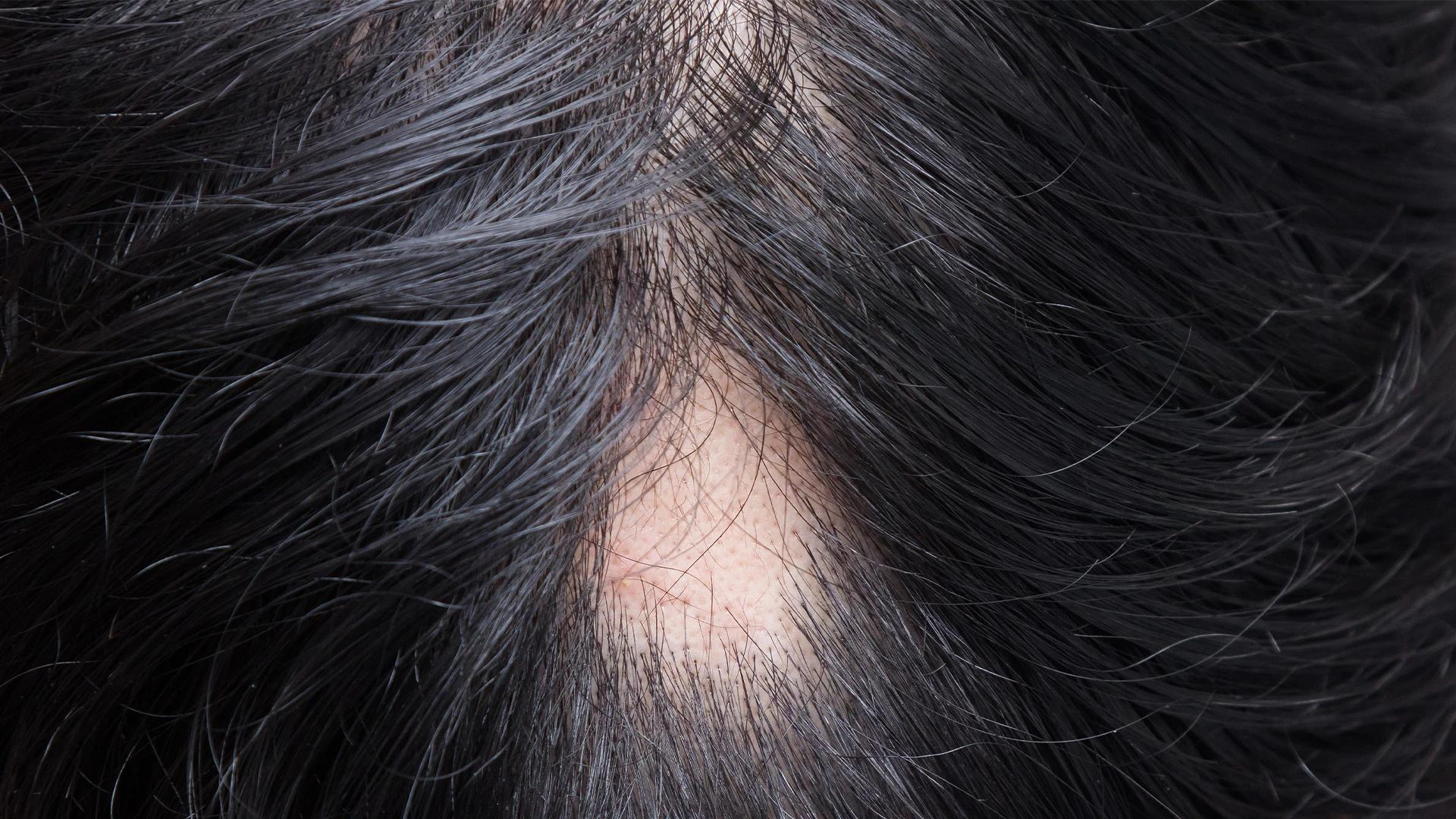
You know that sinking feeling when you run your fingers through your hair and way more strands come out than usual? Or when you notice your hairbrush looking like it's collected a small animal? Hair fall can feel overwhelming, especially when it seems to happen overnight. The good news is that most hair fall is manageable with the right approach, and natural remedies can be surprisingly effective. Let's dive into what's actually happening with your hair and how to get it back on track.
Before you panic about every strand in your shower drain, let's get real about what normal hair fall actually looks like. Your hair goes through a natural cycle of growth, rest, and shedding. Losing 50 to 100 strands daily is completely normal – that's just your hair doing its thing. But if you're finding clumps on your pillow or noticing your ponytail getting noticeably thinner, that's when it's time to pay attention.
Hair fall causes can be surprisingly varied. Hormonal changes, stress, nutritional gaps, genetics, and even how you style your hair all play a role. Sometimes it's a combination of factors rather than one single culprit. The key is figuring out what's triggering your specific situation so you can tackle it effectively.
Hormonal imbalances top the list, especially for women. Changes during pregnancy, menopause, or thyroid issues can send your hair into overdrive shedding mode. Stress – both physical and emotional – is another major player. Your body treats stress as a crisis and diverts resources away from non-essential functions like hair growth.
Nutritional deficiencies, particularly iron, protein, and B vitamins, can leave your hair follicles struggling. Even your styling habits matter. Tight hairstyles, excessive heat, and harsh chemicals can weaken hair strands and cause breakage that mimics hair fall.
The beauty of natural hair fall remedies is that they're gentle, affordable, and often use ingredients you already have at home. These approaches work by nourishing your scalp, strengthening hair follicles, and improving circulation to encourage healthy growth.
Scalp massage is probably the simplest yet most effective technique you can start today. Just five minutes of gentle circular motions with your fingertips can boost blood flow to your hair follicles. This increased circulation brings more nutrients to your hair roots and can genuinely help with hair growth over time.
Onion juice might sound odd, but it's backed by research for hair regrowth. The sulfur compounds in onions can help improve circulation and provide nutrients that support hair follicle health. Blend an onion, strain the juice, and massage it into your scalp for 15 minutes before washing.
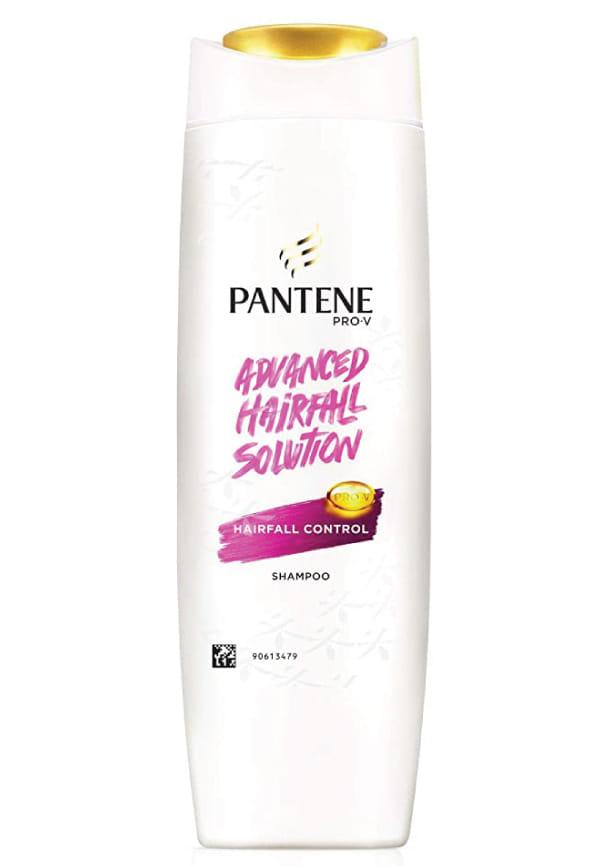
Advanced Hair Fall Solution Hair Fall Control Shampoo
Coconut oil and castor oil are classic choices for good reason. Coconut oil penetrates the hair shaft to prevent protein loss, while castor oil's ricinoleic acid has anti-inflammatory properties that can soothe an irritated scalp. Warm either oil slightly and massage into your scalp, leaving it on for at least 30 minutes before shampooing.
Rosemary oil has shown promise in studies for being as effective as some conventional hair loss treatments. It works by improving circulation and has anti-inflammatory properties. Mix a few drops with a carrier oil like jojoba or coconut oil before applying to avoid skin irritation.
Peppermint oil creates a cooling sensation that can stimulate blood flow to hair follicles. Lavender oil not only smells amazing but also has stress-reducing properties that can indirectly help with stress-related hair fall.
Your daily hair care routine plays a huge role in preventing hair fall and breakage. The goal is to be gentle while still keeping your scalp clean and healthy. This means rethinking some common habits that might be doing more harm than good.
Start with how you wash your hair. Use lukewarm water instead of hot, which can strip natural oils and leave hair brittle. Focus shampoo on your scalp rather than the lengths of your hair, and always follow with conditioner from mid-length to ends. This helps maintain moisture balance and prevents unnecessary breakage.
How you handle wet hair matters enormously. Hair is most vulnerable when wet, so avoid aggressive towel drying or brushing. Instead, gently squeeze out excess water with a microfibre towel or cotton t-shirt, then use a wide-tooth comb to detangle from the ends up.
Heat styling tools can be hair fall culprits if used frequently or at high temperatures. When you do use them, always apply a heat protectant and keep temperatures below 180°C. Air drying when possible gives your hair a break from thermal stress.
Sulfate-free shampoos are gentler on both your scalp and hair strands. Sulfates can be too harsh for daily use and may contribute to dryness and irritation. Look for formulas with natural cleansing agents that clean effectively without stripping essential oils.

Anti - Hair Fall Hair Oil
Ingredients like biotin, keratin, and natural oils in your hair products can provide extra nourishment. However, avoid products with too many chemicals or those that promise overnight miracles – healthy hair growth takes time and consistency.
What you eat directly impacts your hair health. Hair follicles are among the most active cells in your body, so they need a steady supply of nutrients to function properly. A balanced diet rich in protein, vitamins, and minerals forms the foundation of any effective hair loss treatment plan.
Protein is crucial since hair is primarily made of keratin, a protein structure. Include lean meats, fish, eggs, legumes, and nuts in your diet. Iron deficiency is particularly common in women and can lead to hair thinning, so incorporate iron-rich foods like spinach, lentils, and lean red meat.
Vitamin D plays a role in hair follicle health, and deficiency has been linked to hair loss. While sunlight is the best source, you can also find it in fatty fish and fortified foods. B vitamins, especially biotin and B12, support hair growth and can be found in whole grains, eggs, and leafy greens.
Omega-3 fatty acids from fish, walnuts, and flaxseeds help maintain scalp health and add shine to hair. Zinc, found in pumpkin seeds and chickpeas, supports hair tissue growth and repair.
Chronic stress can push hair follicles into a resting phase, leading to increased shedding months later. Regular exercise, meditation, or even simple breathing exercises can help manage stress levels. Quality sleep is equally important – aim for 7-8 hours nightly to give your body time to repair and regenerate.
Sometimes stress-related hair fall becomes a cycle where worrying about hair loss creates more stress. Breaking this cycle often requires addressing both the physical and emotional aspects of the problem.
While natural remedies can be incredibly effective, some situations require professional intervention. If you're experiencing sudden, patchy hair loss, scalp irritation, or if natural approaches haven't shown improvement after three to six months, it's time to consult a dermatologist or trichologist.
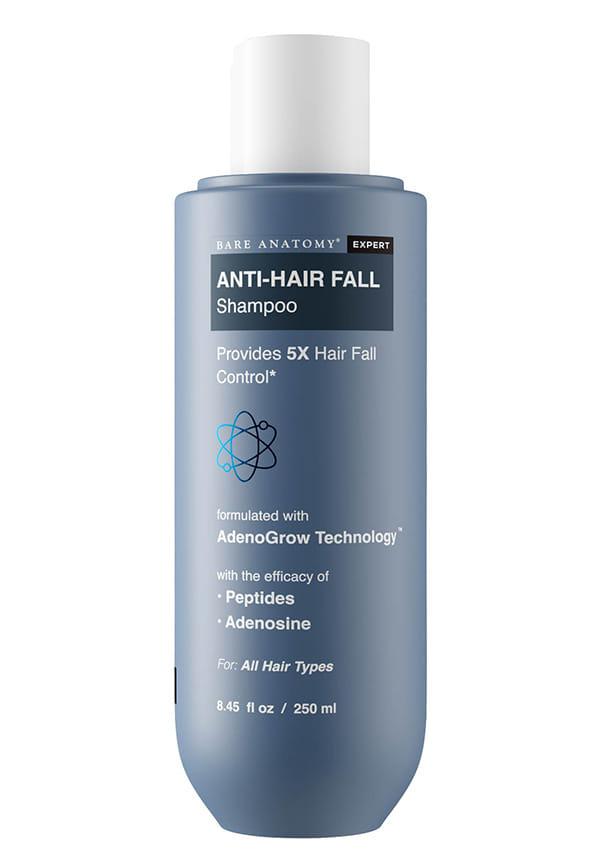
Anti-Hair Fall Shampoo | Provides 5X Hair Fall Control
Certain medical conditions like alopecia areata, thyroid disorders, or hormonal imbalances need specific treatment that goes beyond natural remedies. A healthcare provider can run tests to identify underlying causes and recommend appropriate hair loss treatment options.
Professional treatments might include topical medications, supplements, or in some cases, procedures like PRP therapy. The key is getting an accurate diagnosis so you can combine the right medical treatment with supportive natural approaches.
Natural remedies typically take 2-3 months to show noticeable results since hair growth cycles are slow. Consistency is key – daily scalp massage and proper nutrition need time to impact hair follicle health. Some people notice reduced shedding within 4-6 weeks, but new growth takes longer to become visible.
Absolutely. Severe physical or emotional stress can push hair follicles into a resting phase, causing increased shedding 2-3 months later. This condition, called telogen effluvium, is usually temporary and improves once stress levels normalise and proper hair care routines are established.
Not necessarily. Many natural ingredients like rosemary oil and scalp massage have research backing their effectiveness. Expensive products aren't automatically better – focus on ingredients that are proven to work rather than price tags. Consistency with simple, natural approaches often beats sporadic use of costly treatments.
Genetic hair loss typically follows patterns – receding hairlines or crown thinning in men, and diffuse thinning on top in women. Family history is a strong indicator. However, even genetic hair loss can be slowed with proper care, nutrition, and sometimes medical intervention. Natural remedies can still support overall hair health.
Stopping hair fall naturally is absolutely possible with the right combination of gentle care, proper nutrition, and lifestyle adjustments. Start with simple changes like daily scalp massage, switching to sulfate-free products, and ensuring you're getting enough protein and iron in your diet. Remember that hair growth is a slow process – give natural remedies at least three months to show their full effects.
The most effective approach combines multiple strategies rather than relying on a single solution. Scalp health, nutrition, stress management, and gentle hair care practices all work together to create an environment where healthy hair can thrive.
If you're looking to explore different hair care products to support your hair health journey, Smytten offers trial-size versions of many hair care products from trusted brands. This way, you can test what works for your specific hair type and concerns before committing to full-size products – a practical approach to building your personalised hair care routine.
