How to Stop Hair Fall: Effective Hair Loss Prevention


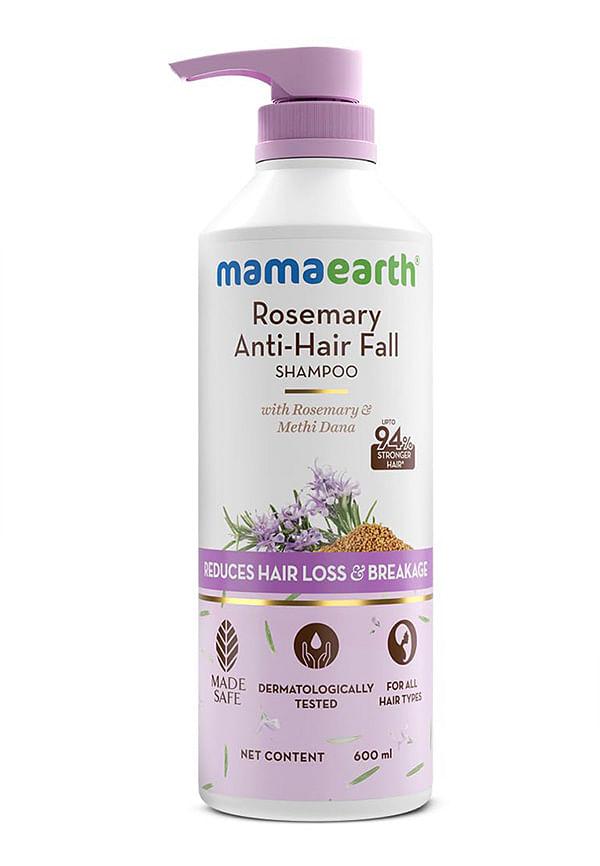
Rosemary Anti-Hair Fall Shampoo with Rosemary & Methi Dana for Reducing Hair Loss & Breakage
You know that sinking feeling when you run your fingers through your hair and way too many strands come away? Or when your hairbrush looks like it's collected enough hair to make a small wig? Real talk — hair fall happens to everyone, but when it starts feeling excessive, it's time to figure out what's going on and how to stop it. The good news is that most hair fall issues can be tackled with the right approach, and you don't always need expensive treatments to see real results.
Let's start with some perspective. Losing 50 to 100 strands of hair daily is completely normal — your hair naturally goes through growth cycles, and shedding is part of the process. But if you're noticing significantly more hair in your brush, on your pillow, or going down the drain, that's when hair fall control becomes important.
Several factors can trigger excessive hair fall. Hormonal changes top the list — think pregnancy, menopause, or thyroid issues. Stress is another major culprit, whether it's physical stress from illness or emotional stress from life changes. Nutritional deficiencies, particularly iron, vitamin D, and protein, can also leave your hair weak and prone to falling out.
Then there's genetics. If your family has a history of hair thinning, you might be dealing with androgenetic alopecia, which affects both men and women. Environmental factors like pollution, harsh weather, and chemical treatments can also contribute to hair fall.
Understanding your hair's growth cycle helps put things in perspective. Hair grows in three phases: anagen (growth), catagen (transition), and telogen (resting). When this cycle gets disrupted — by stress, illness, or hormonal changes — more hairs enter the resting phase simultaneously, leading to noticeable hair fall a few months later.
It's worth noting the difference between hair fall, breakage, and thinning. Hair fall happens at the root, breakage occurs along the hair shaft, and thinning refers to overall reduction in hair density. Each requires different hair thinning solutions, so identifying what you're dealing with is the first step.
Building an effective hair loss prevention routine doesn't require a complete lifestyle overhaul. Small, consistent changes in your daily hair care can make a significant difference over time. The key is being gentle with your hair while giving your scalp the care it needs to support healthy growth.
Start your day by being kind to your hair. Use a wide-tooth comb or a brush specifically designed for wet hair to detangle gently. Begin from the ends and work your way up to avoid unnecessary pulling and breakage. A few minutes of scalp massage while you're getting ready can boost blood circulation to hair follicles — just use your fingertips in circular motions.
If you're styling your hair, opt for loose hairstyles that don't pull on your hairline. Tight ponytails, braids, or buns can cause traction alopecia over time. When you do use hair ties, choose silk or satin scrunchies that are gentler on your strands.
Your evening routine is when you can focus on nourishing and repairing your hair. This is the perfect time for deep conditioning treatments or leave-in serums that work overnight. Look for products with ingredients like keratin, biotin, or peptides that help strengthen hair from within.
Consider switching to a silk or satin pillowcase. These smooth fabrics create less friction than cotton, reducing breakage and frizz while you sleep. If silk pillowcases aren't in your budget, a silk hair wrap or bonnet works just as well.
Once or twice a week, treat your hair to something special. Protein treatments can help repair damaged hair, especially if you've been dealing with chemical processing or heat damage. Oil treatments — whether it's coconut, argan, or castor oil — can nourish your scalp and add moisture to dry strands.
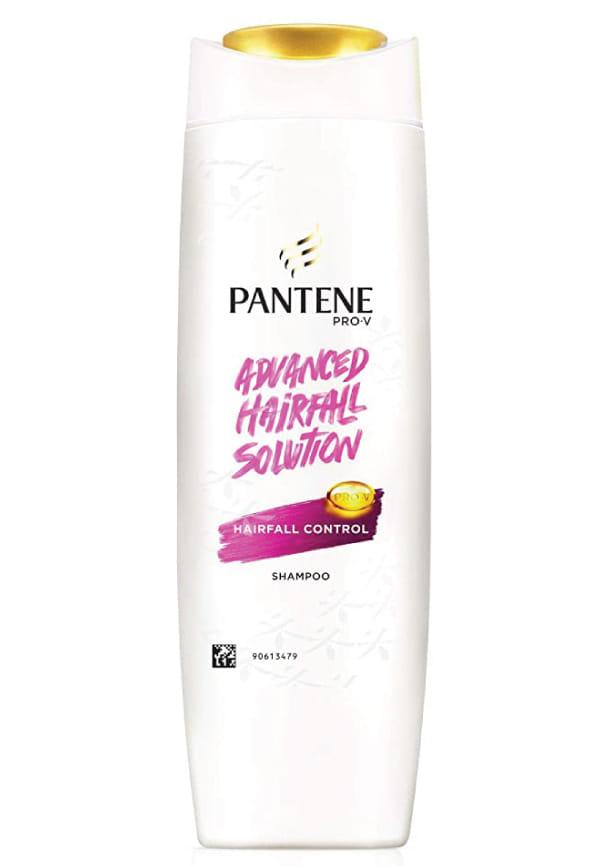
Advanced Hair Fall Solution Hair Fall Control Shampoo
Professional-grade hair masks might seem like a splurge, but they often contain concentrated ingredients that can make a real difference. Look for masks with ingredients like hyaluronic acid for moisture, or niacinamide for scalp health. Your scalp care routine should be as important as your skincare routine — after all, healthy hair starts with a healthy scalp.
What you eat directly impacts your hair health. Your hair follicles are among the most active cells in your body, which means they need proper nutrition to function optimally. Hair growth tips often start in the kitchen, not the bathroom cabinet.
Protein is crucial since hair is primarily made of keratin, a protein. Include lean meats, fish, eggs, legumes, and nuts in your diet. Iron deficiency is one of the most common causes of hair fall, especially in women. Spinach, lentils, and lean red meat can help boost your iron levels. Vitamin D supports hair follicle health, while zinc helps with hair tissue growth and repair.
Biotin gets a lot of attention in hair growth supplements, and while deficiency is rare, ensuring adequate intake through eggs, nuts, and seeds can support hair health. Omega-3 fatty acids from fish, walnuts, and flaxseeds add shine and strength to your hair.
Hydration matters more than you might think. Dehydrated hair becomes brittle and prone to breakage. Aim for at least 8 glasses of water daily, and you'll likely notice your hair feels softer and looks shinier.
Stress management isn't just good for your mental health — it's essential for your hair. Chronic stress can push hair follicles into the resting phase prematurely. Whether it's yoga, meditation, regular exercise, or just ensuring you get enough sleep, find what works for you and stick with it.
Speaking of sleep, aim for 7-9 hours nightly. During sleep, your body repairs and regenerates, including your hair follicles. Poor sleep quality can disrupt hormone levels, potentially affecting hair growth.
Hair breakage and hair fall might look similar, but they need different approaches. While hair fall happens at the root, breakage occurs along the hair shaft due to damage. Learning how to stop hair breakage is crucial for maintaining length and overall hair health.
Heat styling is one of the biggest culprits behind hair breakage. If you can't give up your blow dryer or straightener completely, at least use them smartly. Always apply a heat protectant before styling — these products create a barrier that reduces direct heat damage.
Keep your tools on lower heat settings when possible. Most hair types don't need the highest temperature setting to achieve good results. Air-drying whenever you can gives your hair a break from heat damage. If you're short on time, try plopping with a microfibre towel or using a diffuser on low heat.
Hair colouring, perming, and chemical straightening can weaken your hair structure. If you love changing your hair colour, space out your appointments and use deep conditioning treatments between sessions. Always go to a professional for major chemical processes — DIY disasters often lead to severe breakage that requires cutting off damaged hair.
Read ingredient lists on your hair products. Sulphates can be harsh on already damaged hair, while alcohols can be drying. Look for gentler alternatives that clean without stripping your hair's natural oils.
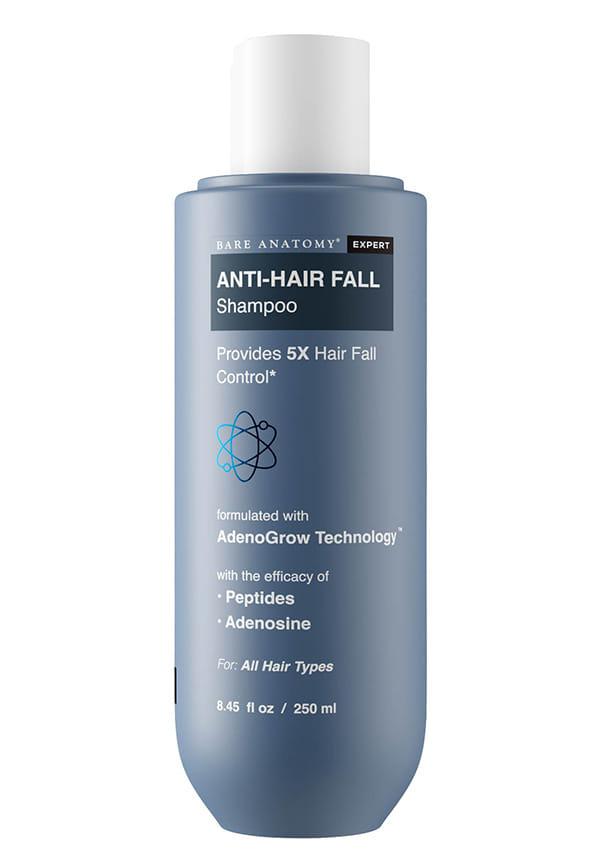
Anti-Hair Fall Shampoo | Provides 5X Hair Fall Control
Good Product for the Price
 5
5“good product with this price 🙂”
Good Product for the Price
5“good product with this price 🙂”
Good Product for the Price
5“good product with this price 🙂”
Your hair faces daily environmental stressors. UV rays can fade colour and weaken hair proteins, so consider hair products with SPF or wear a hat when spending long periods in the sun. Pollution can build up on your scalp and hair, so regular clarifying treatments help remove this buildup.
Hard water can leave mineral deposits that make hair feel rough and look dull. If you live in an area with hard water, a clarifying shampoo once a week can help, or consider installing a shower filter to prevent frizzy hair and mineral buildup.
Sometimes at-home care isn't enough, and that's when professional hair strengthening treatments become worth considering. These treatments can provide more intensive repair and protection than what you can achieve with regular products.
Keratin treatments smooth the hair cuticle and can reduce breakage for several months. They're particularly helpful if you have frizzy, damaged hair that's prone to breakage. However, they do involve chemicals, so ensure you go to a reputable salon.
PRP (Platelet-Rich Plasma) therapy is gaining popularity for hair loss treatment. It involves injecting your own platelet-rich plasma into your scalp to stimulate hair growth. While results vary, some people see improvement in hair density and thickness.
Low-level laser therapy is another option that's FDA-approved for hair loss. These devices use red light to stimulate hair follicles and can be done at home or in a clinic. The treatment requires consistency over several months to see results.
Professional scalp treatments can address specific issues like dandruff, excess oil, or poor circulation. A healthy scalp is the foundation for healthy hair growth, so these treatments can be a good investment if you're dealing with scalp issues alongside hair fall.
Before investing in expensive treatments, consider consulting a dermatologist or trichologist. They can help identify the underlying cause of your hair loss and recommend the most appropriate treatment for your specific situation.
Natural remedies for hair fall control have been used for centuries, and some have scientific backing. While they might not work as quickly as professional treatments, they're generally gentler and more affordable options worth trying.
Rosemary oil has shown promising results in studies for stimulating hair growth. It works by improving circulation to the scalp. Mix a few drops with a carrier oil like coconut or jojoba oil and massage into your scalp before washing. Peppermint oil has similar benefits and can create a tingling sensation that indicates increased blood flow.
Saw palmetto is a natural DHT blocker, which means it can help with androgenetic alopecia. You can find it in supplement form or in some hair care products. However, consult with a healthcare provider before starting any new supplements.
DIY hair masks can provide deep conditioning and nourishment. A simple mask of egg, honey, and olive oil provides protein, moisture, and nutrients. Avocado masks are great for dry, damaged hair, while yogurt masks can help with scalp health due to their probiotic content.
Regular scalp massage doesn't require any special products — just your fingertips and a few minutes daily. Studies suggest that daily scalp massage can increase hair thickness over time. You can enhance the benefits by using a scalp massage tool or adding essential oils.
Green tea rinses can help reduce DHT levels on the scalp and provide antioxidants that support hair health. Brew strong green tea, let it cool, and use it as a final rinse after shampooing.

Briganantadi Hair Fall control and Healthy Scalp Hair Oil 10 Herbs
Learning how to prevent split ends is crucial for anyone trying to grow their hair longer or maintain healthy-looking hair. Split ends make hair look frizzy and unkempt, and they can travel up the hair shaft if left untreated, causing more damage.
Regular trims are non-negotiable for healthy hair. Even if you're trying to grow your hair out, trimming every 8-12 weeks prevents split ends from getting worse. A good stylist will only trim what's necessary to keep your hair healthy while maintaining your length goals.
Protective styling becomes important, especially for longer hair. Loose braids for sleeping, using hair clips instead of elastic bands, and avoiding styles that put stress on your hair ends can prevent damage. When your hair is wet and most vulnerable, handle it with extra care.
Leave-in treatments specifically designed for hair ends can provide extra protection. Look for products with silicones that coat the hair shaft or oils that penetrate and nourish. Apply these products to damp hair, focusing on the mid-lengths and ends.
Pay attention to how you dry your hair. Rough towel drying can cause friction and lead to split ends. Instead, gently squeeze excess water with a microfibre towel or an old t-shirt. When brushing wet hair, start from the bottom and work your way up to avoid pulling and breaking the hair.
Sudden hair fall in women often results from hormonal changes like pregnancy, menopause, or thyroid disorders. Stress, both physical and emotional, can also trigger sudden hair loss. Other causes include nutritional deficiencies, certain medications, autoimmune conditions, or drastic weight loss. If you're experiencing sudden, severe hair loss, it's worth consulting a healthcare provider to rule out underlying medical conditions.
Most hair loss prevention methods require patience. You'll typically start seeing results after 3-6 months of consistent treatment. This timeline reflects your hair's natural growth cycle — new hair needs time to grow from the follicle and become visible. Some people notice reduced hair fall within a few weeks of starting a new routine, but significant regrowth takes longer.
Complete prevention of hair fall isn't realistic since some daily hair shedding is normal and healthy. However, excessive hair fall can often be significantly reduced or stopped with the right approach. Genetic hair loss can be slowed down but not completely prevented. The key is identifying the cause and addressing it appropriately with lifestyle changes, proper hair care, or medical treatment when necessary.
Hair loss occurs when hair falls out from the root, often due to issues with the hair follicle or growth cycle. You'll see the white bulb at the end of fallen hairs. Hair breakage happens when hair snaps along the shaft due to damage, and you won't see the root bulb. Breakage often results from heat damage, chemical processing, or rough handling, while hair loss is typically related to hormonal, genetic, or health factors.
Expensive treatments can be worth it if you've tried gentler methods without success and the treatment addresses your specific hair concern. Professional treatments often use higher concentrations of active ingredients than at-home products. However, many effective hair loss prevention methods are affordable — proper nutrition, gentle hair care, and stress management can make significant differences without breaking the bank. Consider starting with these basics before investing in expensive treatments.
Stopping hair fall effectively requires a multi-faceted approach that addresses both internal and external factors. Start with the basics: gentle hair handling, proper nutrition, stress management, and a consistent scalp care routine. These foundational changes often make the biggest difference and cost very little to implement.
Remember that hair growth is a slow process, so patience is essential. Most people start seeing improvements after 3-6 months of consistent care. If you're dealing with severe or sudden hair loss, don't hesitate to consult a dermatologist or trichologist for professional guidance.
The beauty of addressing hair fall is that many of the solutions — like eating well, managing stress, and being gentle with your hair — benefit your overall health too. Whether you're dealing with genetic hair thinning, stress-related hair fall, or damage from styling, there are effective solutions available. Not sure which products might work best for your specific hair concerns? Smytten also offers trial-size versions of many hair care products — a smart way to test different formulations before committing to full-size bottles.
