How to Stop Hair Fall: Best Remedies Revealed

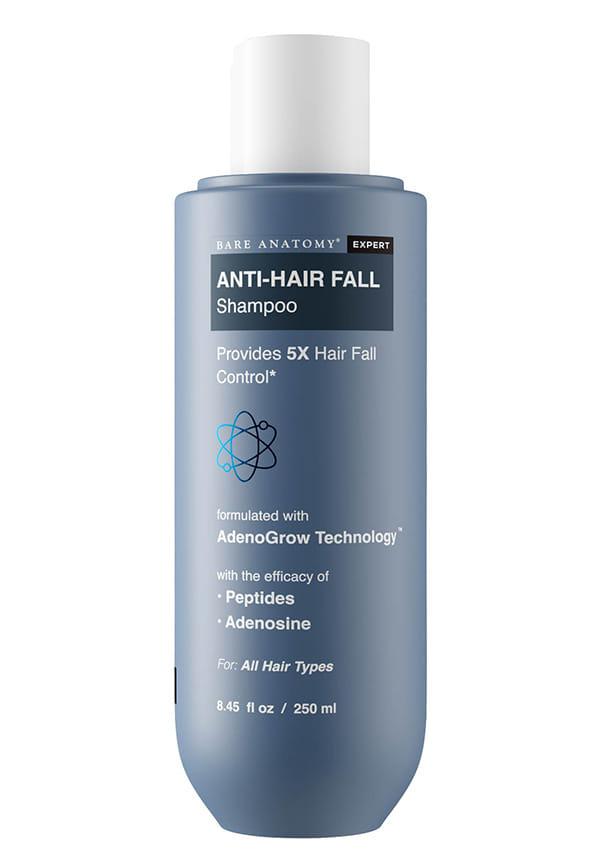
Anti-Hair Fall Shampoo | Provides 5X Hair Fall Control
Good Product for the Price
 5
5“good product with this price 🙂”
Good Product for the Price
5“good product with this price 🙂”
Good Product for the Price
5“good product with this price 🙂”
Let's be real—watching your hair fall out can feel like watching your confidence disappear strand by strand. Whether you're dealing with a receding hairline, thinning patches, or just noticing more hair in your brush than usual, you're not alone in this struggle. The good news? There are proven best hair loss remedies that actually work, and we're about to dive into everything from science-backed treatments to natural solutions that might just become your new fave. Ready to turn your hair loss story around?
Before jumping into solutions, it's worth understanding what's actually happening up there. Hair loss isn't just about bad luck—there are real reasons behind it, and knowing the cause helps you pick the right hair loss treatment approach.
The biggest culprit? Androgenetic alopecia, which is just a fancy term for male or female pattern baldness. This genetic lottery affects about 95% of hair loss cases in men and is increasingly common in women too.
But genetics aren't the only villain in this story:
Hormonal changes: Pregnancy, menopause, thyroid issues, and PCOS can all mess with your hair growth cycle
Stress: Both physical and emotional stress can push hair follicles into early retirement
Nutritional deficiencies: Low iron, protein, or vitamin levels can leave your hair literally starving
Harsh hair care: Tight ponytails, excessive heat styling, and chemical treatments can damage hair follicles
Medical conditions: Alopecia areata, scalp infections, and certain medications can trigger hair loss
Normal hair shedding is about 50-100 strands daily, but if you're seeing more than that, it might be time to take action. Watch out for these red flags:
Excessive hair in your brush, shower drain, or pillow
Widening part lines or visible scalp through your hair
Receding hairline or temple thinning
Patchy bald spots or overall hair volume loss
When it comes to hair loss prevention and treatment, medical science has some solid options that actually deliver results. These aren't miracle cures, but they're backed by research and FDA approval.
Minoxidil is probably the most well-known hair regrowth treatment out there. Originally developed for high blood pressure, doctors noticed patients were growing hair in unexpected places. Now available as Rogaine and generic versions, it works by increasing blood flow to hair follicles and extending the growth phase of hair.
The catch? You need to use it consistently—stop using it, and any new hair growth will likely disappear within a few months. Results typically show up after 3-6 months of regular use.
Finasteride (Propecia) takes a different approach by blocking the hormone DHT, which shrinks hair follicles in pattern baldness. It's primarily prescribed for men, as it can cause birth defects in pregnant women. About 80% of men see some improvement, with many experiencing significant hair regrowth.
Dutasteride is like finasteride's stronger cousin, blocking more DHT pathways. It's not FDA-approved for hair loss in many countries but is sometimes prescribed off-label for severe cases.
Beyond medications, several professional treatments are showing promising results for scalp health and hair regrowth:
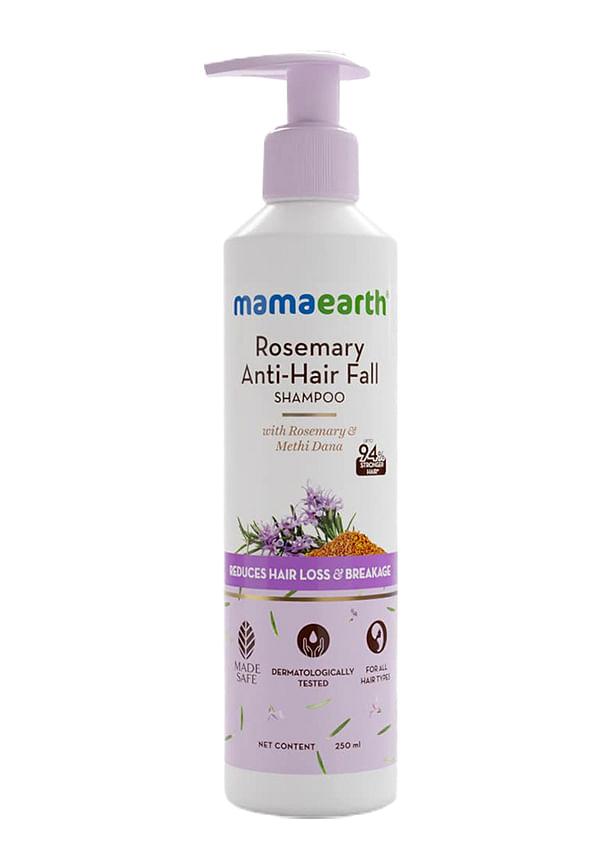
Rosemary Anti-Hair Fall Shampoo with Rosemary & Methi Dana for Reducing Hair Loss & Breakage
Awesome Product, Value for Money, On-Time Delivery
5“awesome product... value for money.. on time delivery... 👍👍👍”
Smooth, Shining Hair
5“smooth shining hair nice shampoo”
Good Packing & Hair Growth
5“it is very good in packing and helps to promote hair growth”
PRP therapy: Uses your own blood platelets to stimulate hair follicles
Low-level laser therapy: Red light treatments that may improve cellular activity in hair follicles
Hair transplants: Surgical relocation of healthy hair follicles to thinning areas
Scalp micropigmentation: Tattooing technique that creates the appearance of fuller hair
Not everyone wants to jump straight into medical treatments, and that's totally fair. Natural hair remedies can be surprisingly effective, especially when used consistently and combined with good hair care tips.
Rosemary oil has been getting serious attention lately, and for good reason. A 2015 study found it worked just as well as minoxidil for promoting hair regrowth after six months of use. Mix a few drops with a carrier oil like coconut or jojoba, massage into your scalp, and leave for at least 30 minutes before washing.
Peppermint oil is another winner for hair follicle stimulation. The menthol increases blood circulation to the scalp, potentially encouraging growth. Just remember to dilute it properly—pure peppermint oil can be quite intense on sensitive skin.
Coconut oil might not directly promote new growth, but it's brilliant for preventing hair breakage and maintaining scalp health. Its molecular structure allows it to penetrate the hair shaft, providing deep conditioning that keeps existing hair strong.
Your kitchen might hold some surprising thinning hair solutions. Onion juice sounds weird, but it's rich in sulfur compounds that may improve circulation and reduce inflammation. Blend an onion, strain the juice, apply to your scalp for 15 minutes, then wash thoroughly.
Aloe vera is brilliant for soothing an irritated scalp and creating optimal conditions for healthy hair growth. Apply fresh aloe gel directly to your scalp, leave for an hour, then rinse with cool water.
Fenugreek seeds are packed with proteins and nicotinic acid, which may strengthen hair and stimulate growth. Soak the seeds overnight, grind into a paste, apply to your scalp, and rinse after 30 minutes.
Here's something that costs nothing but time: scalp massage. A 2016 study found that just four minutes of daily scalp massage increased hair thickness after 24 weeks. The gentle pressure increases blood flow and may help stretch the cells of hair follicles.
Use your fingertips (not nails) to apply gentle, circular pressure across your entire scalp. You can do this dry or with oils—whatever feels good to you.
Men and women often experience different patterns of hair loss, so the best hair loss remedies can vary depending on your specific situation and biological factors.
Male pattern baldness typically starts with a receding hairline or crown thinning. For men, finasteride combined with minoxidil often provides the best results. The key is starting treatment early—once follicles are completely gone, they're much harder to revive.
Lifestyle factors matter too. Regular exercise improves circulation, stress management helps prevent stress-related shedding, and a protein-rich diet supports healthy hair growth.
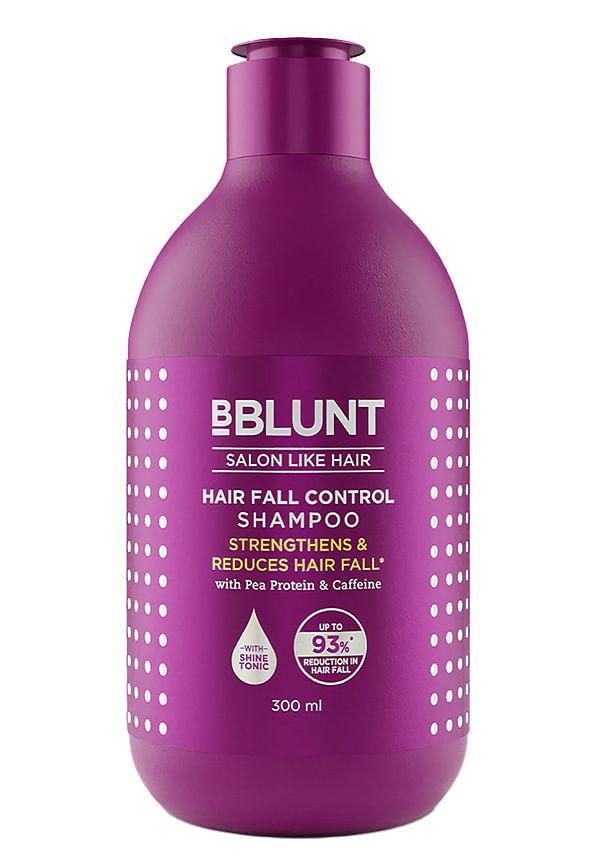
Hair Fall Control Shampoo with Pea Protein & Caffeine for Stronger Hair
Good everyday shampoo, realistic for hair fall
4“A good everyday shampoo if you want clean, softer, more manageable hair, but I wouldn't expect a shampoo alone to completely stop hair fall”
Good everyday shampoo, realistic for hair fall
4“A good everyday shampoo if you want clean, softer, more manageable hair, but I wouldn't expect a shampoo alone to completely stop hair fall”
Good everyday shampoo, realistic for hair fall
4“A good everyday shampoo if you want clean, softer, more manageable hair, but I wouldn't expect a shampoo alone to completely stop hair fall”
Women's hair loss is often more diffuse, creating overall thinning rather than distinct bald patches. Hormonal fluctuations during pregnancy, menopause, or due to conditions like PCOS play a huge role.
For women, minoxidil is usually the first-line treatment, as finasteride isn't recommended due to potential birth defects. Iron deficiency is also more common in women, so addressing nutritional gaps is crucial for effective hair loss prevention.
Sometimes the best defence is a good offence. Proper hair care can prevent unnecessary damage and create the best environment for healthy hair growth.
Your hair is essentially dead protein, so what you eat directly impacts its strength and growth. Protein requirements are crucial—aim for about 0.8 grams per kilogram of body weight daily from sources like eggs, fish, legumes, and lean meats.
Iron deficiency is one of the most common nutritional causes of hair loss, especially in women. Include iron-rich foods like spinach, lentils, and red meat, paired with vitamin C to improve absorption.
Biotin and zinc support hair follicle function, though deficiencies are relatively rare if you eat a balanced diet. B vitamins, particularly B12 and folate, also play important roles in cell division and hair growth.
Gentle handling can make a huge difference in preventing unnecessary hair loss. Wash your hair 2-3 times per week with lukewarm water—hot water strips natural oils and can irritate your scalp.
When it comes to styling, heat is hair's enemy. If you must use hot tools, always apply a heat protectant and keep temperatures below 180°C. Air-drying is your hair's best friend.
Tight hairstyles like ponytails, braids, or buns can cause traction alopecia—permanent hair loss from constant pulling. Give your hair regular breaks from tight styles.
If you're in panic mode about sudden hair loss, here's your emergency protocol to stop hair fall and prevent further damage while you figure out the underlying cause.
First, take a deep breath. Stress can actually worsen hair loss, so managing your anxiety is step one. Try meditation, yoga, or whatever helps you chill out.
Switch to a gentle, sulfate-free shampoo immediately and reduce washing frequency. Be extra gentle when brushing—use a wide-tooth comb on wet hair and start from the ends, working your way up.
Start a scalp massage routine today. Even five minutes of gentle circular motions can improve blood flow and potentially slow further loss.
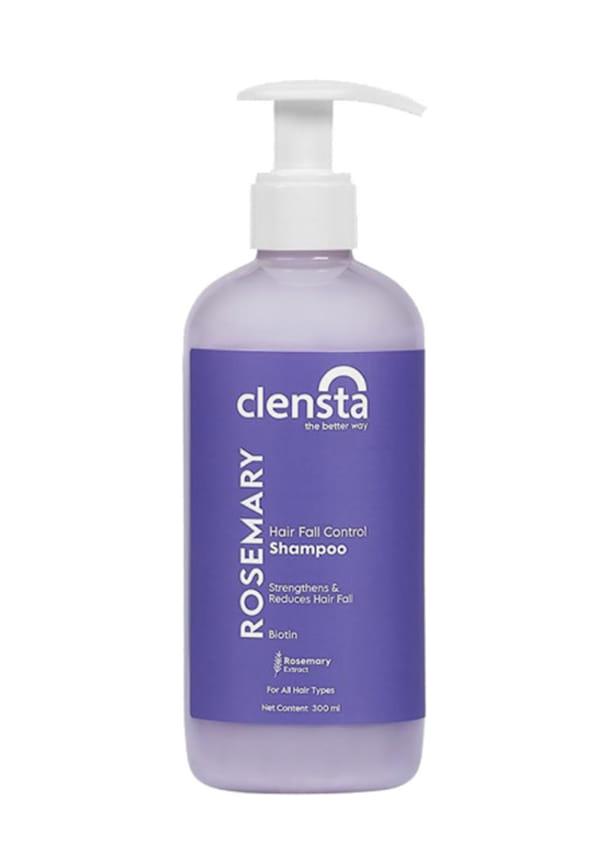
Rosemary Hair Fall Control Shampoo With Biotin For Reducing Hair Loss, Breakage & Daily Use
Great Face Cream with SPF
5“I really liked this face cream. The texture is smooth, absorbs quickly, and doesn’t feel greasy. It keeps my skin moisturized and the SPF 30 is a great added benefit for daily sun protection. Suitable for everyday use.”
Excellent Product!
5“Here's the revised 25-word review: "Life-changing product! Reduced inflammation, improved sleep, and increased energy. Easy to use and backed by science. Highly recommend for natural wellness seekers!"”
Product Recommendation
4“Recommended by friend very good”
The most effective approach often combines multiple strategies. You might start with natural remedies like scalp massage and essential oils while considering medical treatments for more aggressive intervention.
Set realistic expectations—most treatments take 3-6 months to show noticeable results. Take progress photos and track your routine to see what's actually working.
When exploring different hair loss treatment options, Smytten's trial packs let you test various haircare products without committing to full-size purchases. With over 1,500 trusted brands available, you can discover which formulations work best for your specific hair type and concerns—because finding the right products shouldn't involve guesswork or wasted money.
The best hair loss remedies depend on your specific type and cause of hair loss. For androgenetic alopecia, minoxidil and finasteride (for men) are the most proven medical treatments. Natural options like rosemary oil and scalp massage can also be effective, especially when combined with proper nutrition and gentle hair care practices.
Natural hair loss prevention involves scalp massage, essential oils like rosemary and peppermint, maintaining a protein-rich diet, managing stress levels, and using gentle hair care practices. Consistency is key—most natural remedies take 3-6 months to show results.
A comprehensive approach combining medical treatments (if appropriate), natural remedies, proper nutrition, stress management, and protective hair care practices typically yields the best results for hair regrowth and prevention of further loss.
Complete hair regrowth isn't always possible, especially if follicles are permanently damaged. However, early intervention with proven treatments like minoxidil, proper nutrition, and consistent scalp care can significantly improve hair density and slow further loss. Setting realistic expectations is important for long-term success.
Most natural hair remedies are safe when used properly, but essential oils should always be diluted and patch-tested first. If you're pregnant, nursing, or have scalp conditions, consult a healthcare provider before trying new treatments.
Most hair loss treatments require 3-6 months of consistent use before showing noticeable results. Hair growth is naturally slow, so patience and consistency are crucial for success.
Hair loss can feel overwhelming, but you've got more options than you might think. From proven medical treatments to natural remedies that actually work, the key is finding the right combination for your specific situation and sticking with it long enough to see results.
Remember, the best hair loss remedies are the ones you'll actually use consistently. Whether that's a simple scalp massage routine, essential oil treatments, or medical interventions, consistency beats perfection every time.
As you explore different thinning hair solutions, platforms like Smytten make it easier to test various haircare products without the commitment of full-size purchases. With trial packs from over 1,500 trusted brands, you can discover what works for your hair type and concerns—because when it comes to your hair health, why settle for 'maybe' when you can try it all?
Your hair loss journey is unique, and finding the right approach might take some experimentation. Be patient with yourself, celebrate small improvements, and remember that taking action is already a huge step towards healthier hair.
