How to Stop Hair Fall at Home: Effective Solutions

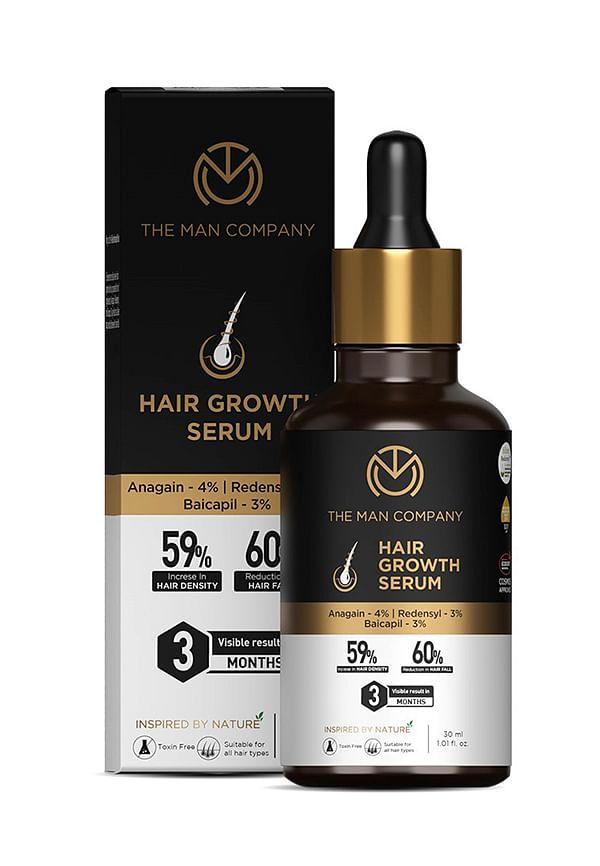
Hair Growth Serum
Staring at clumps of hair in your brush or drain can be proper stressful, right? Hair fall is one of those things that creeps up on you slowly, then suddenly you're wondering where half your hair went. The good news? You don't need to book expensive salon treatments or wait for a dermatologist appointment to start tackling this. There are loads of hair fall solutions at home that actually work—and most of them use stuff you probably already have lying around. Let's dive into some real talk about what's causing your hair to bail on you and, more importantly, what you can do about it without leaving your house.
Before jumping into solutions, let's get real about what's happening. Hair fall isn't always a massive red flag—losing 50 to 100 strands daily is totally normal. Your hair goes through cycles, and some shedding is just part of the process. But when you're noticing more hair on your pillow, in the shower, or basically everywhere except your head, that's when it's time to pay attention.
The usual suspects behind excessive hair fall include stress (hello, modern life), hormonal changes, poor diet, harsh styling habits, and sometimes genetics. Environmental factors like pollution and hard water can also mess with your hair's health. The key is figuring out what's triggering your specific situation so you can tackle it properly.
Physical stress from tight hairstyles, excessive heat styling, or chemical treatments can weaken hair follicles. Emotional stress releases cortisol, which can push hair into its shedding phase earlier than normal. Nutritional deficiencies, especially iron, protein, or vitamins, can also leave your hair struggling to stay put.
Right, let's get into the good stuff. Natural hair fall treatment options are brilliant because they're gentle, affordable, and you can customise them based on what your hair needs. Plus, you know exactly what's going on your scalp—no mysterious chemicals or unpronounceable ingredients.
Scalp massage is probably the easiest place to start. Just five minutes of gentle circular motions with your fingertips can boost blood circulation to your hair follicles. Do this daily, and you might notice your hair feeling stronger within a few weeks.
Rosemary oil is practically magic for hair growth—studies show it can be as effective as some commercial treatments. Mix a few drops with a carrier oil like coconut or jojoba, massage into your scalp, and leave for at least 30 minutes before washing out.
Aloe vera gel straight from the plant can soothe an irritated scalp and create better conditions for hair growth. Fenugreek seeds soaked overnight and ground into a paste make an excellent hair mask that's rich in proteins and nicotinic acid.
Time to get crafty with some homemade hair fall treatment options. These DIY approaches let you target your specific hair concerns whilst saving money and avoiding harsh chemicals. The best part? You can experiment until you find what works for your hair type.
Creating your own hair masks is easier than you think. Most recipes use kitchen staples, and you can adjust ingredients based on whether your hair is oily, dry, or somewhere in between.
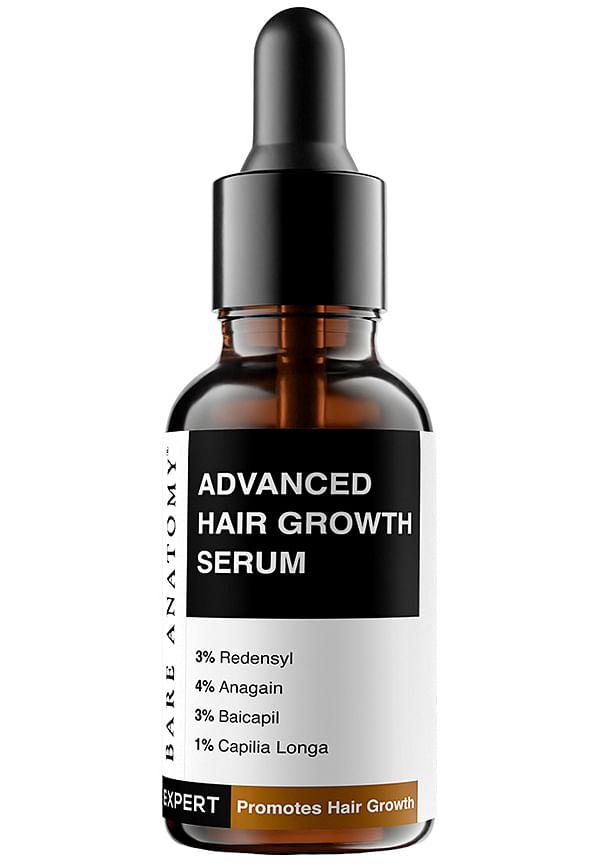
Advanced Hair Growth Serum
Super Hair Growth Serum
 5
5“super product nice hair growth serum”
Super Hair Growth Serum
5“super product nice hair growth serum”
Super Hair Growth Serum
5“super product nice hair growth serum”
Beat one or two eggs (depending on your hair length) with a tablespoon of olive oil. Apply from roots to tips, leave for 20 minutes, then rinse with cool water. The protein helps strengthen damaged hair whilst the oil adds moisture.
Save the water after cooking rice—it's packed with amino acids and vitamins that can strengthen hair. Let it cool, then use as a final rinse after shampooing. Your hair might feel a bit different at first, but give it a few uses to see results.
Sounds grim, but onion juice is rich in sulphur, which can improve blood circulation to hair follicles. Blend an onion, strain the juice, apply to scalp for 15-20 minutes, then wash thoroughly. The smell is worth it for the results.
Prevention is honestly better than cure, especially when it comes to hair fall. Small changes in your daily routine can make a massive difference in keeping your hair healthy and attached to your head. These hair fall prevention tips are easy to follow and don't require major lifestyle overhauls.
Your hair care routine needs a gentle approach. Aggressive brushing, especially when hair is wet, can cause breakage and unnecessary hair fall. Use a wide-tooth comb on damp hair and always start from the ends, working your way up.
If you can't give up your styling tools, at least use them wisely. Always apply a heat protectant, use the lowest temperature that gets the job done, and give your hair heat-free days whenever possible.
Switch to a silk or satin pillowcase to reduce friction while you sleep. Loose braids or a silk scrunchie can prevent tangles and breakage during the night.
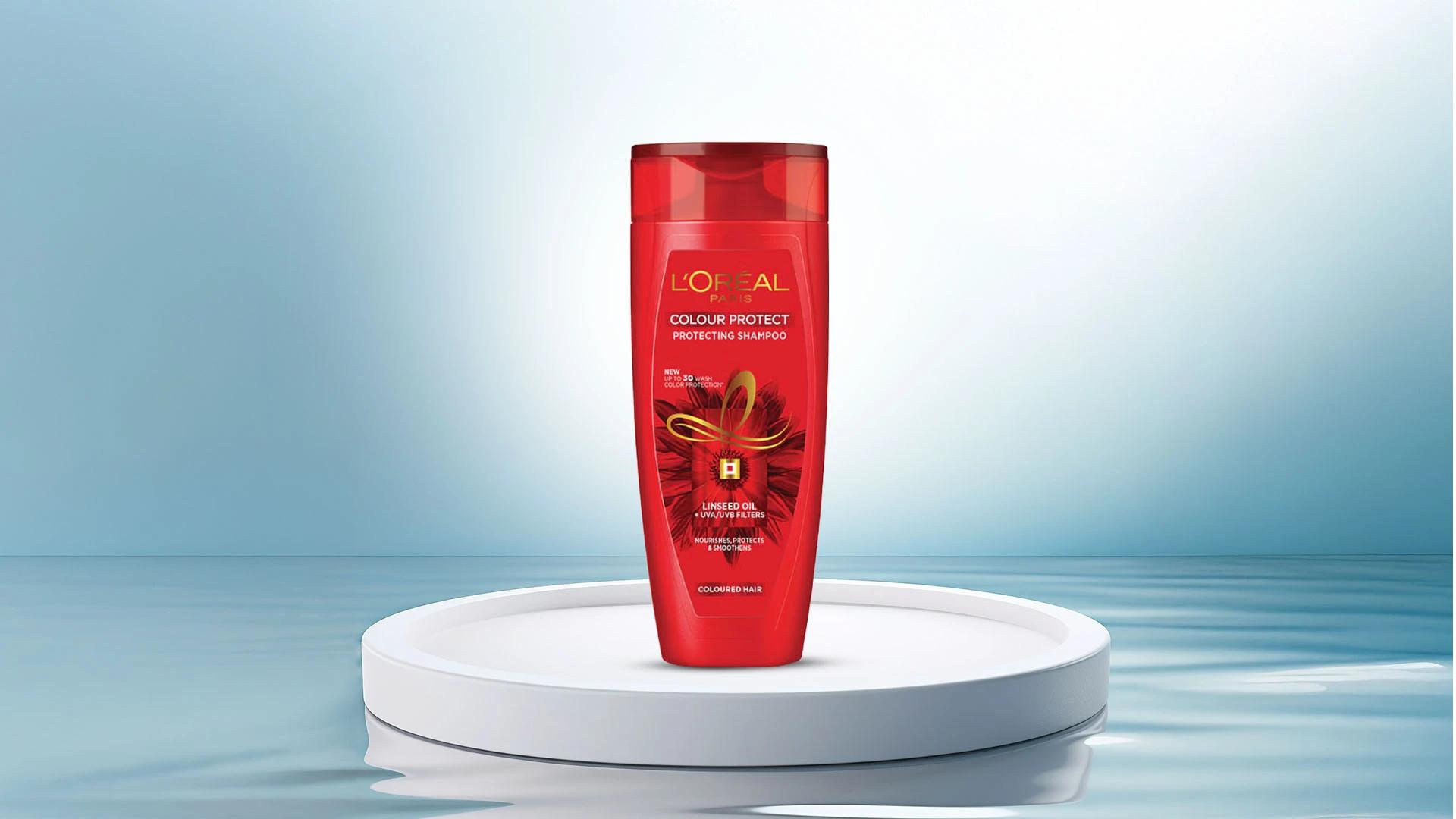
Not all shampoos are created equal, especially when you're dealing with hair fall. A proper hair fall control shampoo should cleanse without stripping your hair of natural oils, whilst delivering ingredients that support scalp health and hair strength.
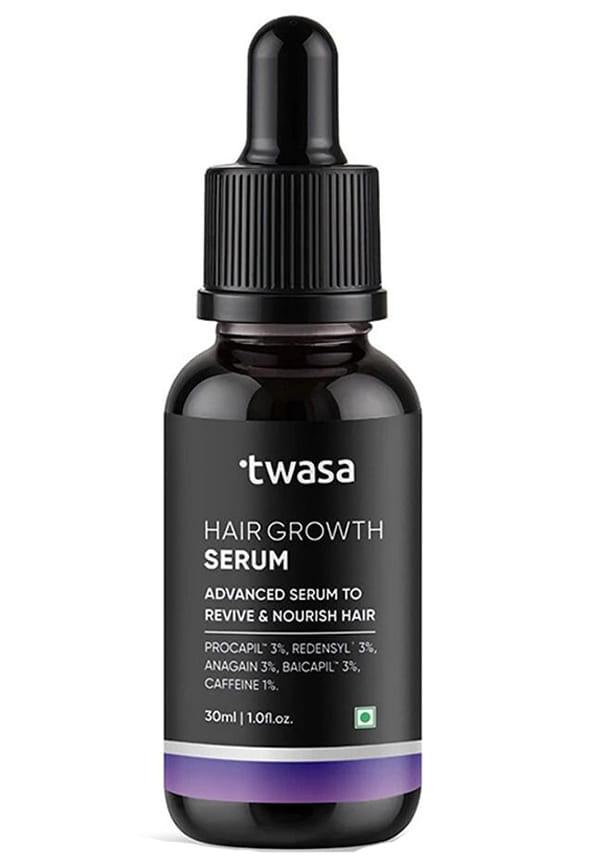
Advanced Hair Growth Serum
Look for shampoos with ingredients like biotin, niacin, or caffeine, which can stimulate circulation. Avoid harsh sulphates that can dry out your scalp and weaken hair follicles. Gentle, pH-balanced formulas work best for maintaining healthy hair and scalp conditions.
Focus the shampoo on your scalp rather than the lengths of your hair. Massage gently with your fingertips—not your nails—to avoid irritation. Rinse thoroughly to prevent product buildup, which can clog follicles.
Your hair's health is closely linked to your overall wellbeing. Effective hair fall control often requires looking at the bigger picture—what you eat, how you manage stress, and how you treat your body all impact your hair.
A balanced diet rich in protein, iron, omega-3 fatty acids, and vitamins is crucial for healthy hair growth. Think eggs, fish, leafy greens, nuts, and seeds. Hydration is equally important—dehydration can make hair brittle and prone to breakage.
Chronic stress is a major culprit behind hair fall. Regular exercise, meditation, or even just taking time for hobbies you enjoy can help manage stress levels and support healthy hair growth.
Your hair does most of its growing while you sleep. Aim for 7-8 hours of quality sleep to give your hair follicles the best chance to do their job properly.
Consistency is key when it comes to hair fall reduction techniques. You won't see overnight results, but sticking to a routine that combines multiple approaches gives you the best chance of success. Think of it as building healthy habits rather than quick fixes.
Regular scalp care should be part of your routine. This includes gentle exfoliation to remove buildup, proper cleansing without overwashing, and nourishing treatments to keep the scalp environment healthy.
Once a week, treat your hair to a deep conditioning mask. This can be a store-bought product or a DIY treatment. Focus on the mid-lengths to ends, avoiding the roots to prevent greasiness.
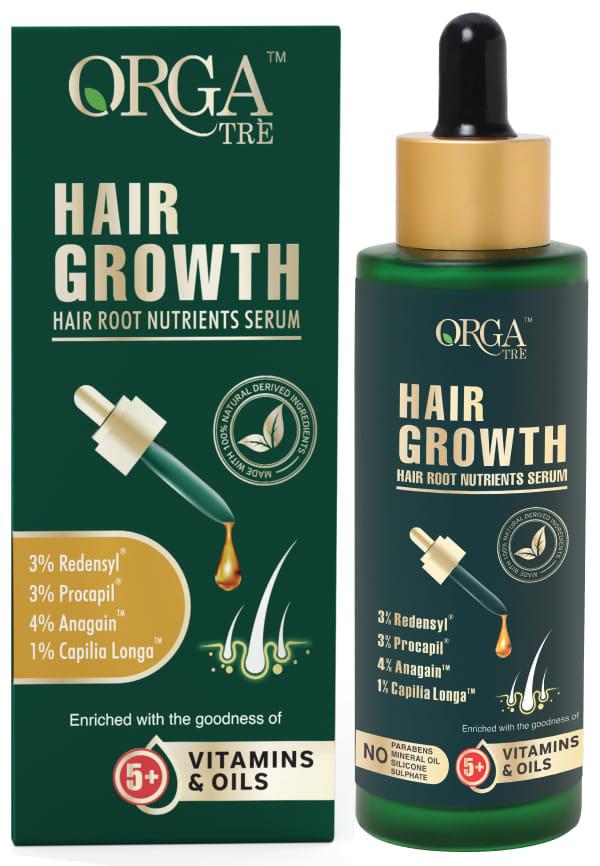
Hair Growth Serum
Magic Product, Must Try
5“Nice product. Must try. This works like magic”
Positive Product Review
5“nice product and light weightt”
Positive Product Review
5“i love it this product thank you”
Whilst trimming doesn't directly stop hair fall, removing split ends prevents breakage from travelling up the hair shaft. This keeps your existing hair healthier and reduces overall hair loss from damage.
When you're exploring different products and treatments, platforms like Smytten make it easier to find what works for your specific hair needs. With trial-sized versions of over 1,500 trusted haircare brands, you can test different formulas without committing to full-size purchases—perfect when you're trying to identify the most effective solutions for your hair fall concerns.
Most home remedies for hair fall need at least 8-12 weeks of consistent use before you notice significant changes. Hair growth cycles are slow, so patience is essential. You might notice less hair in the drain or on your brush within 4-6 weeks of starting a routine.
Absolutely. Chronic stress can push hair follicles into a resting phase, leading to increased shedding 2-3 months later. Managing stress through exercise, meditation, or therapy can help reduce stress-related hair fall.
Biotin, iron, vitamin D, and omega-3 fatty acids are particularly important for hair health. However, it's best to get these from a balanced diet rather than supplements, unless you have a diagnosed deficiency.
This depends on your hair type and scalp condition. Generally, 2-3 times per week is sufficient for most people. Overwashing can strip natural oils, whilst underwashing can lead to buildup that clogs follicles.
Yes, tight hairstyles like high ponytails, braids, or buns can cause traction alopecia. Give your hair breaks from tight styling and vary where you place hair ties to prevent constant tension on the same areas.
Dealing with hair fall at home doesn't have to be complicated or expensive. The most effective approach combines understanding what's causing your hair fall with consistent, gentle care using natural ingredients and healthy lifestyle choices. Remember, hair growth is a slow process, so don't expect overnight miracles—but with patience and the right routine, you can definitely see improvement.
The beauty of trying different hair fall solutions at home is that you can customise your approach based on what your hair responds to best. Some people swear by oil treatments, others see better results with dietary changes, and many find that a combination works best. The key is starting with one or two methods and building from there.
Most importantly, don't let hair fall stress you out more than necessary—stress itself can worsen the problem. Focus on creating a routine you can stick to, be kind to your hair, and remember that some shedding is completely normal. With the right approach and a bit of patience, you can definitely get your hair fall under control from the comfort of your own home.
