How to Stop Hair Breakage with Natural Remedies

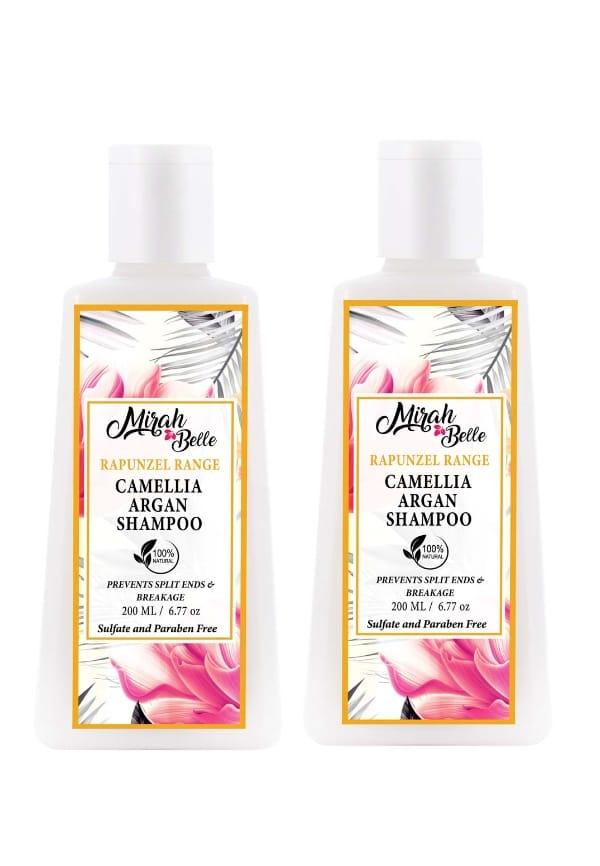
Organic & Natural - Camellia Argan Shampoo - Frizzy Hair, Breakage & Split Ends
Let's be real—watching your hair snap and break every time you brush it is beyond frustrating. You're not alone in this struggle. Hair breakage affects millions of people, and whilst the beauty industry keeps pushing expensive treatments, some of the most effective solutions might already be sitting in your kitchen cupboard. Natural remedies for hair breakage have been used for centuries, and modern science is finally catching up to prove what our grandmothers always knew. The best part? These hair breakage natural remedies work without harsh chemicals, and you can see real results in just 4-6 weeks with consistent care.
Before diving into solutions, it's worth understanding what hair breakage actually is. Unlike hair fall (where strands come out from the root), breakage happens when your hair shaft snaps somewhere along its length. You'll notice shorter pieces mixed in with your longer strands, or find tiny broken bits on your pillow or shoulders.
The science behind breakage is pretty straightforward. Your hair is made up of three layers: the cuticle (outer protective layer), cortex (middle strength layer), and medulla (inner core). When the cuticle gets damaged, the cortex becomes vulnerable, leading to weak spots that eventually snap under pressure.
Heat styling tools are massive offenders here. That straightener you use daily? It's literally cooking your hair at temperatures that can reach 200°C. Your hair starts to weaken at just 60°C. Tight ponytails, aggressive brushing when wet, and even sleeping on cotton pillowcases create friction that gradually wears down your hair's protective layer.
Over-processing with bleach, relaxers, or frequent colouring strips away your hair's natural proteins. Even some shampoos with harsh sulphates can be too aggressive for already weakened hair. The key is recognising when your haircare routine is doing more harm than good.
Your hair is essentially dead protein, but it needs proper nutrition whilst it's growing. Iron deficiency is the biggest culprit behind hair breakage causes, followed by insufficient protein, biotin, and vitamin D. If you're constantly dieting or have digestive issues, your hair often shows the effects first.
The good news? You can start preventing further breakage right now with some simple changes. These aren't complicated routines—just smarter ways to handle your hair that make a massive difference.
Start with how you brush. Never brush wet hair unless you're using a wide-tooth comb or a specifically designed wet brush. Begin detangling from the ends and work your way up. This prevents the pulling and snapping that happens when you drag a brush through tangled, vulnerable wet hair.
Swap your cotton pillowcase for silk or satin. Cotton creates friction that literally files away at your hair cuticles whilst you sleep. Loose braids or a silk scrunchie for overnight protection can prevent the tossing and turning damage that happens during sleep.
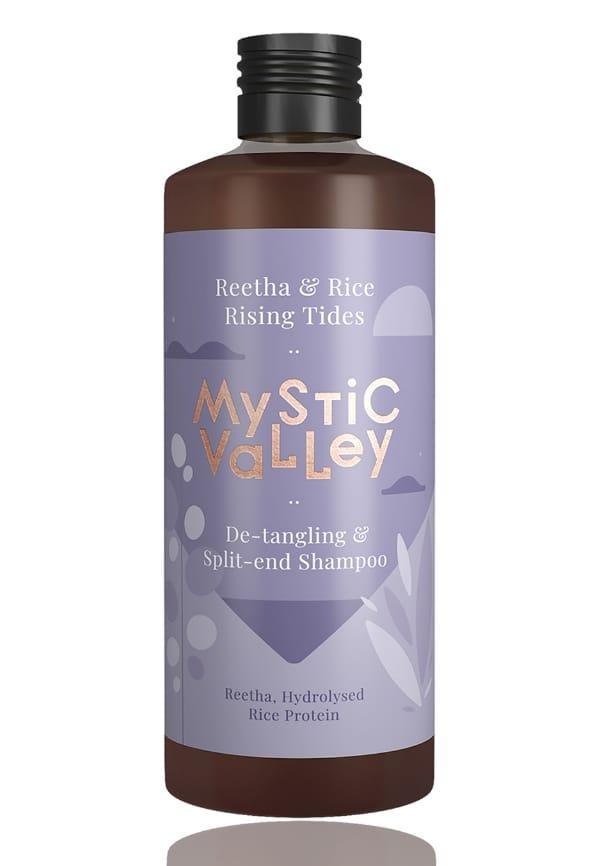
Reetha & Rice Protein Split End Repair & Detangling Shampoo
Air drying might take longer, but it's worth it. If you must speed things up, use a microfiber towel to gently squeeze out excess water—never rub or twist. The gentler you are during this vulnerable wet stage, the stronger your hair will be long-term.
Here's where natural hair care really shines. These DIY hair masks use ingredients with proven benefits, and you probably have most of them already. The key is understanding what your hair needs—protein, moisture, or both.
Eggs are brilliant for hair strengthening because they contain all the amino acids your hair needs to rebuild its structure. Mix one whole egg with a tablespoon of honey (which acts as a humectant to draw moisture). Apply to damp hair, focusing on the mid-lengths and ends. Leave for 20 minutes, then rinse with cool water to prevent the egg from cooking.
Greek yoghurt and banana make another powerful protein treatment. The lactic acid in yoghurt gently exfoliates the scalp whilst the proteins strengthen the hair shaft. Mash half a ripe banana with two tablespoons of plain Greek yoghurt. This mask is particularly good for chemically processed hair that needs serious damaged hair repair.
Coconut oil combined with fresh aloe vera gel creates an incredibly effective moisturising treatment. Coconut oil is one of the few oils that can actually penetrate the hair shaft rather than just sitting on top. Mix two tablespoons of melted coconut oil with one tablespoon of fresh aloe vera gel. Apply to dry hair, wrap in a warm towel, and leave for 30 minutes.
For extremely dry, brittle hair, try the avocado and olive oil blend. Avocados contain natural fatty acids that improve hair flexibility, whilst olive oil provides deep conditioning. Mash one ripe avocado with two tablespoons of extra virgin olive oil. This treatment works particularly well as an overnight mask for severely damaged hair.
Essential oils aren't just about lovely scents—many have genuine benefits for hair health. The trick is knowing which ones work and how to use them safely. These hair fall solutions focus on strengthening existing hair and creating optimal conditions for healthy new growth.
Rosemary oil has been shown in studies to be as effective as some conventional treatments for promoting hair growth. It works by improving circulation to the scalp, which means better nutrient delivery to hair follicles. Mix 3-4 drops with a tablespoon of carrier oil like jojoba or sweet almond oil. Massage into your scalp and leave for at least 30 minutes before washing.
Argan oil is packed with vitamin E and antioxidants that protect against environmental damage. It's particularly good for split ends treatment when applied to damp hair ends. Just a few drops worked through the bottom third of your hair can prevent further splitting and add flexibility.
Castor oil contains ricinoleic acid, which has anti-inflammatory properties and may help thicken hair over time. It's quite thick, so mix it with a lighter oil like coconut or olive oil. This blend works brilliantly as a pre-shampoo treatment.
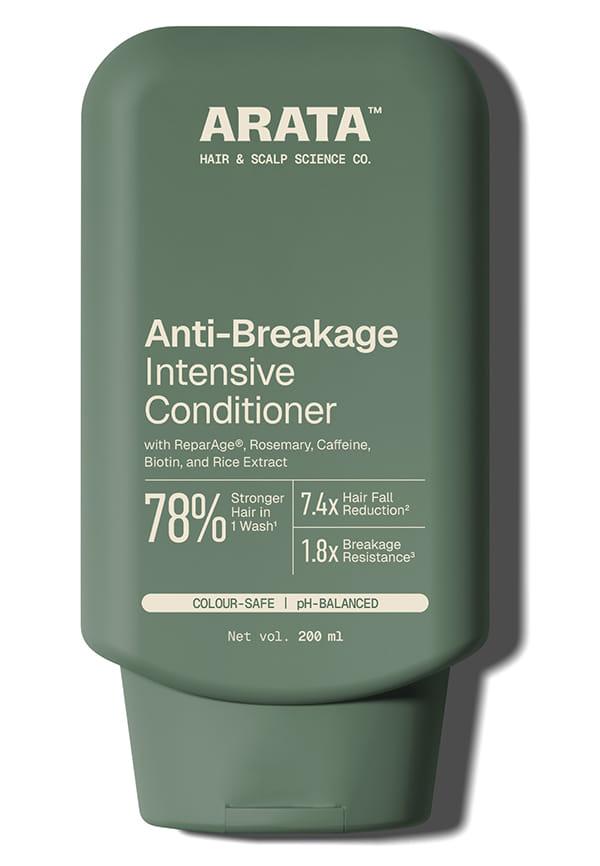
Anti-Hair Fall Conditioner for Breakage and Split-End Reduction | Powered by ReparAge®, Rice Protein, Caffeine, and Biotin | Supports Thicker & Dense
Apple cider vinegar rinses help balance your hair's pH, which smooths the cuticles and reduces breakage. Mix two tablespoons of raw apple cider vinegar with a cup of water. Use as a final rinse after shampooing, but don't use it more than once a week as it can be drying.
Green tea isn't just for drinking—it's loaded with antioxidants that protect hair from environmental damage. Brew a strong cup, let it cool, and use it as a final rinse. The caffeine may also help stimulate the scalp.
Consistency is everything when it comes to natural hair care. These hair health tips work best when they become regular habits rather than occasional treatments. The goal is to create a routine that supports your hair's natural strength and flexibility.
Switch to sulphate-free shampoos or try co-washing (washing with conditioner only) if your hair is particularly dry. Sulphates strip away natural oils that protect your hair shaft. If you're exploring new products, platforms like Smytten let you try mini versions before committing to full-size purchases, which is perfect for finding what works for your specific hair type.
Natural leave-in treatments can be as simple as a few drops of oil worked through damp hair ends. Jojoba oil is brilliant because it most closely mimics your scalp's natural sebum.
Schedule one deep conditioning treatment per week using natural ingredients. Alternate between protein treatments (if your hair feels stretchy or limp) and moisturising treatments (if it feels dry and brittle). Your hair will tell you what it needs.
Scalp massage isn't just relaxing—it genuinely improves circulation and can help distribute natural oils down the hair shaft. Spend 5 minutes massaging your scalp with your fingertips (not nails) before washing.
Your healthy hair diet matters more than you might think. Hair is essentially a reflection of your overall health, and deficiencies show up here first. The good news is that improving your nutrition benefits your entire body, not just your hair.
Protein is crucial because hair is made of keratin, a type of protein. Include complete proteins like eggs, fish, and quinoa in your diet. If you're vegetarian, combine legumes with grains to get all essential amino acids.
Iron deficiency is incredibly common, especially in women, and it's one of the main hair breakage causes. Include iron-rich foods like spinach, lentils, and lean meats. Vitamin C helps iron absorption, so pair these foods with citrus fruits or bell peppers.
Omega-3 fatty acids from fish, walnuts, and flaxseeds help keep hair flexible and shiny. These healthy fats also reduce inflammation, which can affect hair growth.
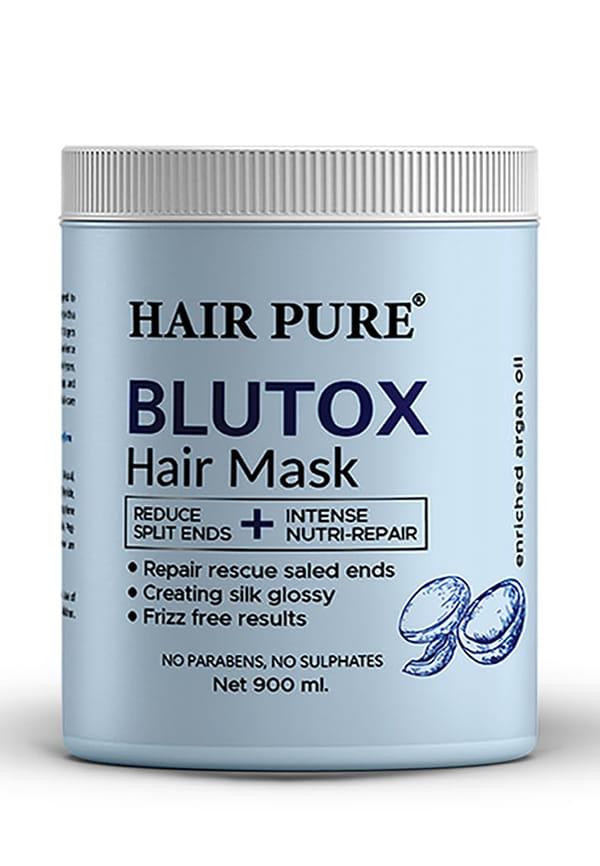
Blutox Hair Mask for Reduces Split Ends & Intense Nutri-Repair Treatment
Stress genuinely affects hair health by disrupting the growth cycle and increasing inflammation. Regular exercise, meditation, or even just daily walks can help manage stress levels.
Sleep quality matters too—your body repairs and regenerates during deep sleep, including hair follicles. Aim for 7-9 hours of quality sleep, and consider that silk pillowcase we mentioned earlier.
Hydration affects every cell in your body, including hair follicles. Aim for at least 8 glasses of water daily, more if you're active or live in a hot climate.
Focus on gentle handling techniques, regular deep conditioning with natural ingredients like coconut oil and eggs, and address any nutritional deficiencies. Avoid heat styling, use silk pillowcases, and be patient—natural remedies typically show results within 4-6 weeks of consistent use.
Iron deficiency (particularly low ferritin levels) is the most common nutritional cause of hair breakage, followed by insufficient protein, biotin, and vitamin D. A blood test can help identify specific deficiencies that might be affecting your hair health.
Combine protein treatments like egg masks with moisturising treatments using coconut oil or avocado. Focus on gentle handling, regular trims to prevent split ends from travelling up the shaft, and protective styling. Consistency is key for seeing real improvements.
Natural remedies can strengthen existing hair and significantly reduce further breakage, but severely damaged sections may need trimming. The good news is that with proper care, new healthy growth typically becomes visible within 2-3 months, and you'll notice stronger, more resilient hair overall.
You'll notice immediate improvements in manageability and softness within 1-2 weeks. Visible strength improvements usually appear in 4-6 weeks, and significant length retention becomes obvious after 3-4 months of consistent natural care.
Natural remedies for hair breakage aren't just trendy—they're genuinely effective when used consistently and correctly. The key is understanding what your hair needs and being patient with the process. Unlike quick fixes that might provide temporary results, these natural approaches strengthen your hair from the inside out.
Remember, healthy hair is a marathon, not a sprint. Start with gentle handling techniques and one or two natural treatments that appeal to you. As you see improvements, you can gradually build a more comprehensive routine. With over 25 million users discovering new products through trial packs, Smytten makes it easier than ever to explore natural haircare brands without the commitment of full-size purchases. After all, why settle for damaged, breaking hair when you can try natural solutions that actually work?
