How to Stop Hair Breakage From Styling: Expert Tips


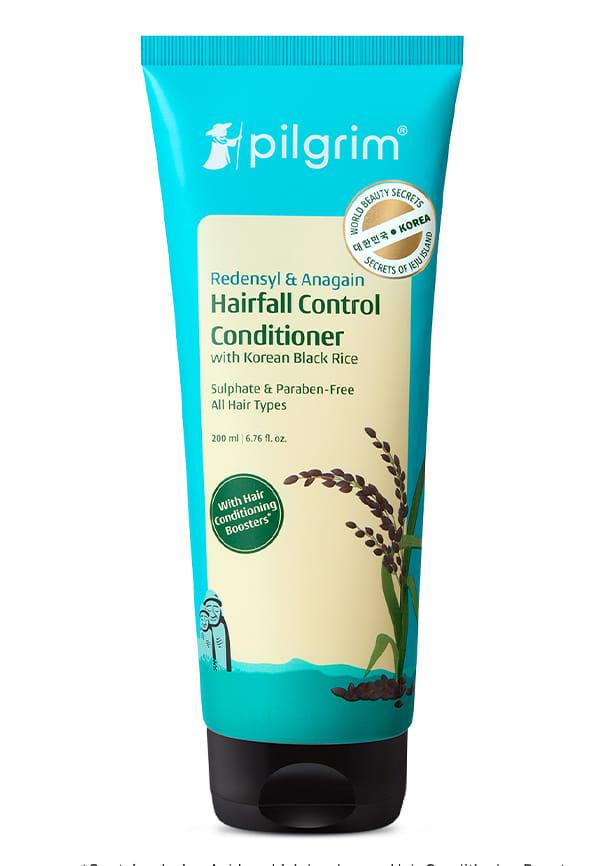
Redensyl & Anagain Conditioner Prevents Hair Breakage|Increases Hair Thickness
Good Product, Recommended
 5
5“i use and refer to everyone good”
Makes hair shiny, silky & smooth
5“hair looks shine and silky & smooth texture & non - frizzy”
Makes hair shiny, silky & smooth
5“hair looks shine and silky & smooth texture & non - frizzy”
Let's be real—we've all been there. You're trying to nail that perfect blowout or get those bouncy curls just right, only to find broken strands scattered across your bathroom floor. Hair breakage from styling is basically the villain origin story nobody asked for, but here we are. The good news? You don't have to choose between gorgeous hair and healthy hair. Understanding how to stop hair breakage from styling is your ticket to having both, and it's way more doable than you think. Whether you're dealing with heat damage, over-processing, or just aggressive brushing habits, there are proven ways to protect your strands while still getting the looks you love. At Smytten, we've seen countless people discover game-changing haircare products that transform their styling routine from damaging to nourishing—and you can too.
TL;DR
Hair breakage happens when styling weakens your hair's protein structure, causing strands to snap rather than naturally shed
Heat protection, gentle techniques, and proper tools are your first line of defence against styling damage
Strengthening treatments with protein and deep conditioning can rebuild damaged hair over time
Simple changes like lower heat settings, protective styles, and regular trims make a massive difference
Prevention is always easier than repair—start protecting your hair before damage becomes visible
Your hair is basically a complex protein structure made up of three layers—the cuticle, cortex, and medulla. When you style your hair, especially with heat or chemicals, you're essentially disrupting this structure. Hair styling damage occurs when the protective cuticle layer gets lifted or damaged, exposing the inner cortex to further harm.
The difference between breakage and natural shedding is pretty straightforward. Natural shedding happens at the root—you'll see a little white bulb at the end of fallen strands. Breakage, on the other hand, creates jagged ends and happens anywhere along the hair shaft. If you're finding short pieces of hair rather than full-length strands, that's breakage talking.
Your hair will literally tell you when it's had enough. Look out for increased tangling, dullness, split ends, or that rough, straw-like texture. Hair damage from heat styling often shows up as dry, brittle strands that snap easily when wet.
Some of the biggest hair villains are hiding in plain sight in your daily routine. These seemingly innocent habits might be the reason you're dealing with breakage, and the good news is they're totally fixable.
Wet hair is at its most vulnerable state—it's literally swollen with water and more prone to stretching and snapping. Aggressive brushing when your hair is soaking wet is basically asking for trouble.
Using hot tools without heat protection is like going out in the sun without SPF. The high temperatures literally cook your hair's protein structure, leading to permanent damage that can't be undone.
Those super-tight ponytails and braids might look sleek, but they're putting constant tension on your hair follicles and strands. This type of damage, called traction alopecia, can lead to permanent hair loss if you're not careful.
Layering chemical treatments—like colouring over relaxed hair or bleaching already-damaged strands—weakens your hair's structure beyond repair. Your hair needs time to recover between chemical processes.
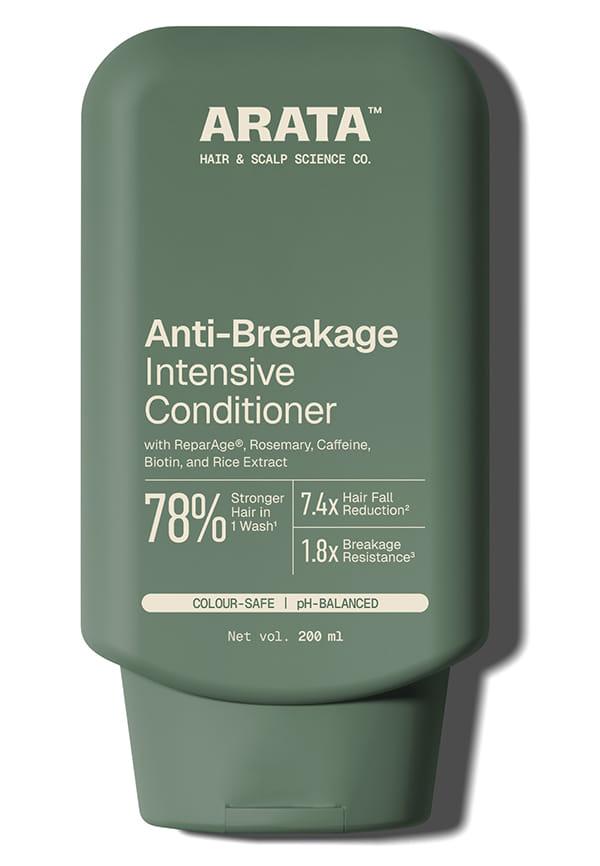
Anti-Hair Fall Conditioner for Breakage and Split-End Reduction | Powered by ReparAge®, Rice Protein, Caffeine, and Biotin | Supports Thicker & Dense
Prevention is your best mate when it comes to avoiding styling damage. Think of it as building a shield around your strands before you even pick up a styling tool. The key is creating a protective barrier that can withstand heat and manipulation.
Apply heat protectant to damp (not soaking) hair, working it through from mid-length to ends. Don't skip the back sections—that's where most people miss spots and end up with damage.
Start with clean, conditioned hair and always detangle gently with a wide-tooth comb. Let your hair air-dry to about 80% before using heat tools to minimise damage.
Ceramic and tourmaline tools distribute heat more evenly than basic metal ones, reducing hot spots that can fry your hair. Invest in tools with adjustable temperature settings so you can use the lowest effective heat.
Fine hair should never go above 300°F, while thick, coarse hair can handle up to 400°F. When in doubt, start low and increase gradually—you can always add more heat, but you can't undo damage.
If your hair is already showing signs of damage, don't panic. You can absolutely strengthen brittle hair and build up its resilience against future styling damage. It's all about giving your hair the nutrients and care it needs to rebuild its structure.
Protein treatments help fill in gaps in damaged hair cuticles, temporarily strengthening the hair shaft. Look for treatments with hydrolysed proteins that can actually penetrate the hair rather than just sitting on top.
A weekly deep conditioning treatment is non-negotiable for damaged hair. These treatments help restore moisture and flexibility, making your hair less prone to snapping during styling.
Your hair care routine for weak hair should include ingredients like biotin, keratin, and collagen. These building blocks help strengthen your hair from the inside out.
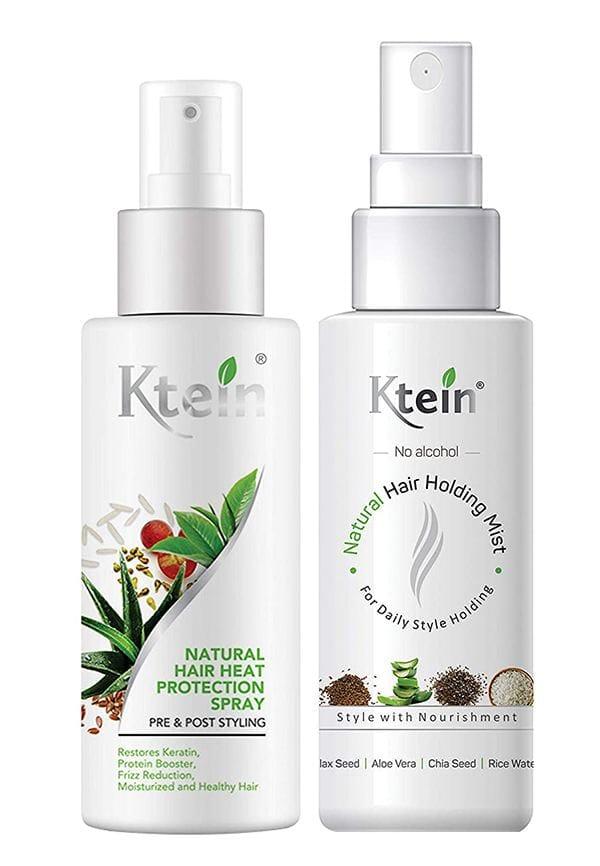
Heat Protection Spray And Hair Holding Spray
Don't overlook natural options like coconut oil, argan oil, and shea butter. These ingredients can penetrate the hair shaft and provide lasting moisture and protection.
The way you handle your hair during styling makes a massive difference in preventing damage. Small changes in technique can dramatically reduce split ends and breakage over time. It's about working with your hair's natural texture rather than fighting against it.
Embrace styles that require minimal handling—think twist-outs, braids, or simple updos. The less you manipulate your hair, the less opportunity there is for damage.
Protective styles keep your ends tucked away and reduce daily manipulation. Options like silk scarves, loose braids, or gentle buns can give your hair a break from styling stress.
Always start brushing from the ends and work your way up to avoid pulling and breaking tangled sections. Use a wide-tooth comb on wet hair and a boar bristle brush on dry hair for best results.
Explore methods like plopping for curls, overnight braids for waves, or silk pillowcases to maintain styles without additional heat damage.
When prevention isn't enough and you're dealing with existing damage, targeted repair treatments can help restore your hair's health and appearance. The key is choosing treatments that address your specific type of damage and being consistent with application.
Salon treatments like Olaplex or keratin treatments can provide more intensive repair than at-home options. These treatments work at a molecular level to rebuild broken bonds in damaged hair.
Weekly protein masks and monthly intensive conditioning treatments can significantly improve hair strength and appearance. Look for treatments with ingredients like hydrolysed keratin and amino acids.
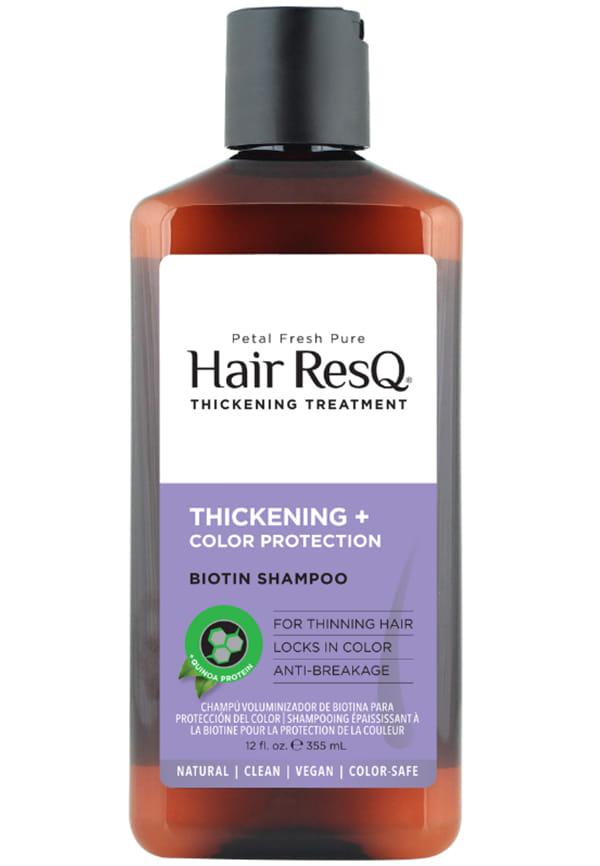
Hair ResQ Thickening Shampoo Color Protection
Regular trims every 6-8 weeks prevent split ends from travelling up the hair shaft. It might seem counterproductive when you're trying to grow your hair, but it actually helps maintain length by preventing breakage.
Seek out products with ceramides, peptides, and natural oils. Avoid harsh sulphates, drying alcohols, and products with too much protein if your hair is already brittle.
Start by using a heat protectant every single time you style, lower your tool temperatures, and switch to gentler techniques like air-drying or protective styles. These changes can prevent further damage right away.
While you can't reverse damage that's already occurred, you can strengthen existing hair and prevent future breakage. Consistent care with protein treatments and deep conditioning can dramatically improve hair health over time.
Normal hair loss occurs at the root and you'll see a white bulb at the end of shed hairs. Breakage creates jagged ends and happens anywhere along the hair shaft, often resulting in shorter broken pieces.
You might notice immediate improvements in texture and manageability, but significant strengthening typically takes 4-6 weeks of consistent treatment. Remember, hair grows slowly, so patience is key.
Absolutely! Natural oils like coconut and argan oil, protein-rich treatments like egg masks, and gentle handling techniques can all help strengthen hair naturally. The key is consistency and avoiding harsh chemicals.
Try the stretch test—wet a strand and gently pull. If it snaps immediately, you need protein. If it stretches significantly before breaking, you need moisture. Finding the right balance is crucial for preventing breakage, and platforms like Smytten make it easy to trial different protein and moisture treatments to find what works for your hair.
Stopping hair breakage from styling isn't about giving up the looks you love—it's about being smarter with your approach. The most effective strategy combines prevention with repair: protect your hair before styling, use gentle techniques during styling, and nourish your hair afterwards. Remember that consistency beats intensity every time. Small daily changes like using heat protection, choosing lower temperatures, and being gentle during detangling will have a bigger impact than occasional intensive treatments.
Your hair type and damage level will determine which strategies work best for you, so don't be afraid to experiment with different approaches. What works for your mate might not work for you, and that's totally normal. The key is paying attention to how your hair responds and adjusting accordingly.
Finding the right products to prevent hair breakage from styling can feel overwhelming with so many options available. That's where Smytten comes in handy—India's largest product discovery and trial platform lets you explore haircare solutions from over 2,400 trusted brands without the commitment of full-size purchases. Whether you're looking for heat protectants, strengthening treatments, or gentle styling products, you can trial authentic brand-verified minis from brands like WishCare, Love Beauty & Planet, and Bella Vita before deciding what works for your hair. With 100% cashback on trials and the convenience of trying before you buy, you can build the perfect hair care routine for breakage prevention without the guesswork. After all, why settle for damaged hair when you can #TryItAll and find products that actually work for your unique needs?
