How to Stop Hair Breakage: Expert Hair Care Tips

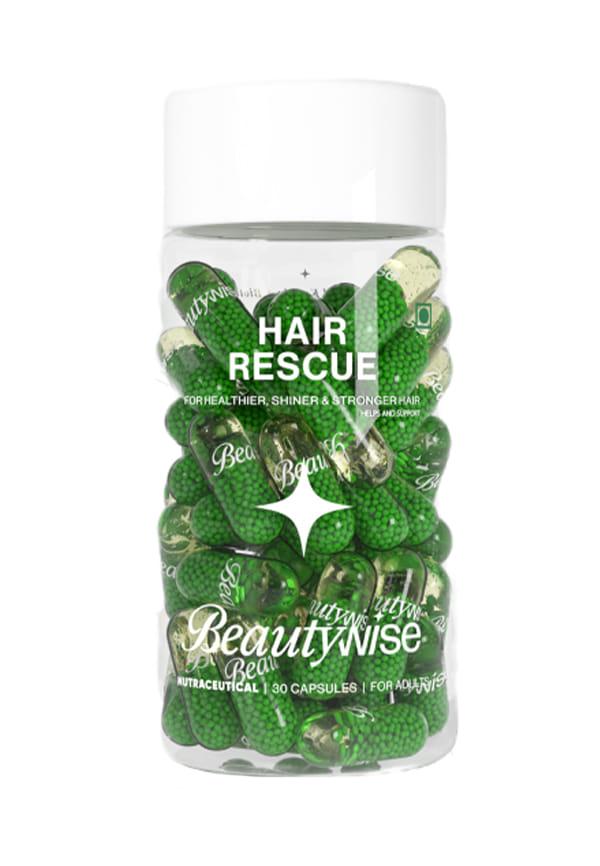
Hair Rescue, Hair Aminos, Vitamins, DHT Blocker for Hairfall Control & Growth
Good product, slow hair growth
 4
4“good product but slow process of growth of hair”
Hair Improvement
5“my hair are improving day by day.”
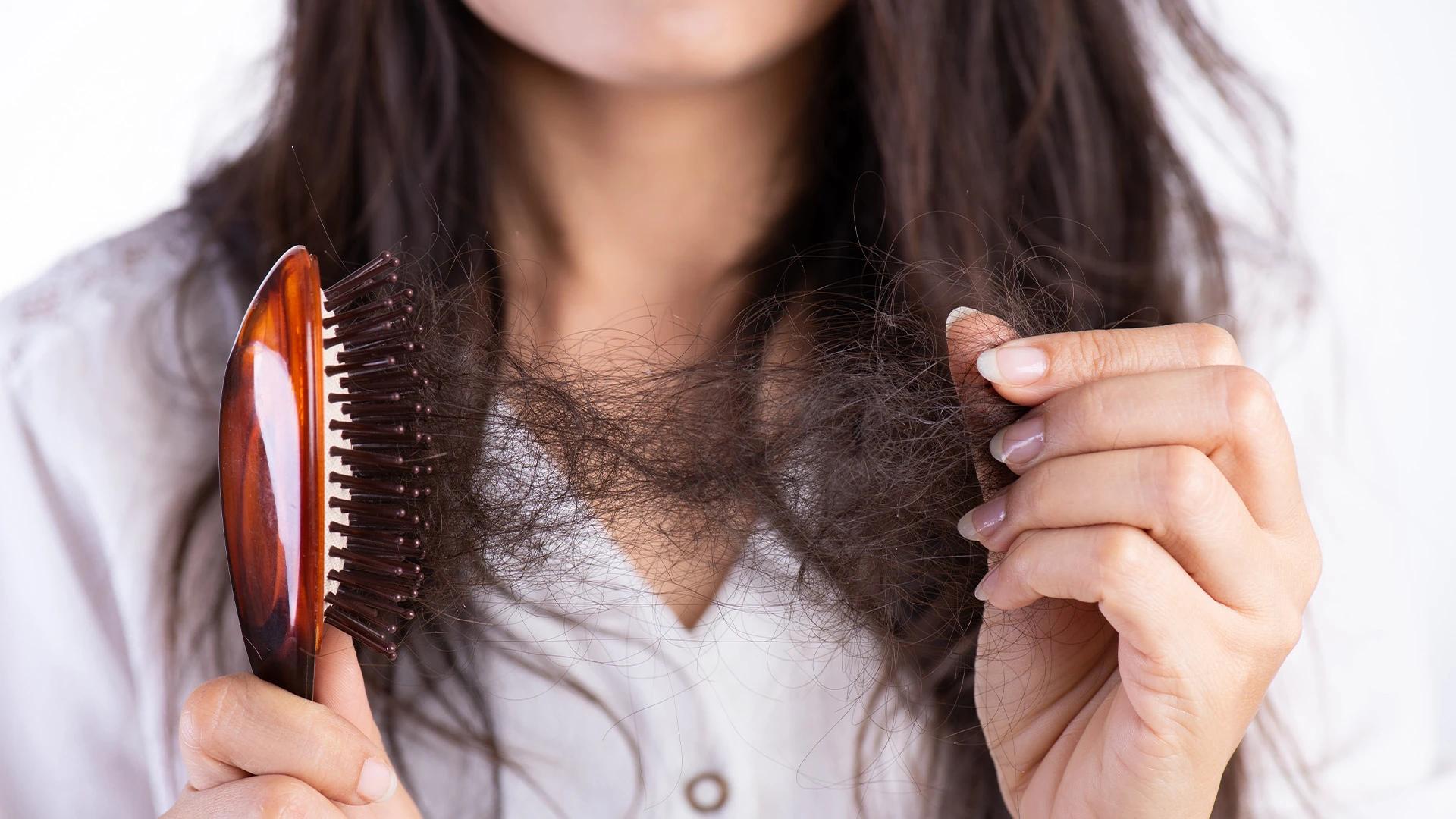
Hair breakage can feel like a never-ending battle, especially when you're finding short, snapped strands everywhere from your brush to your pillow. Unlike natural hair shedding (which happens to everyone), breakage occurs when your hair literally snaps due to damage, weakness, or improper handling. The telltale signs? Short, uneven pieces with blunt ends, split ends creeping up your strands, and that frustrating brittle texture that just won't cooperate. Understanding how to stop hair breakage isn't just about aesthetics—it's about protecting your hair's structural integrity so you can actually grow the healthy, strong hair you're after. With the right approach and some expert-backed strategies, you can turn things around and give your strands the TLC they deserve. Whether you're dealing with heat damage, over-processing, or just need better daily habits, there's hope for stronger, more resilient hair ahead. Platforms like Smytten make it easier than ever to discover and trial the right haircare products for your specific breakage concerns without the commitment of full-size purchases.
TL;DR
Hair breakage happens when strands snap due to damage, creating short pieces with blunt ends—different from natural shedding
Main culprits include heat styling, harsh chemicals, mechanical damage, and nutritional deficiencies
Prevention focuses on gentle handling, proper moisture balance, heat protection, and strengthening treatments
Professional help may be needed for severe cases or underlying medical conditions
Consistency with protective routines and quality products is key to long-term hair health
Your hair is basically a complex protein structure made up of three layers: the outer cuticle (your hair's protective shield), the cortex (where strength and colour live), and the inner medulla. When any of these layers get compromised, that's when breakage starts happening. Think of it like a rope that's been frayed—once those protective fibres are damaged, the whole strand becomes vulnerable to snapping.
The biggest troublemakers when it comes to hair breakage are surprisingly common in most people's routines. Heat styling tools can literally cook your hair's protein structure, while chemical treatments like bleaching and relaxing break down the bonds that keep your strands strong. Then there's mechanical damage—that aggressive towel-drying, tight ponytails, and rough brushing that seems harmless but adds up over time.
Your environment plays a bigger role than you might think. UV rays, pollution, and even hard water can weaken your hair's structure over time. Inside your body, things like iron deficiency, hormonal changes, and poor nutrition can affect how strong your new hair grows in the first place.
Some hair types are naturally more prone to breakage. Curly and coily textures have more bends where the hair can weaken, while fine hair has less protein structure to begin with. High-porosity hair (damaged or chemically treated) loses moisture quickly, making it more brittle and breakage-prone.
Building a gentle routine is your first line of defence against breakage. This means rethinking everything from how you wash to how you dry your hair. The goal is to minimise stress on your strands while maximising moisture and strength.
Start with your washing technique—it's more important than the products you use. Wet hair is incredibly fragile, so treat it like delicate fabric. Use lukewarm water (hot water strips natural oils), focus shampoo on your scalp rather than the lengths, and never pile your hair on top of your head while washing.
Sulfate-free shampoos are gentler on damaged hair, but they're not automatically better for everyone. If you have oily hair or use a lot of styling products, you might need a stronger cleanser occasionally. The key is finding what works for your specific hair needs.
This is where you can really strengthen weak hair and prevent future damage. Use conditioner from mid-length to ends every time you wash, and invest in a weekly deep conditioning treatment. Your hair needs both moisture and protein, but the balance depends on your hair's current state—over-moisturised hair can become mushy, while over-proteined hair becomes brittle.
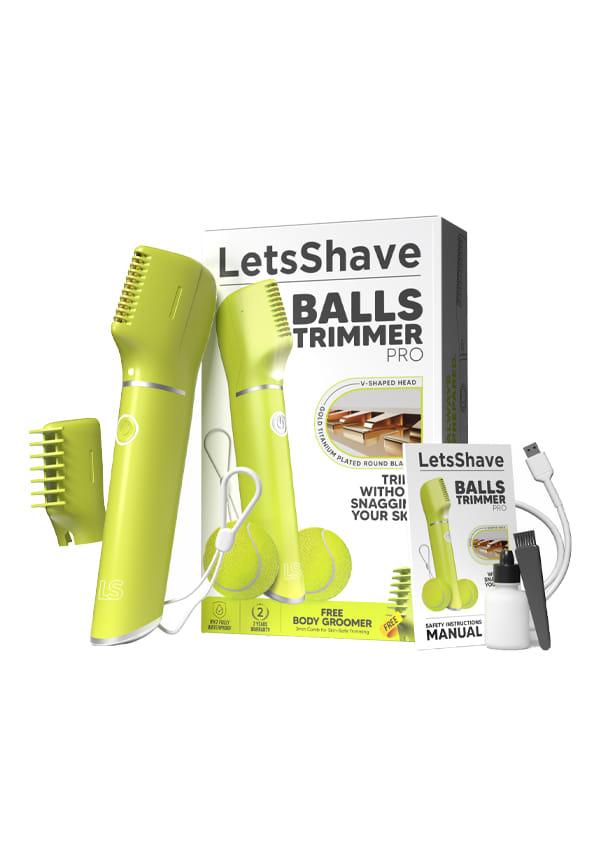
LetsShave Trimmer for Men Private Parts, Skin Safe 'R' Blades, 90Min Runtime & Water Proof, Pubic Hair Trimmer for Man, Body Trimmer Men, Body Groome
Excellent Product Recommendation
4“i love this product very much and recommend it to all the family and friends”
Excellent Product
5“very nice product and best product”
Ditch the regular towel and switch to a microfibre one or even a cotton t-shirt. These materials are much gentler and won't rough up your cuticles. Pat and squeeze rather than rubbing, and if you can air-dry most of the way before using heat, your hair will thank you.
Heat styling doesn't have to be the enemy, but it does need to be done smartly. The key is using proper protection, appropriate temperatures, and giving your hair regular breaks from the heat. Most people use way too much heat way too often—your hair needs time to recover between styling sessions.
A good heat protectant is non-negotiable if you're using hot tools. Look for products that specifically mention heat protection up to the temperatures you're using (usually 200-230°C for most styling tools). Apply it to damp hair and make sure every strand is covered before you start styling.
Fine or damaged hair should stay below 150°C, while thick or coarse hair can handle up to 200°C. Curly hair often needs higher heat to straighten effectively, but consider if you really need poker-straight hair or if a lower temperature could give you the style you want with less damage.
Heatless styling methods are having a major moment, and for good reason. Overnight braids, foam rollers, and styling creams can give you gorgeous results without any heat damage. These methods often last longer too, so you're not restyling as frequently.
If you colour, relax, or perm your hair, timing is everything. Most professionals recommend waiting at least 2-3 weeks between chemical services, and longer if your hair is already compromised. Sometimes the best hair treatment for brittle hair is simply giving it a break from processing.
Your nighttime routine can make or break your hair health—literally. While you sleep, your hair rubs against your pillowcase for 6-8 hours, creating friction that leads to breakage and frizz. The good news is that a few simple changes can turn your sleep time into hair recovery time.
Satin or silk pillowcases are worth the investment because they create less friction than cotton. If you're not ready to switch pillowcases, a silk scarf or bonnet works just as well. Loose braids or a very gentle scrunchie can keep longer hair from tangling without creating tension.
During the day, be mindful of how you're handling your hair. Avoid tight hairstyles that pull on your hairline, and if you must tie your hair up, use spiral hair ties or silk scrunchies. When detangling, always start from the ends and work your way up with a wide-tooth comb or detangling brush.
Just like your skin, your hair needs protection from UV rays. Hair sunscreens exist, or you can use leave-in treatments with UV filters. Hats and scarves aren't just stylish—they're practical protection for your strands.
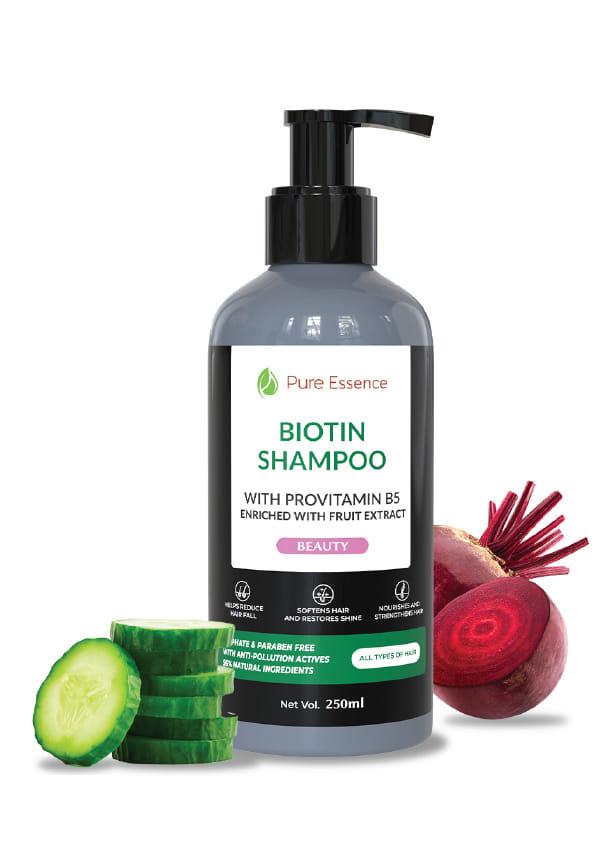
Biotin Shampoo | Softens Hair | Nourishes Scalp | Lowers Hairfall
Positive Product Review
5“Good product, thank you for the support”
Positive Product Experience
5“it's better experience everything in this product is soo nice good worth it ❤️”
What you eat directly impacts how strong your new hair grows. Hair is essentially dead protein, so the health of your hair depends entirely on what's happening at the root level. If your body isn't getting the nutrients it needs, your hair will be the first to show it.
Protein is obviously crucial since hair is made of keratin, but you also need iron for healthy blood flow to your scalp, zinc for hair tissue growth and repair, and vitamins like biotin and vitamin D for overall hair health. Most people get enough protein, but deficiencies in iron and vitamin D are surprisingly common and can definitely contribute to hair problems.
Dehydration affects your hair's elasticity—well-hydrated hair can stretch and bounce back, while dehydrated hair snaps. Aim for at least 8 glasses of water daily, and consider that caffeine and alcohol can be dehydrating.
Before jumping on supplement trends, it's worth getting blood work done to see if you actually have any deficiencies. Taking supplements you don't need won't help your hair and might even cause other issues. If you do have deficiencies, targeted supplementation under medical guidance can make a real difference.
Omega-3 fatty acids from fish, nuts, and seeds help keep hair moisturised and shiny. Antioxidant-rich foods like berries and leafy greens protect against environmental damage. Sweet potatoes provide beta-carotene, which converts to vitamin A—essential for sebum production.
Sometimes DIY care isn't enough, and that's completely normal. Professional treatments can provide intensive repair that you can't achieve at home, especially for severely damaged hair. Knowing when to seek professional help can save you months of frustration and prevent further damage.
Salon treatments like Olaplex or K18 work on a molecular level to rebuild broken bonds in your hair. These aren't just fancy conditioners—they actually repair damage rather than just temporarily smoothing it over. Professional deep conditioning treatments also use stronger ingredients and techniques than what's available for home use.
If you're experiencing sudden, severe hair loss or breakage that doesn't improve with better care, it might be time to see a dermatologist or trichologist. Conditions like alopecia, thyroid disorders, or hormonal imbalances can cause hair problems that won't respond to topical treatments alone.
Even healthy hair needs regular trims to prevent split ends from travelling up the hair shaft. For most people, trimming every 8-12 weeks is sufficient, but if you're dealing with breakage, you might need more frequent trims until your hair health improves.
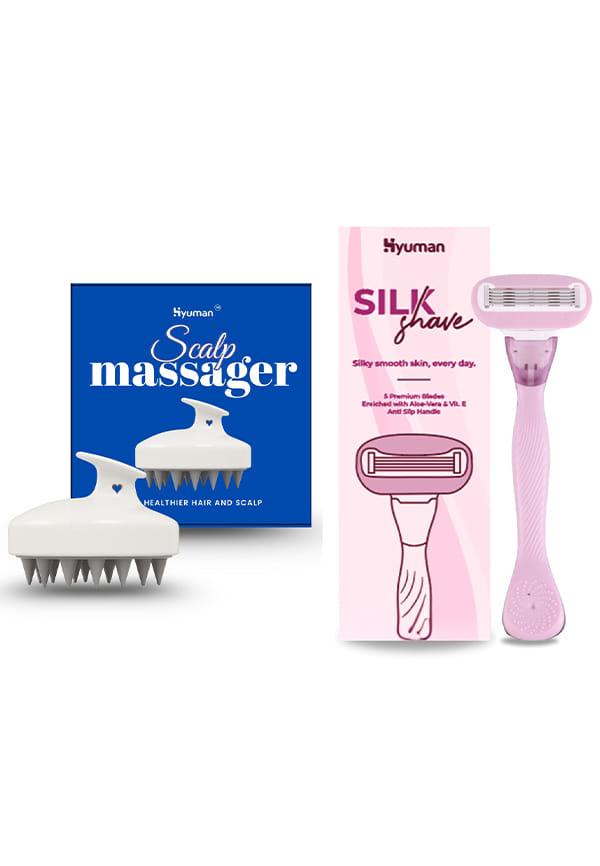
Silkshave + Scalp Massager
Focus on gentle handling, proper moisture balance, and protection from heat and chemicals. Use a wide-tooth comb on wet hair, sleep on satin pillowcases, apply heat protectant before styling, and maintain a consistent routine with quality products. Consistency is key—you won't see results overnight, but with patience, your hair will become stronger and more resilient.
Existing breakage can't be "fixed" since hair is dead tissue, but you can prevent further damage and improve the appearance with treatments and proper care. The broken pieces will need to grow out or be trimmed off, but new growth can be much healthier with the right approach. Focus on prevention rather than trying to repair what's already damaged.
Heat damage from styling tools is typically the biggest culprit, followed closely by mechanical damage from rough handling, tight hairstyles, and aggressive brushing. Chemical processing like bleaching and relaxing also significantly weakens hair structure. The good news is that all of these are preventable with better techniques and products.
Coconut oil penetrates the hair shaft and can help prevent protein loss, making it excellent for preventing breakage. Argan oil provides moisture and protection without weighing hair down. Jojoba oil closely mimics your scalp's natural sebum. Apply oils to damp hair for better absorption, focusing on mid-lengths and ends rather than the scalp.
DIY protein treatments using eggs or yoghurt can temporarily strengthen hair, while honey and avocado masks provide deep moisture. Apple cider vinegar rinses can smooth cuticles and reduce tangling. However, consistency with gentle handling and protective styling often matters more than specific treatments. Platforms like Smytten let you trial professional-grade treatments at home without committing to full-size products.
While you can't repair existing damage instantly, you can immediately stop causing new damage by changing your routine. Switch to gentle products, avoid heat styling, sleep on satin, and handle your hair more carefully. You'll start seeing improvements in new growth within a few weeks, but full recovery takes time and patience.
Stopping hair breakage is absolutely achievable with the right approach and consistency. The most important thing to remember is that prevention is always better than trying to fix damage after it's happened. Focus on gentle handling, proper moisture and protein balance, heat protection, and giving your hair regular breaks from styling and processing.
Your routine doesn't need to be complicated or expensive—often, the biggest improvements come from simply being more gentle with your hair and using products that actually work for your specific hair type and concerns. Pay attention to how your hair responds to different treatments and adjust accordingly.
Remember that hair health is a marathon, not a sprint. You won't see dramatic changes overnight, but with consistent care, you'll notice stronger, more resilient hair over time. If you're dealing with severe breakage or sudden hair loss, don't hesitate to consult a professional—sometimes underlying health issues need to be addressed first.
Finding the right products for your hair breakage concerns doesn't have to involve expensive mistakes or bathroom cabinets full of half-used bottles. Smytten is India's largest product discovery and trial platform, connecting consumers with top lifestyle, beauty, wellness, and grooming brands through curated trial packs from over 2,400 trusted brands. This try before you buy approach lets you explore haircare solutions from brands like WishCare, Love Beauty & Planet, and Bella Vita without committing to full-size purchases. With up to 10 Trial Points for just ₹279 and 100% cashback on trials redeemable for future orders, you can discover what actually works for your hair type and breakage concerns. The platform's 90% pin code coverage ensures PAN-India delivery of authentic, brand-verified minis, making it easier than ever to build an effective haircare routine. After all, why settle for 'maybe' when you can #TryItAll and find products that truly strengthen and protect your strands!
