How to Stop Hair Breakage: 7 Essential Prevention Tips

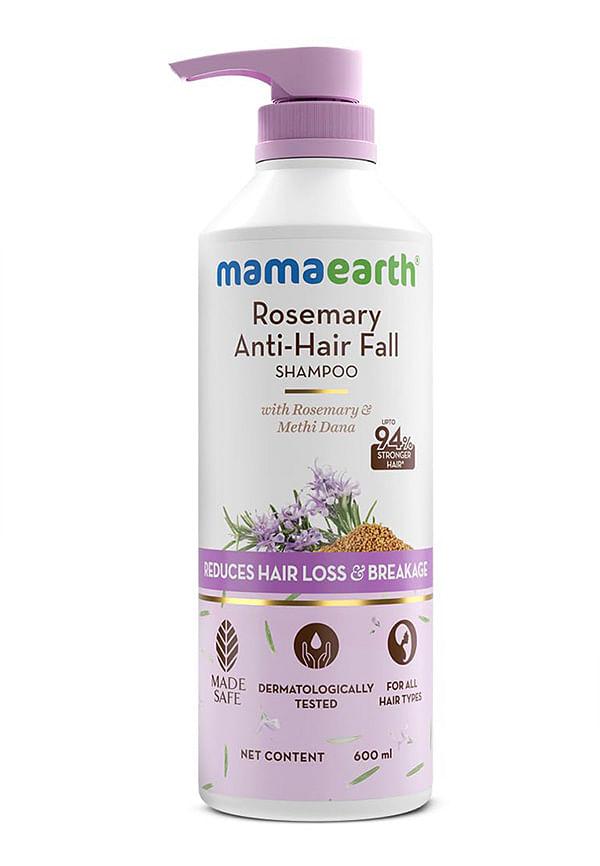
Rosemary Anti-Hair Fall Shampoo with Rosemary & Methi Dana for Reducing Hair Loss & Breakage
Hair breakage can feel like your worst nightmare, especially when you're watching your strands snap off faster than you can grow them. If you've been dealing with brittle hair, split ends, or mysterious breakage at the crown, you're definitely not alone. The truth is, understanding the factors causing hair breakage is your first step towards healthier, stronger strands. From heat damage to nutritional gaps, there are loads of culprits behind those frustrating breaks—but the good news? Most of them are totally fixable with the right approach and a bit of patience.
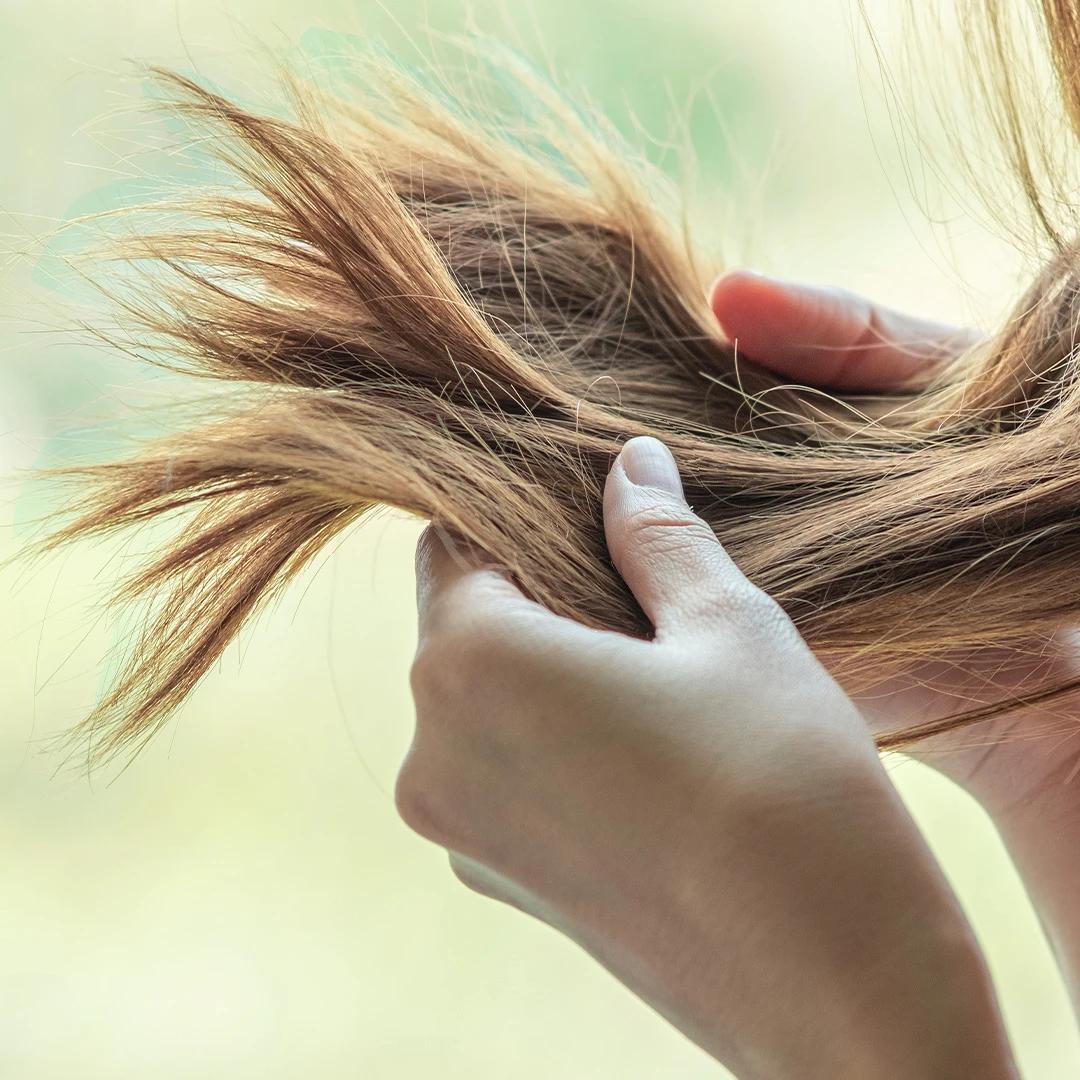
Let's get real about what's actually happening when your hair breaks. Hair breakage isn't the same as hair loss—whilst hair loss happens at the root level, breakage occurs along the hair shaft itself. Think of your hair like a rope made of tiny fibres; when those fibres get damaged or weakened, the rope snaps under pressure.
Your hair shaft has three layers: the cuticle (outer protective layer), cortex (middle strength layer), and medulla (inner core). When any of these layers get compromised, you're looking at potential breakage. The most vulnerable spots? Usually the mid-shaft and ends, where your hair has been exposed to the most environmental stress and manipulation.
Primary factors are the direct culprits—heat styling, chemical processing, and aggressive handling. Secondary factors include things like nutritional deficiencies, hormonal changes, and environmental stressors that weaken your hair over time.
Spotting breakage early can save your strands. Look out for hair split ends, short broken pieces around your hairline, and that telltale "halo" of broken hairs sticking up from your crown. If you're finding lots of short pieces on your pillow or in your brush, that's breakage, not normal shedding.
Here's where most of us go wrong—our styling habits. Heat styling tools can reach temperatures of 200°C or higher, which is hot enough to literally cook your hair proteins. When you repeatedly expose your strands to these extreme temperatures, you're breaking down the protein structure that gives your hair its strength and elasticity.
Over processed hair is another major culprit. Chemical treatments like bleaching, perming, and relaxing alter your hair's natural structure. When you layer multiple chemical processes or don't give your hair enough recovery time between treatments, you're setting yourself up for serious damage.
Don't forget about UV rays—they're not just bad for your skin. Sun exposure can break down hair proteins and fade your colour, leaving strands dry and prone to breakage.
Heat damage usually shows up as rough, frizzy texture and split ends. Chemical damage tends to create more uniform breakage patterns and can make your hair feel gummy when wet.
Your hair is basically made of protein, so when you're not getting enough of the right nutrients, your strands suffer. Hair protein loss weakens the structural integrity of each strand, making them snap under the slightest pressure.
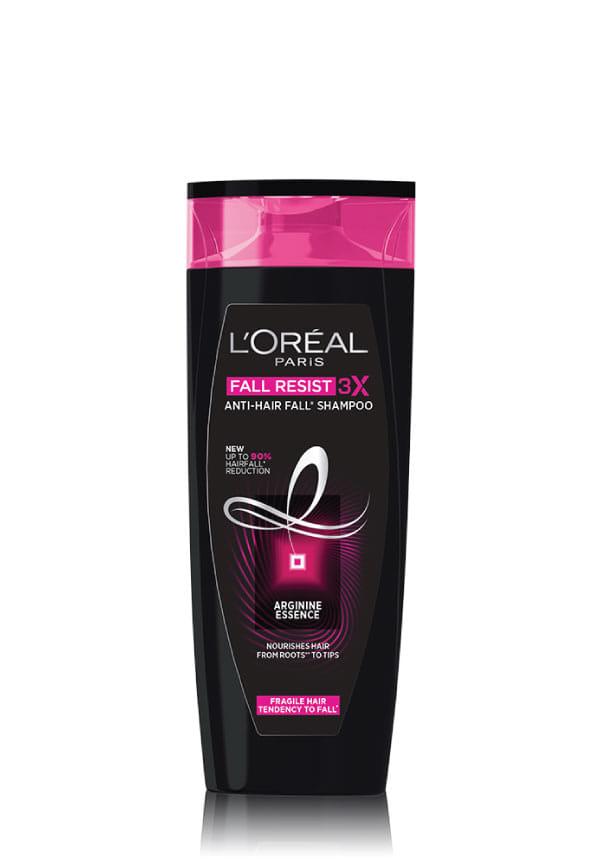
Fall Resist 3X Anti-Hairfall Shampoo
Key nutrients for strong hair include protein (obviously), iron, biotin, vitamin D, and omega-3 fatty acids. When you're deficient in any of these, your hair follicles can't produce strong, healthy strands. Iron deficiency is particularly common in women and can lead to both hair loss and increased breakage.
Thyroid disorders, PCOS, and even stress can mess with your hair's growth cycle and strength. These conditions often affect how well your body absorbs nutrients, creating a double whammy for your hair health.
If your breakage seems to happen all over rather than in specific spots, and your hair feels generally weak and lifeless, nutrition might be the issue.
Sometimes the biggest threats to your hair are hiding in your daily routine. Mechanical damage happens when you physically stress your hair through brushing, styling, or even sleeping.
Over-brushing, especially when your hair is wet and most vulnerable, can cause serious damage. Wet hair has reduced elasticity, making it more prone to snapping. Tight hairstyles like high ponytails, braids, and buns create constant tension that can lead to breakage, particularly around your hairline and crown.
Your pillowcase might be sabotaging your hair health. Cotton pillowcases create friction that can rough up your hair cuticles and cause tangles that lead to breakage.
Those elastic hair ties with metal clasps? They're basically hair-breaking machines. The metal can snag and cut your hair, whilst tight elastics create pressure points that weaken your strands.
Ready to turn things around? These seven strategies can help you prevent further damage and give your hair the best chance to recover and grow strong.
Switch to sulphate-free shampoos that won't strip your hair's natural oils. Wash every 2-3 days rather than daily, and focus the shampoo on your scalp rather than the lengths of your hair.
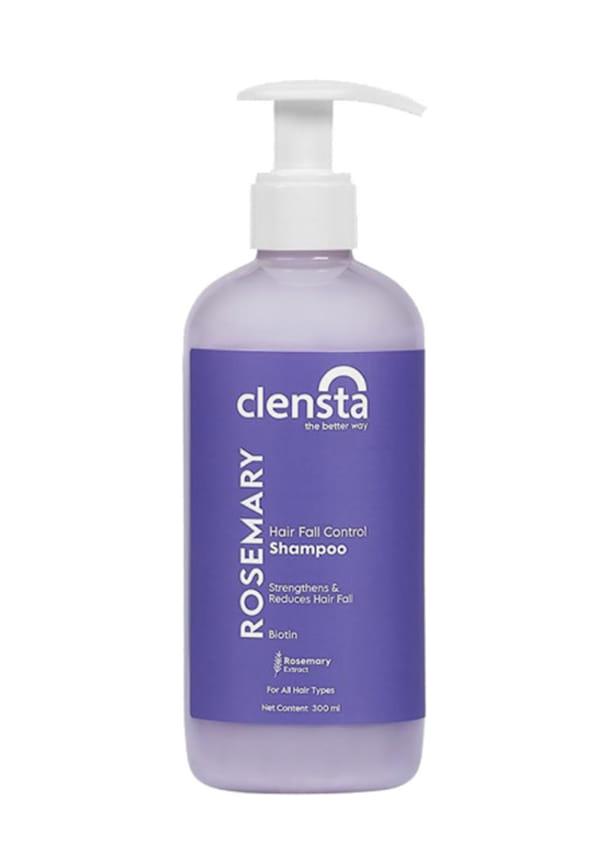
Rosemary Hair Fall Control Shampoo With Biotin For Reducing Hair Loss, Breakage & Daily Use
Your hair needs both protein and moisture, but finding the right balance is key. If your hair feels gummy, you need protein. If it feels brittle and dry, focus on moisture.
Never, ever use heat tools on unprotected hair. Apply a thermal protectant before styling, and try to air-dry whenever possible. When you do use heat, keep temperatures below 180°C.
Use a wide-tooth comb on wet hair, starting from the ends and working your way up. For dry hair, a boar bristle brush can help distribute natural oils without causing damage.
Embrace low-manipulation styles that don't put stress on your hair. Loose braids, silk scrunchies, and satin pillowcases can all help reduce friction and breakage.
Get your ends trimmed every 6-8 weeks to prevent split ends from travelling up the hair shaft. It might seem counterproductive when you're trying to grow your hair, but it actually helps in the long run.
Focus on a balanced diet rich in protein, healthy fats, and vitamins. Foods like salmon, eggs, nuts, and leafy greens can all support healthy hair growth from the inside out.
Sometimes DIY treatments aren't enough, especially if you're dealing with severe damage. Professional treatments can provide more intensive repair and help restore your hair's health more quickly.
Salon protein treatments can temporarily fill in gaps in damaged hair cuticles, making your hair stronger and more manageable. Keratin treatments can smooth the cuticle and reduce friction that leads to breakage. For scalp-related issues, professional scalp treatments can improve the health of your hair follicles.
If you're experiencing sudden, severe breakage, or if your hair isn't responding to at-home treatments after 3-4 months, it might be time to consult a trichologist or dermatologist.
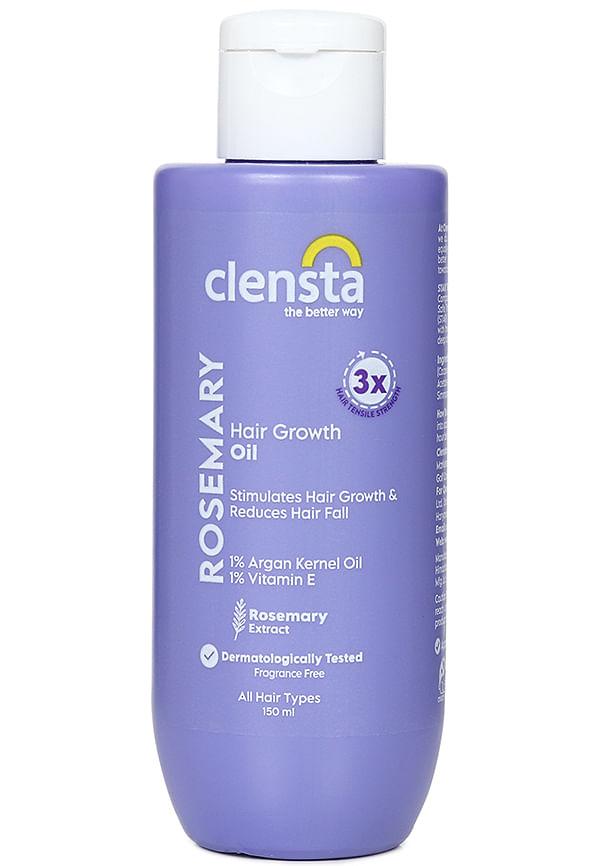
Rosemary Hair Growth Oil With Argan Oil & Vitamin E For Reducing Hair Fall, Strengthens Hair & Breakage
Hair grows about 1.25cm per month, so visible improvements typically take 3-6 months. Be patient—healthy hair growth is a marathon, not a sprint.
Finding the right products for your specific hair needs can feel overwhelming, but platforms like Smytten make it easier to discover what works for your hair without the commitment of full-size purchases. With trial packs from trusted haircare brands, you can experiment with different treatments and find your perfect match before investing in full-size products.
Heat styling and chemical processing are typically the biggest culprits, but the exact cause depends on your individual hair type, lifestyle, and habits. For many people, it's a combination of factors rather than just one thing.
Crown breakage is often caused by tight hairstyles, sun damage, or hormonal changes. The crown area gets the most UV exposure and is often where we pull our hair tightest in ponytails and updos.
You'll typically see improvements in 3-6 months with consistent care, but severely damaged hair may take longer. Remember, you can't truly "repair" damaged hair—you can only improve its condition and prevent further damage whilst waiting for healthy new growth.
Whilst you can improve the condition of damaged hair with treatments and proper care, the only way to completely "restore" severely damaged hair is to cut it off and grow new, healthy hair. Focus on preventing further damage and supporting healthy new growth.
Hair breakage happens along the hair shaft and leaves you with shorter, broken pieces. Hair loss occurs at the root level, where entire strands fall out from the follicle. If you're seeing lots of short pieces, it's likely breakage.
Understanding the factors causing hair breakage is your first step towards healthier, stronger hair. Whether you're dealing with heat damage, nutritional deficiencies, or mechanical stress, there are solutions that can help. The key is being patient and consistent with your haircare routine whilst addressing the root causes of your breakage.
Remember, healthy hair is a journey, not a destination. With the right approach—gentle handling, proper nutrition, protective styling, and quality products—you can minimise breakage and support your hair's natural strength and beauty. Sometimes finding the right products takes a bit of trial and error, but that's where platforms like Smytten come in handy, letting you try different haircare solutions without the commitment of full-size purchases. After all, why settle for damaged, brittle hair when you can discover what truly works for your unique needs?
