How to Stop Frizzy Hair: Quick Fixes & Remedies

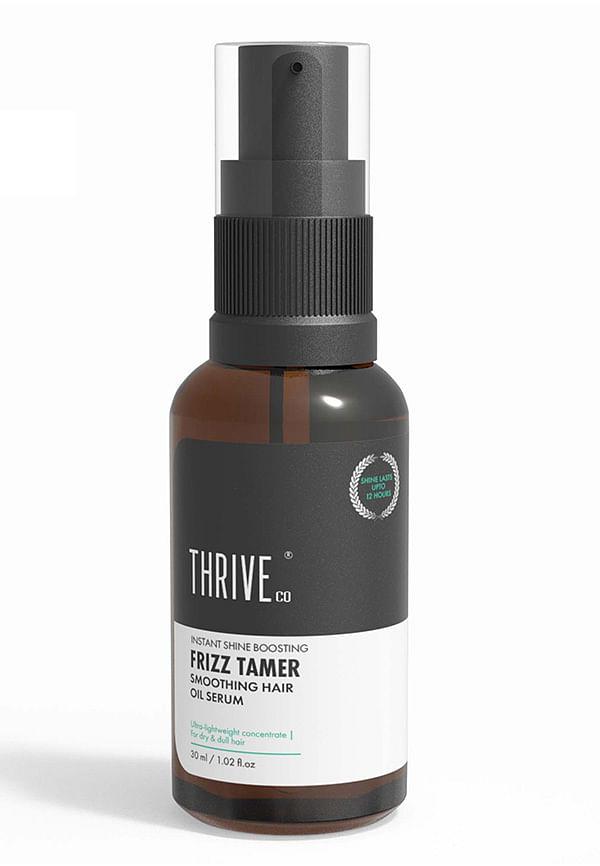
Frizz Tamer Smoothening Hair Oil
Nice & Worthy Product
 4
4“this one is acutually nice worthy spended money on”
You know that moment when you catch your reflection and your hair looks like you've been wrestling with a balloon? We've all been there. One minute your hair looks decent, the next it's doing its own thing despite your best efforts. Frizz has this sneaky way of showing up at the worst possible times — right before a meeting, during humid weather, or when you're already running late. The good news? Understanding how to stop frizzy hair isn't rocket science, and you don't need to spend a fortune on salon treatments to get smooth, manageable locks.
Let's get real about what's happening up there. Frizz isn't just bad luck — it's your hair's way of telling you something's off. The main culprit? Lack of moisture. When your hair is thirsty, the cuticles (those tiny scales covering each strand) lift up to grab moisture from the air. This creates that rough, uneven texture we call frizz.
Your hair cuticles are supposed to lie flat, creating a smooth surface that reflects light and feels silky. But when they're damaged from heat styling, chemical treatments, or even aggressive brushing, they can't do their job properly. Environmental factors don't help either — humidity is frizz's best friend, while pollution and UV rays can make things worse.
Sometimes it's just genetics. If your hair naturally has an irregular shape or varying thickness along the strand, it's more prone to frizz. Curly and wavy hair types often deal with this because the bends and curves make it harder for natural oils to travel down the hair shaft, leaving ends dry and frizzy.
Before diving into products, let's talk about simple changes that can make a huge difference. These frizzy hair solutions don't cost much, but they require consistency to see results.
Start with how you dry your hair. That fluffy towel you've been using? It's creating friction and roughing up your cuticles. Switch to a microfibre towel or even a cotton t-shirt. Gently squeeze out excess water instead of rubbing — your hair will thank you for the gentler treatment.
Cold water rinses are worth trying, even if they're not the most comfortable. That final blast of cold water helps seal your cuticles, locking in moisture and creating a smoother surface. You don't need to torture yourself — just the last 30 seconds under cooler water can make a difference.
Natural oils can be game-changers for dry frizzy hair. Coconut oil penetrates the hair shaft better than most, while argan oil is lighter and won't weigh fine hair down. Apply a small amount to damp hair, focusing on mid-lengths and ends, then style as usual.
A simple honey and olive oil mask works wonders for weekly deep conditioning. Mix two tablespoons of honey with one tablespoon of olive oil, apply to damp hair, leave for 20 minutes, then shampoo out. Honey is a natural humectant, meaning it draws moisture from the air into your hair.
Your pillowcase might be sabotaging your smooth hair goals. Cotton creates friction while you sleep, leading to morning frizz and tangles. Silk or satin pillowcases let your hair glide smoothly, reducing overnight damage. If switching pillowcases isn't an option, try wrapping your hair in a silk scarf before bed.
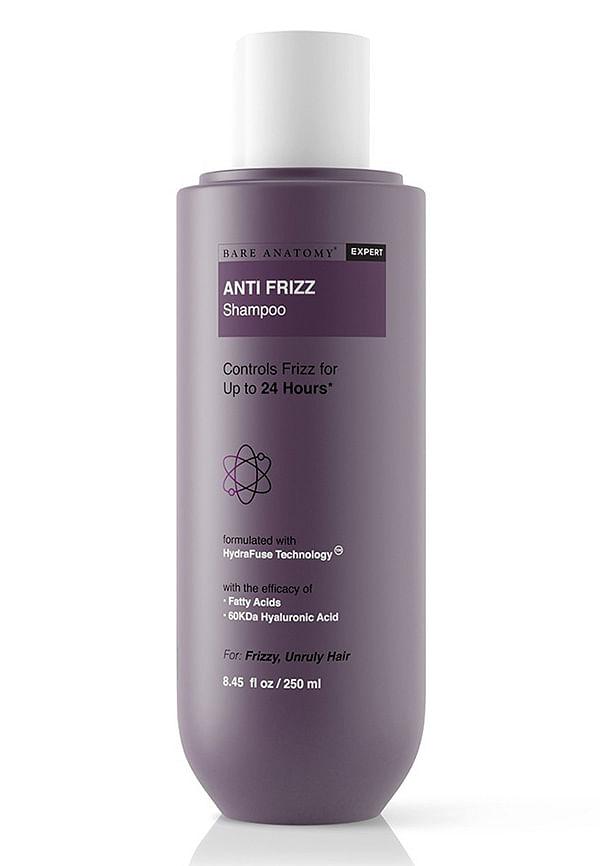
Expert Anti-Frizz Shampoo Tames Frizz For Up To 24 Hours
Good product, liked it
5“it is a good product and I liked it.”
Good Smell, Works Well
5“Go for it, the smell is good and it actually works well”
Good hydrating shampoo
5“a very good hydrating shampoo..”
While natural methods help, sometimes you need products specifically designed for hair frizz control. The key is choosing the right ones for your hair type and using them correctly.
Sulphate-free shampoos are essential for managing frizzy hair. Sulphates strip away natural oils, leaving your hair even thirstier. Look for gentle cleansers with moisturising ingredients like glycerin or hyaluronic acid. You might not get that sudsy feeling you're used to, but your hair will be much happier.
The best shampoo for frizzy hair should clean without over-drying. Brands like L'Oréal, Garnier, and TRESemmé offer excellent sulphate-free options that won't break the bank. Wash every other day or even less frequently if your hair isn't oily — over-washing is one of the fastest ways to create frizz.
A good hair serum for frizz can be your secret weapon. Apply a small amount to damp hair before styling — start with less than you think you need. Serums with silicones create a protective barrier against humidity, while oil-based ones add moisture and shine.
Leave-in conditioners work differently from serums. They're lighter and focus on ongoing moisture rather than creating a protective coating. Use them on damp hair for daily hydration, especially if your hair tends to get dry throughout the day.
Heat protectant sprays are non-negotiable if you use styling tools. They create a barrier between your hair and high temperatures, preventing the kind of damage that leads to long-term frizz. Apply to damp hair before blow-drying or to dry hair before using straighteners or curling irons.
Sometimes you need to manage frizzy hair on the spot. These emergency techniques can smooth things out when you're short on time.
The damp hands technique is surprisingly effective. Slightly wet your hands, then gently smooth them over your hair. The tiny bit of moisture helps temporarily tame flyaways without making your hair look wet. This works especially well for fine hair that gets staticky.
If you have hair serum or oil on hand, warm a tiny amount between your palms and gently press it onto the frizzy areas. Don't rub — just press and smooth. This adds instant moisture and creates a barrier against humidity.
For a quick fix that lasts longer, try the strategic braid method. Lightly dampen frizzy sections, apply a small amount of styling cream, then braid loosely for 10-15 minutes. When you undo the braid, the frizz should be much more controlled.
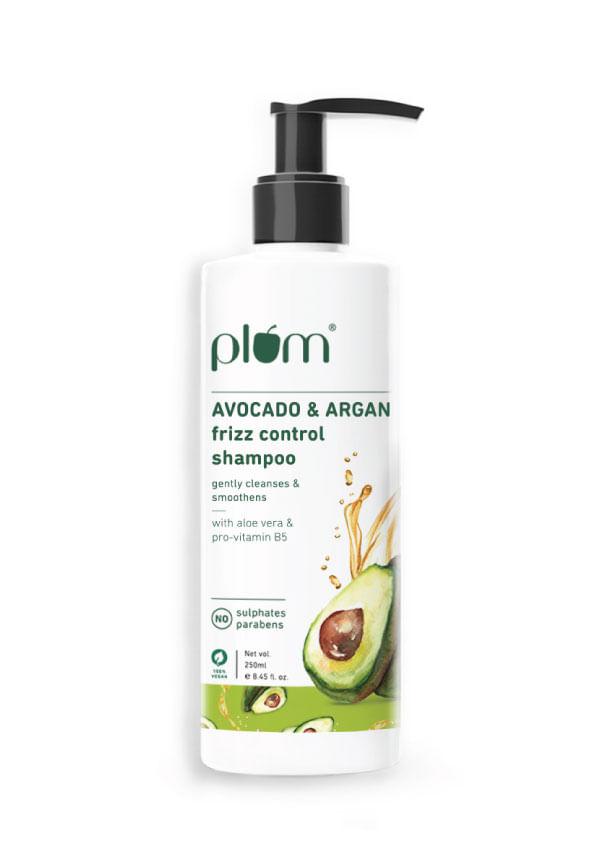
Avocado & Argan Frizz Control Shampoo For Curly, Wavy, Frizzy Hair
Very Nice Product
5“very nice product I love it 😍😍😍”
Makes hair soft and shiny
4“This shampoo is very nice it makes my hair soft and shine”
Awesome & Excellent Products
5“awesome products... Excellent item...”
Consistency beats intensity when it comes to frizz control. These smooth hair tips work best when they become part of your regular routine rather than occasional treatments.
Wash your hair 2-3 times per week maximum, unless it gets genuinely dirty or oily. On non-wash days, refresh with a light mist of leave-in conditioner mixed with water. This keeps moisture levels stable without the drying effects of frequent shampooing.
Your morning routine should be gentle and quick. Apply leave-in conditioner to damp hair, add a small amount of serum or oil to the ends, then either air dry or use a blow dryer with a diffuser attachment. The key is working with your hair's natural texture rather than fighting it.
Once a week, give your hair some extra love with a deep conditioning treatment. This can be a store-bought mask or a DIY version using ingredients like avocado, egg, or yogurt. The goal is to flood your hair with moisture and nutrients that daily products can't provide.
Apply the treatment to clean, damp hair, focusing on the mid-lengths and ends where damage is usually worst. Cover with a shower cap and let it work for 15-20 minutes before rinsing thoroughly. Your hair should feel noticeably softer and more manageable.
Humid weather is frizz's playground, but you don't have to surrender every time the forecast shows high humidity. The trick is creating a moisture barrier before you step outside.
Start with slightly damp hair rather than bone-dry strands. Apply a humidity-blocking serum or cream, paying special attention to the areas that usually frizz first. Some people find that a light hairspray over their styled hair creates an extra shield against moisture in the air.
On particularly humid days, consider protective styles like low buns, braids, or twists. These keep your hair contained and reduce the surface area exposed to humid air. Plus, when you take them out, you often get nice waves as a bonus.
Salon treatments like keratin or Brazilian blowouts can dramatically reduce frizz for several months. They work by coating the hair shaft with proteins that smooth the cuticle and block humidity. The downside? They're expensive, time-consuming, and often contain formaldehyde or similar chemicals.
At-home smoothing treatments have come a long way and can be surprisingly effective. They won't last as long as salon treatments, but they're much more affordable and you can do them on your own schedule. Look for treatments that focus on moisture and protein balance rather than harsh chemicals.
The reality is that most people get the best results from a combination approach — good daily products, consistent routine, and occasional professional treatments when needed. It's about finding what works for your lifestyle and budget.
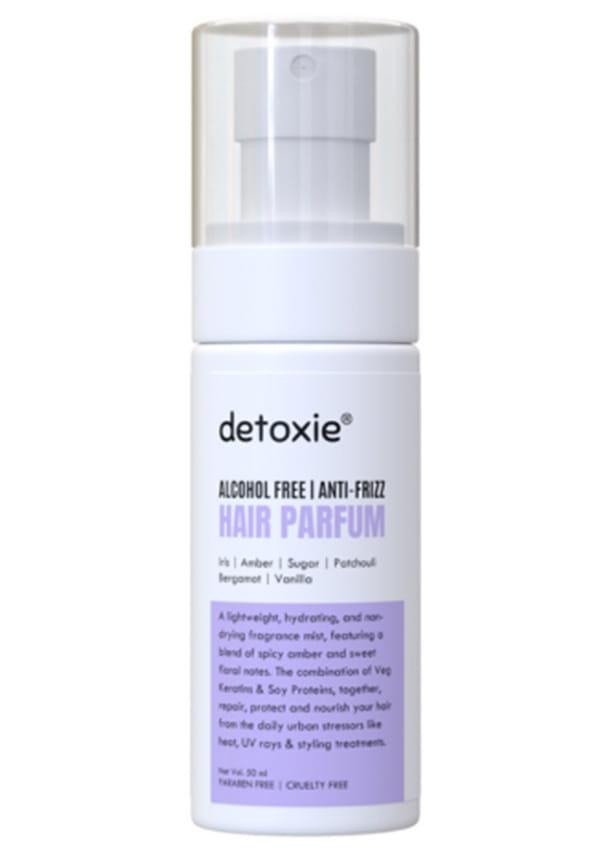
Alcohol Free Anti-Frizz Hair Parfum
Nice product with good fragrance
4“Its nice product with good fragrance”
Positive Product Review
5“good for use. smells nice. can order again.”
Focus on moisture retention by using leave-in conditioner and sealing with a light oil or serum. Avoid touching your hair too much, as this can disrupt the cuticle and create frizz. If you need to refresh during the day, lightly mist with water mixed with a tiny bit of conditioner.
While you can't permanently change your hair's natural texture, you can significantly reduce frizz through consistent care and the right products. Professional treatments can provide long-lasting smoothness, but they'll need to be repeated as your hair grows out.
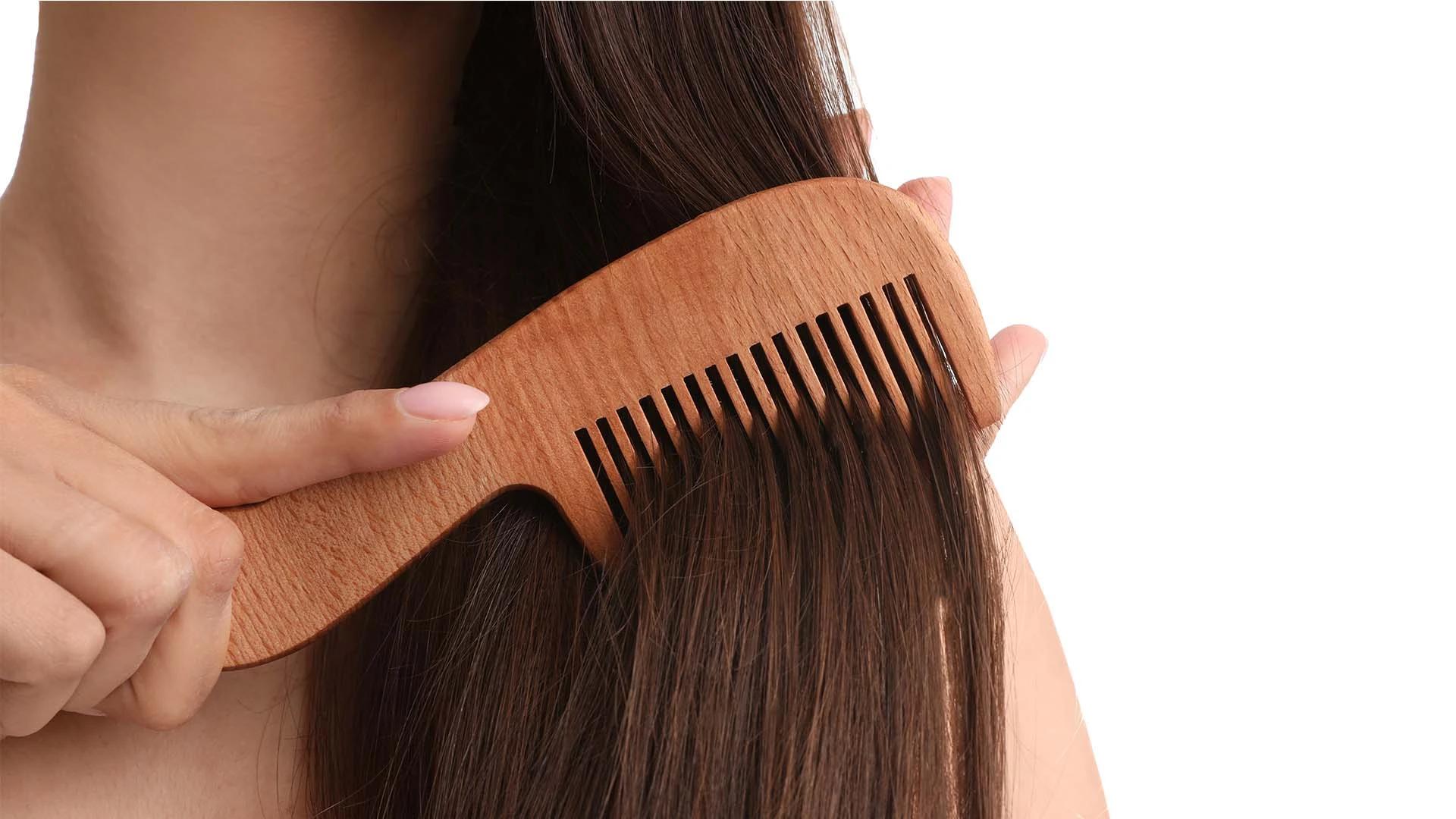
Frizz can be caused by damage, dryness, or even static electricity. If humidity isn't the issue, focus on deep conditioning treatments and gentle handling. Avoid over-brushing and use a wide-tooth comb on wet hair only.
Frizz is often a symptom of damaged hair, but not always. Some hair types are naturally more prone to frizz due to their structure. Damaged hair will also show signs like split ends, breakage, and loss of elasticity, while natural frizz might just be texture variation.
You should see some improvement immediately with the right products, but significant changes in hair health take 4-6 weeks of consistent care. This is because you need to grow out damaged hair and establish new, healthier habits.
Managing frizzy hair doesn't have to be a daily battle. The key is understanding what your hair needs — usually moisture and gentle handling — then being consistent with your approach. Whether you prefer natural remedies or rely on targeted products, the most important thing is finding a routine you can stick with.
Remember that some frizz is completely normal, especially if you have naturally textured hair. The goal isn't to eliminate every bit of movement or texture, but to have healthy, manageable hair that looks and feels good. With the right combination of products, techniques, and patience, you can definitely get there.
If you're still figuring out which products work best for your hair type, Smytten offers trial-size versions of many anti-frizz treatments from trusted brands — a smart way to test different formulas before investing in full-size bottles.
